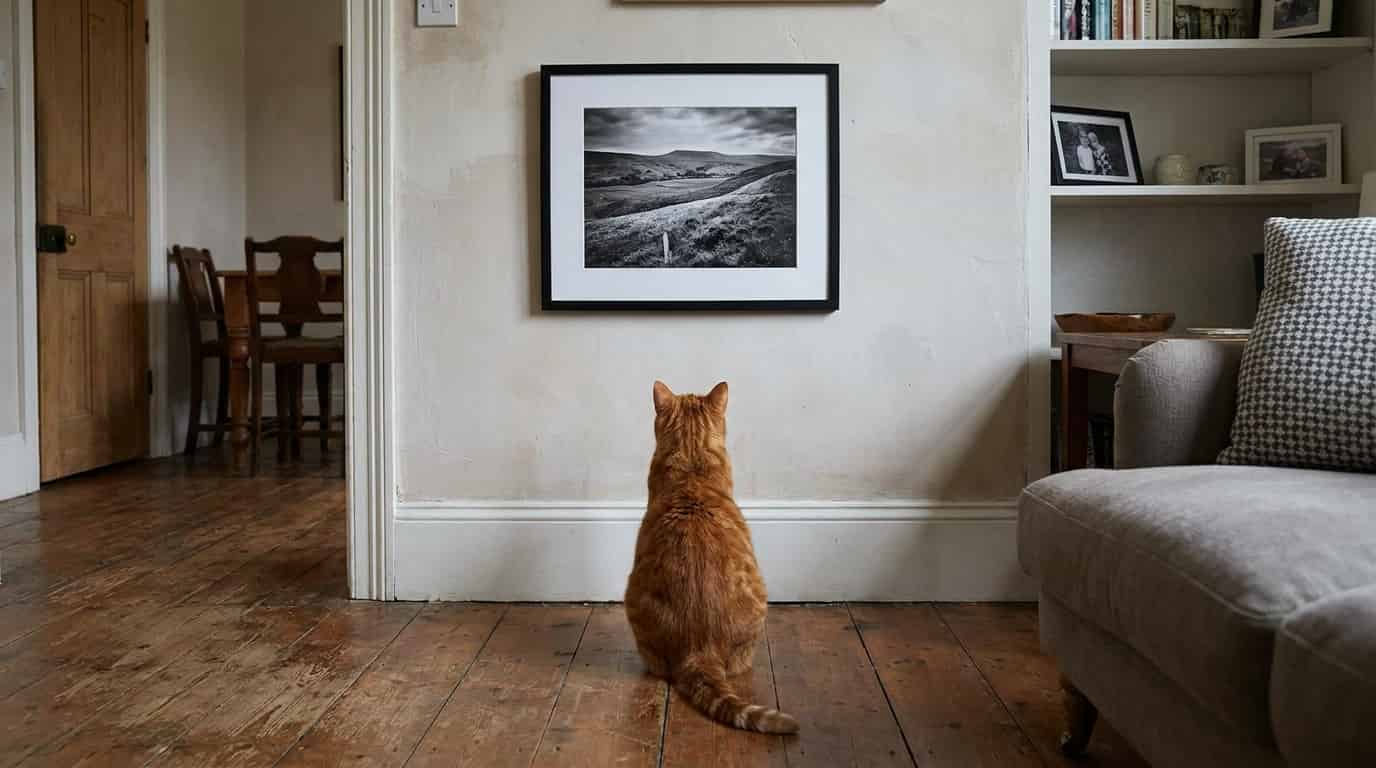
Feline dementia is not just ‘getting old’ — these signs have a medical cause. Many cat owners see changes in their senior cats and think it’s a normal part of aging. But when your old cat gets confused, yowls at night, or forgets things, it can be a sign of cognitive dysfunction syndrome (CDS), also known as cat dementia. This condition is similar to Alzheimer’s in humans. It affects the brain, causing changes in memory, behavior, and daily habits. Spotting the signs of dementia in cats early can help you improve your cat’s quality of life and comfort. Let’s look at the main symptoms, how to tell dementia from other problems, and what you can do to help your cat.
Sign 1 — Night-time Yowling And Restlessness
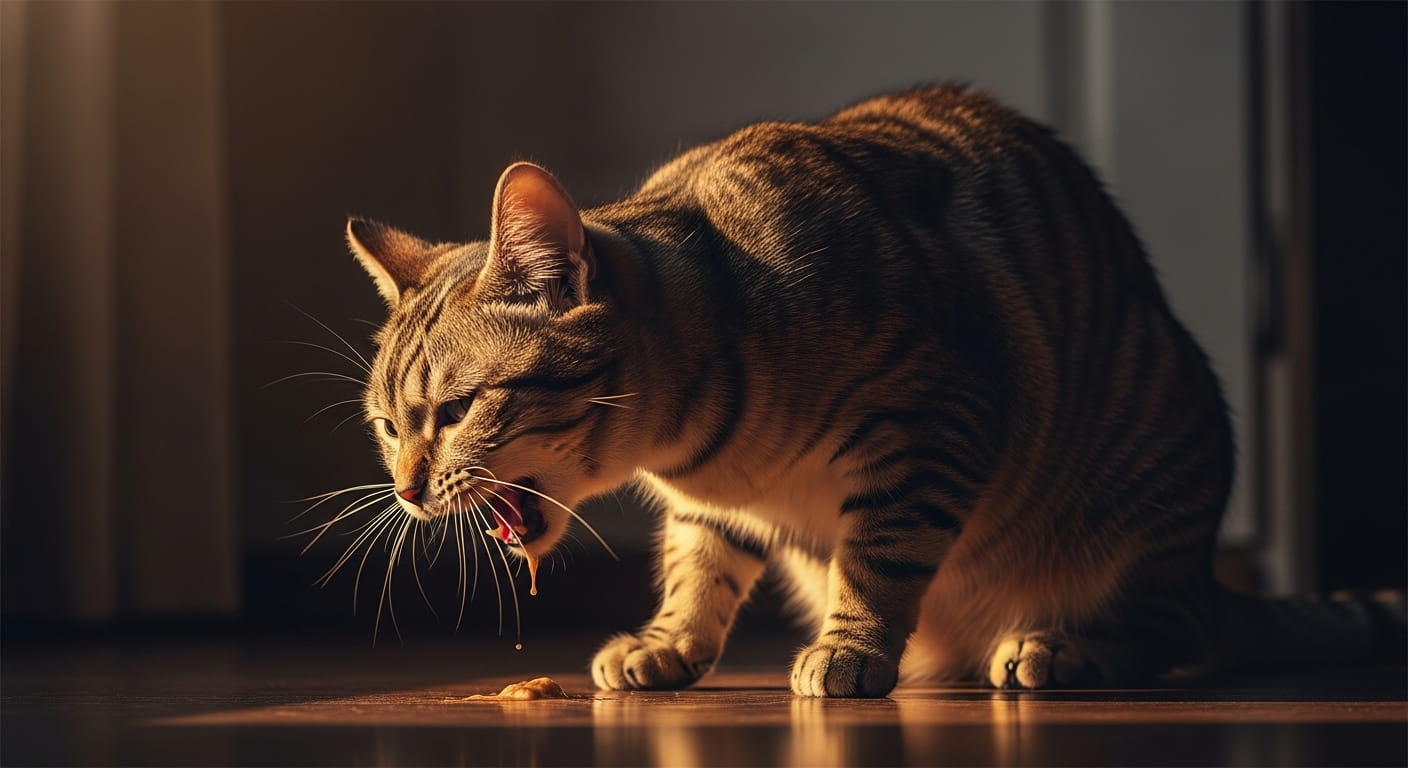
One of the most common and distressing feline dementia symptoms is loud, restless yowling at night. Owners often describe their old cat’s night-time yowling as piercing or heartbreaking. A cat may wander the house, cry out, and seem unable to settle.
This happens because dementia can disrupt your cat’s sense of time and security. At night, when the house is quiet and dark, a confused cat might feel lost or anxious. They may call out for reassurance or simply express their confusion.
Some cats also pace or wander from room to room, unable to find a comfortable spot.
It’s important to realize that night-time vocalizing is not just a “noisy” phase. In senior cats, it’s a key CDS sign and should not be ignored.
Non-obvious insight: Sometimes, these cries are not just for attention — they may be your cat’s way of expressing fear or even pain. Never punish a yowling senior cat; instead, look for ways to comfort and support them.
Sign 2 — Staring At Walls Or Into Space
Many owners notice their cat staring at walls or looking into space for long periods. While an occasional daydream is normal, persistent or repeated staring can signal cognitive decline.
In a healthy cat, this behavior is usually linked to hunting instincts or curiosity. But in a cat with dementia, it’s often a sign of mental confusion or disorientation. They may lose track of their surroundings or even forget what they were doing.
Cats with dementia can also seem to “freeze” or pause in the middle of activities. You might see your old cat sitting in one spot, unmoving, as if they forgot where they were headed.
Practical tip: If your cat does this often, try gently calling their name or offering a treat to bring them back to the present. Regular interaction can sometimes help reduce these episodes.
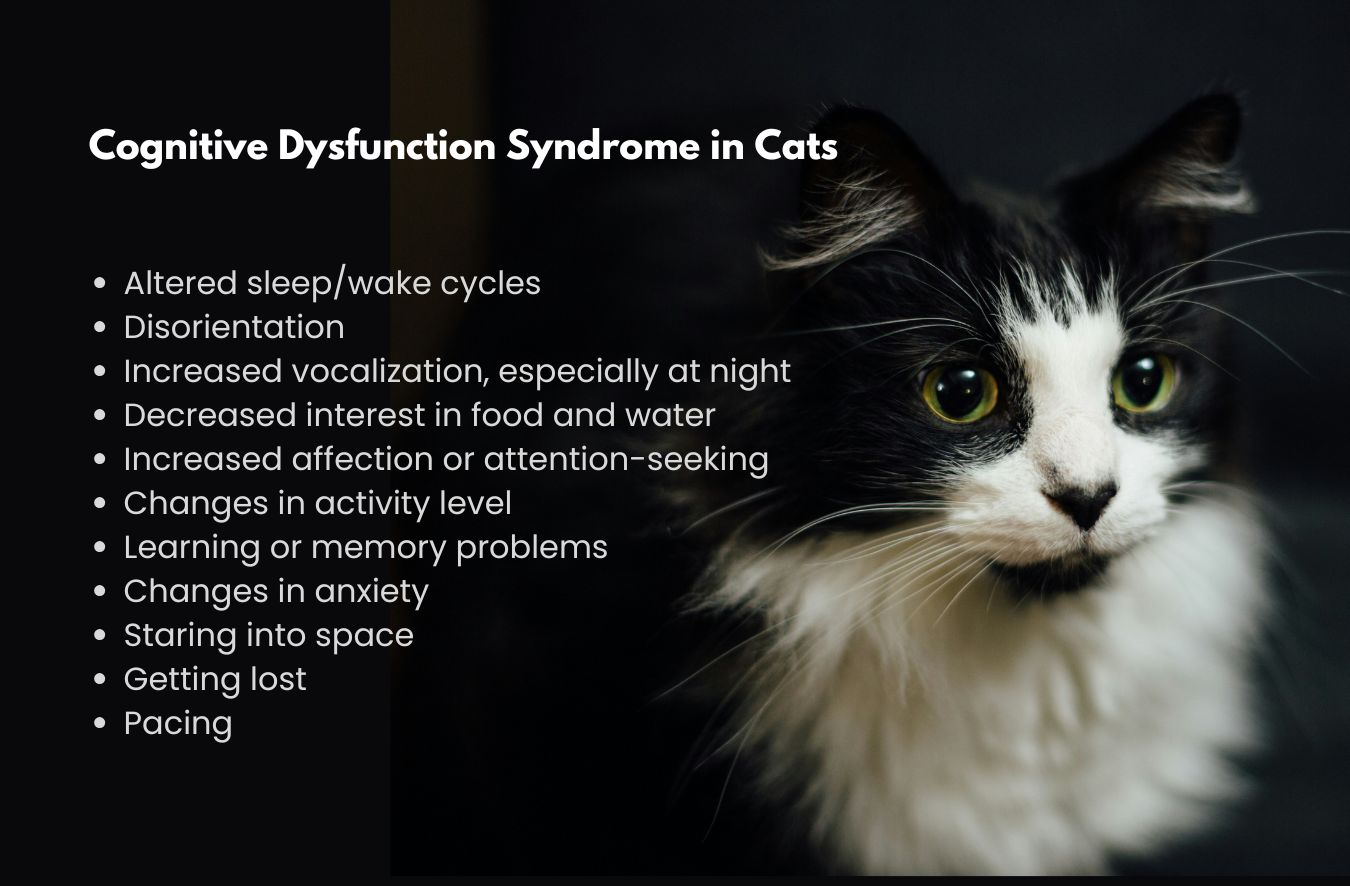
Credit: www.parsemus.org
Sign 3 — Getting Lost In Familiar Places
A classic cat cognitive decline sign is getting lost in the home. Cats are usually experts at navigating their territory, but a senior cat with dementia may become confused in their own house.
You might see your old cat confused in a hallway or unable to find their favorite room. Some cats may stand at the wrong door, meow to be let into a closet, or get “stuck” in corners.
This confusion can be distressing for both the cat and the owner. It’s not just forgetfulness — it’s a sign that your cat’s mental map is fading.
Non-obvious insight: Sometimes, these episodes are brief and the cat “snaps out of it.” But frequent confusion can lead to anxiety and even accidents (like getting trapped somewhere). Watch for patterns and keep your home safe and easy to navigate.
Sign 4 — Forgetting Where The Litter Box Is
Another key cat dementia sign is when your cat forgets where the litter box is or has accidents outside the box. This is not stubbornness or laziness — it’s a symptom of cognitive dysfunction.
Older cats with dementia may:
- Walk around searching for the litter box but never find it
- Use the bathroom just next to the box
- Choose random spots, especially corners or hidden areas
This happens because their memory and sense of direction are affected. Some cats may even forget what the litter box is for.
Important: Litter box issues can also be caused by kidney disease, arthritis, or urinary tract infections. Always rule out medical causes before assuming dementia is the reason.
Sign 5 — Reduced Grooming
Healthy cats are known for their cleanliness. But reduced grooming is a strong sign of feline dementia. Cats with cognitive decline may:
- Stop grooming certain areas (especially hard-to-reach spots)
- Develop a greasy or matted coat
- Have more dandruff or skin flakes
This change is not just about laziness. Dementia can make cats forget their regular habits, or they may lose interest in self-care.
Expert tip: Help your cat by gently brushing them once a day. This supports their comfort and helps prevent skin problems.
Sign 6 — Personality Changes
One of the hardest CDS signs in cats for owners is a personality change in a senior cat. Your friendly, social companion may suddenly become withdrawn, irritable, or even aggressive.
Common changes include:
- Hiding more often
- Seeming fearful of people or noises they once tolerated
- Refusing to be held or touched
- Becoming clingy or “needy” at odd times
These shifts are due to changes in your cat’s brain chemistry and perception. What was familiar may now feel strange or threatening to them.
Non-obvious insight: Sometimes, cats show the opposite behavior. A once-independent cat may now follow you everywhere, seeking comfort. Both withdrawal and clinginess can be signs of dementia.

Credit: www.aspcapetinsurance.com
Sign 7 — Sleep Pattern Changes
Changes in sleep are another hallmark of cat dementia. Many owners notice their cat sleeping more or less, or sleeping at odd times.
Common patterns include:
- Restless nights and napping more during the day
- Staying awake and active at night (which links to yowling)
- Seeming confused when waking up
These changes are due to disruptions in the cat’s internal clock, or circadian rhythm. Dementia can make it hard for your cat to know when to rest.
Practical tip: Try to keep a consistent routine for meals, play, and bedtime. This can help your cat feel more secure.
Dementia Vs Other Medical Causes — How To Tell
Many signs of dementia in cats can also be symptoms of other health problems. For example, night-time yowling can be due to pain, high blood pressure, or thyroid disease. Accidents outside the litter box can be caused by arthritis or kidney trouble.
So, how can you tell if your cat’s changes are due to dementia or another condition?
| Sign | Possible Dementia | Other Medical Causes |
|---|---|---|
| Night-time yowling | Confusion, lost at night | Pain, high blood pressure, hyperthyroidism |
| Litter box accidents | Forgets location or purpose | Arthritis, urinary infection, kidney disease |
| Personality change | Withdrawn, clingy, aggressive | Pain, sensory loss, stress |
The best way to know is to visit your veterinarian. They can check for medical problems with blood tests, urine tests, and a physical exam. If no other cause is found, dementia is more likely.
Expert insight: Never assume it’s “just old age.” Many treatable conditions can cause similar symptoms. Early diagnosis can make a big difference.

Credit: www.reddit.com
What To Do If You Recognize These Signs
If you spot several cat dementia signs in your pet, don’t panic — but don’t ignore them either. Here’s what to do:
- Write down what you notice. Track changes in behavior, habits, and routines. Note when and how often symptoms appear.
- Schedule a vet visit. Bring your notes and describe all the changes. Your vet will rule out other causes and may ask for more details.
- Ask about cognitive testing. Some vets use questionnaires or tests to measure your cat’s memory and awareness.
- Discuss treatment options. While there’s no cure for old cat dementia, some medications and supplements can help slow the decline or ease symptoms.
- Get support. Caring for a cat with dementia can be stressful. Ask your vet or local animal shelter for advice or resources.
Non-obvious insight: Early action can help your cat stay comfortable and happy for longer. Don’t wait until symptoms are severe.
How To Manage Cat Dementia At Home
While you can’t cure dementia, you can do a lot to help your cat at home. Small changes make a big difference.
| Problem | Helpful Change |
|---|---|
| Getting lost | Keep furniture and litter boxes in the same place |
| Night-time yowling | Leave a night light on, play gentle music |
| Forgetting litter box | Add extra boxes, clean often, use low sides for easy access |
| Reduced grooming | Brush gently every day |
| Personality changes | Stay calm, offer comfort, avoid surprises |
Other ways to help:
- Stick to routines. Feed, play, and cuddle at the same times each day.
- Make your home dementia-friendly. Block off dangerous areas, use baby gates, and keep floors clear.
- Stimulate their mind. Gentle play, puzzle feeders, and new scents can help keep your cat’s brain active.
- Consider calming products. Pheromone diffusers and calming supplements may reduce anxiety.
- Give extra love and patience. Your cat may need more reassurance, especially during “off” moments.
Experience-based tip: Sometimes, cats with dementia become more sensitive to changes in their environment. Even small updates (like moving a chair) can confuse them. Keep changes slow and gentle.
Frequently Asked Questions
What Age Do Cats Usually Develop Dementia?
Most cats start showing feline dementia symptoms after age 11–14. By age 15, about 50% of cats have at least one dementia sign. By age 16–20, the risk rises to 80%. However, some cats develop symptoms earlier or later.
Can Cat Dementia Be Treated Or Reversed?
There is no cure for cat dementia, but some treatments can help. Prescription diets, antioxidants, and certain drugs may slow the decline or improve quality of life. Environmental changes and routine also make a big difference. Always ask your vet about the best options for your cat.
Is Night-time Yowling Always A Sign Of Dementia?
No. Night-time yowling in an old cat can also be caused by pain, thyroid problems, high blood pressure, or even deafness. Always get your cat checked by a vet to rule out other causes before assuming it’s dementia.
How Long Can A Cat Live With Dementia?
Many cats live for years after cat cognitive decline signs begin. With good care, cats with dementia can still enjoy life. Quality of life depends on the severity of symptoms, your home setup, and how well you manage their needs.
Where Can I Find More Information About Cat Dementia?
For detailed information, visit the International Cat Care website. They offer up-to-date advice and resources for cat owners.
Recognizing the signs of dementia in cats can be difficult, but it’s an important part of caring for your senior pet. With patience, understanding, and support from your vet, you can help your cat stay comfortable and loved, even as their needs change. By watching for signs like night-time yowling, confusion, or personality shifts, you’ll be ready to act early — giving your cat the best possible golden years.
**As an Amazon Associate, I earn from qualifying purchases.**