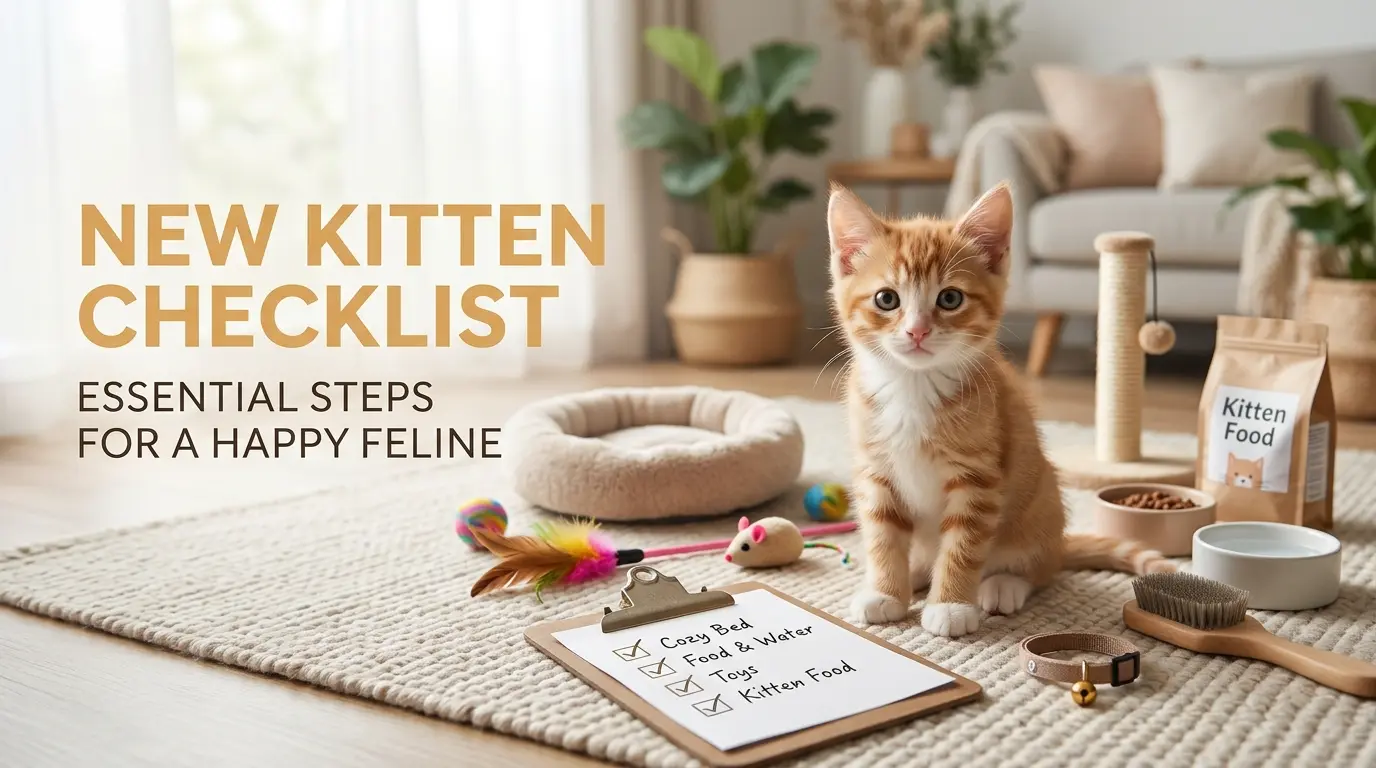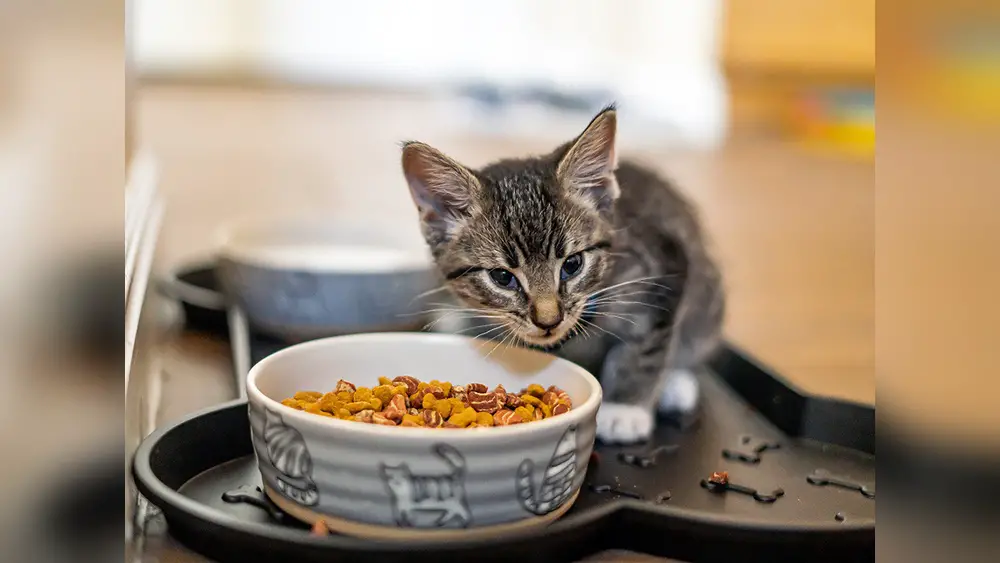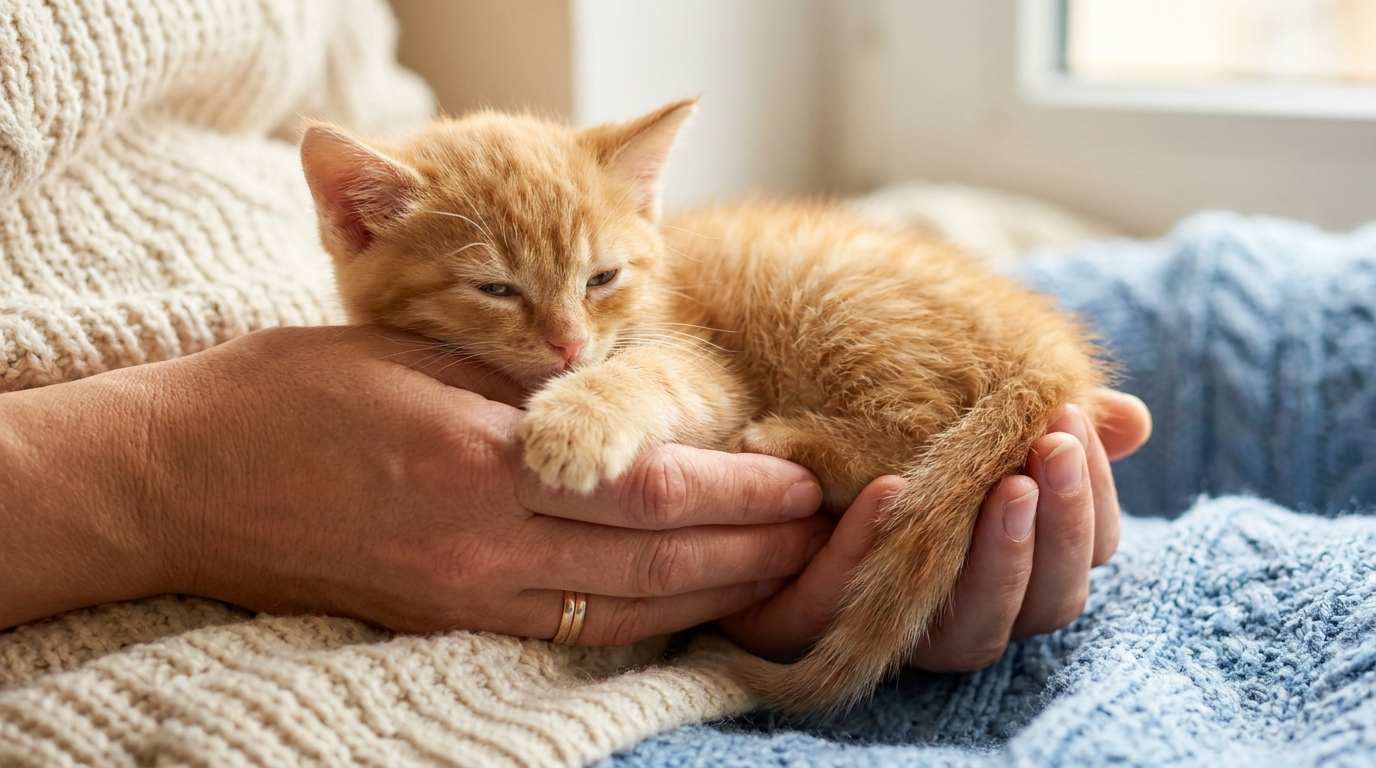
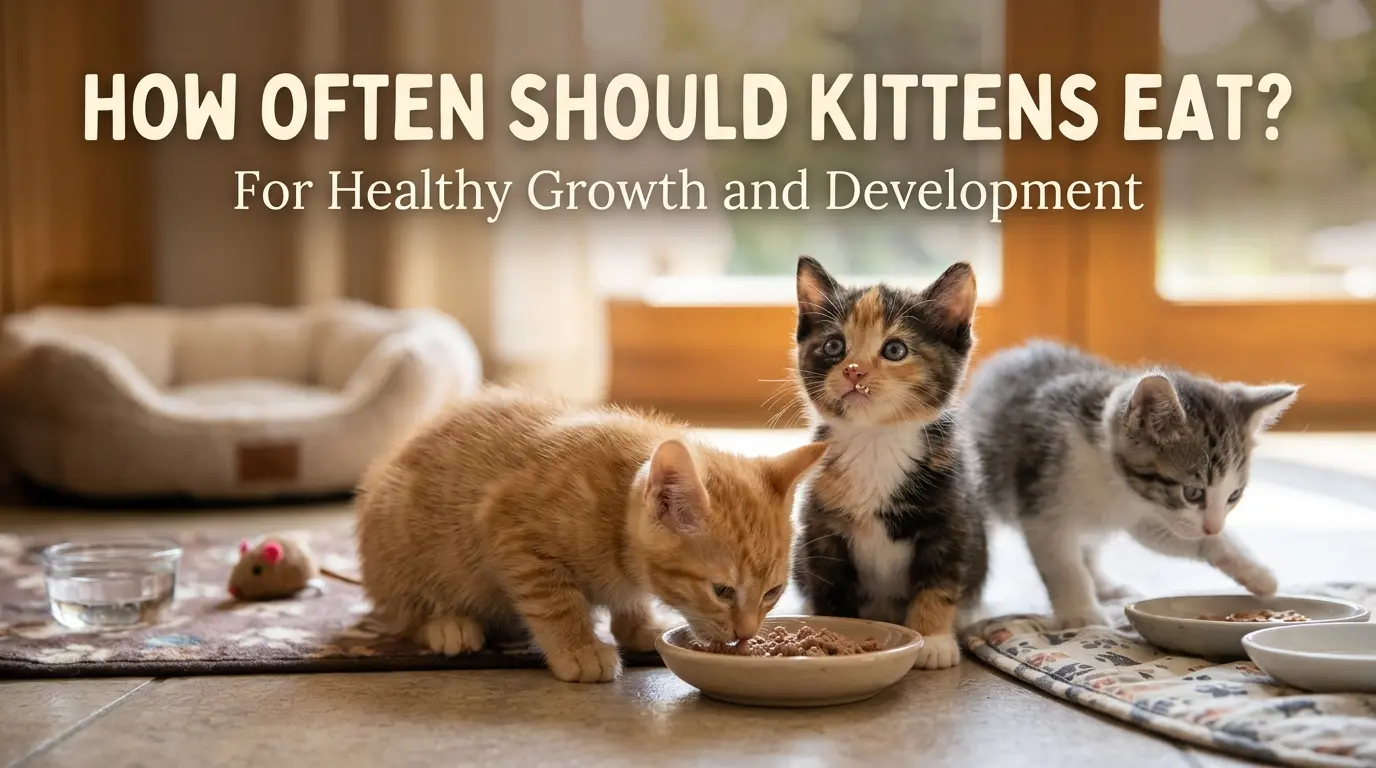
If you just brought home a kitten, you may wonder: how often should kittens eat? The answer is—more often than you think. Kittens grow quickly, so they need regular meals to stay healthy. Missing a meal can mean low energy, poor growth, or even risk for illness. Feeding your kitten the right number of times per day is one of the most important parts of kitten care.
Feeding Frequency By Age
How many times a day should a kitten eat? It depends on their age. Younger kittens need more frequent feedings. Here’s a quick guide:
| Kitten Age | Meals per Day | Feeding Type |
|---|---|---|
| Newborn–4 weeks | 8–10 | Bottle/formula |
| 4–8 weeks | 4–6 | Transitioning to solid food |
| 8–16 weeks | 3–4 | Kitten food |
| 4–6 months | 3 | Kitten food |
| 6–12 months | 2 | Kitten food or adult food |
Most kittens need smaller, frequent meals to help their bodies grow. Skipping meals can cause blood sugar to drop, especially in kittens under 8 weeks.
Under 4 Weeks — Bottle Feeding Schedule
Kittens younger than 4 weeks need kitten formula, not solid food. They cannot digest kitten food yet. Orphaned kittens or those not nursing from their mother require bottle feeding.
- Feed every 2–3 hours (including nighttime)
- Use a special kitten bottle and formula
- Warm formula to body temperature
Many new owners forget nighttime feedings. This is a common mistake that can cause health problems. If your kitten sleeps longer than 4 hours, wake them gently to feed.
| Age | Feedings per 24 hours | Amount per feeding |
|---|---|---|
| 0–1 week | 8–10 | 2–4 ml |
| 1–2 weeks | 8 | 5–7 ml |
| 2–3 weeks | 6–8 | 7–10 ml |
| 3–4 weeks | 6 | 10–13 ml |
Never feed cow’s milk—it can cause diarrhea. Use only kitten formula from pet stores or your vet.
4–8 Weeks — Four To Six Times Per Day
During this stage, kittens start eating solid food. You should still offer formula but begin mixing it with wet kitten food.
- Offer meals every 4–6 hours
- Use shallow bowls for easy access
- Mix formula with wet food for easier transition
8 week kitten meals should include high-protein, high-fat foods. Most kittens at this age eat four to six times daily. If your kitten seems uninterested, try warming the food slightly.
8–16 Weeks — Three To Four Times Per Day
By eight weeks, most kittens eat solid food. Now, you can shift to three or four meals daily.
- Feed every 6–8 hours
- Include both wet and dry kitten food
- Always provide fresh water
Some kittens may show kitten appetite changes as they grow. It’s normal for meal sizes to increase. If your kitten skips a meal, monitor for signs of illness.
| Meal Times | Sample Schedule |
|---|---|
| Breakfast | 7:00 AM |
| Lunch | 12:00 PM |
| Afternoon | 5:00 PM |
| Dinner | 9:00 PM |

Credit: www.aistudio.co.jp
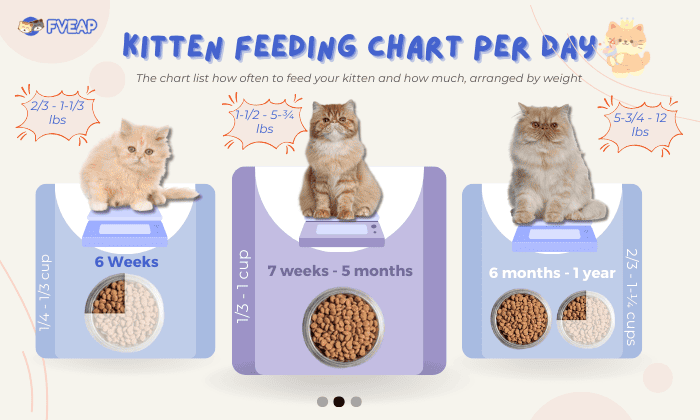
4–6 Months — Three Times Per Day
The kitten feeding frequency drops to three meals a day. Your kitten is now bigger and can handle fewer meals.
- Meals at morning, midday, and evening
- Portion control is important (follow package guidelines)
- Monitor weight and growth
A common mistake is switching to adult food too early. Stick to kitten food until at least 12 months for proper growth.
6–12 Months — Twice Daily
At this stage, your kitten can eat two meals a day. This is similar to adult cats.
- Feed in the morning and evening
- Use measured portions to prevent overfeeding
- Switch to adult food around 12 months
Some kittens may prefer three small meals. If your kitten seems hungry between meals, consult your vet.
Credit: igrs.itu.edu.tr
Free Feeding Vs Scheduled Meals For Kittens
Many owners wonder about free feeding. This means leaving food out all day so kittens can eat whenever they want. While it works for some, scheduled meals are usually better.
Benefits of scheduled meals:
- Controls portion size
- Reduces risk of obesity
- Helps track appetite changes
Free feeding can lead to overeating, especially with dry food. Scheduled meals help you notice if your kitten stops eating, which can signal illness.
| Method | Pros | Cons |
|---|---|---|
| Free Feeding | Easy, less time-consuming | Obesity risk, harder to monitor |
| Scheduled Meals | Better control, tracks health | Requires planning, more effort |
For most kittens, scheduled meals are best. You can adjust meal times as your kitten grows.
Signs Your Kitten Is Hungry Or Overfed
Understanding your kitten’s signals is important. Here’s what to watch for:
Hungry kitten signs:
- Meowing or vocalizing near meal times
- Restlessness or searching for food
- Trying to eat non-food items
Overfed kitten signs:
- Rapid weight gain
- Lethargy or less activity
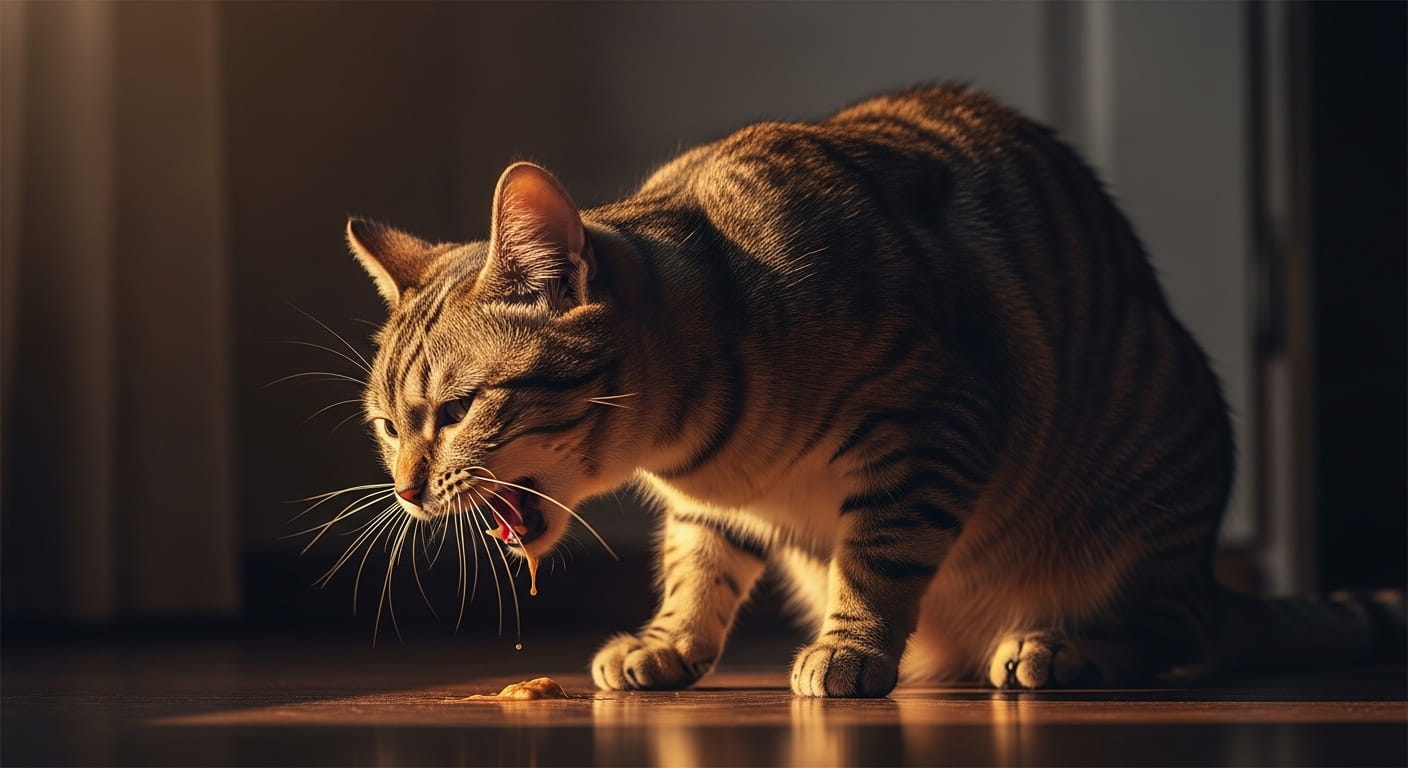
- Loose stools or vomiting
A non-obvious sign: If your kitten stops playing or seems sleepy after eating, it may be overfed. Another insight: Kittens sometimes beg for food out of habit, not hunger. Always check their body condition.
Frequently Asked Questions
How Many Meals For Kitten Under 8 Weeks?
Kittens under 8 weeks need four to six meals per day. Use kitten formula or mix with wet food.
Can I Switch To 3 Times A Day Kitten Meals Before 4 Months?
No, young kittens need more frequent meals for healthy growth. Wait until 4 months before switching to three times daily.
Is Free Feeding Safe For Kittens?
Free feeding can work for some kittens but often leads to overeating. Scheduled meals are safer and help track appetite.
What If My Kitten Skips A Meal?
Monitor your kitten closely. If they skip more than one meal or seem weak, contact your vet. Missing meals can signal illness.
How Do I Know If My Kitten Is Eating Enough?
Watch for steady weight gain and energy. If your kitten is active and growing, they are likely eating enough. Use a scale to check weight weekly.
Feeding your kitten properly is key to their health and happiness. Adjust kitten meal times as your kitten grows, and always provide fresh water. If you are unsure, check with your vet or visit ASPCA Kitten Care Guide for more advice. Your kitten will thank you with playful energy and steady growth.
**As an Amazon Associate, I earn from qualifying purchases.**