When Can Kittens Eat Dry Food?
Kittens grow fast, and their diet changes quickly during the first months. The simple answer: kittens can start eating dry food at 4 to 5 weeks old, but most are ready to fully switch to dry kibble by 8 to 10 weeks. Age matters because a kitten’s digestive system and teeth need time to develop. Feeding dry food too early can cause problems, while waiting too long may slow their growth. Let’s look deeper at the best time, why it matters, and how to help your kitten transition to dry food safely.
Kittens grow fast, and their diet changes quickly during the first months. The simple answer: kittens can start eating dry food at 4 to 5 weeks old, but most are ready to fully switch to dry kibble by 8 to 10 weeks. Age matters because a kitten’s digestive system and teeth need time to develop. Feeding dry food too early can cause problems, while waiting too long may slow their growth. Let’s look deeper at the best time, why it matters, and how to help your kitten transition to dry food safely.
At What Age Can Kittens Start Eating Dry Food?
Most kittens begin to show interest in solid food around 4 weeks old. At this stage, they are still nursing but will often nibble at their mother’s food. This is the right time to offer a small amount of moistened dry food or wet food.
By 8 weeks, kittens usually have most of their baby teeth and can chew better. This is when you can introduce dry kibble for kittens, either moistened or plain if they seem ready. By 10 to 12 weeks, most kittens can eat dry food without any soaking.
Here’s a simple timeline:
| Kitten Age | Food Type | Notes |
|---|---|---|
| 4 weeks | Wet food or soaked dry food | Still nursing, teeth just coming in |
| 6-8 weeks | Dry food (moistened) | Learning to chew, transition phase |
| 8-10 weeks | Dry food (plain) | Most can eat regular kibble |
Best age for kitten dry food: Most kittens are ready for dry food at 8 weeks.
Is Dry Food Good For Kittens?
Dry food, also called kibble, is popular because it’s easy to store and feed. Quality kitten dry food is rich in protein and nutrients needed for growth. However, not all dry foods are the same. Always choose a product labeled “for kittens” because it contains more calories, protein, and fat than adult formulas.
Benefits of dry food for kittens:
- Dental benefits dry food: Crunchy kibble can help reduce tartar buildup, which is good for dental health.
- Convenience: Dry food stays fresh longer in the bowl and is less messy.
- Affordability: Usually less expensive than wet food.
But dry food is not perfect. It contains less water, so dehydration dry food kittens can happen if they don’t drink enough. Kittens eating only dry food need plenty of fresh water at all times.

Credit: cats.com
Wet Vs Dry Food For Kittens — Which Is Better?
Both wet food and dry food have pros and cons. The best choice depends on your kitten’s needs, age, and your lifestyle.
| Type | Pros | Cons |
|---|---|---|
| Wet food | High water content, easy to eat, more aroma | More expensive, spoils quickly, messy |
| Dry food | Supports dental health, convenient, long shelf life | Low moisture, may not suit all kittens |
Experts often recommend mixing both wet and dry food during the first year. Wet food helps with hydration and is gentle on young teeth. Dry food encourages chewing and supports oral health. If you only use dry food, always monitor water intake.
How To Transition A Kitten To Dry Food
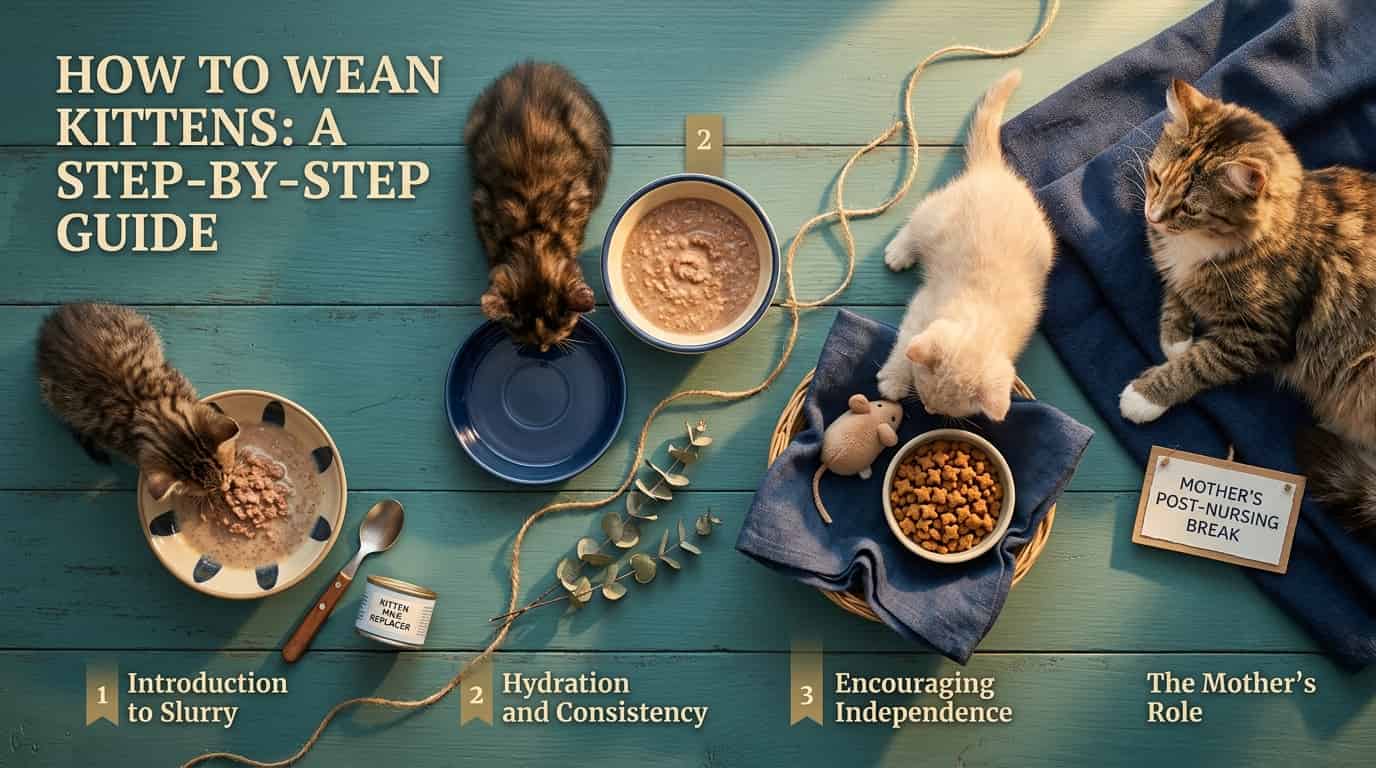
Switching to dry food is a process, not a single event. Start slow and watch your kitten’s reaction.
- Begin with mixing: Combine a small amount of dry food with wet food or water to soften it.
- Increase dry food gradually: Over 7 to 10 days, reduce the wet food or water, making the food less mushy.
- Watch for chewing: When your kitten starts crunching the kibble, you can offer dry food alone.
- Monitor for tummy troubles: Loose stools, vomiting, or refusal to eat may mean you’re moving too fast.
A gentle transition helps avoid digestive upset and teaches your kitten to accept new textures.
Credit: dokasch.com
Should You Soak Dry Food For Young Kittens?
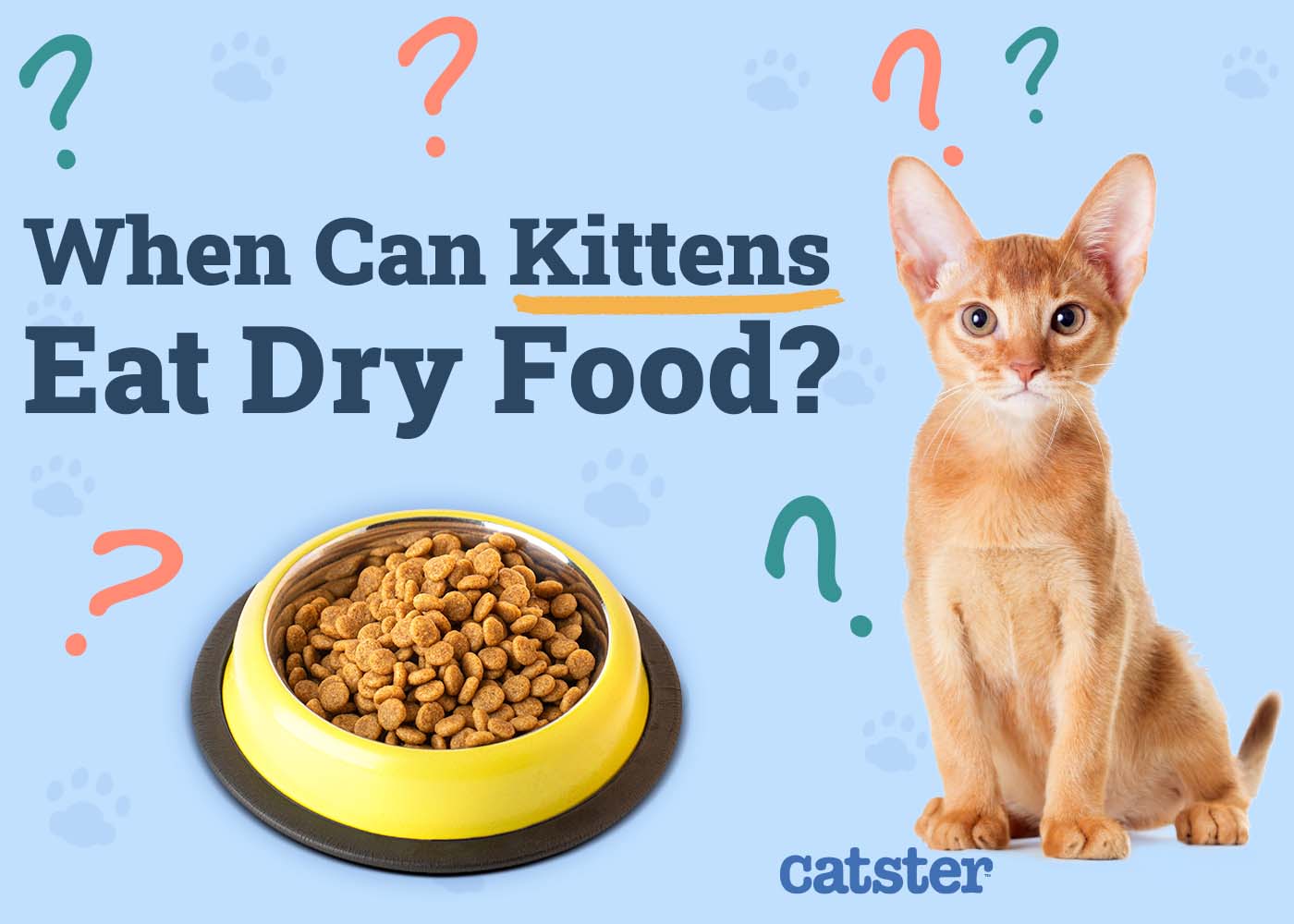
Yes, soaking dry food in water is a great idea for kittens under 8 weeks or those just weaning. Warm water makes kibble soft and easier to chew. It also releases aromas that attract kittens to eat.
How to soak dry food:
- Use warm (not hot) water.
- Let the kibble soak for 5–10 minutes.
- Mash gently if your kitten still struggles.
Soaked food is easier on tiny teeth and gums. Once your kitten chews easily, you can stop soaking.
Signs Your Kitten Isn’t Ready For Dry Food Yet
Not every kitten develops at the same speed. Some may need more time before eating dry food. Watch for these signs:
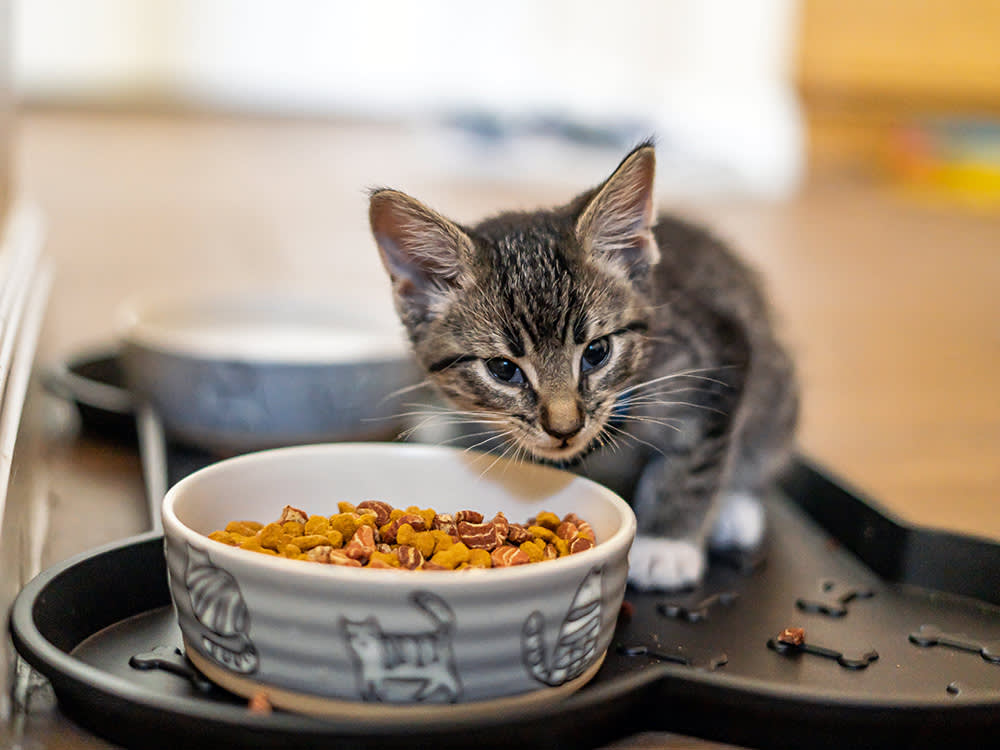
- Refusing to eat: The kitten sniffs or licks but doesn’t eat.
- Choking or gagging: Struggles with chewing or swallowing.
- Diarrhea or vomiting: Digestive problems after introducing dry food.
- Weight loss: Fails to gain weight or loses weight.
- Crying at the food bowl: May signal pain or difficulty eating.
If you see these issues, go back to wet food or moistened kibble. Try again in a week. If problems continue, contact your veterinarian.
Credit: www.kinship.com
Frequently Asked Questions
Can Kittens Eat Dry Food At 4 Weeks?
Kittens can start trying dry food at 4 weeks, but it should always be softened with water or kitten formula. Their teeth and jaws are not strong enough for hard kibble at this age.
What Is The Best Age For Kitten Dry Food?
The best age for kitten dry food is usually 8 weeks. At this stage, most kittens have finished weaning and can chew and digest dry food without issues.
Should I Mix Wet And Dry Food For Kittens?
Yes, many vets recommend mixing both. It provides balanced nutrition and supports hydration. Mixing also helps kittens adapt to different textures.
Does Dry Food Clean Kitten Teeth?
Dry food can help reduce plaque, but it doesn’t fully clean teeth. Dental treats or brushing may still be needed as your kitten grows.
How Much Water Do Kittens Need With Dry Food?
Kittens on a dry food diet need extra water. Make sure fresh water is always available. Watch for signs of dehydration, like dry gums or low energy.
Dry food is a popular choice for many kitten owners, but timing and preparation matter. Start offering dry food around 4 weeks, but expect most kittens to switch fully by 8 to 10 weeks. Always choose a kitten-specific formula, mix with water for younger kittens, and monitor their progress closely. Each kitten is different—some may need a slower transition or a mix of wet and dry food.
Remember, patience is key. If you’re ever unsure, ask your veterinarian. For more tips, visit the ASPCA Cat Nutrition Guide.
With the right approach, your kitten will grow into a healthy, happy cat—enjoying every crunchy bite along the way.
**As an Amazon Associate, I earn from qualifying purchases.**