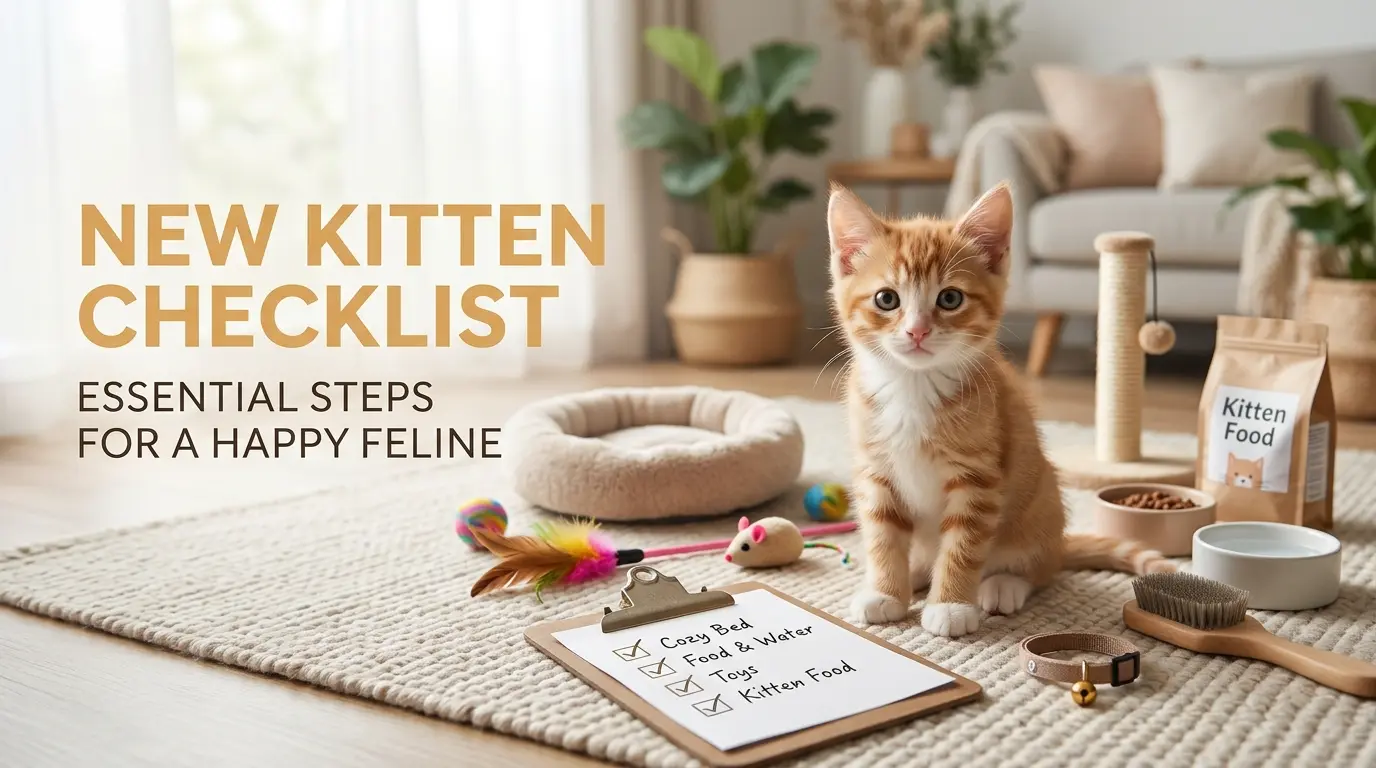
The secret to a smooth first week? Preparation. Bringing home a new kitten is exciting, but it can also be stressful if you’re not ready. Kittens are curious, playful, and sometimes a bit wild. If you want your new pet to feel safe, happy, and healthy, it’s important to plan ahead. The right kitten supply list makes a big difference. From food to grooming tools, let’s break down what you actually need—and what’s nice to have—so your first days together are easy and enjoyable.
Food And Feeding Supplies
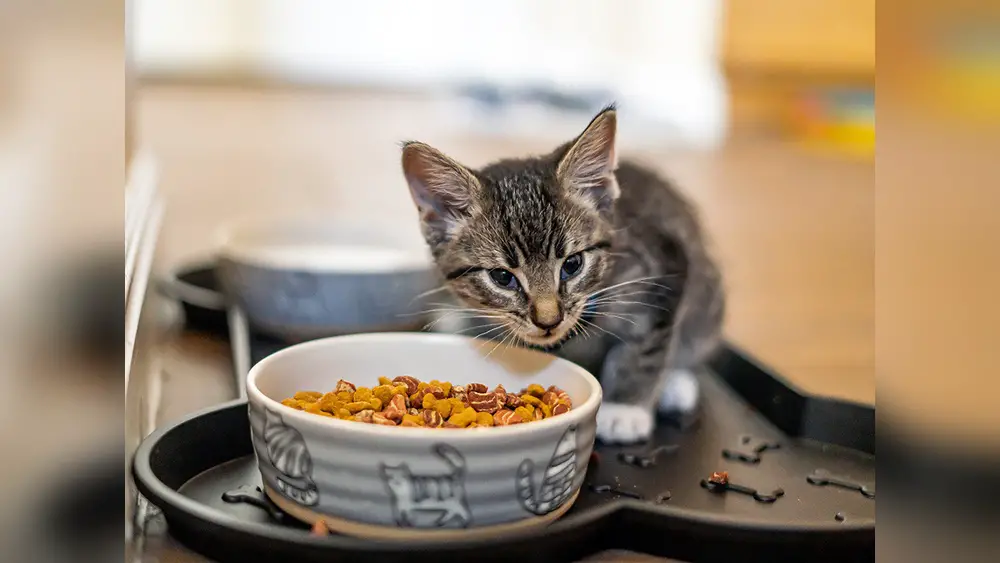
Kittens need food that matches their age and size. Look for kitten food—not adult cat food. It has more protein, fat, and nutrients for growing bodies. Wet food is easier for tiny mouths, but dry food is good for teeth.
You’ll need:
- Kitten food (check the label: “complete and balanced for kittens”)
- Water bowl (ceramic or stainless steel is best; plastic can hold bacteria)
- Food bowl (shallow, easy to clean)
- Measuring cup (for portion control)
Here’s a quick look at popular feeding options:
| Type | Benefits | Drawbacks |
|---|---|---|
| Wet food | Easy to eat, high moisture | More expensive, spoils fast |
| Dry food | Cheaper, cleans teeth | Less hydration, can be hard for young kittens |
| Mixed feeding | Balanced nutrition, variety | Need to monitor portions carefully |
Pro tip: Many new owners forget to introduce water early. Make sure your kitten always has access to fresh water.
Litter Box And Litter
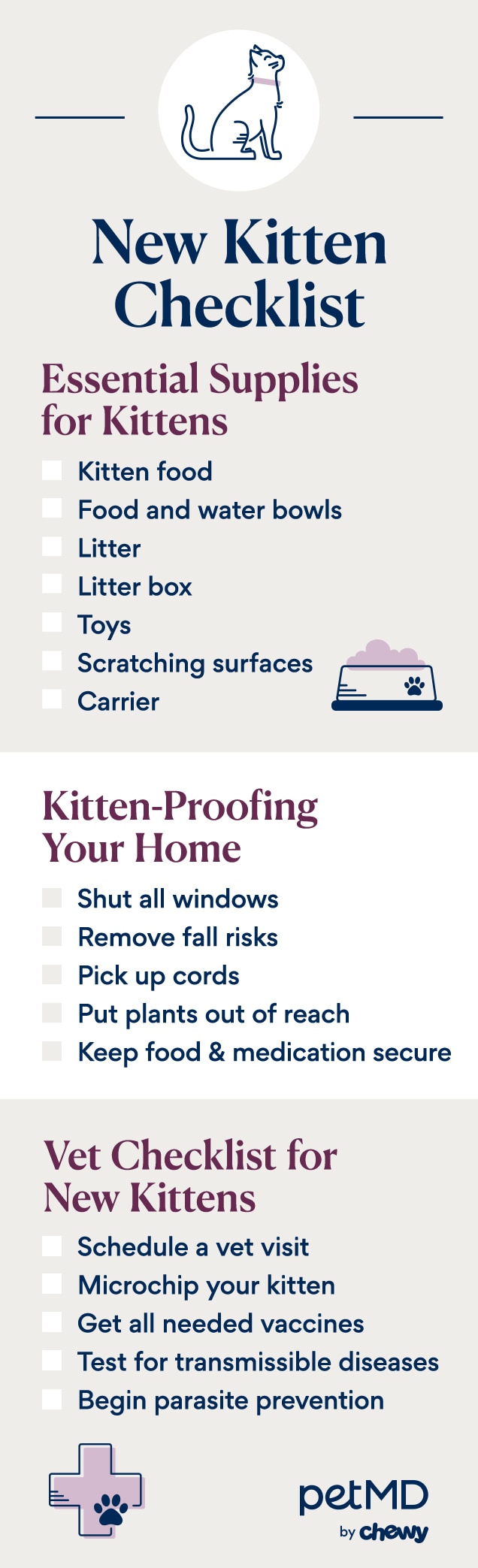
A litter box is essential. Choose one that’s low enough for your kitten to climb in. Avoid scented litter at first—many kittens dislike strong smells.
Your kitten shopping list should include:
- Litter box (simple, open style for young kittens)
- Unscented clumping litter
- Litter scoop
- Litter mat (keeps floors cleaner)
Compare litter box styles:
| Style | Ease of Use | Maintenance |
|---|---|---|
| Open | Easy for kittens, simple | Needs frequent cleaning |
| Covered | Reduces odor, privacy | Can be scary for small kittens |
| Self-cleaning | Less work | Expensive, not for very young kittens |
Non-obvious tip: Place the litter box away from food and sleeping areas. Kittens won’t use a box next to their bowls.
Credit: www.petmd.com
Bedding And Sleeping Area
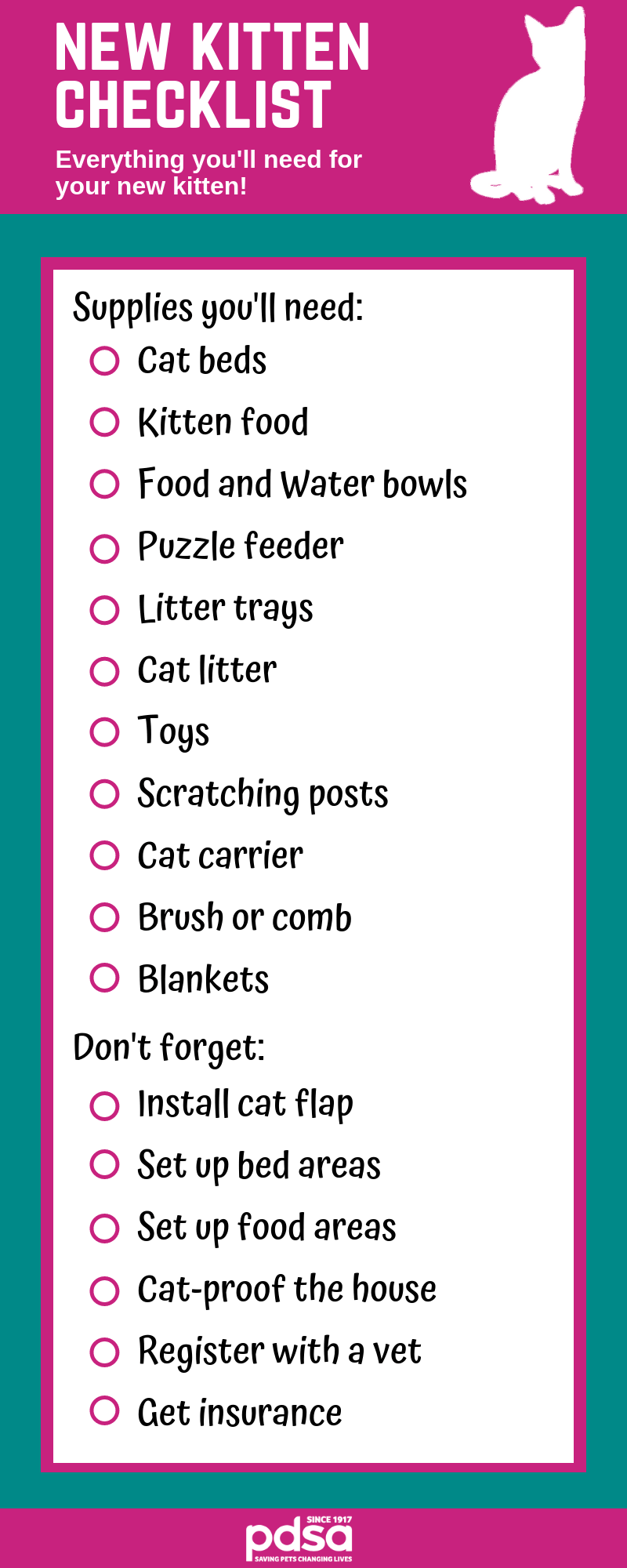
Kittens need a safe place to rest. A kitten bed should be soft, washable, and big enough for your kitten to stretch. Place it in a quiet spot.
What to buy before kitten arrives:
- Soft kitten bed
- Blanket or towel
- Safe hiding box (helps shy kittens feel secure)
Some kittens prefer cardboard boxes lined with a towel over fancy beds. Try both and see what your kitten likes best.
Toys And Enrichment
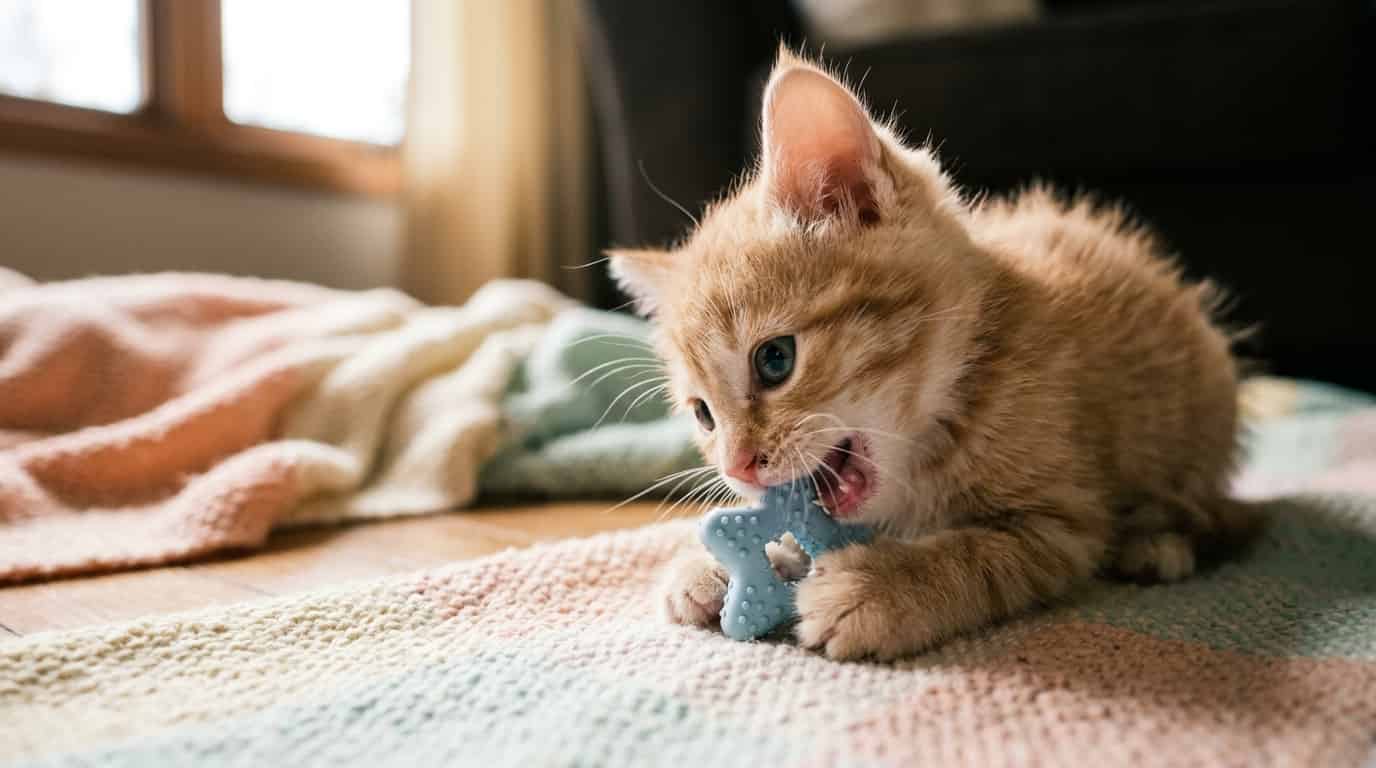
Play is important for a kitten’s development. Toys prevent boredom and bad behavior.
Essential toys:
- Wand toys (interactive play)
- Soft balls
- Scratching post (protects your furniture)
- Puzzle feeders (mental stimulation)
Kitten enrichment is more than just toys. Rotate them every few days for novelty. Avoid string or small parts that can be swallowed.

Credit: www.woofpurnayvet.com.au
Grooming Supplies
Even short-haired kittens need grooming. Start early so your kitten gets used to it.
Your kitten supply list should have:
- Brush (soft bristles for kittens)
- Nail clippers (cat-specific)
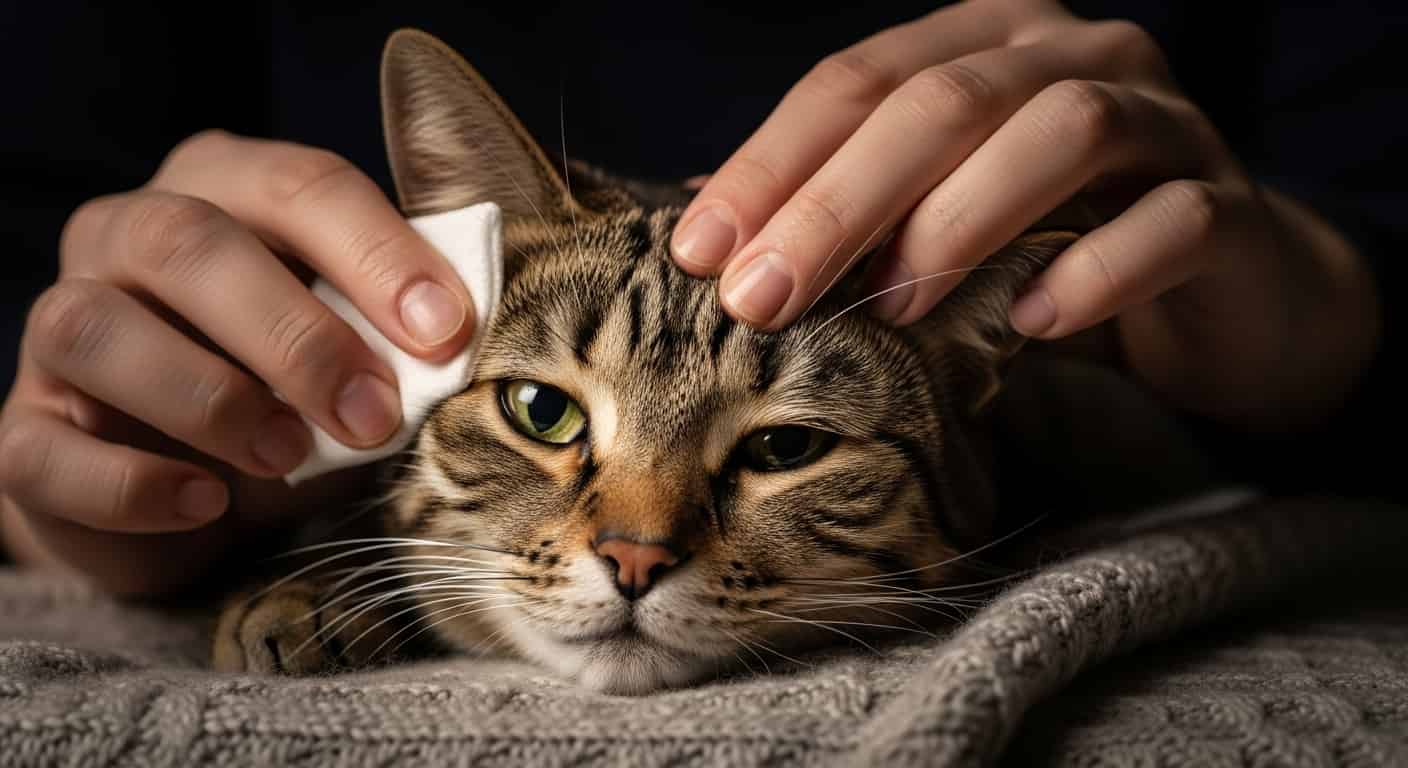
- Pet-safe wipes (for spot cleaning)
Grooming helps prevent hairballs and keeps nails safe. Many beginners skip nail trimming—don’t wait until your kitten scratches you.
Health And Safety Essentials
Preparation is key for health. First, find a vet and book your kitten’s first checkup. Also, buy a carrier for safe transport.
Must-haves:
- Carrier (hard-sided, secure)
- First aid kit (basic supplies)
- Health records folder
Some owners forget to keep vaccination papers and vet notes organized. This can cause problems later.
Kitten-proofing Checklist
Kittens explore everything. Before your kitten arrives, make your home safe:
- Hide electrical cords
- Remove toxic plants (like lilies)
- Store cleaning products out of reach
- Block small spaces (under couches or appliances)
- Keep small items (rubber bands, coins) off the floor
Here’s a comparison of common hazards:
| Hazard | Risk Level | Kitten-Proof Solution |
|---|---|---|
| Cords | High | Cord covers, tape to wall |
| Plants | Medium | Remove or place on high shelves |
| Small objects | Medium | Store in closed containers |
Many new kitten owners don’t realize how fast kittens can get into trouble. Double-check your rooms before bringing your kitten home.
Things To Book And Arrange Before Arrival
New kitten preparation isn’t just shopping—it’s planning. Book these before your kitten comes:
- Vet appointment (first checkup, vaccines)
- Pet insurance (optional, but useful)
- Microchipping (for safety)
- Register with local pet databases (if required)
You should also set up a feeding schedule and decide who will care for the kitten if you travel.
Credit: www.pdsa.org.uk
Nice To Haves (not Essential)
Some items are useful but not strictly necessary:
- Kitten harness and leash (for safe outdoor walks)
- Cat tree (for climbing)
- Feliway diffuser (calms anxious kittens)
- Automatic feeder
- Pet camera (watch your kitten when you’re out)
These extras can make life easier, but focus on essentials first.
Printable Checklist Cta + Email Opt-in
Want a printable kitten shopping list? Sign up for our email updates and download your free checklist. Get tips, reminders, and guides for your new kitten—straight to your inbox.
Frequently Asked Questions
What Do I Need For A New Kitten?
You’ll need kitten food, water and food bowls, a litter box, bedding, toys, grooming supplies, a carrier, and health essentials. Also, kitten-proof your home and book a vet appointment.
How Do I Kitten-proof My Home?
Hide cords, remove toxic plants, block small spaces, and keep small items out of reach. Secure cleaning products and check every room for hazards.
What Type Of Litter Box Is Best For Kittens?
An open, low-sided litter box is easiest for young kittens. Avoid covered or self-cleaning boxes until your kitten is older and confident.
When Should I Book A Vet Appointment?
Book your first vet visit before your kitten arrives, or within a few days after. Early checkups help catch health issues and set up vaccines.
Are Scratching Posts Necessary?
Yes. Scratching posts protect furniture and give kittens a safe way to stretch and play. Place one near your kitten’s favorite spot.
Preparing for a new kitten takes time, but it pays off. A little planning prevents stress and helps your kitten settle in quickly. For more in-depth tips on kitten care, visit ASPCA Kitten Care.
Your journey starts with the right supplies, a safe home, and a loving welcome.
**As an Amazon Associate, I earn from qualifying purchases.**