Why how you hold a kitten matters for their safety and trust
Holding a kitten may look easy, but doing it right is crucial for their health and emotional well-being. Kittens are delicate creatures with small bones and sensitive bodies. If you pick them up carelessly, you can hurt them or make them fearful. The correct way to hold a kitten helps them feel safe, builds trust, and prevents injuries. Many owners do not realize that improper handling can lead to stress, scratching, or even long-term anxiety. Understanding safe kitten handling is the first step to raising a happy, confident cat.
Step-by-step Instructions For Picking Up And Holding A Kitten
Before you touch a kitten, make sure your hands are clean. Move slowly so you don’t startle them. Here’s how to pick up a kitten safely:
- Approach the kitten calmly. Speak softly and let them sniff your hand.
- Place one hand under their chest, just behind their front legs.
- Use your other hand to support hindquarters and back legs.
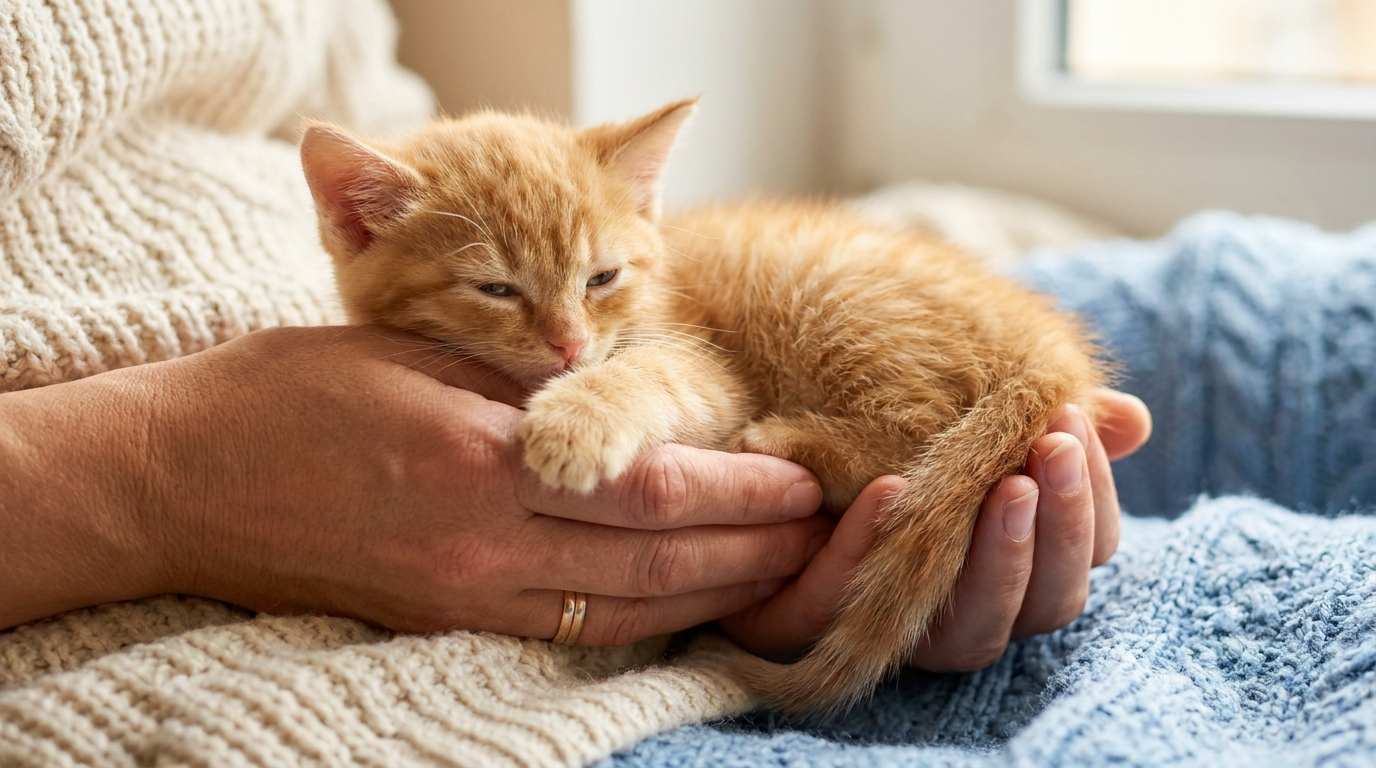
- Lift gently, keeping the kitten’s body close to yours for comfort.
- Hold the kitten securely but not too tightly. Make sure they feel supported from underneath.
If the kitten squirms, stay calm. Often, they just need more support. Never grab them by the scruff unless you are trained and it’s necessary for medical reasons.
How To Support A Kitten’s Body Correctly
Kittens need full body support to feel safe. Their muscles are not strong yet, so improper support can cause pain. Here’s what you should focus on:
- Keep one hand under the chest to avoid pressure on the throat.
- The other hand must always support the hindquarters. This prevents strain on the spine.
- Hold the kitten close to your body. This gives warmth and security.
- Use gentle, steady movements. Sudden shifts can make a kitten anxious or cause them to jump.
Compare proper and improper support in this table:
| Support Type | What Happens | Kitten Reaction |
|---|---|---|
| Full chest + hindquarters | Weight evenly balanced | Relaxed, calm |
| Front legs only | Back legs dangle, spine stressed | Squirming, fearful |
| By the scruff | Neck pressure, no body support | Distressed, defensive |
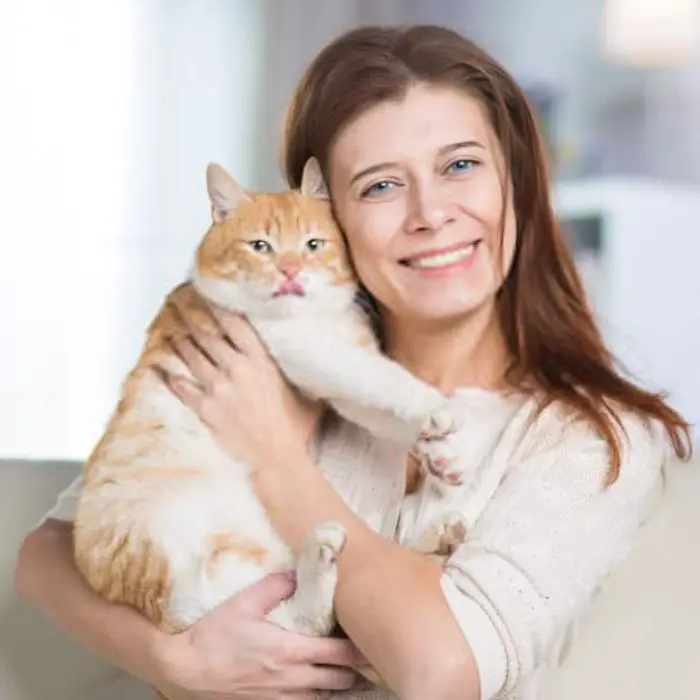
Many beginners miss that kittens need their back legs supported at all times. Not doing so can cause muscle or joint issues as they grow.

Credit: www.rover.com
How To Teach Children To Hold Kittens
Kids often love kittens but may not know how children should hold kittens safely. Teaching them proper technique protects both the kitten and the child from scratches or bites. Here’s how to guide kids:
- Show children the correct hand positions—under the chest and supporting the back legs.
- Explain why gentle, slow movements matter.
- Remind them not to squeeze or hug too tightly.
- Supervise every interaction until the child understands.
- Encourage sitting down when holding a kitten. This reduces the risk of dropping.
Here is a comparison of common child handling scenarios:
| Child Action | Kitten Safety | Possible Outcome |
|---|---|---|
| Proper hold (sitting, two hands) | High | Kitten relaxed, safe |
| Standing, one hand | Low | Kitten may fall, scared |
| Hugging tightly | Medium | Kitten stressed, possible scratch |
Supervision is key. Children often forget not to squeeze or run while holding a kitten, so adults must watch every interaction.
What Not To Do — Common Mistakes
Even experienced pet owners make errors when handling kittens. Avoid these mistakes to keep your kitten safe:
- Never pick up by the scruff unless absolutely necessary.
- Don’t let their back legs hang unsupported.
- Avoid holding too tightly; this can hurt or scare the kitten.
- Do not lift or carry kittens by their tail or legs.
- Never swing or toss a kitten, even in play.
- Don’t force a kitten to stay still if they want to get down.
Many people think scruffing is safe because mother cats do it. But adult cats’ scruffing is different and should not be copied by humans unless for emergency restraint. Kittens can also scratch if held incorrectly, so always watch for signs of discomfort.

Credit: www.rover.com
How To Build A Kitten’s Confidence With Handling
A confident kitten is easier to handle and less likely to scratch or bite. Here’s how you can build their trust:
- Start with short, gentle handling sessions.
- Use treats or toys to reward calm behavior.
- Handle kittens daily, but not for too long—5 to 10 minutes is enough.
- Let them explore your hands and arms at their own pace.
- Avoid loud noises or sudden moves during handling.
- If the kitten squirms, gently put them down and try again later.
Over time, positive handling builds trust. Some kittens take longer to feel comfortable, especially if they are shy or have had bad experiences. Patience and regular practice matter more than speed.
Frequently Asked Questions
How Often Should I Handle My Kitten?
It’s best to handle your kitten for short periods daily. Around 5–10 minutes at a time helps them adjust without causing stress. Too much handling can overwhelm them, especially in the first few weeks.
Is Scruffing A Kitten Ever Okay?
Scruffing is not recommended for regular handling. It can cause pain and stress. Only trained professionals should use scruffing, and only for medical or emergency situations. Support the kitten’s body instead.
What If My Kitten Squirms Or Scratches When Held?
If your kitten squirms, check your kitten body support. They may feel unsafe. Put them down gently, then try again later. If they scratch, do not punish them. Instead, review your handling technique and ensure you are not squeezing or startling them.
How Can I Help My Kitten Enjoy Being Held?
Use gentle handling, rewards, and patience. Allow your kitten to approach you and choose when to be picked up. Over time, most kittens learn to enjoy being held if you follow safe handling steps.
Are There Differences In How To Pick Up Older Cats Vs. Kittens?
Yes. Older cats are heavier and need more support, especially under the chest and back legs. Kittens are lighter but more fragile. Both need calm handling, but kittens require extra care to avoid injury.
Caring for a kitten means more than just feeding and playing—it’s also about safe and loving handling. The correct way to hold a kitten helps them trust you and prevents injuries. Remember to support their body, teach children carefully, and avoid common mistakes. If you need more detailed advice, visit ASPCA Cat Care for expert guidance. With careful handling, your kitten will grow into a confident, happy cat.

Credit: www.alanastevenson.com
**As an Amazon Associate, I earn from qualifying purchases.**