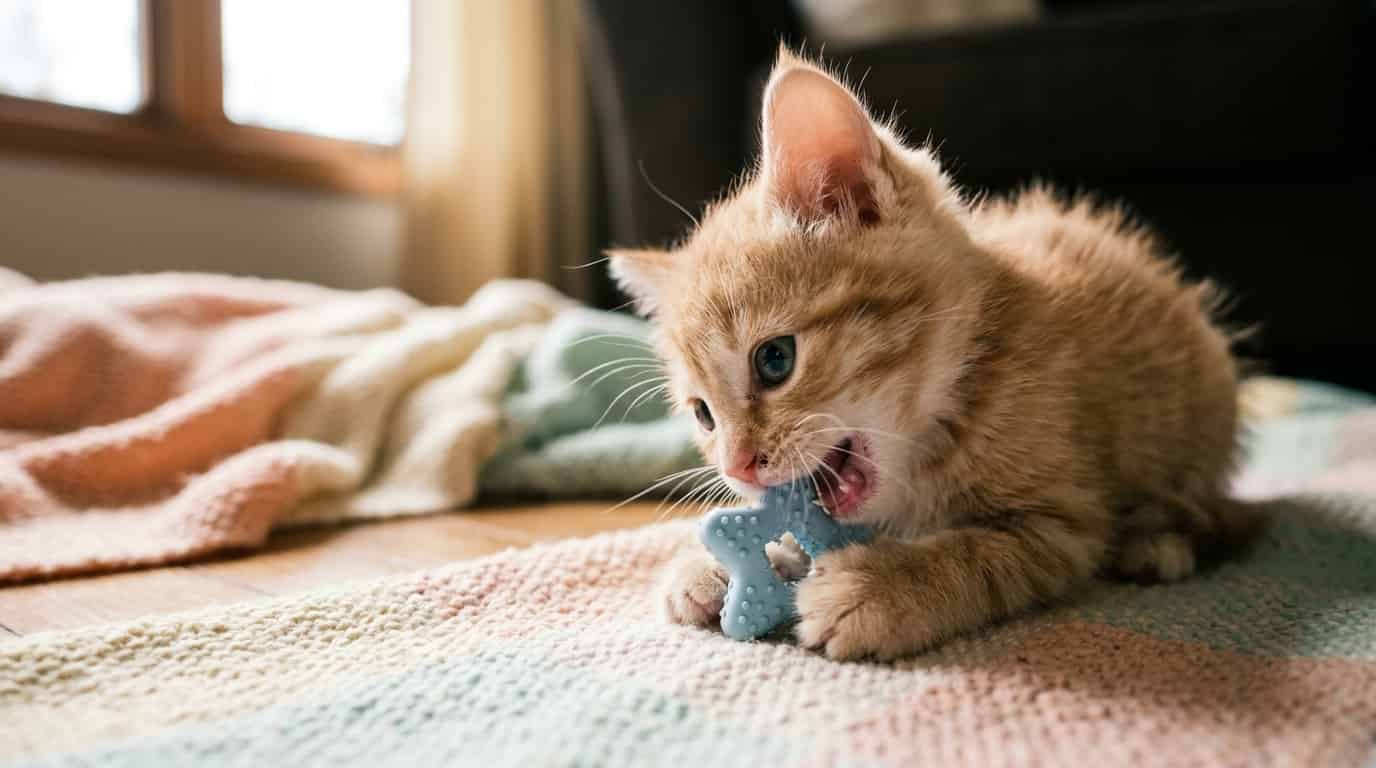
Kittens teethe just like babies — here’s what it looks like
Watching your kitten grow is exciting, but teething can be confusing and stressful for both of you. Just as human babies lose their first teeth and grow new ones, kittens go through a similar process. Teething affects their behavior, appetite, and comfort. Understanding kitten teething symptoms and knowing how to help will make this stage easier for you and your furry friend.
When Do Kittens Start Teething?
Most kittens start teething at around 2-3 weeks old when their first set of teeth, called deciduous teeth or baby teeth, begin to emerge. By the time they are 8 weeks old, all 26 baby teeth are usually in place. The real teething trouble starts when kittens are 3-4 months old — this is when they begin to lose their baby teeth and grow adult teeth.
Here’s a quick breakdown of kitten teething ages:
| Kitten Age | Teething Stage |
|---|---|
| 2-3 weeks | Baby teeth start coming in |
| 6-8 weeks | All baby teeth present |
| 3-4 months | Baby teeth begin to fall out |
| 6-7 months | All adult teeth finished growing |
Most kittens finish teething by 6-7 months. Some may take a little longer, but teething rarely goes beyond eight months.
Common Kitten Teething Symptoms
Knowing the signs of kitten teething helps you spot trouble early. Some symptoms are obvious, while others are easy to miss.
- Increased biting and chewing: Your kitten may chew on toys, fingers, or household items. This helps relieve pressure in their gums.
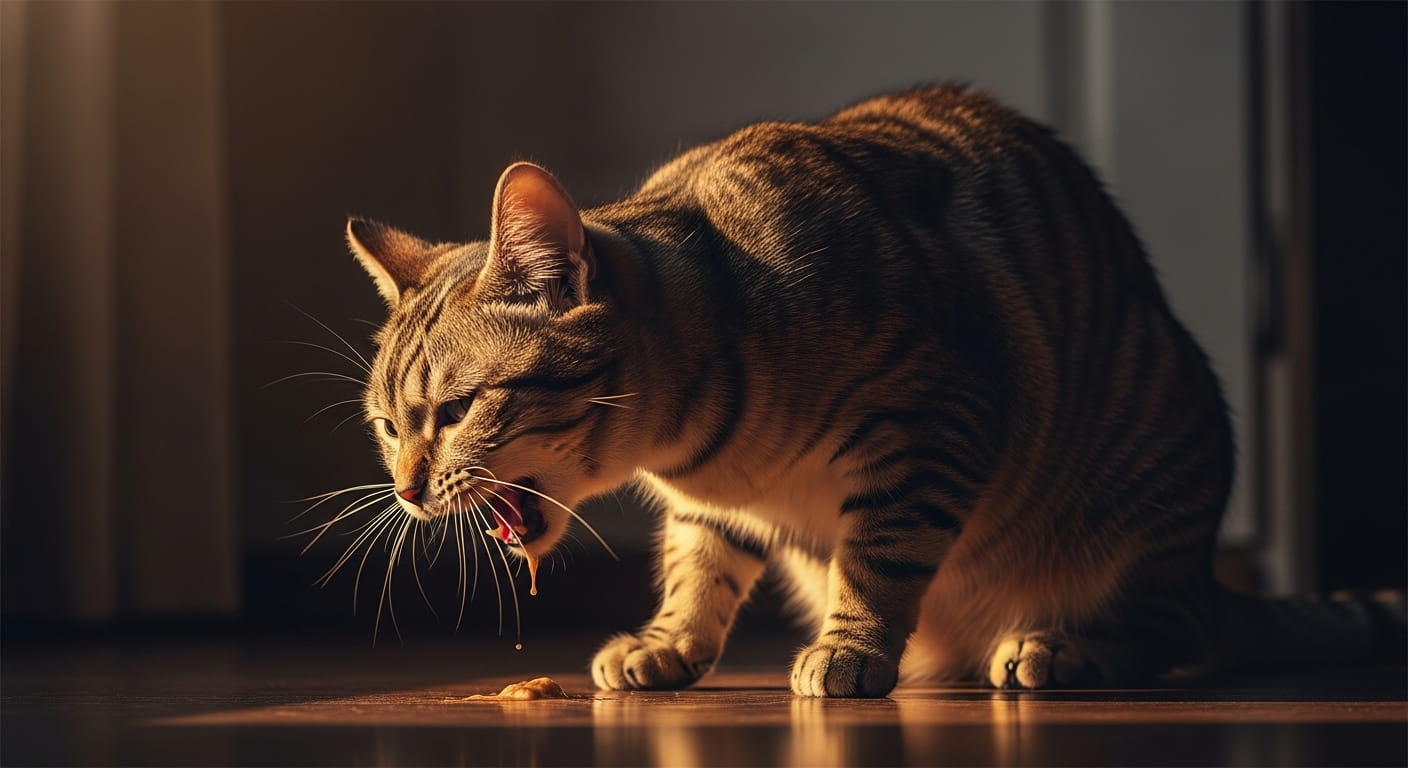
- Drooling: A drooling kitten is common during teething, especially if their gums are sore.
- Sore gums: You might notice red, swollen gums or your kitten pawing at their mouth.
- Loss of appetite: Sore gums can make eating uncomfortable, so kittens may eat less or be picky about food.
- Irritability: Some kittens become cranky or restless due to discomfort.
- Bleeding gums: Minor bleeding can happen as baby teeth fall out.
- Bad breath: Mild bad breath is normal as teeth shift, but strong odor may signal infection.
Less obvious symptoms include avoiding dry food or playing less. In rare cases, kittens may develop mild fevers.

Credit: companionpetstn.com
What To Expect As Kitten Teeth Fall Out
When kitten losing baby teeth begins, you may see tiny teeth on the floor, in their bedding, or even in their food bowl. It’s common for kittens to swallow their baby teeth, so don’t worry if you never find them.
Here’s how teething usually progresses:
| Teething Event | What Happens |
|---|---|
| Baby teeth loosen | Kitten may chew more to help teeth fall out |
| Teeth fall out | Sometimes visible, often swallowed |
| Gums heal | Redness and soreness fade after a few days |
| Adult teeth grow | Kitten may continue chewing and biting |
Most kittens handle teething without problems, but sometimes a tooth may not fall out when it should. This is called retained deciduous teeth and can lead to crowding or infection.
How To Soothe A Teething Kitten
Teething can make kittens uncomfortable. Here are some ways to help your kitten feel better:
- Offer soft food if chewing seems painful. Wet or moistened kibble is easier for sore gums.
- Provide safe teething toys kitten can chew. Rubber or silicone toys work well.
- Gently massage your kitten’s gums with a clean finger. This can reduce soreness.
- Keep dangerous items out of reach. Kittens may chew shoes, wires, or furniture.
- Use cold toys. Chilling teething toys in the fridge can relieve pain.
Avoid giving human teething gels or medicines. These can be toxic to cats.
Practical Tips
Don’t punish your kitten for biting or chewing. Redirect them to safe toys. If your kitten stops eating or seems very uncomfortable, offer food with a strong smell, like tuna or chicken, to encourage eating.

Credit: www.monroeveterinaryclinic.com
Best Teething Toys For Kittens
Choosing the right teething toys for kittens makes a big difference. Not all toys are safe or helpful.
Here’s a comparison of popular teething toys:
| Teething Toy Type | Benefits | Risks |
|---|---|---|
| Soft rubber toys | Gentle on gums, easy to clean | Can break if chewed too hard |
| Silicone chew sticks | Durable, soothing when cold | Need supervision to avoid swallowing pieces |
| Rope toys | Good for tugging, encourages play | Fraying ropes can cause choking |
| Catnip toys | Promotes play, distracts from discomfort | Some kittens don’t react to catnip |
Always choose toys made for kittens. Avoid toys with small parts or loose threads. Check toys often for wear and tear.
When To See A Vet About Kitten Teeth
Most kittens handle teething well, but some problems need a vet’s attention:
- Retained baby teeth: If a baby tooth doesn’t fall out when the adult tooth comes in, it can cause pain or crooked teeth.
- Excessive bleeding: A little blood is normal, but lots of bleeding or persistent sores are not.
- Strong bad breath: Mild odor is common, but very strong smell can mean infection.
- Swelling or pus: These are signs of gum disease or abscess.
- Kitten stops eating: If your kitten refuses food for more than a day, see a vet.
A vet can check your kitten’s mouth and take X-rays if needed. Early care prevents long-term dental issues.
For more about kitten dental health, see the ASPCA kitten care guide.

Credit: www.youtube.com
Frequently Asked Questions
How Long Does Kitten Teething Last?
Kitten teething lasts from about 3 months to 7 months of age. Most kittens finish teething by 6-7 months, though some may take a bit longer.
What Are The Signs Of Kitten Teething?
Common signs include chewing everything, drooling, sore gums, biting, irritability, and sometimes mild bleeding in the gums.
Is It Normal For My Kitten To Lose Teeth?
Yes, kitten losing baby teeth is completely normal. Most kittens swallow the teeth, so you may not see them.
Can Teething Cause My Kitten To Stop Eating?
Teething can make eating uncomfortable. If your kitten stops eating for more than 24 hours or refuses food entirely, contact your vet.
What Can I Give My Kitten To Help With Teething Pain?
Safe teething toys for kittens like rubber or silicone chew toys, chilled in the fridge, can help. Soft food and gentle gum massage are also helpful.
Growing up is a big adventure for kittens, and teething is just one step. By knowing what to expect and how to help, you make your kitten’s life easier and healthier. Watch for symptoms, offer the right toys and food, and don’t hesitate to ask your vet for advice.
With your support, your kitten will soon have a bright, strong smile.
**As an Amazon Associate, I earn from qualifying purchases.**