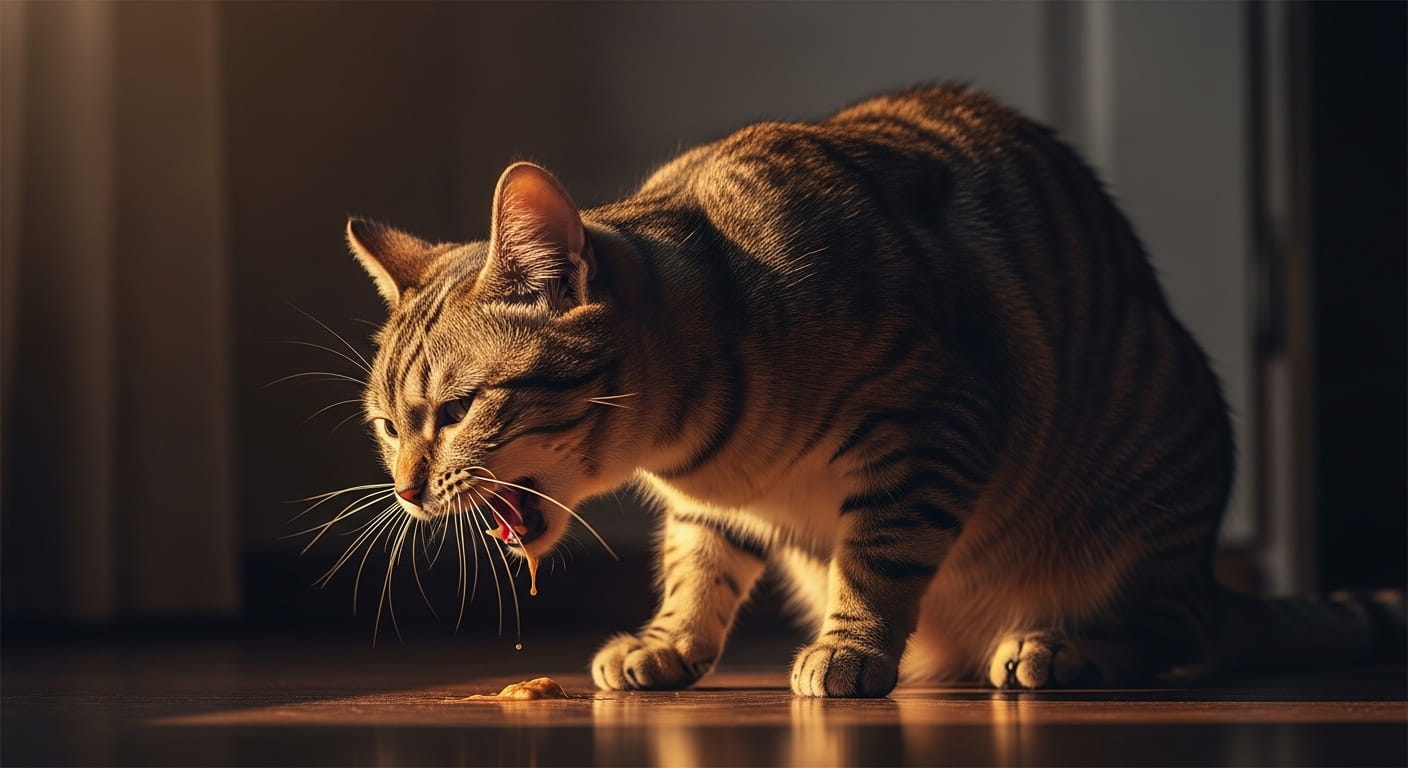
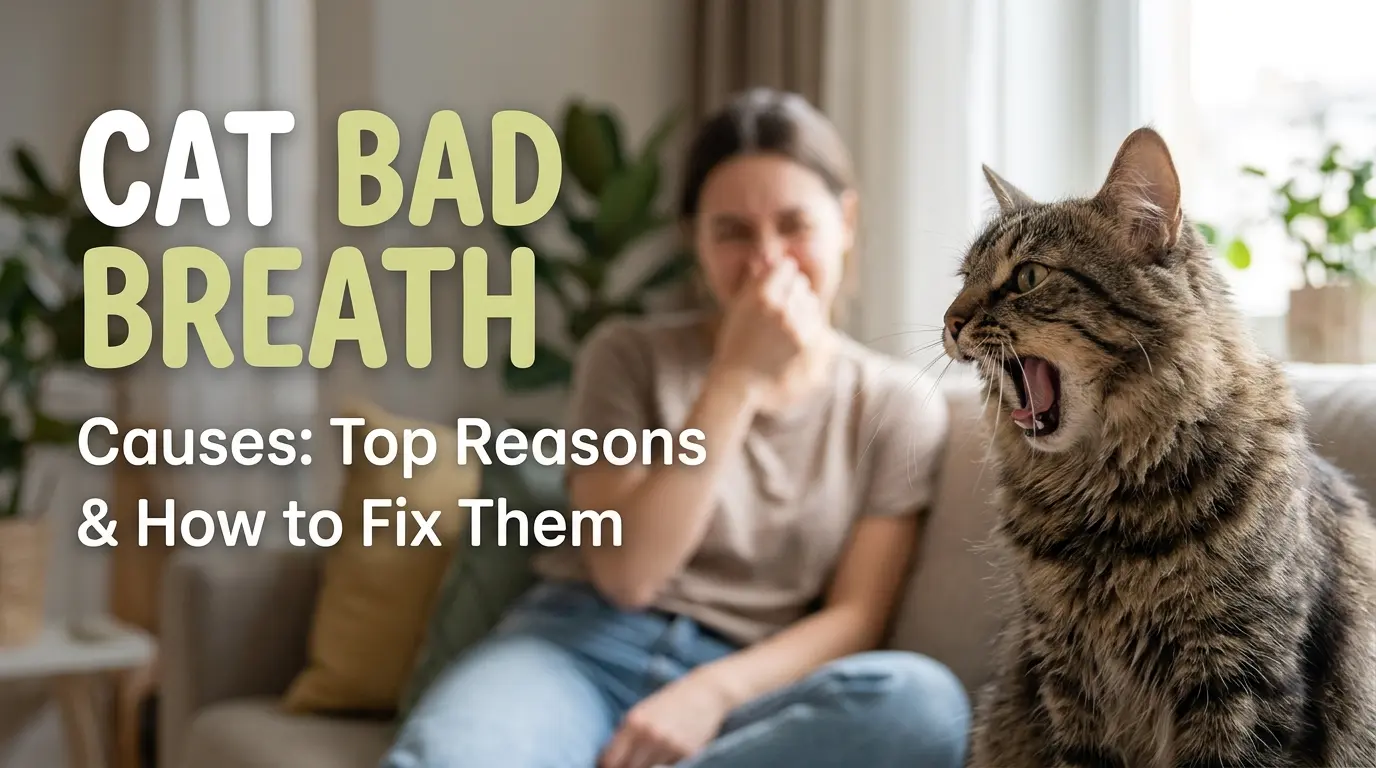
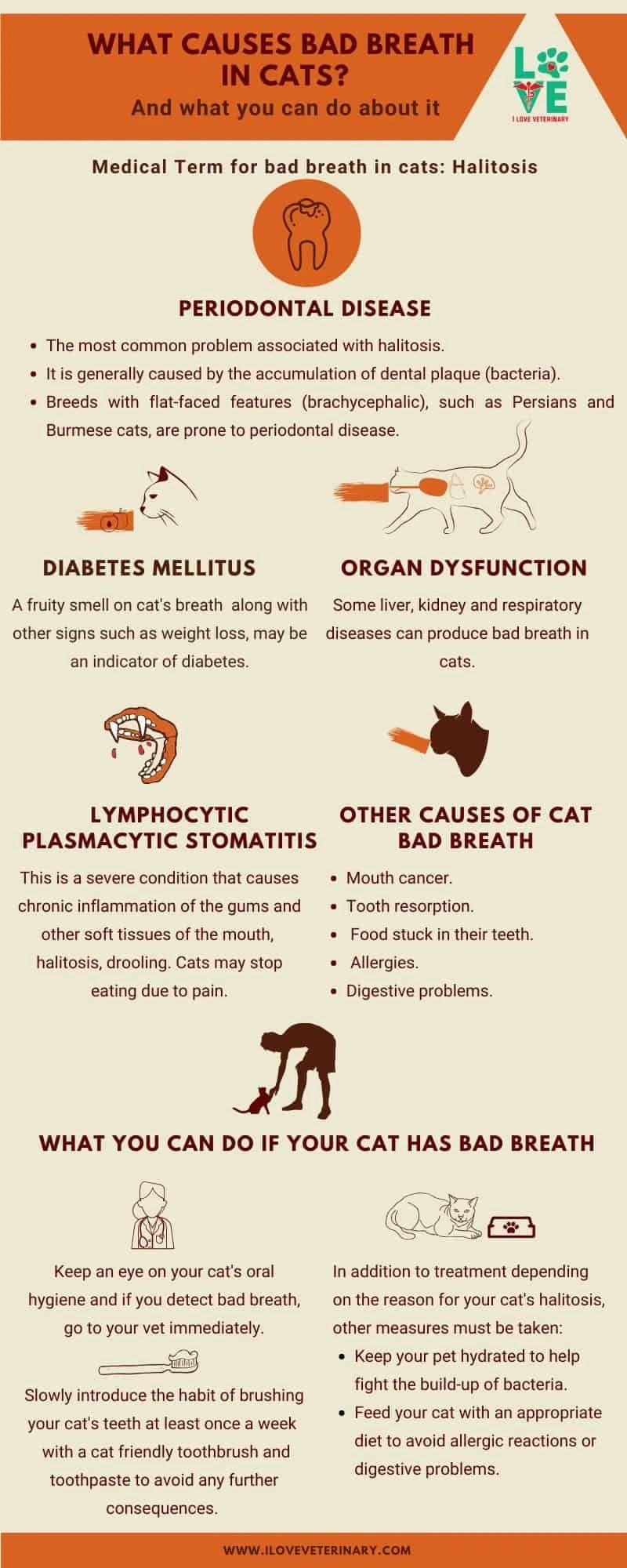
Cat breath should not be offensive. If you notice cat smelly breath, it’s a sign something is wrong. Some odors signal minor issues, but others mean your cat needs urgent care. Understanding what different smells mean can help you protect your cat’s health. Let’s explore the main causes of cat halitosis and what to do about them.
Dental Disease — The Most Common Cause
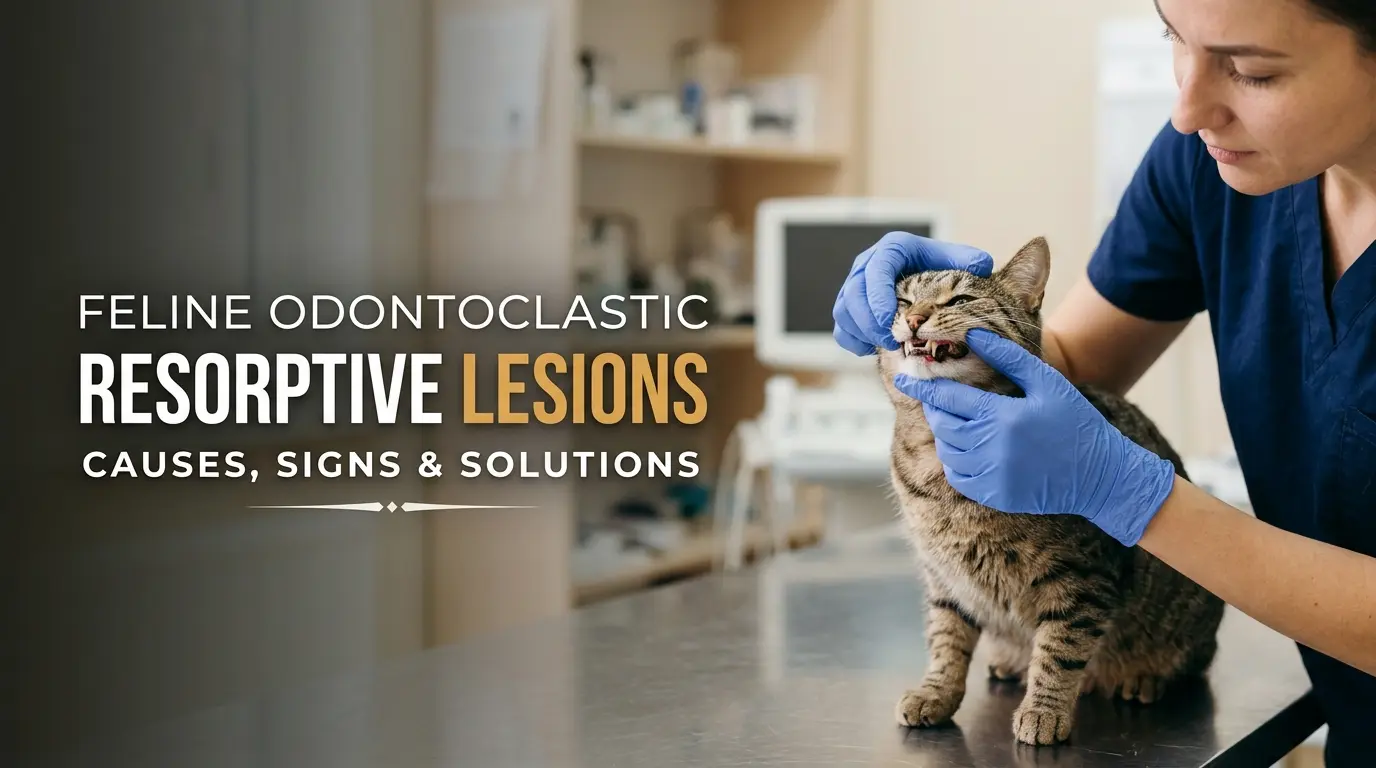
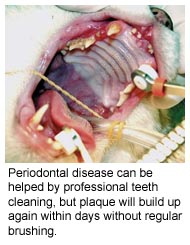
Most cases of cat bad breath come from dental problems. Plaque and tartar build up on teeth, leading to dental disease bad breath. Bacteria multiply, causing inflammation called gingivitis. If untreated, this becomes periodontitis, which damages gums and teeth.
Dental disease is extremely common in cats. Studies show more than 70% of cats over age three have some form of dental issue. Signs include:
- Red gums
- Visible tartar
- Drooling
- Difficulty eating
Cats with severe dental disease often have a strong, sour smell from their mouth. Early cleaning and dental checks are vital. Regular brushing and dental treats can help prevent problems.
| Dental Problem | Odor Type | Severity |
|---|---|---|
| Gingivitis | Moderate, sour | Mild to moderate |
| Periodontitis | Strong, rotten | Severe |
| Stomatitis | Fetid, intense | Severe |
Fishy Or Food-related Bad Breath
A cat fishy breath cause is often linked to their diet. Canned fish-based foods, treats, or certain proteins can leave lingering odors. Sometimes, pieces of food get stuck between teeth, causing food-related bad breath cats.
If your cat’s breath smells like fish, but they seem healthy otherwise, try changing their food. Keep in mind, fishy breath shouldn’t be overwhelming or last too long. If it does, there could be an underlying dental or digestive issue.
Credit: goodgroundanimalhospital.com
Ammonia Or Urine Smell — Kidney Disease Warning
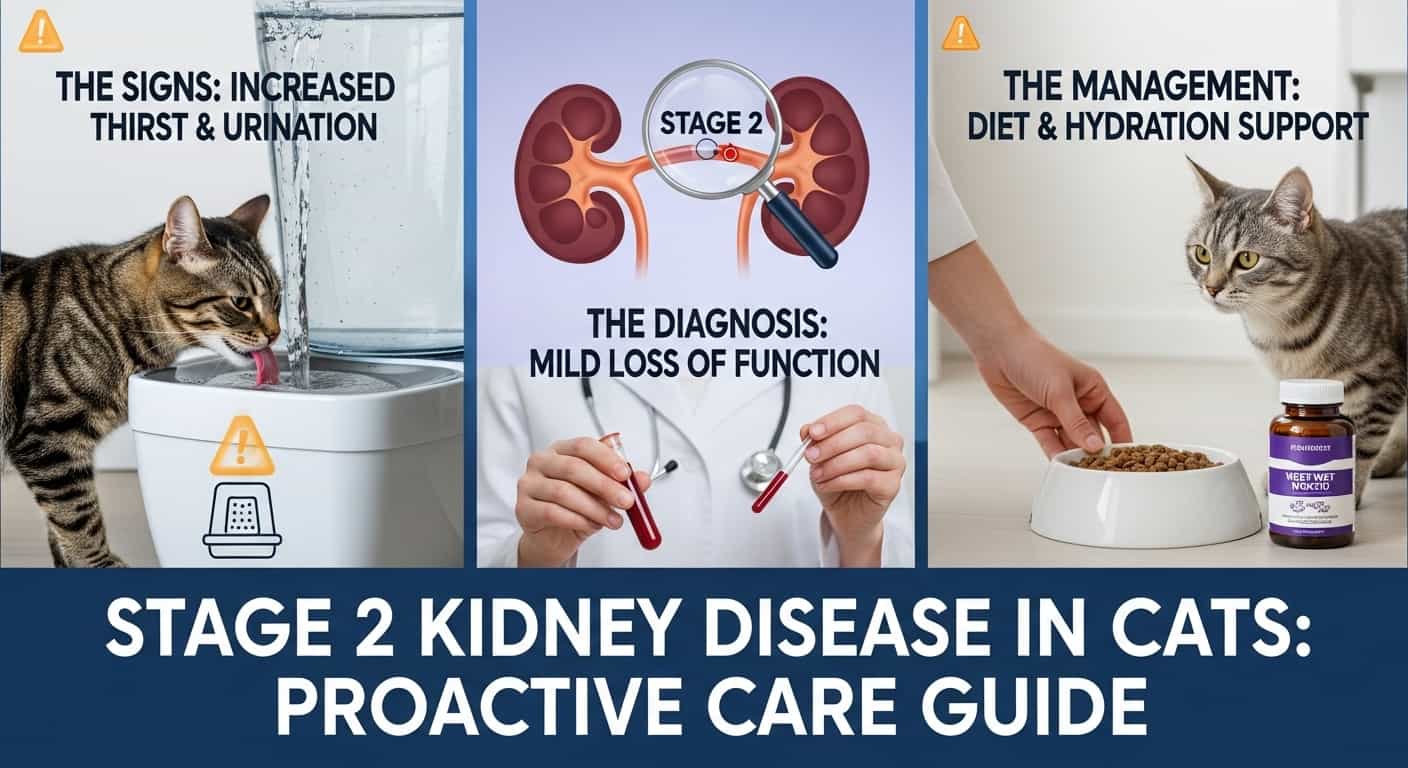
If your cat breath smells like ammonia, it’s a red flag. This odor is often caused by kidney failure ammonia smell. When the kidneys don’t filter waste, toxins build up and come out in the breath.
Kidney disease is common in older cats. Other signs include:
- Increased thirst
- Frequent urination
- Weight loss
- Poor coat condition
This ammonia smell means your cat needs a vet check soon. Blood tests can confirm kidney problems. Early treatment can slow disease and improve quality of life.
| Symptom | Possible Cause | Action Needed |
|---|---|---|
| Ammonia breath | Kidney failure | Vet visit urgently |
| Sweet breath | Diabetes | Vet visit soon |
| Rotten breath | Dental/infection | Dental exam |
Sweet Or Fruity Breath — Diabetes
A sweet or fruity odor from your cat’s mouth can signal diabetes. This happens when blood sugar is high, and the body produces ketones. You may hear this called diabetes sweet breath cats.
Diabetes is more common in overweight cats. Other symptoms include:
- Increased drinking and urination
- Weight loss despite eating
- Lethargy
Sweet breath is not normal. If you notice this, especially with other signs, see your vet as soon as possible.
Rotten Or Fetid Smell — Infection Or Stomatitis
A rotten or fetid smell often means infection. Severe cases are linked to stomatitis odour. Stomatitis is a painful inflammation of the mouth and gums. It can cause ulcers, heavy drooling, and refusal to eat.
This type of bad breath is intense and may be mixed with blood or pus. Stomatitis needs urgent veterinary care, and sometimes teeth removal is needed for relief.
Mouth Ulcers And Sores
Ulcers in mouth smell bad, often metallic or rotten. Causes include viral infections (like calicivirus), trauma, or immune diseases. Ulcers make eating painful, and the odor comes from tissue breakdown.
Look for:
- Red or white sores
- Bleeding
- Drooling
- Behavior changes
Cats with mouth ulcers often stop grooming or eating. These symptoms need a vet’s attention.
Credit: www.vet.cornell.edu
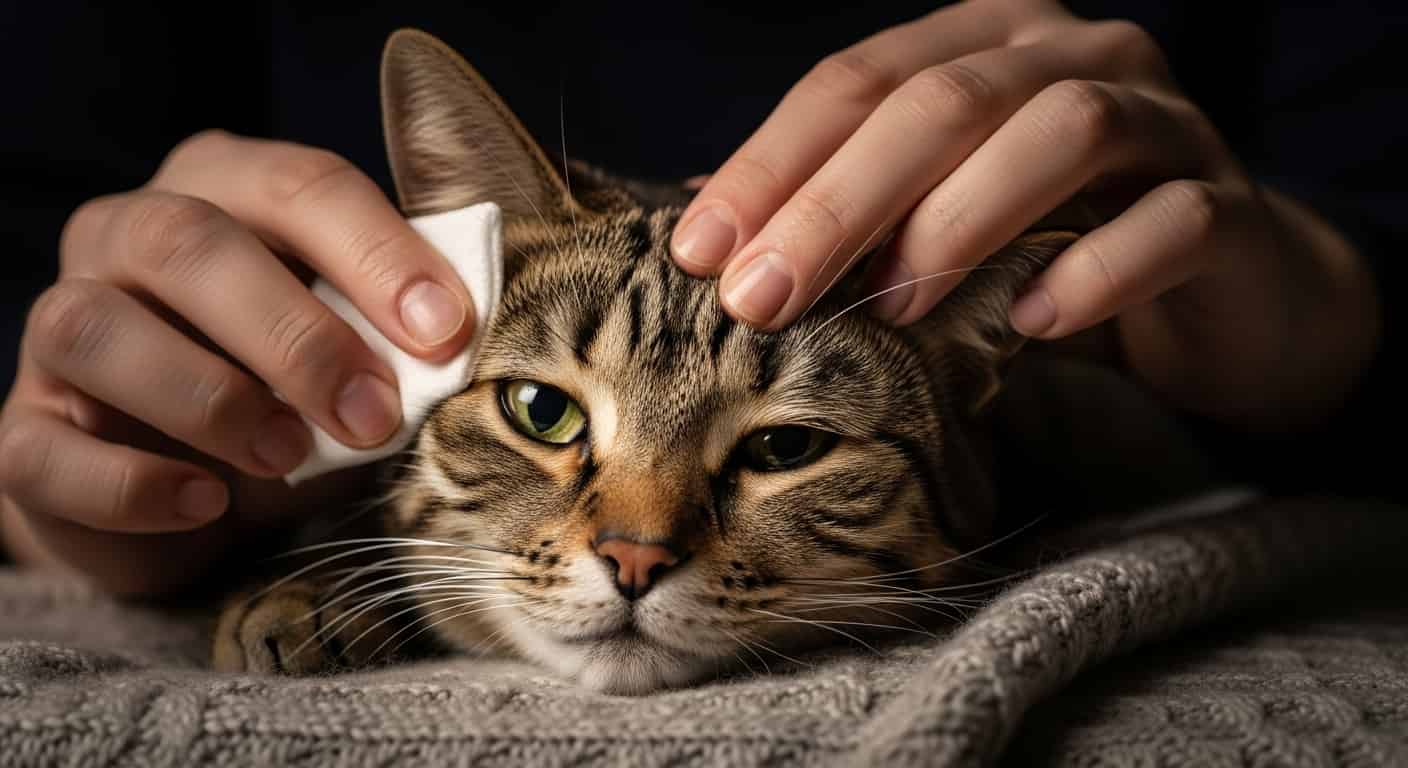
How To Check For The Cause Of Bad Breath At Home
You can spot clues by gently examining your cat’s mouth. Look for:
- Red gums
- Swelling
- Broken or loose teeth
- Sores or ulcers
- Stuck food
Pay attention to the smell. Is it sour, fishy, sweet, or ammonia-like? Make notes before seeing your vet. Never force your cat’s mouth open if they resist — you could get bitten or hurt your cat.
A useful tip: Try sniffing your cat’s breath after they eat, and again after a few hours. If the smell gets stronger with time, it’s more likely a health issue than food.
When Bad Breath Is A Vet Emergency
Some odors mean you should call your vet right away:
- Ammonia or urine smell
- Sweet or fruity breath
- Rotten, intense odor with bleeding
- Severe drooling or trouble eating
- Sudden changes in breath
These can signal kidney failure, diabetes, or serious infection. Don’t wait for symptoms to get worse.
| Odor | Urgency | Possible Cause |
|---|---|---|
| Ammonia | Emergency | Kidney disease |
| Sweet/fruity | Urgent | Diabetes |
| Rotten/fetid | Urgent | Severe infection |
How To Freshen Cat Breath At Home
If your vet rules out serious causes, you can help freshen your cat’s breath:
- Brush their teeth with a cat-safe toothpaste.
- Offer dental treats designed to reduce plaque.
- Change their diet if fishy breath is a problem.
- Provide clean water and encourage drinking.
- Schedule regular dental checks.
Never use human toothpaste or mouthwash for cats — these can be toxic.
A tip many miss: Some cats need help with grooming. If your cat’s coat is greasy or dirty, it can worsen mouth smells. Regular brushing can make a difference.
For more tips on feline health, check ASPCA Cat Care Basics.
Frequently Asked Questions
Why Does My Cat Have Bad Breath Suddenly?
Sudden bad breath can mean dental disease, infection, or a medical emergency like kidney or diabetes issues. Check for other symptoms and see your vet if the smell is strong or unusual.
What Does It Mean If My Cat Breath Smells Like Ammonia?
An ammonia smell often means kidney disease. This is common in older cats and needs quick vet attention.
Can Food Cause Cat Smelly Breath?
Yes, some foods (especially fish-based) can cause mild bad breath. If the odor is strong or lasts more than a day, check for dental or digestive problems.
Is Bad Breath In Cats Always A Sign Of Illness?
Not always, but persistent or strong odors usually mean something is wrong. Brief, mild smells after eating are normal. Lasting or severe smells need a checkup.
How Can I Prevent Bad Breath In My Cat?
Brush their teeth regularly, offer dental treats, and keep their mouth clean. Annual dental exams help catch problems early.
Bad breath in cats is not normal. Each odor tells a story. Recognizing the signs early can save your cat from pain and serious illness. Keep an eye — and nose — on your cat’s breath, and don’t hesitate to ask your vet for advice.
A healthy mouth means a happier cat.

Credit: www.oxyfresh.com
**As an Amazon Associate, I earn from qualifying purchases.**