The gift of comfort — what home hospice care means for your cat
Saying goodbye to a beloved cat is never easy. Many cat owners want to give their pets the gift of comfort in their final days. Choosing cat hospice care at home is a way to keep your cat surrounded by love and familiar things, instead of the stress of frequent vet visits. This approach, also called palliative care for cats, focuses on comfort, not cure. It’s about easing pain, relieving distress, and making sure your cat’s last days are as peaceful as possible.
Home care for a terminal cat isn’t just about medicine. It’s about creating an environment where your cat feels safe, loved, and free from suffering. While it’s natural to worry about “doing things right,” remember: your presence and gentle care matter more than perfection. In this guide, you’ll learn how to set up a comfortable space, manage pain, keep your cat nourished, and provide emotional support. You’ll also find guidance on tough decisions, caring for yourself, and knowing when to seek more help.
Setting Up A Comfortable End-of-life Space
A peaceful, cozy space is the foundation of end stage cat care at home. This space should be easy for your cat to access and filled with things she loves. Small changes can make a big difference in your cat’s comfort and quality of life.
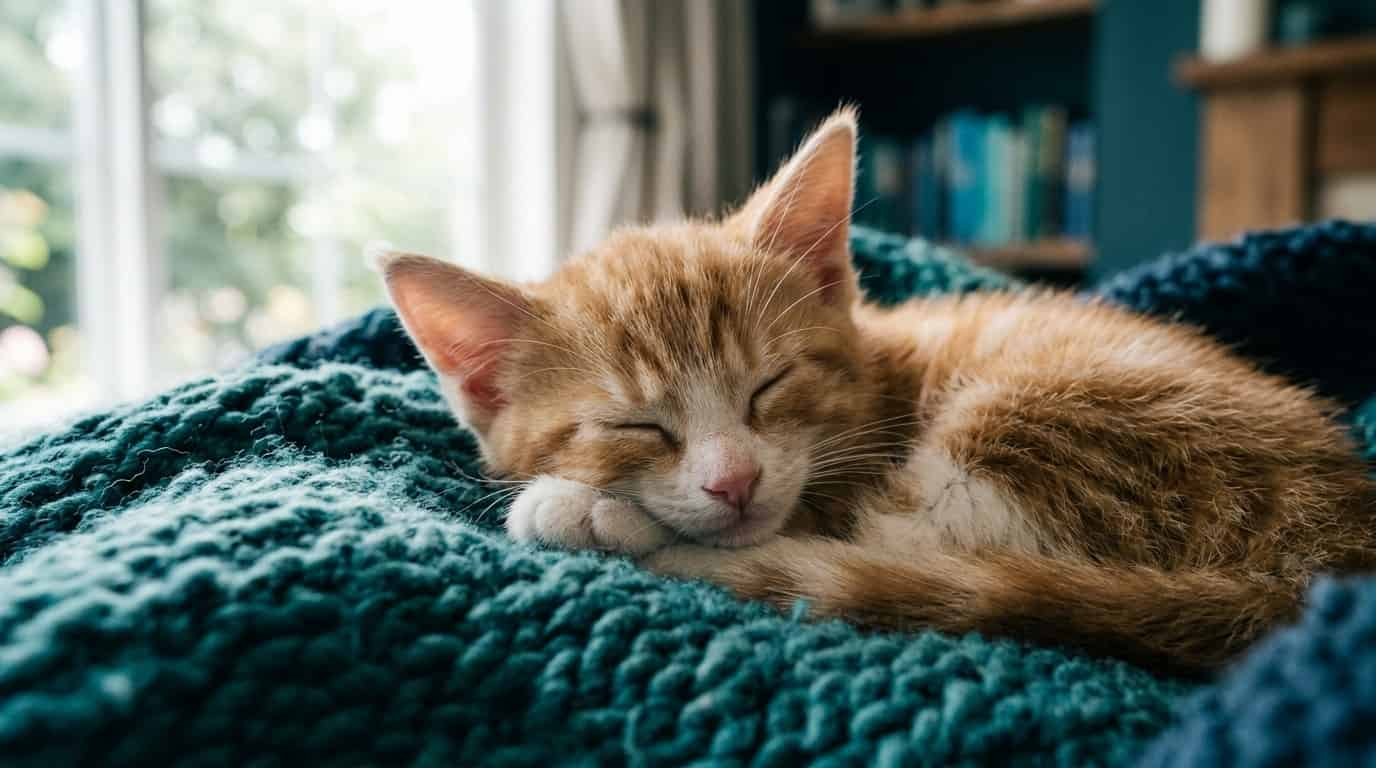
Warmth And Soft Bedding
As cats age or become unwell, they often lose the ability to regulate their body temperature. Provide soft, supportive bedding in a draft-free spot. Fleece blankets, memory foam pet beds, or even a folded towel can help. Consider a low-wattage heating pad made for pets. Always set it on low and place it under only half the bed, so your cat can move away if she gets too warm.
Cats with less muscle or fat can get cold easily, especially in late life. Check your cat’s ears and paws for coolness. If your home is chilly, raise the room temperature slightly or add extra layers. Keep bedding clean and dry—older cats may have accidents or drool more.
Accessibility And Low-entry Litter Box
Mobility can be a struggle for cats in their final days. Choose a litter box with low sides (about 2 inches high) so your cat can walk in easily. Place the box close to your cat’s resting area. For cats who are very weak, use a soft towel or puppy pad as a backup.
Avoid clumping litter if your cat has wounds or dribbles urine. Unscented, dust-free litter is best, since dying cats may be sensitive to smells. Clean the box or pad often to prevent odor and skin irritation.
If your cat can’t walk at all, gently support her as she eliminates, or ask your vet about incontinence management.
Quiet And Familiar Environment
Cats are sensitive to noise and change, especially when ill. Choose a quiet room away from loud TVs, children, or other pets. Keep the area dimly lit and play soft, soothing music if your cat seems to like it.
Familiar scents—your laundry, your cat’s favorite blanket, or even a well-loved toy—can help your cat feel safe. Try to keep the routine steady: feed, clean, and cuddle at the same times each day.
Don’t rearrange furniture or bring in strong-smelling flowers or cleaners. Predictability is comforting for a dying cat.
Managing Pain And Discomfort At Home
Dying cat comfort care means addressing pain, nausea, or other distress. Many cats hide pain, so you need to watch closely and partner with your vet for good pain management.
Working With Your Vet On Pain Medication
Your vet is your best ally for palliative care cats. Many medications can relieve pain, but not all are safe for cats. Never give human painkillers—acetaminophen (Tylenol), ibuprofen, and aspirin are toxic to cats.
Common cat pain medications include:
- Buprenorphine (oral or injection): A mild opioid, often used for cancer pain
- Gabapentin: For nerve pain, arthritis, or general discomfort
- Meloxicam: An anti-inflammatory, but only with vet supervision due to kidney risk
Ask your vet for clear instructions: how much, how often, and how to give each medicine. Some cats may need medication for nausea, anxiety, or breathing difficulty.
Set alarms on your phone to stay on schedule. Track doses on a chart—missed doses can mean more pain, but too much can be dangerous.
How To Recognize Your Cat Is In Pain
Cats rarely cry out in pain. Signs can be subtle, so watch for:
- Hiding or avoiding touch
- Hunched posture, not stretching out
- Growling, hissing, or swatting when handled
- Shallow breathing or rapid breaths
- Loss of appetite or reluctance to move
- Increased heart rate or dilated pupils
Pain can change as illness progresses. If your cat’s pain seems worse, or you’re unsure, call your vet. It’s better to adjust medication than let your cat suffer.
For more on recognizing pain in cats, see the American Association of Feline Practitioners’ guidelines at Cat Friendly Homes.
Nutrition And Hydration In End-of-life Care
Many terminally ill cats lose interest in food and water. While eating is important, dying cat comfort care means not forcing your cat to eat if it causes stress. Focus on gentle support, not strict rules.
Hand Feeding
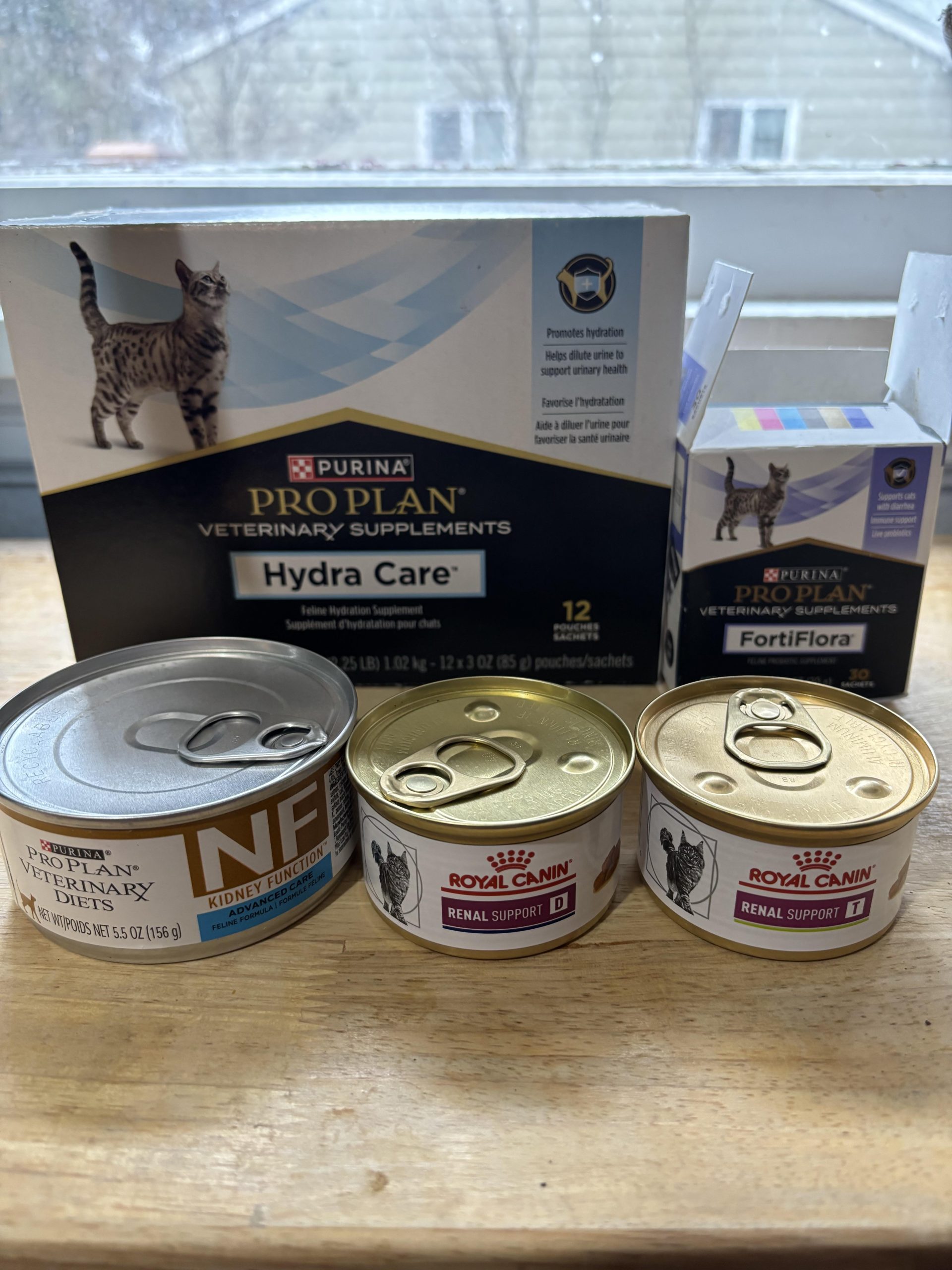
If your cat is too weak or uninterested to eat on her own, try hand feeding. Offer strong-smelling, soft foods—canned tuna, chicken baby food (with no onion/garlic), or prescription recovery diets.
Hold a small spoonful near her mouth, or place a dab on her paw for her to lick. Warming food can boost the aroma. Feed small amounts, several times a day. Stop if your cat turns her head away or seems distressed.
Never force-feed with a syringe unless your vet teaches you how. Forced feeding can cause aspiration (inhaling food), making things worse.
Subcutaneous Fluids At Home
Dehydration is common in end-stage cat care. If your cat isn’t drinking, ask your vet if subcutaneous fluids (“sub-Q” fluids) are appropriate. This involves injecting sterile fluid under the skin, usually at the scruff.
Some owners learn to give sub-Q fluids at home. Supplies include:
- Sterile fluid bag (lactated Ringer’s solution)
- Drip set and needle
- Alcohol wipes
The process takes 5–10 minutes and is usually painless. Your vet will show you how much fluid, how often, and how to watch for swelling or leaks. Not all cats tolerate this, but many feel better with extra fluids.
Appetite Stimulants
If your cat refuses food for more than 24 hours, ask your vet about appetite stimulants. Common options include:
- Mirtazapine: Oral or topical, often helps with nausea and appetite
- Cyproheptadine: Used less often, but may help some cats
These can make eating less stressful. However, if your cat still refuses food and is very weak, focus on comfort over nutrition.
Emotional And Sensory Comfort
A cat’s emotional well-being is just as important as physical comfort. Many cats find peace in simple routines, gentle touch, and familiar smells.
Gentle Touch And Presence
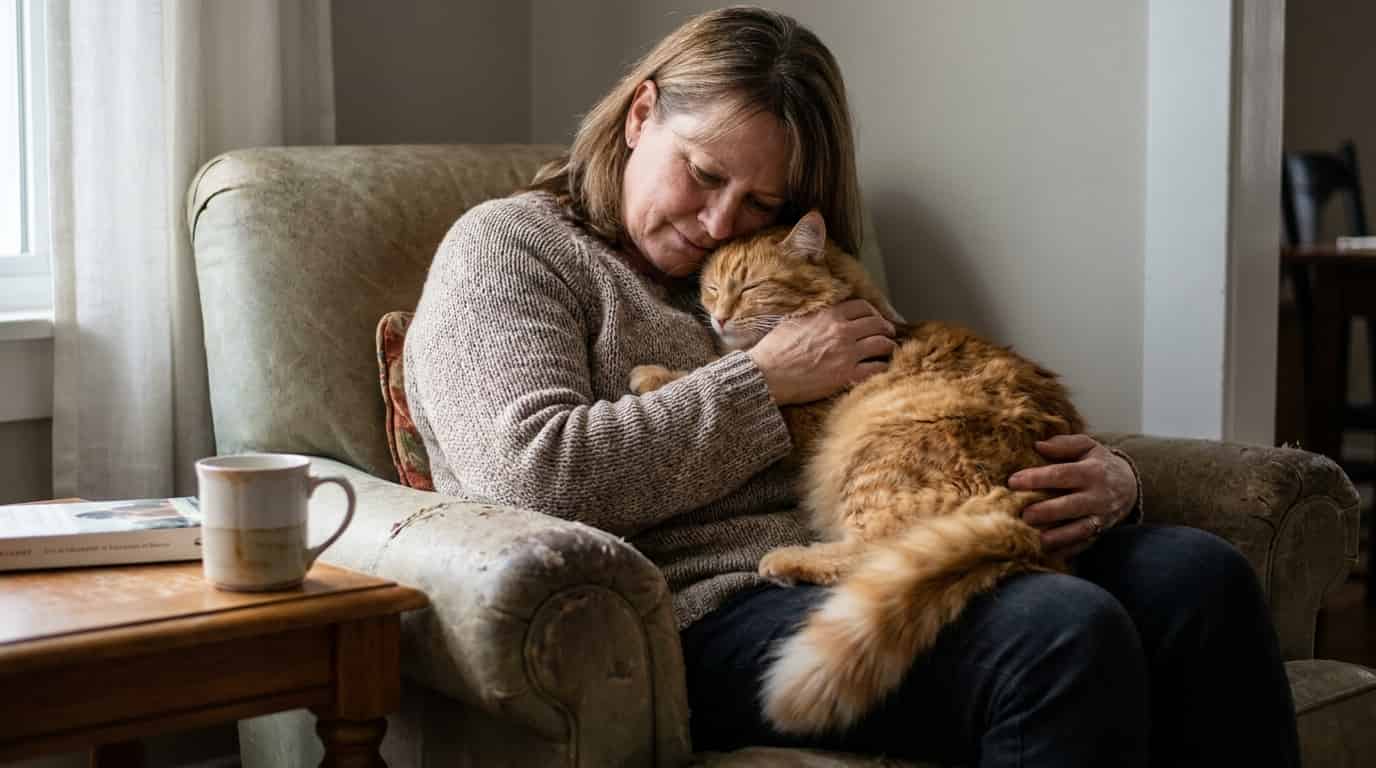
Spend quiet time near your cat. Pet her softly if she enjoys it—some cats prefer a warm hand resting nearby rather than stroking. Talk in a low, calm voice. If your cat is restless, try gentle massage on the head or shoulders.
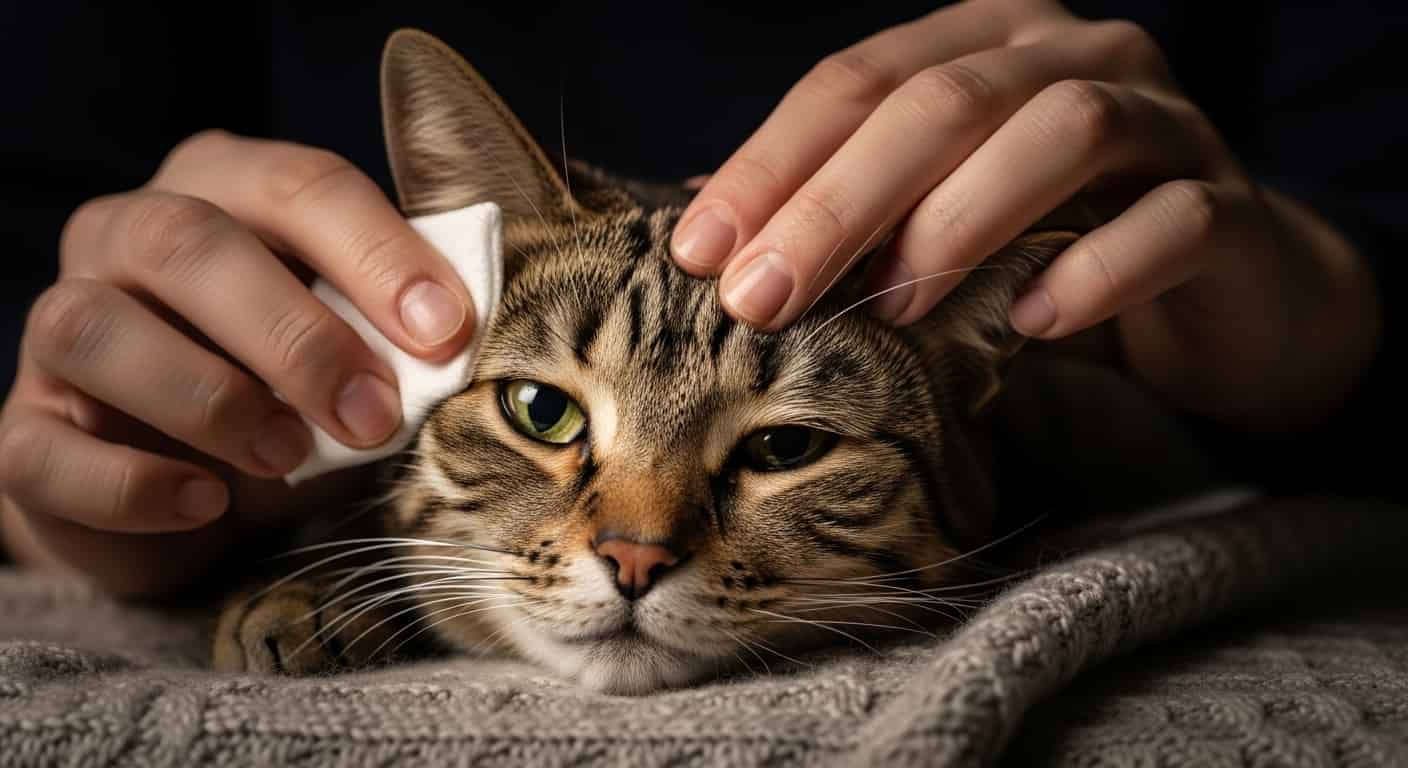
For cats who can’t move much, help with grooming by wiping their face and paws with a damp cloth. This maintains dignity and comfort.
Don’t force interaction. Some cats want to be alone, while others seek closeness. Let your cat choose.
Familiar Scents And Routines
Cats rely on smell to feel secure. Keep your cat’s favorite blanket or shirt nearby. Avoid introducing new pets, people, or scents at this stage.
Stick to familiar routines: feed, clean, and rest at the same times each day. If your cat always napped in the sun, move her bed to a sunny spot. If she loved brushing, offer it gently.
Some owners find that leaving a piece of their worn clothing near the cat helps comfort them when alone.
Credit: catfriendly.com
Allowing Natural Death Vs Euthanasia — Keeping The Door Open
One of the hardest parts of end of life care for cats at home is deciding whether to let nature take its course or choose euthanasia. Both choices are acts of love when made thoughtfully.
Natural death means letting your cat pass at home without intervention, as long as she is not suffering. This path can be peaceful, especially with good pain control. However, dying can sometimes be slow or uncomfortable. Watch for signs of pain or distress—breathing difficulty, severe seizures, or unmanageable vomiting mean it’s time to consider euthanasia.
Euthanasia is a gentle, painless way to end suffering. Many vets offer in-home euthanasia, so your cat can pass in familiar surroundings. If you’re unsure, talk honestly with your vet. Ask about your cat’s quality of life and what the dying process may look like.
The most important thing is your cat’s comfort. There is no “right” answer—just what is kindest for your cat and your family.
Taking Care Of Yourself As A Carer
Caring for a terminally ill cat is emotionally exhausting. Many owners feel guilt, grief, and even anger. Remember that your feelings are normal.
- Take breaks. Ask a trusted friend or family member to sit with your cat so you can rest.
- Talk about your feelings. Support groups, online forums, or a counselor can help.
- Celebrate small wins—a purr, a peaceful nap, a favorite treat.
- Forgive yourself. You will make mistakes. Your love and presence matter most.
Watching a beloved cat decline is painful, but you are giving her a final gift: peace, dignity, and love.
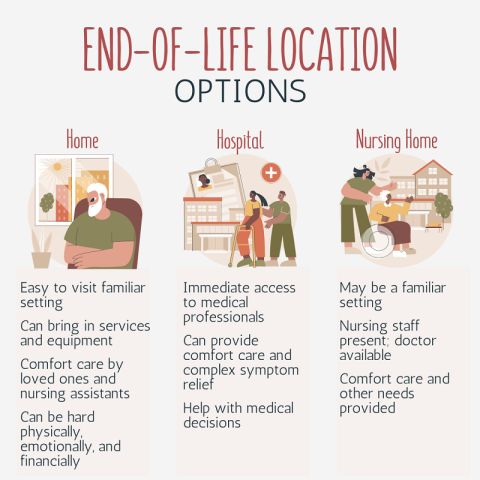
Credit: www.theheritageatlowman.org
When To Call The Vet During Home Hospice Care
While home hospice is about comfort, some problems need vet help. Call your vet if:
- Pain cannot be controlled with current medications
- Your cat has repeated seizures or collapses
- Severe bleeding, open wounds, or trouble breathing
- Uncontrollable vomiting or diarrhea
- Sudden paralysis or inability to move
- You feel overwhelmed or unsure what to do next
Don’t wait until things are unmanageable. Vets can adjust medication, offer home visits, or talk you through tough moments. Early communication can prevent a crisis.
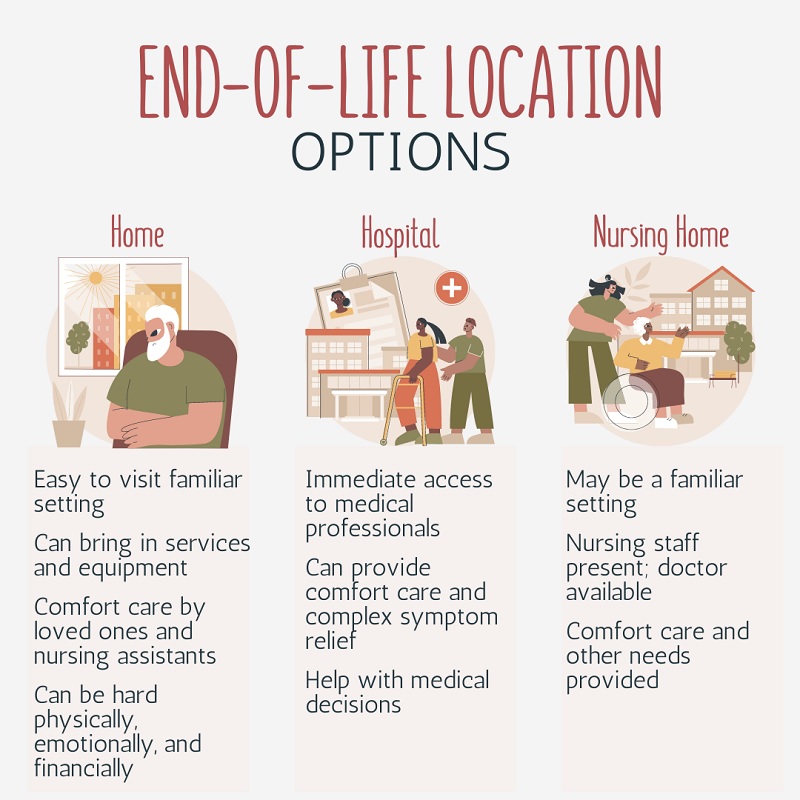
Comparison: At-home Hospice Vs. Veterinary Hospital Hospice
To help you decide what’s right for your cat, here’s a side-by-side look at home versus hospital hospice care:
| Aspect | At-Home Hospice | Veterinary Hospital Hospice |
|---|---|---|
| Environment | Familiar, less stressful | Unfamiliar, more stressful for some cats |
| Medical Support | Limited, relies on owner’s ability | Immediate, advanced support available |
| Owner Involvement | High, hands-on care | Lower, more staff involvement |
| Cost | Usually lower | Usually higher |
| Quality of Life | More control over environment | More control over medical intervention |
Credit: www.vnhlc.org
Common Mistakes To Avoid In Home Care For Terminal Cats
Many well-meaning owners make simple errors in home care for terminal cat situations:
- Giving human medications: Never give over-the-counter painkillers or sedatives without vet approval.
- Forcing food or water: Forcing can cause aspiration. Let your cat decide.
- Overcrowding: Too many visitors or pets can stress a dying cat.
- Ignoring subtle pain signs: Hiding, heavy breathing, or not grooming are signs to call your vet.
- Delaying tough decisions: Waiting too long can lead to unnecessary suffering.
Practical Tips For Daily Care
End stage cat care can be easier with a few simple routines:
- Check bedding twice daily for wetness or mess.
- Monitor appetite and water intake—write down what your cat eats and drinks.
- Gently clean your cat’s face and rear if she can’t groom herself.
- Use a harness or towel sling to help your cat walk to the litter box.
- Play calming music (classical or soft jazz) if your cat seems anxious.
Data: How Common Is Home Hospice Care For Cats?
More pet owners are choosing home hospice. In a 2021 survey by the International Association for Animal Hospice and Palliative Care, nearly 43% of cat owners preferred at-home end-of-life care when possible. The main reasons were emotional comfort for the pet, control over the environment, and the ability to say goodbye at home.
Table: Signs Your Cat Is Nearing The End
Here’s a quick reference for common signs seen in the final days:
| Sign | What it means | What to do |
|---|---|---|
| Loss of appetite | Body is shutting down | Offer favorite foods, don’t force feed |
| Labored breathing | Pain or fluid buildup | Call your vet for advice |
| Extreme weakness | End-stage disease | Keep close, soft bedding; minimize movement |
| Cool paws/ears | Poor circulation | Provide warmth, gentle touch |
| Loss of interest in surroundings | Body shutting down, may be peaceful | Stay nearby, offer comfort, consider vet guidance |
Frequently Asked Questions
What Is The Difference Between Palliative Care And Hospice Care For Cats?
Palliative care focuses on relieving symptoms and pain, no matter the stage of illness. Hospice care is a form of palliative care specifically for end-of-life, when cure is not possible. Both aim to maximize comfort, but hospice is about preparing for a peaceful death, often at home.
How Can I Tell If My Cat Is Suffering?
Look for signs like hiding, labored breathing, loss of appetite, or crying out when touched. Trust your instincts—you know your cat’s normal behavior. If you see new or severe symptoms, call your vet. They can help you decide if your cat’s pain is manageable or if it’s time to consider euthanasia.
Is It Better For My Cat To Die Naturally At Home Or Be Euthanized?
There’s no single right answer. Natural death can be peaceful if your cat is not in pain. Euthanasia is a gentle way to prevent suffering when pain can’t be controlled. The best choice depends on your cat’s comfort and your values.
Talk openly with your vet about your options.
How Do I Give Subcutaneous Fluids At Home?
First, ask your vet if this is appropriate. They will show you how to insert the needle under the skin, attach the fluid bag, and monitor your cat. Use only sterile equipment and fluid. Most cats tolerate this well, but stop if your cat seems distressed or develops swelling at the injection site.
How Do I Cope With Grief After My Cat Passes Away?
Grief is natural and can feel overwhelming. Allow yourself to feel sad, angry, or even relieved. Talk with friends, join a support group, or write about your memories. Remember that giving your cat a peaceful end is a final act of love.
Saying goodbye is never easy, but choosing end of life care for cats at home is a powerful act of compassion. You are honoring your cat’s life by making her last days gentle, pain-free, and full of love. Even small comforts—warm bedding, a gentle touch, a favorite scent—make a world of difference. If you ever feel lost, reach out to your vet, friends, or pet loss support groups. Your cat’s journey is ending, but your love will always remain.
**As an Amazon Associate, I earn from qualifying purchases.**