Senior cats need more from vet visits — here’s how to get it
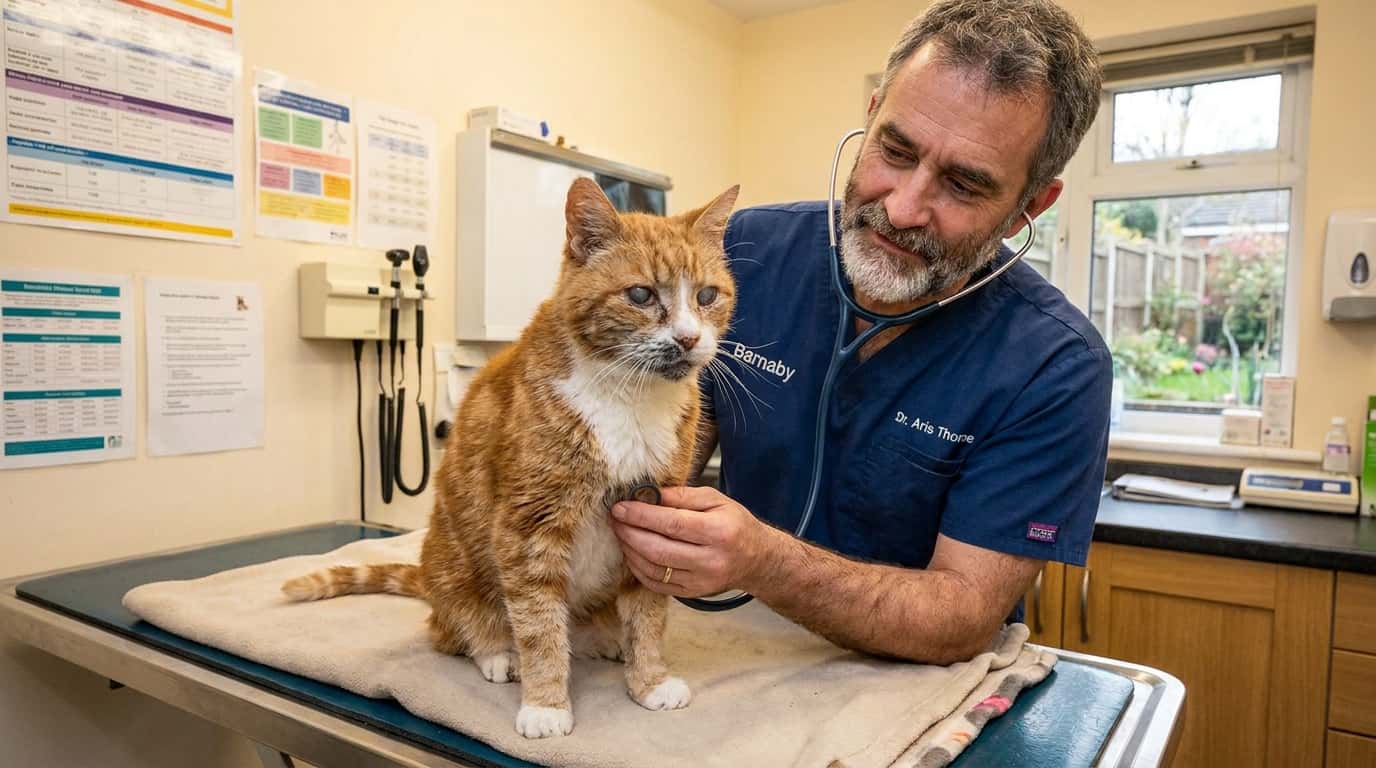
Cats over age 10 face bigger health risks than younger pets. They may seem healthy, but age brings hidden changes. Some illnesses develop quietly, so a regular vet visit is more important than ever. If you want your old cat to live longer and feel comfortable, you need to prepare for each appointment.
This senior cat vet visit checklist will help you spot problems early, ask the right questions, and make sure your cat gets the care they deserve.
How Often Should Senior Cats See The Vet?
Adult cats usually see the vet once a year. But for senior cats (over 10 years), experts recommend twice yearly vet senior visits. Cats age quickly, so problems can appear in just a few months. A study from the American Veterinary Medical Association showed older cats are more likely to develop kidney, thyroid, and dental disease. Regular checkups mean your vet can catch issues before they get serious.
Here’s a quick comparison:
| Age Group | Recommended Visits Per Year | Common Health Risks |
|---|---|---|
| Adult (1–9 years) | 1 | Obesity, minor injuries |
| Senior (10+ years) | 2 | Kidney disease, thyroid issues, dental problems |
Symptoms To Report At Every Visit (checklist)
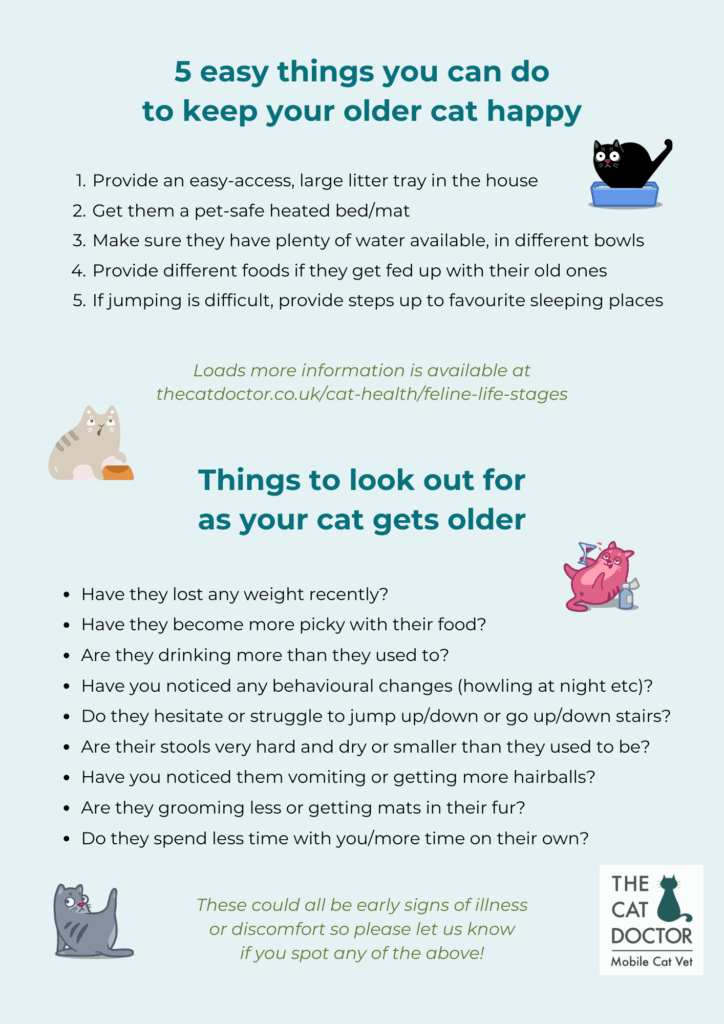
Even small changes matter. Your vet can only help if you share what’s happening at home. Use this old cat vet checklist to guide your report:
- Appetite changes: Eating more or less than usual
- Weight loss or gain: Noticeable difference in size
- Drinking/urinating changes: Increased thirst or bathroom trips
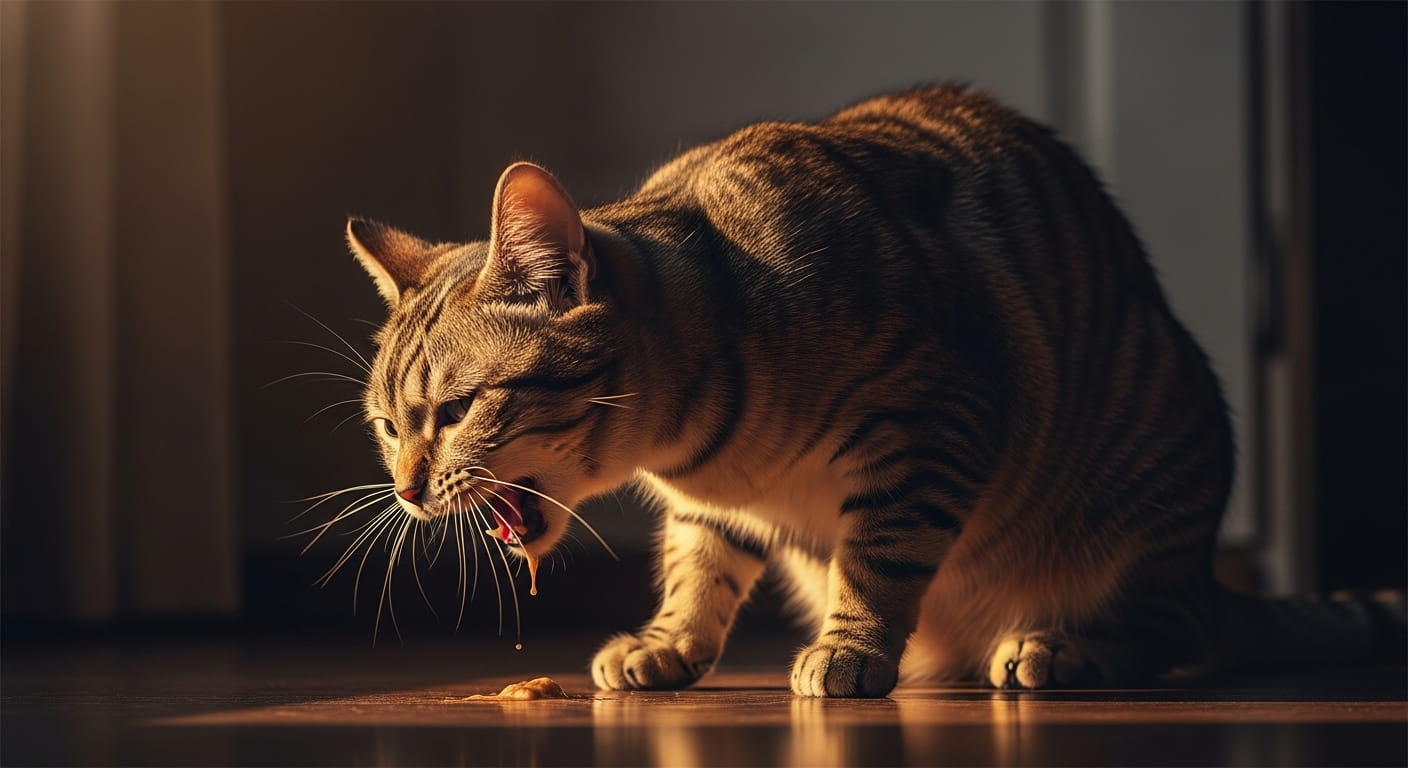
- Vomiting or diarrhea: Frequency and severity
- Mobility issues: Trouble jumping or walking
- Behavior changes: Hiding, vocalizing, or confusion
- Breathing problems: Coughing or labored breathing
- Bad breath: Could signal dental disease
- Lumps or bumps: Any new growths
- Coat condition: Matted fur, skin irritation, or hair loss
If you notice any of these, write them down before the appointment. Vets rely on your observations to spot problems early.

Credit: catfriendly.com
Tests Your Vet Should Offer For Senior Cats
A thorough senior cat annual exam checklist includes more than a physical exam. Several tests can reveal hidden diseases:
Blood Panel
A senior cat blood panel checks organ function, blood sugar, and detects anemia. It’s key for finding kidney or liver issues. Cats over 10 should get this test at least once a year.
Urinalysis
A urinalysis senior cat helps spot kidney disease, diabetes, and infections. Your vet may collect urine during the visit or ask you to bring a sample.
Blood Pressure
High blood pressure is common in older cats, especially those with kidney or thyroid disease. A blood pressure check cat is quick and painless, but many owners forget to request it.
Thyroid Function
Hyperthyroidism affects up to 10% of cats over age 10. A thyroid test senior can spot this early, so treatment starts before symptoms get severe.
Dental Examination
Dental disease affects nearly 70% of senior cats. A dental exam senior cat checks for gum disease, loose teeth, and infections. Untreated dental issues can cause pain and reduce appetite.
Here’s a summary of key tests:
| Test | What It Detects | Frequency |
|---|---|---|
| Blood panel | Kidney, liver, diabetes, anemia | Annually or twice yearly |
| Urinalysis | Kidney disease, infection, diabetes | Annually |
| Blood pressure | Hypertension, heart disease | Every visit |
| Thyroid function | Hyperthyroidism | Annually |
| Dental exam | Gum disease, tooth decay | Every visit |
Questions To Ask Your Vet About Your Senior Cat
Many owners wonder what to ask vet senior cat. Here are smart questions:
- Is my cat’s weight healthy for their age?
- Are there early signs of kidney or thyroid disease?
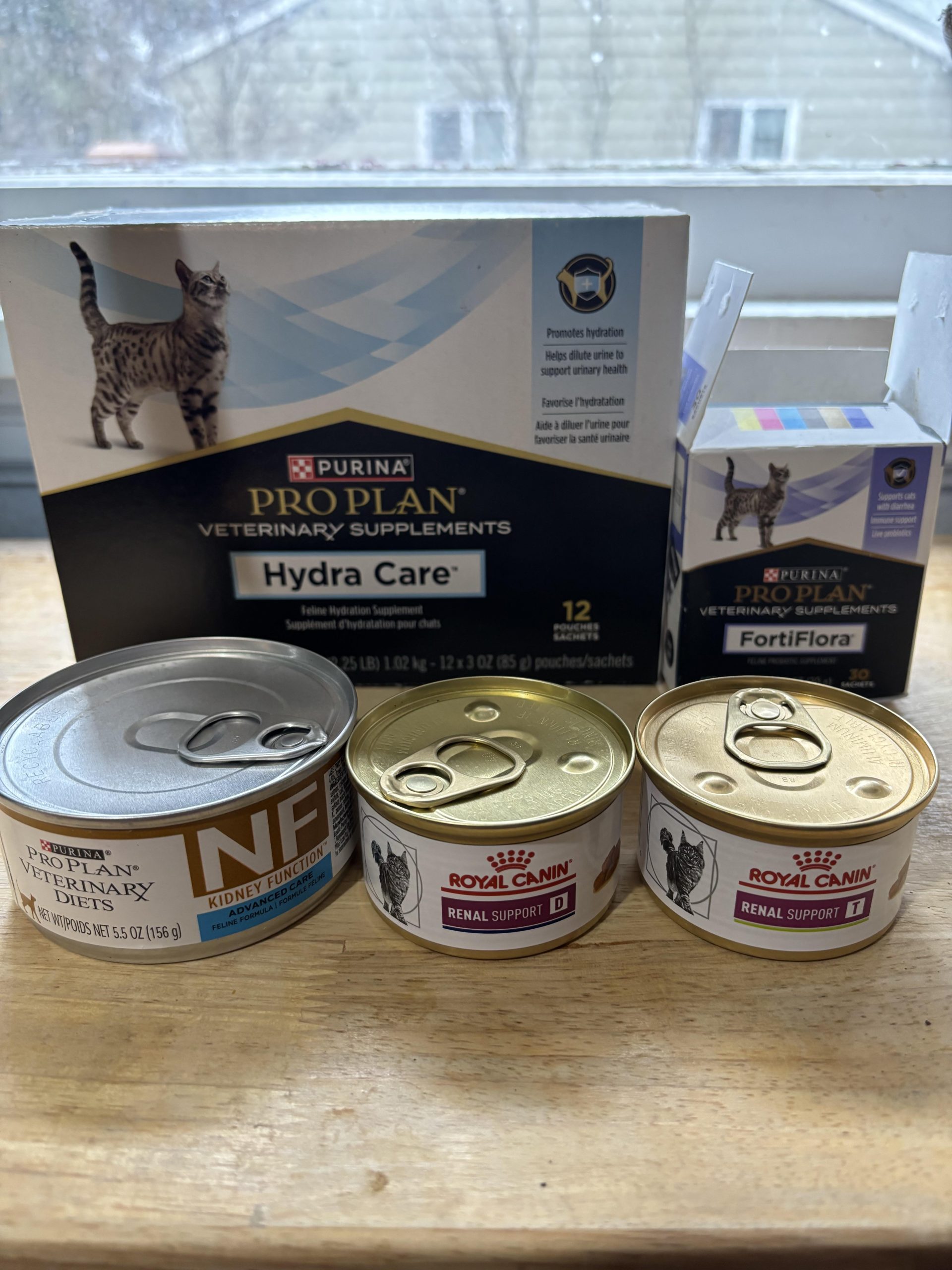
- Should we change my cat’s diet or supplements?
- How can I help my cat with mobility or arthritis?
- Is my cat’s dental health normal?
- Are there new vaccines or preventives needed?
- What signs should I watch for between visits?
Asking these questions shows you care and helps your vet give the best advice.

Credit: meowfoundation.com
Senior Cat Vaccination Schedule — What Changes
Vaccines are important, but senior cats may need fewer shots. Your vet will review your cat’s senior cat vaccination schedule based on lifestyle and risk.
Here’s a simple comparison:
| Vaccine | Adult Cat | Senior Cat |
|---|---|---|
| Rabies | Every 1–3 years | Every 3 years or as required |
| FVRCP | Every 1–3 years | May skip if indoor and low risk |
| FeLV | If at risk | Rarely needed |
Older cats with limited outdoor exposure may not need all vaccines, but rabies is often required by law.
Preparing For The Appointment — Practical Tips
Getting ready for your senior cat vet appointment guide makes the visit smoother.
- Bring a written list of symptoms and questions.
- Collect a urine sample if requested.
- Use a secure carrier and familiar blanket to reduce stress.
- Schedule appointments during quiet clinic hours.
- Arrive early to fill out paperwork.
- Ask about costs and insurance before the visit.
One insight: Old cats can feel more anxious at the vet. Try gentle handling and stay calm yourself. Another tip: If your cat refuses the carrier, leave it open at home with treats inside for a week before the visit.
If you want a downloadable vet visit preparation senior cat checklist, sign up for our email updates below and get practical tips sent to your inbox.
Credit: thecatdoctor.co.uk
Frequently Asked Questions
How Old Is A Senior Cat?
Most vets consider cats senior at age 10 or older. Some breeds age faster, so check with your vet.
Why Is A Blood Panel Important For Senior Cats?
A blood panel reveals organ function and detects early diseases. It helps your vet spot problems before your cat shows symptoms.
What Signs Mean My Senior Cat Needs A Vet Visit Sooner?
Sudden appetite changes, rapid weight loss, or trouble breathing are urgent. Go to the vet right away.
Are There Risks With Yearly Vaccines For Senior Cats?
Yes, older cats may react differently. Your vet will adjust the senior cat vaccination schedule to suit your cat’s health and risk factors.
How Can I Help My Cat Feel Less Stressed At The Vet?
Use a familiar blanket, keep noise down, and bring treats. Ask your vet about handling tips for nervous cats.
Your senior cat’s health depends on good vet care and your attention. With this checklist, you’re ready for every appointment. Don’t wait—prevention is the best medicine. For more details on cat aging and health, visit the American Veterinary Medical Association.
**As an Amazon Associate, I earn from qualifying purchases.**