Blind cats adapt extraordinarily well — here is how to help them
If you’ve just learned that your cat is blind or losing their vision, you might feel overwhelmed. Many owners worry that their pet’s quality of life will drop sharply. In reality, blind cats often surprise their families with how quickly they adjust. With the right support and a few changes at home, a blind cat can live a rich, happy, and safe life. This blind cat care guide will show you how to adapt your home, help your cat navigate, and provide emotional comfort for your feline friend.
Common Causes Of Blindness In Senior Cats
Blindness in older cats is not uncommon. Understanding the main causes can help you spot early signs and get veterinary help quickly.
Hypertensive Retinopathy
Hypertensive retinopathy happens when high blood pressure damages the delicate blood vessels in a cat’s eyes. This condition is particularly common in senior cats, especially those with kidney disease or hyperthyroidism. The retina can swell or bleed, sometimes leading to sudden blindness. Early signs might be hard to spot, but a vet can detect high blood pressure and recommend treatment to protect your cat’s vision.
Retinal Detachment
The retina is a thin layer at the back of the eye that captures images. Retinal detachment means this layer separates from the rest of the eye, causing partial or total blindness. The most common reason is high blood pressure, but trauma or infections can also be triggers. If a cat suddenly bumps into objects or their pupils stay wide in bright light, get them checked by a vet right away.
Glaucoma
Glaucoma is a painful condition where pressure builds up inside the eye, damaging the optic nerve. It can develop slowly or appear suddenly, and the affected eye might look cloudy or swollen. If caught early, medication can help lower the pressure, but long-term glaucoma often results in blindness.
Cataracts
A cataract is when the lens of the eye becomes cloudy, blocking light from reaching the retina. Senior cats can develop cataracts due to aging, diabetes, or inflammation. Cataracts usually progress slowly, and some cats retain partial vision for months or years. Surgery is rare in cats but possible in special cases.
Can Sudden Blindness In Cats Be Reversed?
When a cat loses vision suddenly, the cause is often an emergency. Conditions like hypertensive retinopathy or retinal detachment sometimes allow for partial or full vision recovery if treated quickly. For example, if a cat’s blood pressure is lowered fast enough, the retina may reattach and restore sight. However, chronic issues like glaucoma or long-standing cataracts are usually permanent.
It’s important to see a veterinarian as soon as you notice changes in your cat’s vision. Early treatment gives the best chance for recovery. But even if vision cannot be restored, most cats adapt well with the right help.
How To Adapt Your Home For A Blind Cat
Helping a blind cat at home is all about making their environment safe, predictable, and easy to navigate. Small changes can make a big difference.
Keep Furniture In Consistent Positions
Consistent furniture placement is crucial for blind cats. Cats memorize their surroundings and build a mental map. If you move the sofa or rearrange the dining room, your cat may get confused or anxious. Try to keep main pieces like couches, beds, and tables in the same spots. If you must move something, guide your cat gently and give them time to explore.
Safety Hazards To Remove
Blind cats rely on touch and memory. Hazards like sharp corners, loose wires, or open staircases can be dangerous. Here’s what to check:
- Cover sharp furniture edges with padding.
- Keep floors clear of clutter and shoes.
- Block access to stairs with baby gates.
- Secure loose cords and keep cleaning products out of reach.
- Close windows and balconies, as blind cats can’t judge heights.
Scent Markers To Help Navigation
Scent marking for blind cats is a powerful tool. Cats use their sense of smell to identify places and paths. You can help by:
- Rubbing a little vanilla or lavender oil (diluted and pet-safe) on doorframes or furniture legs.
- Placing mats with different textures at room entrances or near favorite spots.
- Using your cat’s bedding or a favorite blanket as a scent marker in key areas.
These cues help your cat know where they are and move confidently.
Sound And Verbal Communication
Verbal communication with a blind cat is essential. Use a calm, friendly voice when you enter a room or approach your cat. Call their name before petting them to avoid startling them. You can also use gentle sounds, like jingling a bell or tapping your foot, to let your cat know where you are. Some owners use small bells on their shoes for extra guidance.
Feeding And Litter Box Adaptations
Blind cats need consistency with feeding and bathroom routines. Place food and water bowls in a fixed spot and avoid moving them. Wide, shallow dishes are easier for a blind cat to use, as they can feel the edge with their whiskers.
For the litter box:
- Keep the box in the same place.
- Use a box with low sides for easy access.
- Lay a textured mat in front so your cat can find it with their paws.
- If you have more than one box, make sure each is in a quiet, familiar area.
Avoid scented litter, as strong smells might confuse your cat’s navigation.
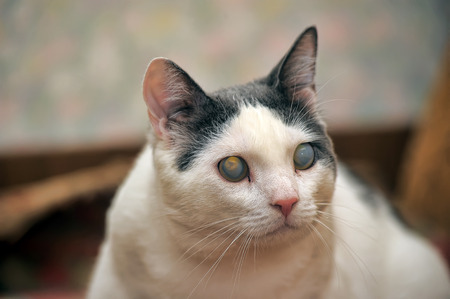
Credit: www.infinibandta.org
Enrichment For Blind Cats
Blind cats still love to play, explore, and hunt. Enrichment is key to their happiness.
- Offer toys that make noise, like crinkle balls or jingle balls.
- Use catnip or treats inside puzzle feeders to encourage sniffing and pawing.
- Try interactive play with wands that make sounds or have bells.
- Let your cat explore different textures, like soft blankets or sisal mats.
Rotate toys every week to keep things interesting. Remember that blind cats may not chase toys as fast but will enjoy hunting with their other senses.
Outdoor Access — Safe Options
Some blind cats enjoy fresh air, but safety is critical. Outdoor access for blind cats should always be supervised and limited to secure areas.
- Build a catio (cat patio) or use a secure, screened porch.
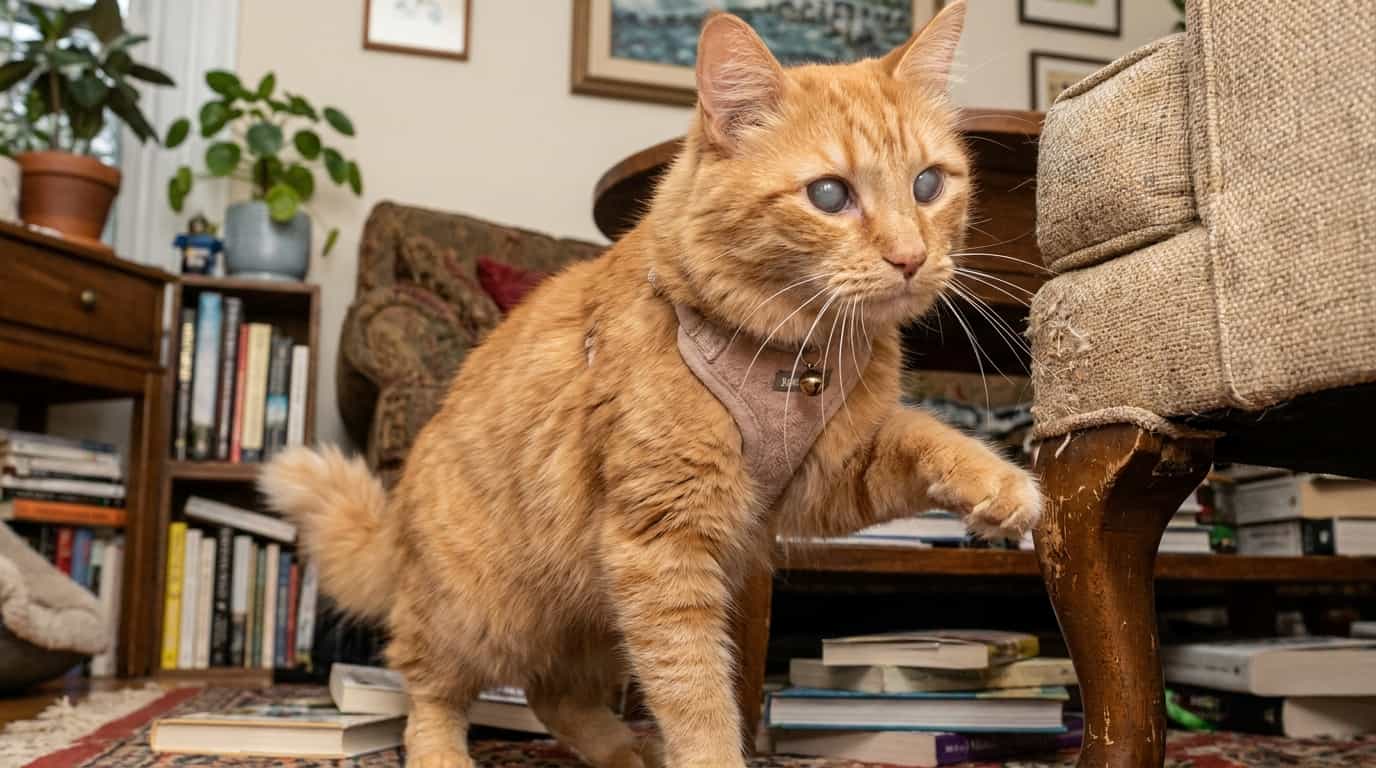
- Let your cat wear a harness and leash for short, guided walks in a safe backyard.
- Never let a blind cat roam freely. They can’t sense dangers like cars, predators, or open water.
- Check the area for sharp objects, toxic plants, or escape gaps.
Here’s a quick comparison of outdoor access options:
| Option | Safety Level | Supervision Needed |
|---|---|---|
| Catio/Enclosure | High | Low |
| Harness & Leash Walks | Medium | High |
| Free Roaming | Low | Not Recommended |
If your cat is new to outdoor experiences, start slow and let them sniff and listen before exploring further.
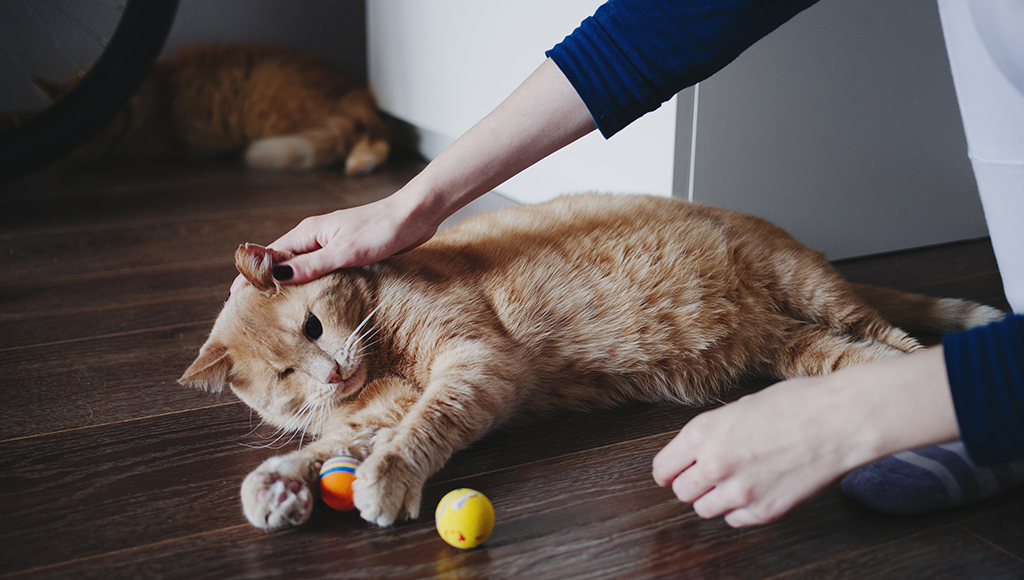
Credit: www.petassure.com
The Emotional Side — Helping Your Cat Adjust
A cat that has lost vision suddenly may feel anxious or withdrawn at first. Your calm support is key to their adjustment.
- Stick to familiar routines for feeding, play, and rest.
- Spend quiet time together, using your voice and gentle petting.
- Reward brave behavior with treats or affection.
- Avoid picking up or moving your cat often; let them control their movement.
- If your cat seems stressed, try pheromone diffusers or calming sprays.
Many cats regain confidence within weeks, but it’s normal for the process to take longer. Patience and positivity help your cat feel safe.
Here are a few ways to boost your cat’s confidence at home:
| Method | Purpose | How Often |
|---|---|---|
| Verbal Encouragement | Reduces anxiety | Daily |
| Gentle Handling | Builds trust | As needed |
| Routine Play | Stimulates senses | Several times a week |
Frequently Asked Questions
What Are The Most Common Sudden Blindness Cat Causes?
The most frequent causes are hypertensive retinopathy, retinal detachment, and trauma. Sometimes, infections or toxins can also lead to sudden blindness. Diseases like diabetes and hyperthyroidism raise the risk.
Is It Safe For A Blind Cat To Go Outside?
Free roaming is not safe for blind cats, but supervised outdoor time in a catio or on a leash can be enriching and safe. Always check the space for hazards before letting your cat explore.
How Do I Help My Cat Find The Litter Box After Blindness?
Use a textured mat outside the box and avoid moving it. Scent markers or familiar smells nearby can help your cat locate it. Positive reinforcement with treats may encourage use.
Should I Use Scent Marking For Blind Cats In Every Room?
It’s best to use scent markers at key points like entrances, near food and water, or favorite resting spots. Too many strong scents can confuse your cat, so keep it simple and consistent.
Can Other Pets Live With A Blind Cat?
Yes, but introduce other pets slowly and supervise interactions. Make sure your blind cat has quiet spaces to retreat and use gentle verbal cues to announce your presence. For more tips, visit International Cat Care.
A blind cat’s life can be joyful and full of adventure, especially with a caring owner. By understanding their needs and making a few adjustments, you’ll help your cat feel confident, safe, and loved. Remember, blindness is not the end of happiness for your feline companion.
With patience and practical steps, your cat can enjoy every day to the fullest.

Credit: www.amazon.com
**As an Amazon Associate, I earn from qualifying purchases.**