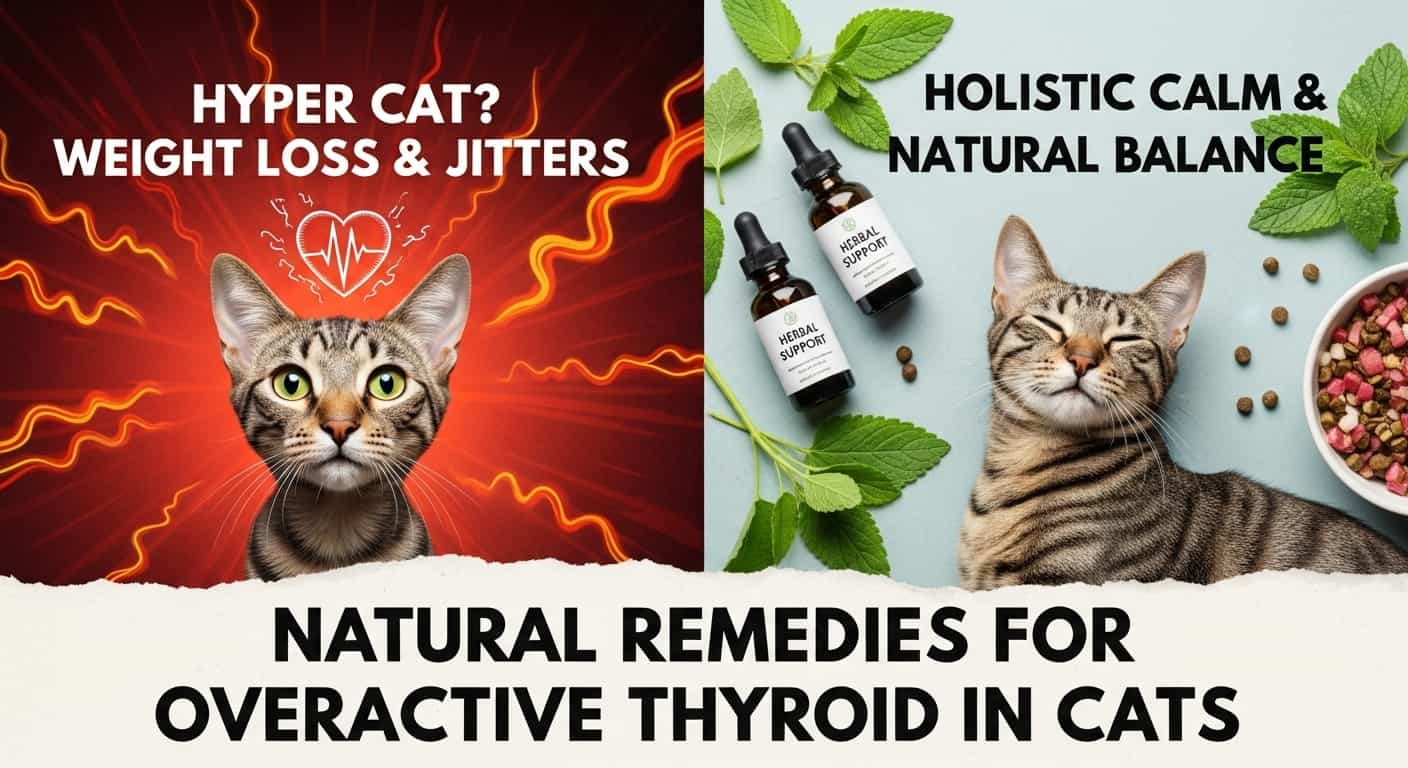
Hyperthyroidism is one of the most common health problems in older cats. This disease causes your cat’s thyroid gland to produce too much hormone, which speeds up their metabolism and affects nearly every organ. While medical treatments can control hyperthyroidism, natural support and lifestyle changes can make your cat’s life much better. Many cat owners wonder about feline hyperthyroidism natural remedies—but it’s important to know that natural support works best alongside medical treatment, not instead of it. This article gives you practical advice on managing your cat’s condition, including diet, monitoring at home, and what natural treatments are safe (and which are not).
What Is Feline Hyperthyroidism?
Feline hyperthyroidism happens when the thyroid gland produces extra thyroid hormones. These hormones control how fast the body uses energy. When there’s too much, your cat’s metabolism speeds up. Most affected cats are over 10 years old.
Symptoms include:
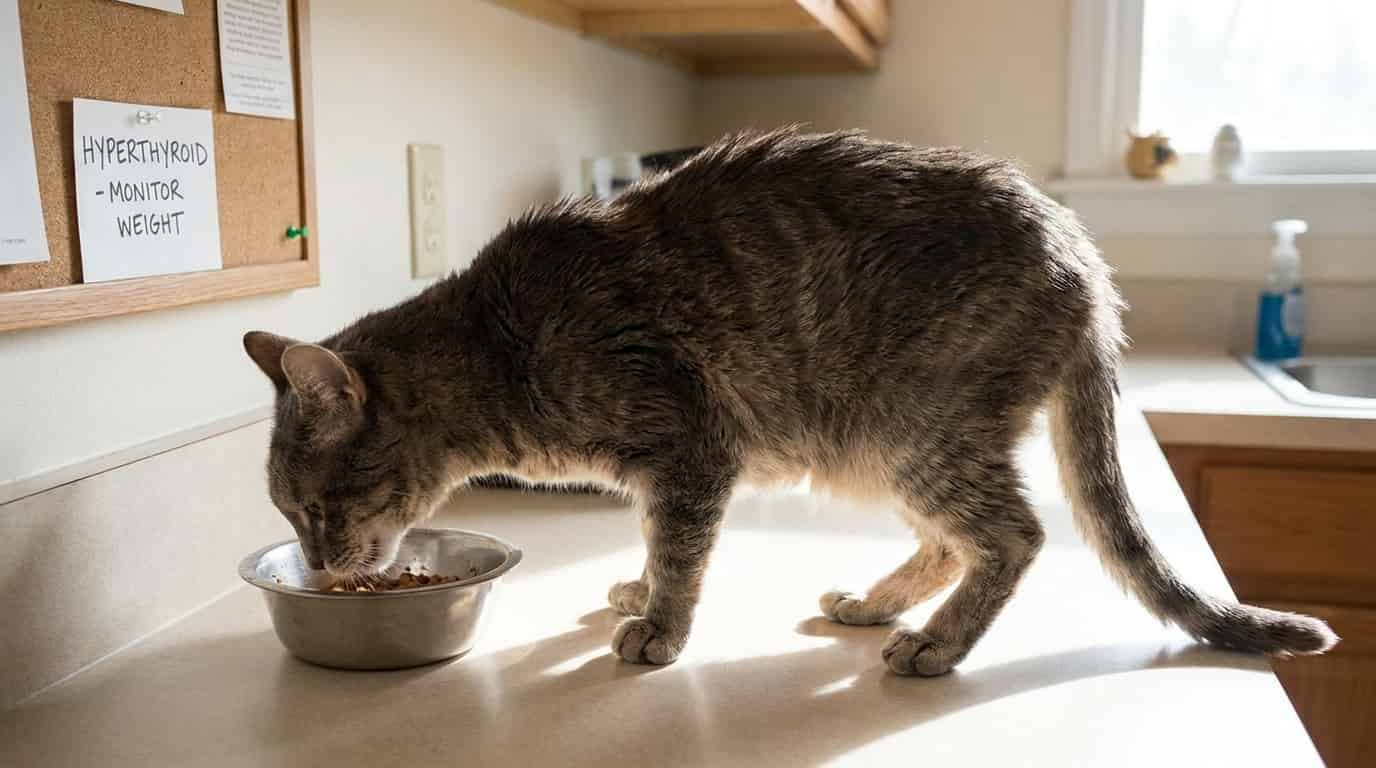
- Weight loss (even with a good appetite)
- Increased activity or restlessness
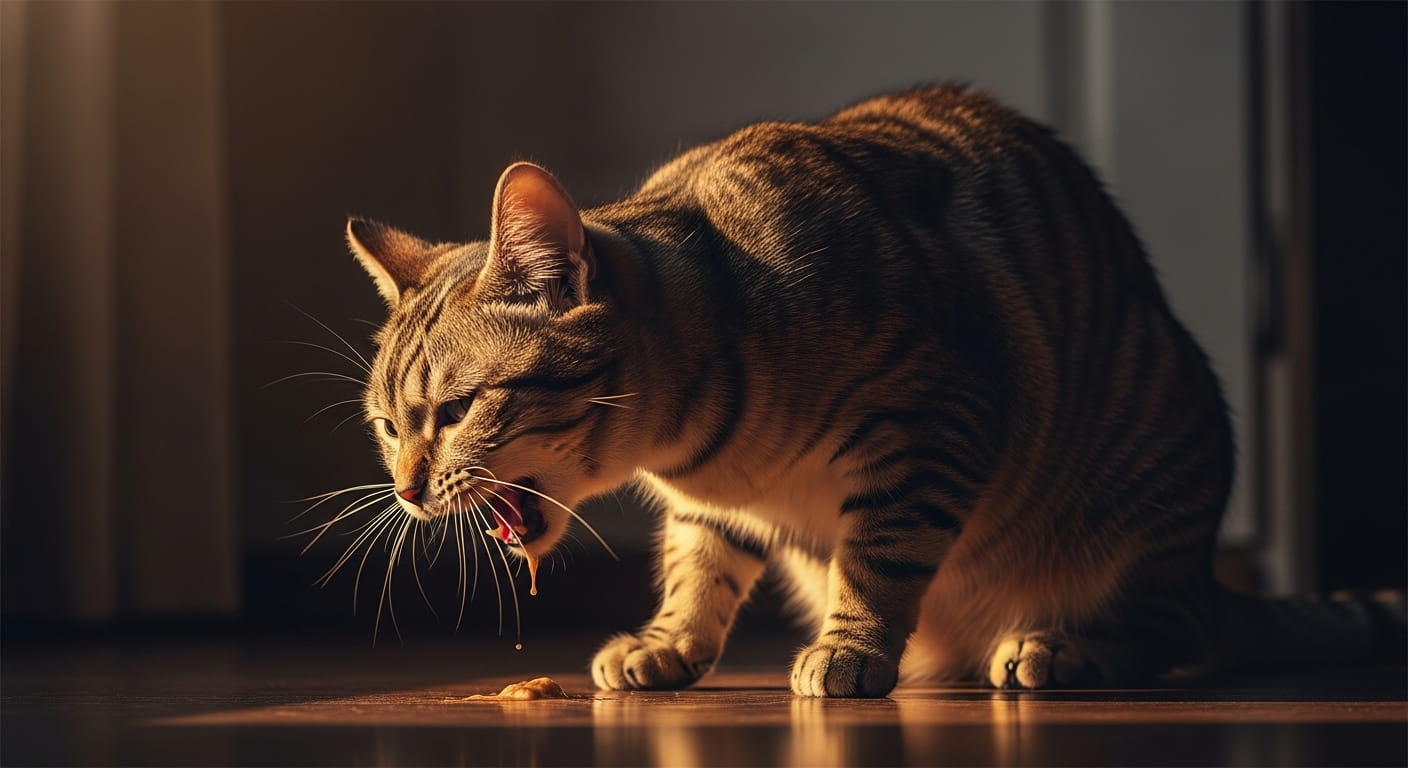
- Vomiting
- Diarrhea
- Excessive thirst
- Poor coat quality
If untreated, hyperthyroidism can cause heart problems, high blood pressure, and kidney disease. According to studies, about 10% of cats over age 10 develop hyperthyroidism. Early diagnosis is essential for better outcomes.
Medical Treatment Options (and Why They Matter First)
Natural remedies can help, but medical treatment is the foundation for managing cat hyperthyroidism. Without medical control, the thyroid hormones will keep rising and harm your cat.
Methimazole (daily Medication)
Methimazole is the most common treatment. It’s a pill or gel applied to the skin. Methimazole lowers thyroid hormone levels but does not cure hyperthyroidism. Most cats tolerate it well, but some may have side effects like vomiting or skin irritation.
Regular blood tests are needed to adjust the dose.
Radioactive Iodine (i-131) — The Cure
Radioactive iodine therapy is the only curative treatment for hyperthyroidism. A single injection destroys abnormal thyroid tissue. Most cats are cured within weeks. The downside is cost and needing a specialized clinic. Cats must stay in the clinic for a few days for safety. After I-131, cats usually return to normal health and can eat regular diets.
Surgery
Surgical removal of the thyroid gland is less common today, but still possible. It can cure hyperthyroidism if successful. Risks include anesthesia complications and damage to nearby glands. Surgery is not ideal for cats with heart or kidney issues.
Credit: pethelpful.com
Dietary Management — The Hill’s Y/d Iodine-restricted Diet
Managing cat hyperthyroidism diet is crucial. The Hill’s y/d diet is specially designed with very low iodine. Iodine is needed to make thyroid hormones. By restricting iodine, the y/d diet lowers hormone production. It’s the only food allowed—feeding other treats or foods will reduce its effect.
Here’s how Hill’s y/d compares to regular cat food:
| Diet Type | Iodine Content (ppm) | Purpose |
|---|---|---|
| Hill’s y/d | <0.3 | Reduces thyroid hormone |
| Regular cat food | 0.5–2.0 | Maintenance |
Hill’s y/d can help many cats whose owners cannot give pills. Some cats may not like the taste, so gradual introduction is key. This diet is not suitable for cats who share food bowls or go outdoors, as they might eat other foods.
Natural Dietary Support That May Help
While diet cannot cure hyperthyroidism, certain nutritional changes can offer hyperthyroid cat natural support and improve overall well-being.
Omega-3 Fatty Acids
Omega-3s (from fish oil) help reduce inflammation and support heart health. Hyperthyroid cats often develop heart problems, so adding omega-3s can be beneficial.
- Dosage: Ask your vet for the right amount. Usually, 100–200 mg per day is safe for cats.
- Sources: Salmon oil, sardine oil, or commercial omega-3 supplements.
Omega-3s support skin and coat quality, which often suffer in hyperthyroid cats.
Antioxidants
Antioxidants like Vitamin E and Vitamin C help protect cells from damage. Hyperthyroidism increases oxidative stress, so antioxidants are useful.
- Vitamin E: Small amounts (5–10 IU/day) are safe for most cats.
- Vitamin C: Not always needed, but can be used in low doses.
Some commercial cat foods include these antioxidants, or you can use supplements if your vet approves.
Avoiding Certain Environmental Triggers
Studies suggest that environmental chemicals may contribute to hyperthyroidism. Avoiding these can help reduce risk or support recovery.
Common triggers include:
- Flame retardants found in carpets, furniture, and electronics
- Plastic food bowls (switch to stainless steel or ceramic)
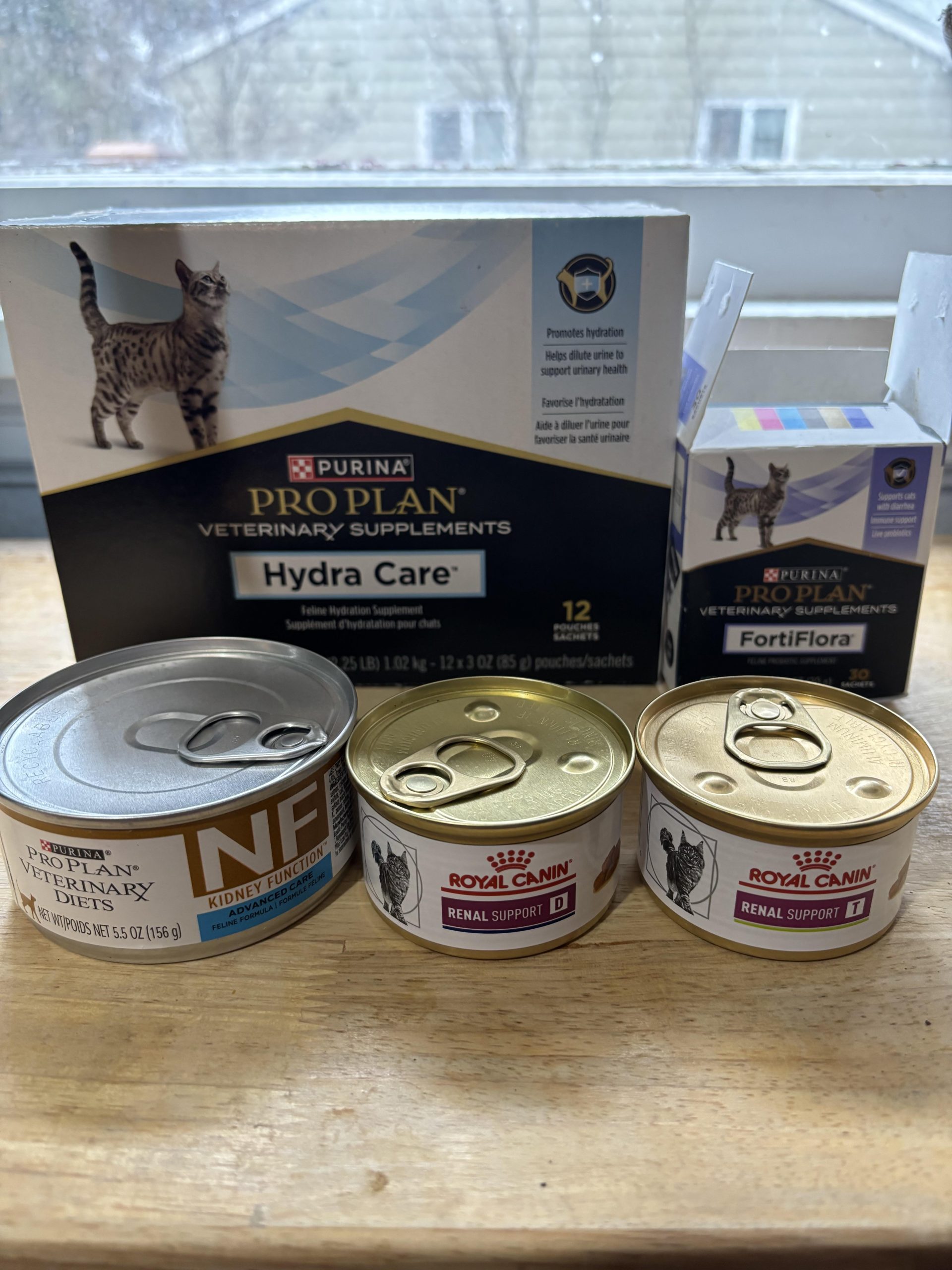
- Canned cat foods with pop-top lids (these may leach chemicals)
Switching to safer bowls and cleaning regularly can help reduce exposure. Although the connection is not fully proven, it’s a practical step for worried owners.
Credit: boulderholisticvet.com
Natural Remedies That Do Not Work And May Be Dangerous
Many websites suggest natural treatment for cat hyperthyroidism using herbs or supplements. However, these are often risky or ineffective.
| Remedy | Effectiveness | Risks |
|---|---|---|
| Lemon balm | No proven benefit | May cause stomach upset |
| Bugleweed | No proven benefit | Toxic to cats |
| Homeopathy | No evidence | Delays real treatment |
| Raw food diets | No evidence | Can unbalance nutrients |
Avoid using herbal remedies or untested diets without your vet’s advice. Some herbs that help people may hurt cats. Delaying medical treatment can lead to serious complications or death.
Monitoring Hyperthyroidism At Home
Regular monitoring is key for successful management. You can help your cat by observing changes and recording them.
What to monitor:
- Weight: Weigh your cat weekly. Weight loss signals uncontrolled disease.
- Appetite: Note changes in eating or drinking.
- Activity: Watch for restlessness, hiding, or excessive movement.
- Vomiting/diarrhea: Track frequency and severity.
- Coat quality: Check for greasy, dull, or patchy fur.
A simple logbook helps you spot changes early. Share your notes with your vet during checkups. Cats with hyperthyroidism need blood tests every 3–6 months to measure thyroid hormone levels.
Here’s a basic monitoring table for home use:
| Parameter | Frequency | Why it matters |
|---|---|---|
| Weight | Weekly | Detects disease control |
| Appetite | Daily | Shows response to treatment |
| Activity | Weekly | Signals improvement or decline |
| Coat quality | Monthly | Indicates overall health |
Diet After Treatment — Reintroducing Normal Food
After successful medical treatment (especially I-131 or surgery), you can usually return to normal cat food. Your vet will check thyroid hormone levels first. If they are normal, your cat can eat any quality commercial food.
Transition tips:
- Switch foods gradually over 7–10 days to avoid stomach upset.
- Monitor weight and appetite closely during the change.
- Choose food suited to your cat’s age and any other health issues.
Some cats may develop hypothyroidism (low thyroid hormone) after treatment. In this case, your vet may recommend special diets or supplements.
Frequently Asked Questions
What Are Early Warning Signs Of Hyperthyroidism In Cats?
The most common early signs are weight loss, increased hunger, and more activity. You may also see vomiting or diarrhea. If your cat is over 10 years old and shows these signs, ask your vet for a thyroid test.
Can Natural Treatments Cure Hyperthyroidism?
No. Natural treatments cannot cure hyperthyroidism. Medical options like methimazole or radioactive iodine are needed to control or cure the disease. Natural support helps your cat feel better, but does not fix the thyroid gland.
Is Hill’s Y/d Diet Safe For All Cats?
Hill’s y/d is safe for most cats with hyperthyroidism. It must be fed as the only food—no treats or other foods. It’s not suitable for kittens, pregnant cats, or cats who need special diets for other diseases.
Are There Any Safe Supplements For Hyperthyroid Cats?
Omega-3 fatty acids and some antioxidants (like Vitamin E) are safe if given in the right dose. Always check with your vet before adding supplements. Avoid herbs or home remedies unless approved.
How Often Should I Check My Cat’s Thyroid Levels?
After diagnosis, your cat should have blood tests every 3–6 months. If on methimazole, tests may be more frequent at first. Regular monitoring helps keep your cat healthy and adjusts treatment as needed.
Managing feline hyperthyroidism needs a mix of medical care and natural support. Medical treatments control thyroid hormone levels and prevent complications. Dietary changes, safe supplements, and environmental adjustments can help your cat feel better and live longer. Avoid risky home remedies or herbal treatments—they rarely work and may harm your cat. By monitoring symptoms and working closely with your vet, you can give your hyperthyroid cat the best possible life. For more on feline health, visit the ASPCA Cat Health Guide. Remember, early action and balanced support are key to managing hyperthyroidism naturally and effectively.
**As an Amazon Associate, I earn from qualifying purchases.**