Increased thirst in senior cats is almost always medically significant. If your old cat is drinking a lot of water, this is not a harmless change. Many owners notice their senior cat drinking more water or always at the water bowl, but don’t realize it’s a warning sign. With aging, cats become prone to certain diseases that cause excessive thirst (also called polydipsia). Understanding what’s normal, what’s abnormal, and what to do next can make a huge difference in your cat’s health and comfort.
How Much Water Should A Cat Normally Drink?
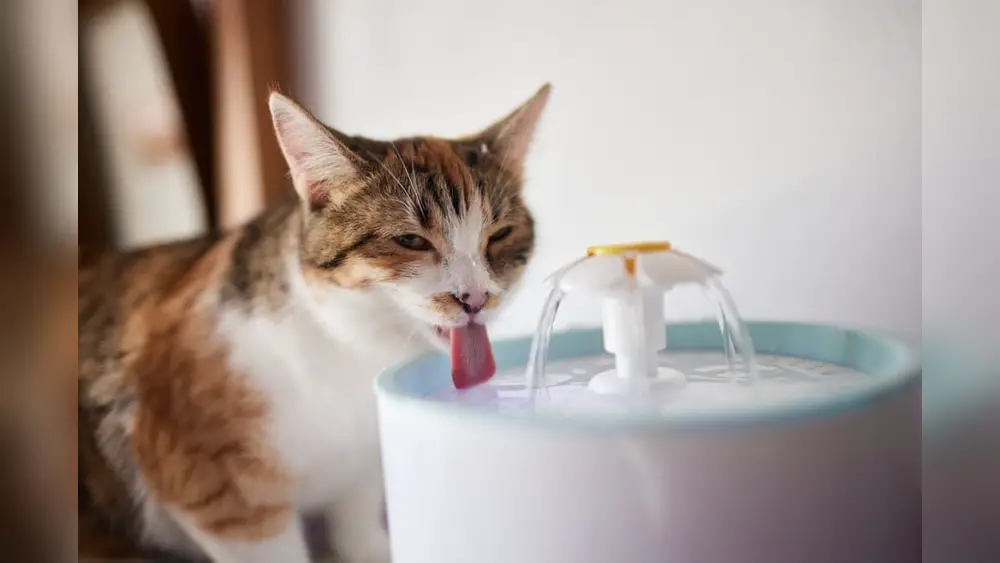
A healthy adult cat should drink 2–4 ounces per 5 pounds of body weight each day. For a typical 10-pound cat, this is 4–8 ounces (about half to one cup). Most cats get some water from their food, especially if they eat wet food.
Cats drinking more than this amount may be showing signs of polydipsia. This condition often comes with polyuria (increased urination). If your cat suddenly drinks a lot more, or you notice more urine in the litter box, it’s important to pay attention.
Here’s a comparison of normal vs abnormal water intake:
| Cat Weight | Normal Daily Water | Excessive Daily Water |
|---|---|---|
| 8 lbs | 3–6 oz | 8+ oz |
| 10 lbs | 4–8 oz | 10+ oz |
| 12 lbs | 5–10 oz | 12+ oz |
How To Tell If Your Cat Is Drinking Too Much
Most owners don’t measure their cat’s water intake, so spotting changes can be tricky. Signs your elderly cat has excessive thirst include:
- You refill the water bowl more often than before
- Your cat spends more time at the water bowl, sometimes several times a day
- The litter box is wetter, with more urine clumps
- Your cat may seek water from unusual places (faucets, toilets)
To measure cat water intake, fill the bowl with a set amount, note the level, and check after 24 hours. Keep other sources (like dripping faucets) closed. Compare the amount to the chart above.
Unusual thirst is not normal for senior cats. It is a sign to investigate further, especially if paired with increased urination, weight loss, or changes in appetite.
Credit: www.uahpet.com
The Most Common Causes Of Excessive Thirst In Senior Cats
When your old cat is always at the water bowl, it’s likely due to one of a few common medical problems. Here are the main causes:
1 — Chronic Kidney Disease
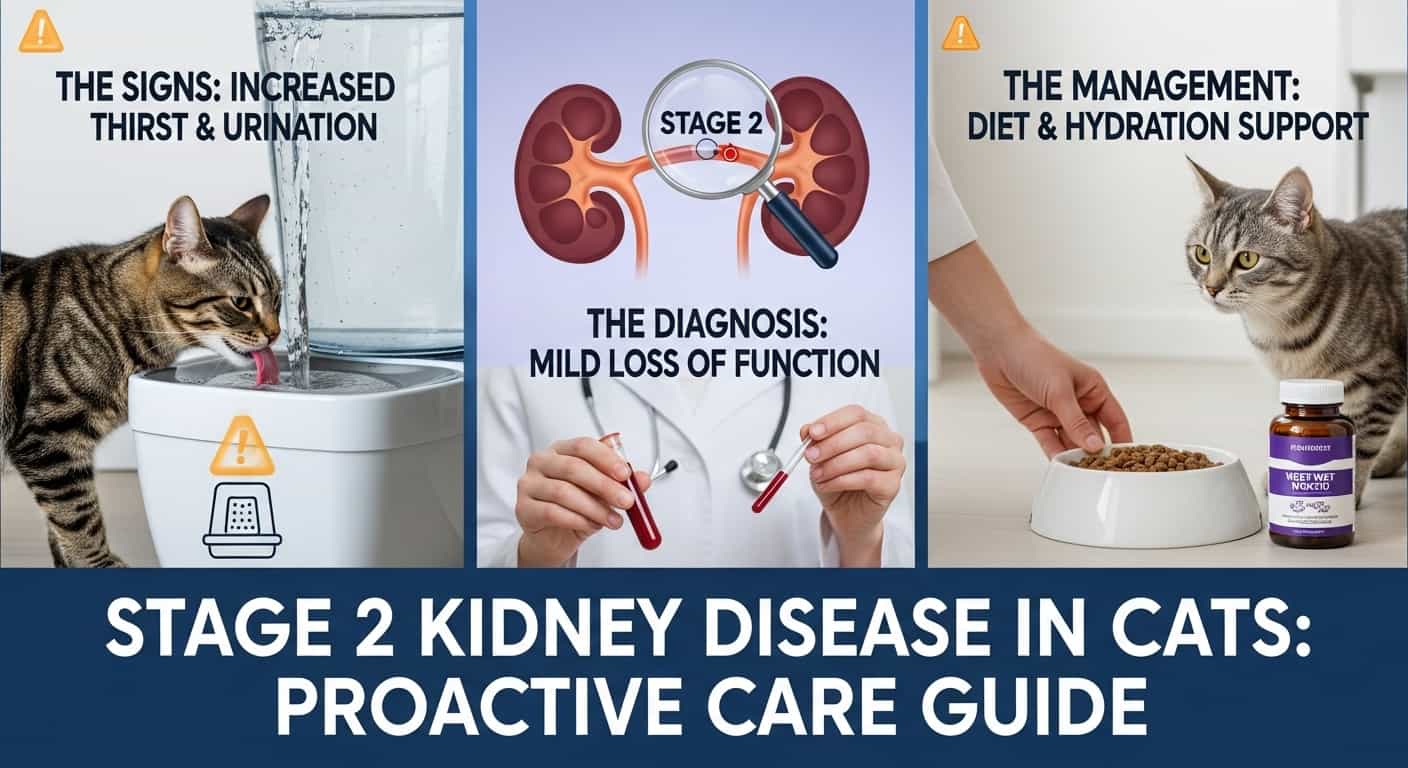
Chronic kidney disease (CKD) is the most frequent cause of excessive thirst in older cats. Damaged kidneys can’t concentrate urine, so cats lose more water and drink more to compensate. Blood test elevated kidney values (like creatinine and BUN) confirm CKD. Early signs include drinking and urinating more, followed by weight loss and decreased appetite.
| CKD Stage | Common Symptoms | Water Intake |
|---|---|---|
| Early | Thirst, increased urination | Moderately increased |
| Moderate | Thirst, weight loss | High |
| Advanced | Thirst, vomiting, lethargy | Very high |
2 — Hyperthyroidism
Hyperthyroidism is common in senior cats. It causes the body to speed up, leading to hyperthyroidism thirst, increased appetite, and sometimes hyperactivity. The thyroid hormone levels are high, and cats may drink more and urinate more.
3 — Diabetes Mellitus
Diabetes mellitus causes diabetes mellitus thirst in cats. High blood sugar levels force the kidneys to eliminate extra glucose, which pulls water along. Cats drink lots of water and urinate frequently. Other signs are weight loss and increased appetite.
4 — Liver Disease
While less common, liver disease can cause excessive thirst. The liver helps balance fluids and toxins. If it isn’t working well, cats may drink more water to flush toxins. Symptoms can include vomiting, yellow gums, and lack of appetite.
5 — Medications (corticosteroids)
Some cats take corticosteroids for allergies or inflammation. These drugs can make cats thirsty and cause increased urination. If your senior cat starts medication and shows increased water intake, talk to your vet about side effects.
What Tests Will The Vet Run?
If your senior cat increased water intake is noticed, the vet will do several tests:
- Physical exam: Checks for dehydration, weight loss, and overall health
- Blood tests: Looks for elevated kidney values, thyroid hormone levels, blood sugar
- Urine tests: Checks for concentration, glucose, protein, and signs of infection
- Ultrasound or X-rays: May be used to assess organs
Here’s a summary of what each test can detect:
| Test | Possible Findings | Related Disease |
|---|---|---|
| Blood chemistry | High creatinine, BUN | CKD |
| Thyroid panel | High T4 | Hyperthyroidism |
| Glucose test | High glucose | Diabetes mellitus |
| Urinalysis | Low concentration, glucose | CKD, diabetes |
Credit: heronscrossing.vet
When To Call The Vet Urgently
Not every case of increased thirst needs an emergency visit, but some signs mean you should call the vet right away:
- Vomiting and diarrhea with excessive thirst
- Loss of appetite for more than 24 hours
- Lethargy or weakness
- Rapid weight loss
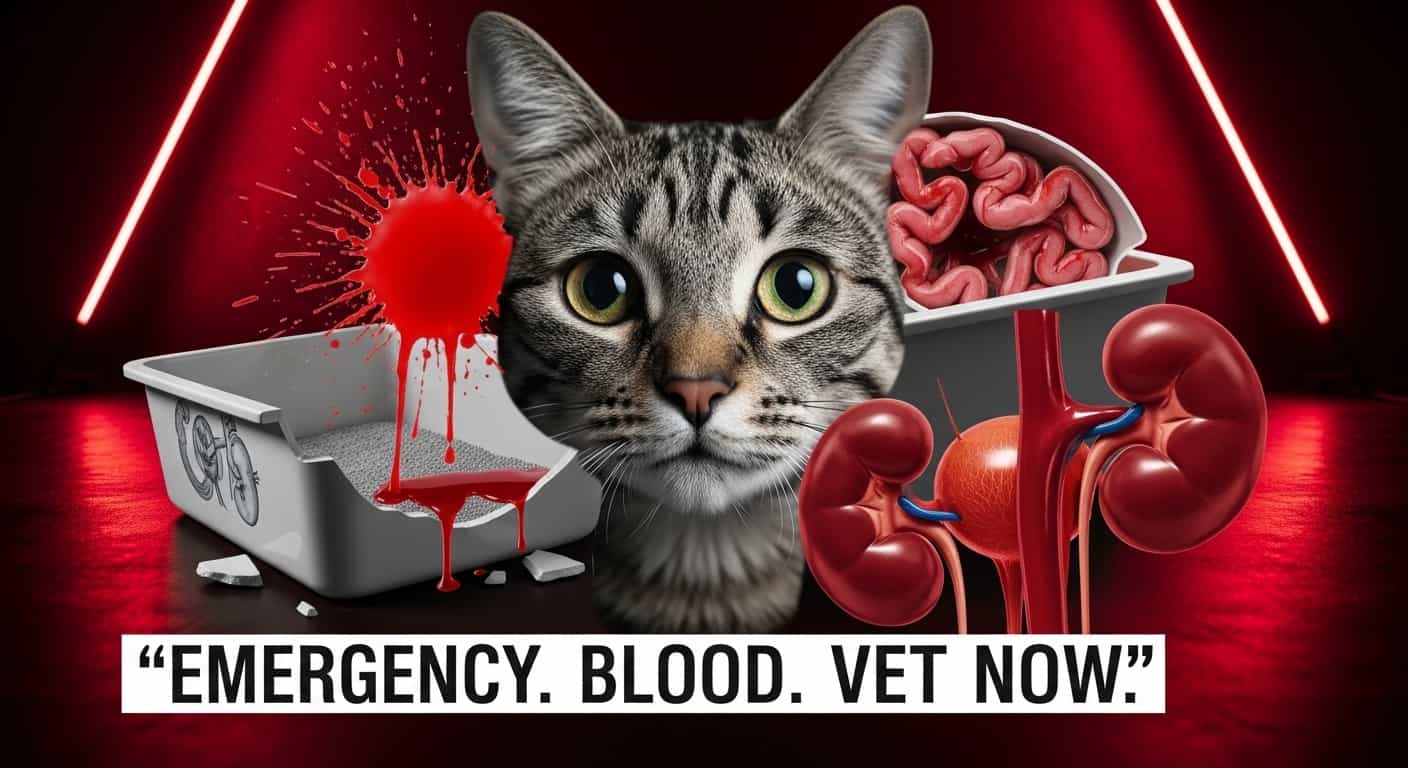
- Blood in urine or difficulty urinating
These symptoms can signal a serious underlying problem. Early diagnosis and treatment can extend your cat’s life and comfort. Delaying care for an elderly cat with excessive thirst is risky.
Frequently Asked Questions
Why Is My Old Cat Always At The Water Bowl?
Your cat is likely showing polydipsia, which is a sign of diseases like CKD, diabetes, or hyperthyroidism. It’s not normal for senior cats to drink a lot unless there’s a medical issue.
How Can I Measure My Cat’s Water Intake?
Fill the bowl with a known amount, check after 24 hours, and subtract any spilled water. Cats eating wet food drink less, so track food types too.
What Are The Signs Of Chronic Kidney Disease In Cats?
Common signs are increased thirst and urination, weight loss, poor coat, and sometimes vomiting. Blood and urine tests confirm CKD.
Can Stress Cause My Elderly Cat To Drink More Water?
Stress may cause mild changes but rarely leads to excessive thirst. Always rule out medical causes first.
Where Can I Learn More About Cat Polydipsia Causes?
Visit Wikipedia for more scientific details about polydipsia in cats.
When your old cat drinks a lot of water, it’s important to act quickly. Catching the problem early gives your cat the best chance for a longer, happier life. Watch for changes, measure water intake, and don’t hesitate to ask your vet for help. Senior cats depend on us to notice what’s wrong.

Credit: www.reddit.com
**As an Amazon Associate, I earn from qualifying purchases.**