How long can a senior cat go without eating — and why it matters
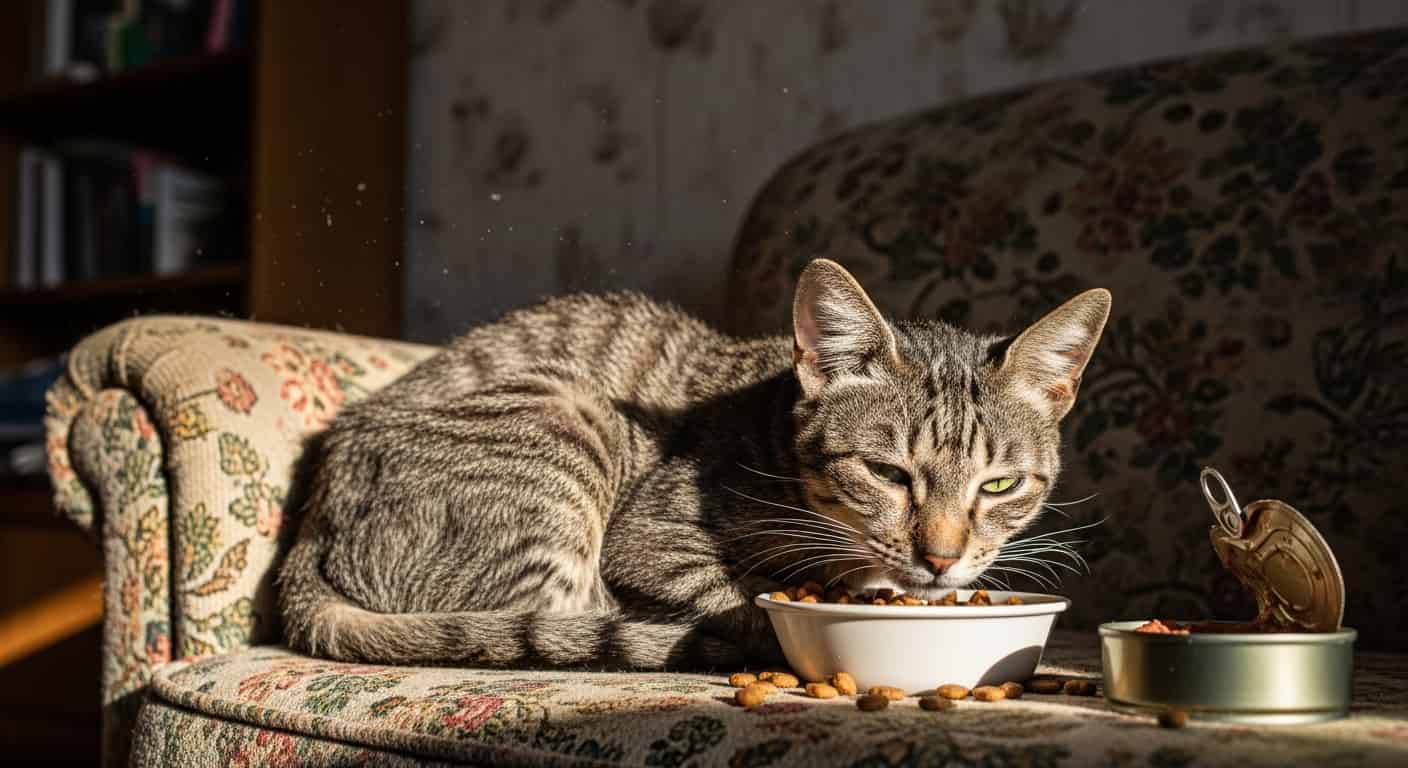
When your senior cat stops eating, it’s not just a small worry—it can quickly become an emergency. Healthy adult cats can sometimes go two days without food, but for an old cat refusing food, the risks climb faster. A cat’s liver isn’t built to handle long fasts, especially in older cats. After only 24–48 hours without eating, a senior cat’s body starts breaking down fat for energy. This can lead to a dangerous condition called hepatic lipidosis (fatty liver disease), which is often fatal if not treated quickly. The older your cat, the less time you have to wait and see. If your elderly cat stopped eating, you need to act fast to protect their health and quality of life.
Common Causes Of Appetite Loss In Senior Cats
Understanding why your senior cat is not eating starts with knowing the most common reasons for appetite loss. Older cats are vulnerable to several health problems that can make them turn away from food.
Nausea And Gastrointestinal Issues
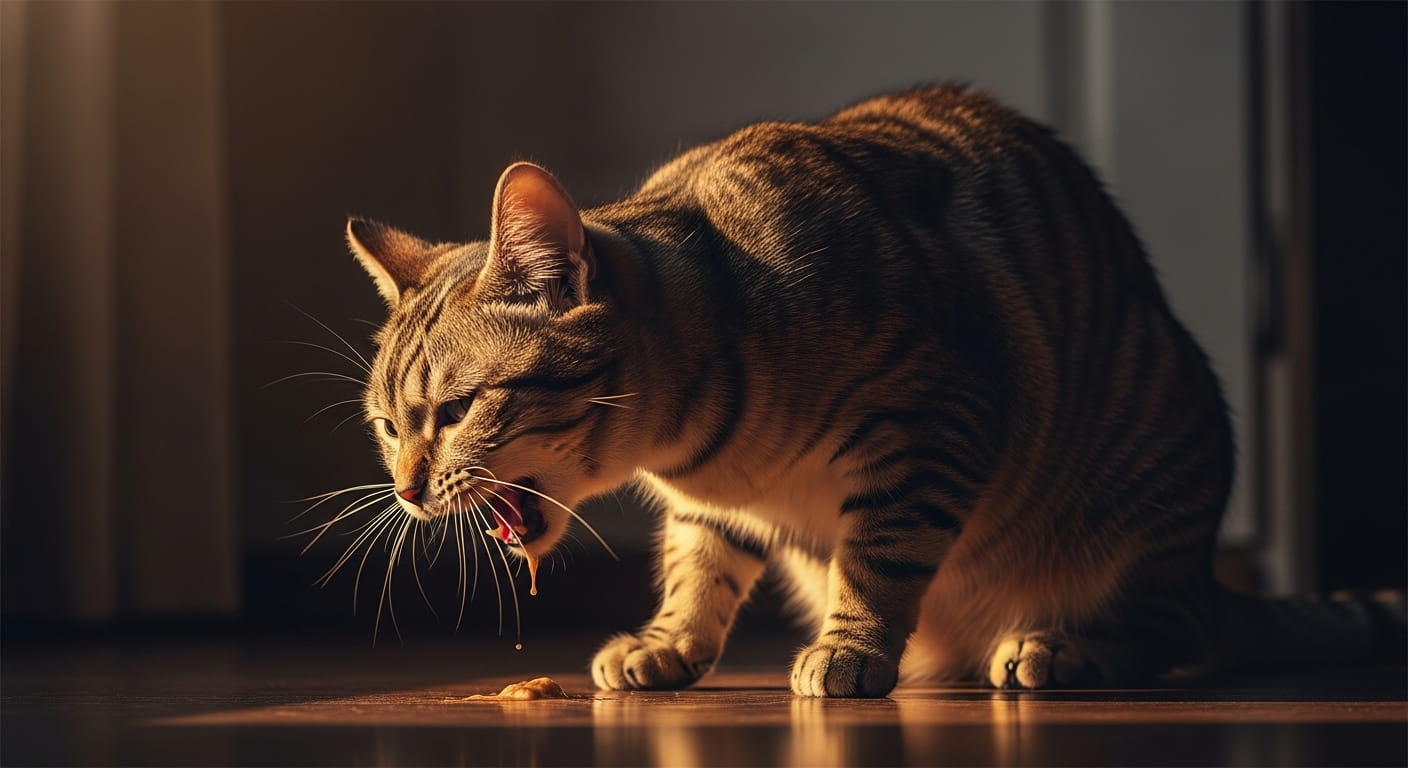
Nausea is one of the most common reasons a senior cat is off food. As cats age, their digestive system can slow down or become more sensitive. Problems like inflammatory bowel disease, constipation, or even simple hairballs can cause discomfort or make eating unpleasant. You might notice your cat sniffing food and then walking away, licking lips, or even drooling. Vomiting or diarrhea sometimes appears, but many cats just quietly stop eating.
Pain (dental, Arthritis, Organ Disease)
Dental disease is extremely common in senior cats—over 70% of cats above age 7 have some form of dental problem. Pain from inflamed gums, loose teeth, or oral tumors can make chewing difficult or impossible. Arthritis is another hidden pain that makes it hard for cats to reach their bowl or sit comfortably to eat. Organ disease (such as pancreatitis or cancer) can also cause pain that suppresses appetite. Watch for subtle signs: dropping food, favoring one side of the mouth, or avoiding hard kibble.
Kidney Or Liver Disease
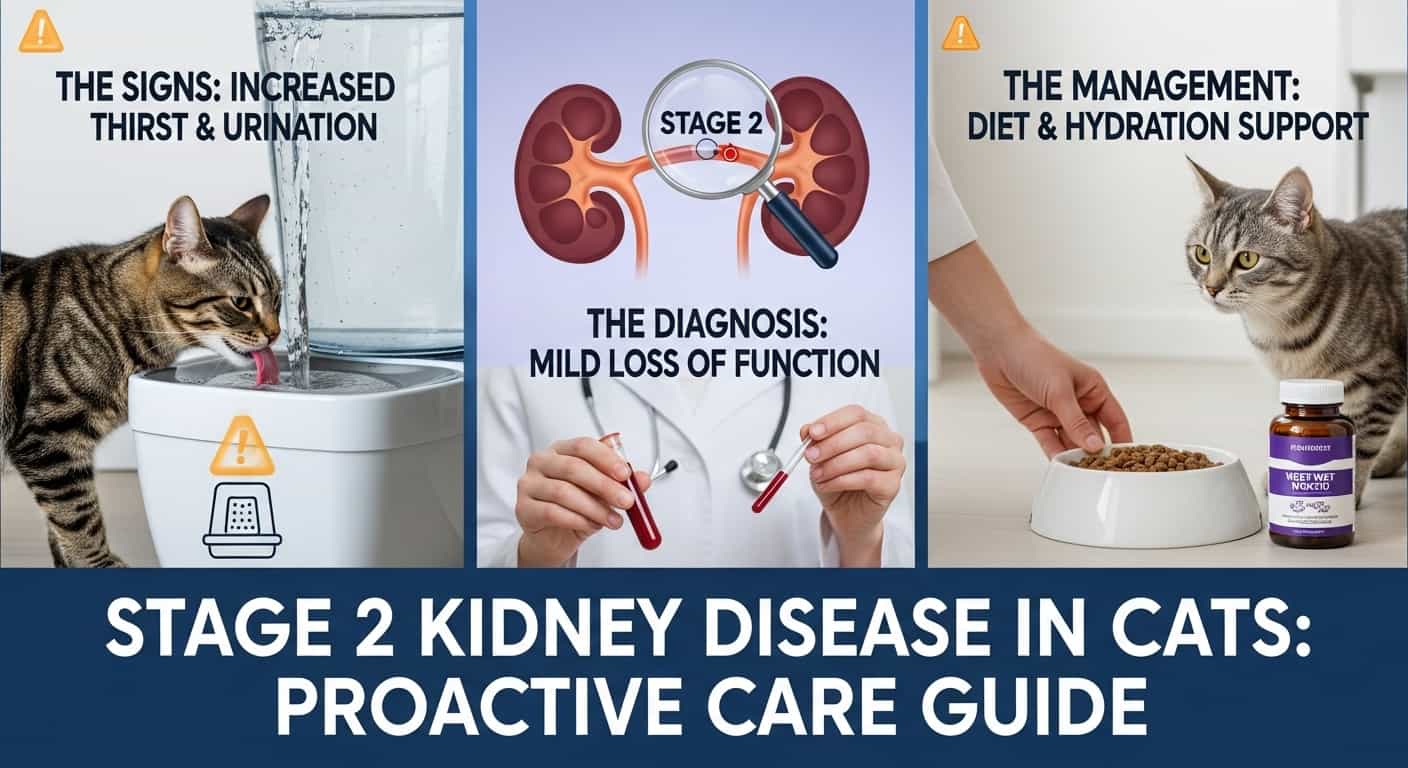
Kidney disease affects about 20–30% of cats over age 10. The buildup of toxins in the blood causes nausea and loss of appetite. Liver disease can make a cat feel weak and uninterested in food, and both conditions can progress quickly in the elderly. If your cat is drinking more water, urinating more, or losing weight, these could be early signs. Bloodwork at the vet is essential to diagnose these conditions.
Hyperthyroidism Paradox
Hyperthyroidism is common in older cats. Oddly, it usually causes an increased appetite—but in some cases, the opposite happens. If your cat has hyperthyroidism but is also dealing with heart problems or digestive issues, they might refuse food. Some medications for thyroid disease can also make cats nauseous or picky about food.
Cognitive Decline
As cats age, some develop feline cognitive dysfunction (similar to dementia). This can make them confused, anxious, or forgetful—even about eating. A cat may not recognize their food, forget where the bowl is, or become unsettled by changes in routine. Signs of cognitive decline include wandering, yowling at night, or staring into space.
Stress Or Anxiety
Senior cats are sensitive to change. Moving homes, new pets, changes in their favorite person’s schedule, or even a change in food can make an old cat refuse food. Illness, pain, or a new medication can also increase anxiety. Look for hiding, avoiding the family, or changes in sleeping patterns.
Why Senior Cats Not Eating Is A Medical Emergency After 24–48 Hours
For an elderly cat that stopped eating, even one missed meal can mean trouble. Cats are “obligate carnivores,” which means they need protein every day. When a senior cat won’t eat for over 24 hours, their body starts breaking down fat for energy. But a cat’s liver can’t process large amounts of fat, especially in older animals. This leads to hepatic lipidosis, or fatty liver. Fatty liver is deadly without quick treatment.
Here’s how fast things can change:
| Time Without Food | Risks for Senior Cats |
|---|---|
| 12–24 hours | Dehydration risk begins, mild weakness |
| 24–48 hours | Fat breakdown starts, liver overload risk |
| 48+ hours | High risk of fatty liver disease, rapid decline |
After 48 hours with no food, recovery becomes much harder, and vet care is urgent. Never wait more than a day if your cat won’t eat in old age—the sooner you act, the better the outcome.

Credit: www.autoclima.com
How To Stimulate A Senior Cat’s Appetite At Home
While you’re calling the vet or waiting for an appointment, there are a few safe ways to encourage eating. These tips help many senior cats, but if your cat refuses all food for 24 hours, seek vet help right away.
Warm The Food
Warming wet cat food (not hot, just room temperature or slightly above) brings out the aroma. Cats rely heavily on smell to decide if they want to eat. Try microwaving a small amount for 5–10 seconds, mixing well. Never serve food that is hot to touch.
Try Different Textures And Flavors
Some elderly cats develop food preferences as they age. If your cat usually eats pate, try chunks in gravy, or vice versa. Some prefer fish flavors; others want chicken or turkey. Offering a variety can sometimes tempt them to eat. Avoid frequent switches if your cat has a sensitive stomach, but a little experimentation can help.
Hand Feeding
For cats who are weak or anxious, try offering small pieces of food on your finger or a spoon. Sometimes, the extra attention and gentle encouragement make a difference. Sit quietly with your cat and let them sniff and lick the food.
This can also help you notice if chewing is painful.
Appetite Stimulant Foods (chicken Broth, Tuna Water)
Some foods are natural appetite stimulants for cats. Unsalted chicken broth, tuna water (from canned tuna in water, not oil or brine), or a little bit of plain baby food (chicken or turkey, no onion or garlic) can encourage eating. These should not replace regular meals but can start your cat eating again.
Here’s a quick look at homemade appetite boosters:
| Food | How to Offer | Notes |
|---|---|---|
| Chicken broth (unsalted) | Mix a spoonful into wet food | Never use onion/garlic broth |
| Tuna water | Drizzle over food or serve alone | Use tuna packed in water only |
| Plain baby food | Small amount by spoon/finger | Check label for onion/garlic |
Medical Appetite Stimulants — What Vets Can Prescribe
If home tricks don’t work, your vet can prescribe medical appetite stimulants. These are safe when used under veterinary care and can help get your senior cat eating again while the underlying problem is treated.
Some common options include:
- Mirtazapine — Often used as an anti-nausea and appetite stimulant. Comes as a pill or transdermal gel (applied to the ear).
- Cyproheptadine — An older medication that works for some cats as an appetite booster.
- Entyce (capromorelin) — A newer liquid appetite stimulant, approved for dogs but sometimes used in cats off-label.
- Steroids (prednisolone) — Sometimes used in cats with cancer or severe inflammation to boost hunger.
Every medication has possible side effects. Your vet will pick the best option based on your cat’s age, weight, other illnesses, and medications. Some appetite stimulants also treat nausea, which is important if your cat has kidney disease or cancer.
Here’s a quick comparison:
| Medication | Form | Main Use | Common Side Effects |
|---|---|---|---|
| Mirtazapine | Pill/gel | Appetite, nausea | Vocalizing, restlessness |
| Cyproheptadine | Pill | Appetite | Drowsiness |
| Entyce | Liquid | Appetite | Drooling, GI upset |
| Steroids | Pill/liquid | Inflammation, appetite | Increased thirst, urination |

Credit: www.artisticd.com
When To Go To The Vet Immediately
Some signs mean you should stop home care and see the vet right away. For elderly cats, waiting can make the difference between recovery and a crisis.
Take your senior cat to the vet immediately if you notice:
- Refusal to eat for more than 24 hours
- Vomiting, especially if repeated or with blood
- Diarrhea lasting more than a day
- Severe weakness, collapse, or trouble standing
- Yellow gums or eyes (signs of liver trouble)
- Difficulty breathing, coughing, or heavy panting
- Sudden weight loss or dehydration (skin stays tented when pinched)
Also, if your cat is hiding, seems confused, or cries out in pain, don’t delay. Senior cats crash fast, and early treatment offers the best hope.
Frequently Asked Questions
Why Is My Senior Cat Not Eating But Acting Normal?
Some cats hide sickness well. Even if your old cat is refusing food but seems otherwise normal, it can mean early kidney disease, dental pain, or stress. Always call your vet if your senior cat skips meals for more than a day.
How Long Can An Elderly Cat Go Without Eating?
A healthy adult cat might last 2–3 days, but for a senior cat, going without food for 24–48 hours is dangerous. After this time, the risk of fatty liver disease becomes very high. Never wait longer than a day to seek help.
What Can I Feed My Elderly Cat That Won’t Eat?
Try warming wet food, offering tuna water, or plain baby food (no onion/garlic). Hand feeding small amounts may help. These are temporary fixes—if your senior cat is off food, a vet must find the real cause.
Is It Normal For Old Cats To Lose Their Appetite?
A mild slowdown in eating can happen with age, but complete refusal is never normal. Always investigate causes like pain, kidney disease, or stress. Early vet care prevents serious problems.
Are There Any Home Remedies For An Elderly Cat That Stopped Eating?
Safe home options include warming food, trying new textures/flavors, and offering unsalted broth or tuna water. However, these are short-term. If your cat won’t eat due to old age, see a vet for a proper diagnosis and treatment. For more information, visit the ASPCA Cat Care Guide.
A senior cat not eating is always a reason for concern. Paying attention to changes, acting quickly, and working with your vet can make all the difference. Many appetite problems in elderly cats can be managed or even reversed if caught early.
Your cat’s golden years can still be happy and healthy with the right care and attention.

Credit: www.autoclima.com
**As an Amazon Associate, I earn from qualifying purchases.**