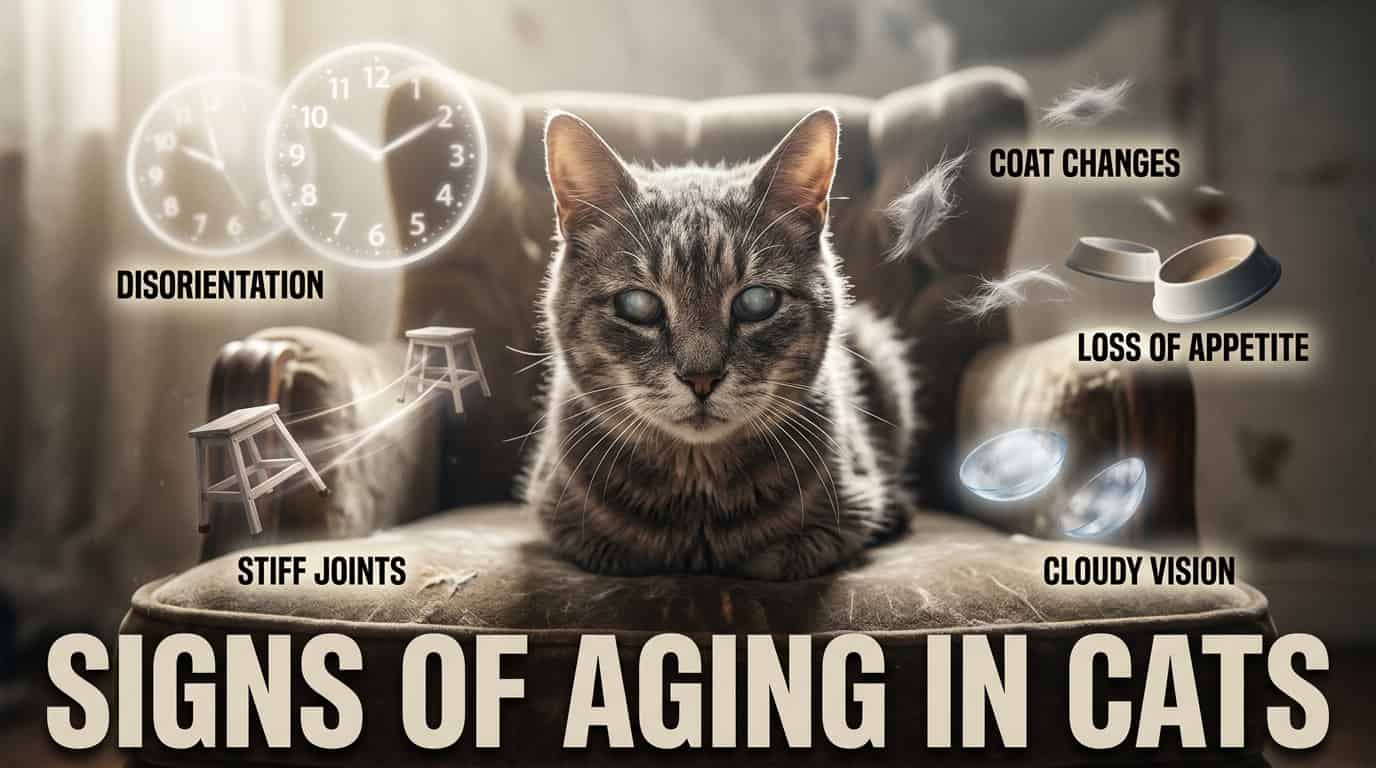
Cats age faster than we do — here is what to look for
Most people think cats always land on their feet and stay playful for life. But just like us, cats grow older and show many changes as the years pass. Sometimes, these changes are slow and easy to miss. Other times, they happen quickly and need attention. If you live with a cat, knowing the signs of aging can help you give better care and spot problems early. A cat’s golden years can still be happy, but only if you understand what’s normal and what needs help. This guide explains the main signs of aging in cats, practical ways to spot them, and what to do if you notice something unusual.
Physical Signs Of Aging In Cats
As cats age, their bodies change in visible ways. Not every change means something is wrong, but it’s important to watch for patterns. Here are the main physical signs to notice.
Weight Changes
Older cats often experience weight changes. Some cats lose weight, especially muscle, because their bodies do not use food as well. Others gain weight due to less activity or slow metabolism. Sudden or extreme weight changes can signal health problems like diabetes or kidney disease.
Key points to watch:
- Ribs or spine feel sharper than before
- Belly looks smaller or sags
- Sudden increase in fat around the middle
Non-obvious insight: Sometimes, weight loss happens even when your cat eats well. This can mean thyroid or digestive issues, not just “old age.”
Coat And Skin Changes
Aging brings visible changes to your cat’s fur and skin. The coat may lose shine, become dull, or develop mats. Some cats grow more white or gray hairs, especially around the face. The skin can become thinner and less elastic.
Wounds may heal more slowly.
What to notice:
- More dandruff or flaky skin
- Bald patches or thinning fur
- Lumps, bumps, or sores that do not heal
Practical tip: Older cats often groom less. If your cat’s coat looks dirty or matted, help with gentle brushing.
Dental Changes
Dental health often declines with age. Many senior cats develop dental disease: gums may look red or swollen, and teeth can become loose or fall out. Bad breath is common. Eating may become painful.
Signs of dental aging:
- Drooling more than before
- Eating slower or dropping food
- Swelling around the mouth
Non-obvious insight: Dental pain can cause behavior changes, like hiding or refusing dry food. Always check your cat’s mouth for problems.
Eye And Hearing Changes
Eyes and ears show clear signs of aging. Many older cats develop a cloudy look in their eyes, or lenticular sclerosis. Vision might decline, especially in low light. Hearing loss is also common, so your cat might not respond to sounds as quickly.
What to look for:
- Bumping into objects
- Startling easily when touched
- Not waking up from sleep with normal noises
Practical tip: If your cat ignores toys or voices, check both vision and hearing, not just one.
Mobility And Joint Stiffness
Arthritis and joint stiffness affect many senior cats. They may have trouble jumping up or down, hesitate before climbing, or walk more slowly. Some cats limp or move awkwardly.
Common signs:
- Less climbing or jumping onto furniture
- Difficulty using stairs
- Stiffness after resting
Non-obvious insight: Cats rarely cry out in pain from arthritis. Instead, they change their routines quietly. Watch for changes in where your cat likes to sleep or rest.
Here’s a comparison of common physical signs in young vs. older cats:
| Physical Feature | Young Cat | Older Cat |
|---|---|---|
| Coat | Sleek, shiny | Dull, patchy, matted |
| Weight | Stable, muscular | Loss of muscle or extra fat |
| Teeth | White, clean | Tartar, missing teeth |
| Mobility | Active, agile | Slow, stiff, less jumping |
Behavioural Signs Of Aging In Cats
As cats get older, their behavior can change as much as their bodies. Some changes are gentle, while others are easy to notice.
Sleeping More
Senior cats tend to sleep more. It’s not unusual for an older cat to nap 16–20 hours a day. Sleep patterns may change, with more napping in daylight.
Signs to watch:
- Sleeping in new, quieter places
- Less interest in play or social time
- Hard to wake up for meals
Practical tip: If your cat stops playing completely or seems “out of it,” check for illness, not just age.
Changes In Appetite
Appetite can increase or decrease with age. Some cats eat less due to less smell or taste, dental pain, or slower digestion. Others may eat more if they have thyroid problems.
What to notice:
- Suddenly eating much more or less
- Begging for food at odd times
- Ignoring favorite treats
Non-obvious insight: Cats that stop eating for more than a day need a vet visit. Even a short fast can cause serious liver problems in older cats.
Increased Or Decreased Vocalisation
Some older cats become more talkative. Others become quieter. Loud meowing, especially at night, can signal confusion or hearing loss.
Signs include:
- Yowling at night or when alone
- Meowing for no clear reason
- Suddenly silent when usually talkative
Practical tip: Changes in voice or meowing can also mean pain or anxiety, not just aging.
Litter Box Changes
Older cats sometimes stop using the litter box as they used to. This can happen due to stiff joints, confusion, or bladder problems.
What to look for:
- Urinating or defecating outside the box
- Missing the box by a few inches
- Straining or crying when using the box
Non-obvious insight: A dirty litter box can make things worse. Arthritis can make high-sided boxes hard to enter. Choose a low-entry box for seniors.
Disorientation Or Confusion
Cognitive changes are common in older cats. They may get lost in familiar rooms, seem confused, or act anxious. This is sometimes called feline cognitive dysfunction (FCD), similar to dementia in humans.
Signs include:
- Getting stuck in corners
- Not recognizing family members
- Forgetting routines or mealtimes
Practical tip: Not all confusion is dementia. Sudden confusion can be caused by illness, pain, or stress.
Here’s how behavioral signs might differ between healthy aging and illness:
| Behavior | Healthy Aging | Possible Illness |
|---|---|---|
| Sleeping more | Gradual, cat wakes easily | Lethargy, hard to wake |
| Appetite change | Slight decrease with age | Stops eating, sudden weight loss |
| Vocalisation | More meowing at night | Painful cries, all day long |
| Litter box use | Occasional miss, easy to correct | Frequent accidents, blood in urine |
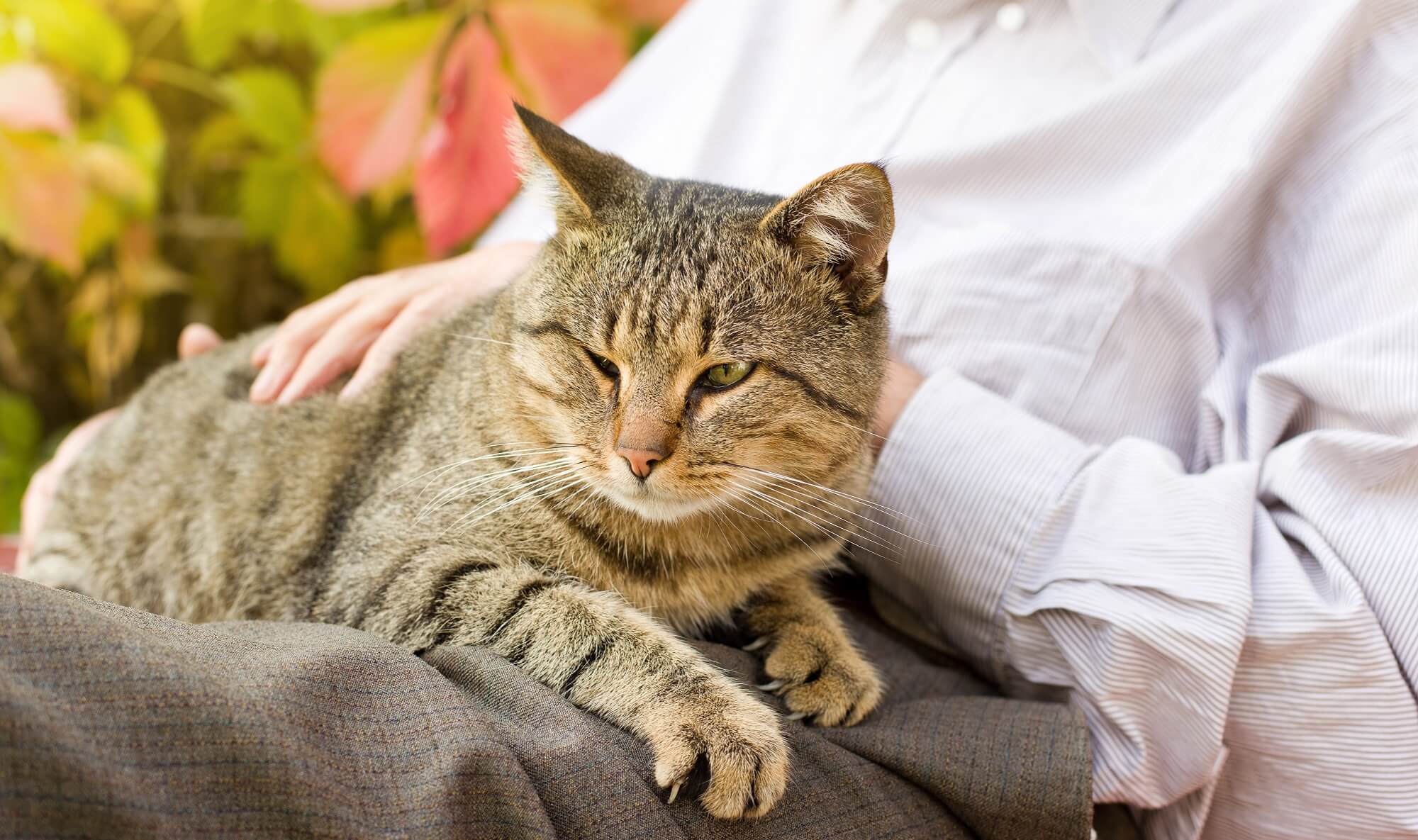
Credit: www.papayapet.com
Normal Aging Vs Signs Of Illness — How To Tell The Difference
It’s not always easy to tell normal aging from illness in cats. Some signs, like sleeping more, can be part of both. The key is to watch for sudden changes, patterns, or symptoms that don’t fit your cat’s usual routine.
Normal aging often comes slowly and doesn’t make your cat suffer. Illness usually causes fast, severe, or painful symptoms. For example, losing a little muscle over years is normal. Rapid weight loss in weeks is not.
Red flags that suggest illness:
- Quick changes in eating or drinking
- Vomiting or diarrhea that lasts more than a day
- Bleeding, sores, or bad smells from the mouth or body
- Trouble breathing or walking
Non-obvious insight: If your cat stops grooming suddenly, seems depressed, or hides much more, see a vet. Cats hide pain well, so even small changes matter.
Checklist: Signs That Need A Vet Visit
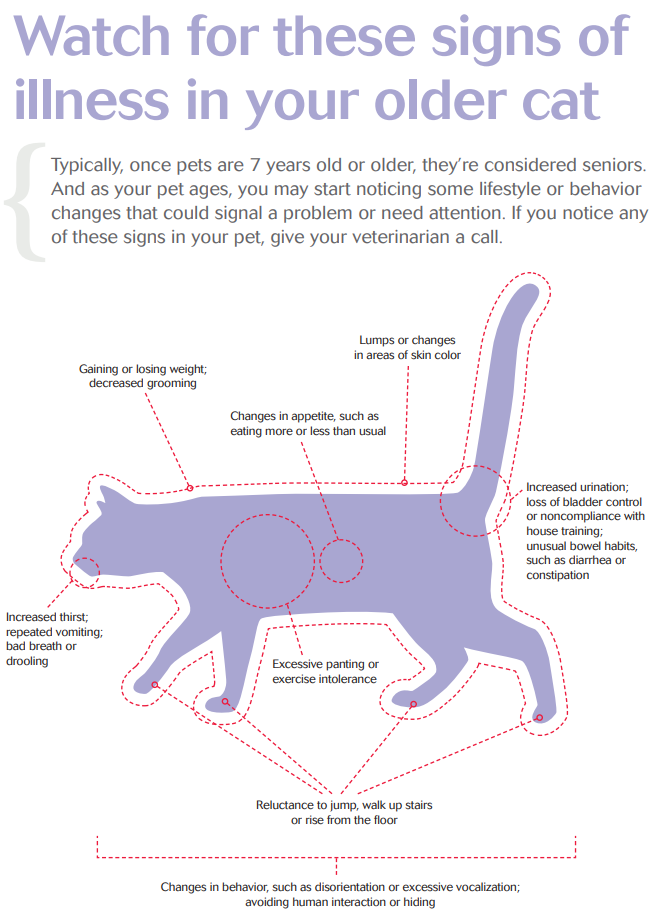
It’s always better to check with a vet if you are not sure. Here is a quick checklist of signs that need a vet visit:
- Eating or drinking much less or much more than normal
- Not using the litter box, or accidents in the house
- Weight loss or gain without a diet change
- Vomiting, diarrhea, or constipation lasting more than 24 hours
- Coughing, sneezing, or trouble breathing
- Limping, stiffness, or not moving as usual
- Sudden blindness, bumping into things, or eye changes
- Bleeding, sores, or bad smells from the body or mouth
- Changes in social behavior: Hiding, aggression, or confusion
- Excessive grooming, scratching, or hair loss
If you notice any of these, do not wait. Early help can make a big difference, especially in older cats.

Credit: journals.sagepub.com
How Often Should Senior Cats See The Vet?
Senior cats need more frequent check-ups than younger cats. Most vets recommend a visit every six months once your cat reaches 7–10 years old. These visits should include a full physical exam, weight check, and blood tests. Some cats need dental checks or blood pressure monitoring.
Why more visits?
- Older cats hide illness better
- Many problems are easier to treat early
- Vet can adjust food, medicine, or care as your cat ages
Practical tip: Bring a list of changes you’ve noticed to each vet visit. Even small details help your vet spot early problems.
Here’s a simple schedule comparing vet visits for cats by age:
| Cat Age | Vet Visit Frequency | Main Focus |
|---|---|---|
| Under 7 years | Yearly | Vaccines, general health |
| 7–10 years | Twice a year | Early aging signs, blood tests |
| 10+ years | Twice a year (or more) | Chronic disease, comfort care |
Frequently Asked Questions
What Age Is Considered “senior” For A Cat?
Most cats are called senior between 7 and 10 years old. Some breeds live longer, so “senior” can start later. At 11–14 years, cats are often called “geriatric.” Age is just a guide—watch your cat’s health, not just the numbers.
How Can I Help My Aging Cat Feel Comfortable?
Give your senior cat a soft, warm bed, easy access to water, and litter boxes with low sides. Place food and water in quiet, safe spots. Gentle brushing, ramps, and extra playtime help keep them happy.
Should I Change My Cat’s Diet As They Age?
Yes, older cats often need food with more protein, easier digestion, and extra water. Ask your vet about senior cat food or special diets for health problems. Sudden changes can upset your cat’s stomach, so switch slowly.
Are Hairballs More Common In Older Cats?
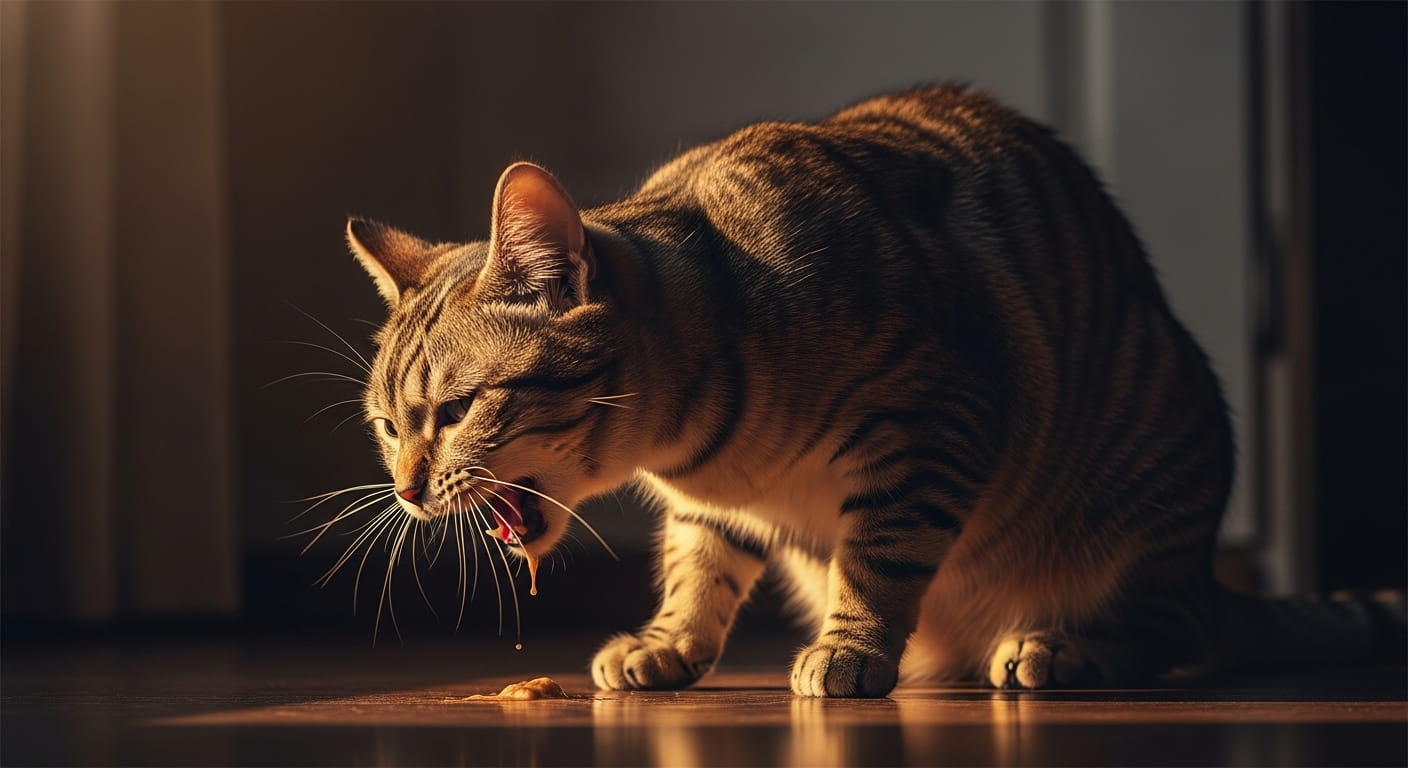
Hairballs can increase if older cats groom less or have trouble digesting fur. However, frequent vomiting is not normal. If hairballs become common, check with your vet for underlying problems.
What Is Feline Cognitive Dysfunction?
Feline cognitive dysfunction is like dementia in people. It causes confusion, sleep changes, and behavior problems in older cats. There are treatments to help, but early vet care works best. Learn more at AVMA.
Aging is natural, but understanding the signs helps you give your cat the best life possible. By watching for changes and working with your vet, you can keep your senior cat comfortable and happy for years to come. For more tips on caring for older cats, see our complete guide to senior cat care.
Credit: shulervetclinic.com
**As an Amazon Associate, I earn from qualifying purchases.**