Weight loss in a senior cat who continues to eat normally is never just a sign of old age. Many owners think their elderly cat is simply “slimming down” with time, but this is a myth. If your old cat is losing weight but eating, it usually means something is wrong. Understanding why this happens can make a huge difference in your cat’s health and quality of life. This article explains the main causes, how to check for weight loss, when to visit the vet, what tests to expect, and practical ways to help your senior cat gain weight again.
The Most Common Causes Of Weight Loss In Senior Cats
Cats over 10 years old often face health problems that cause weight loss, even when their appetite seems normal. Below are the most common medical reasons.
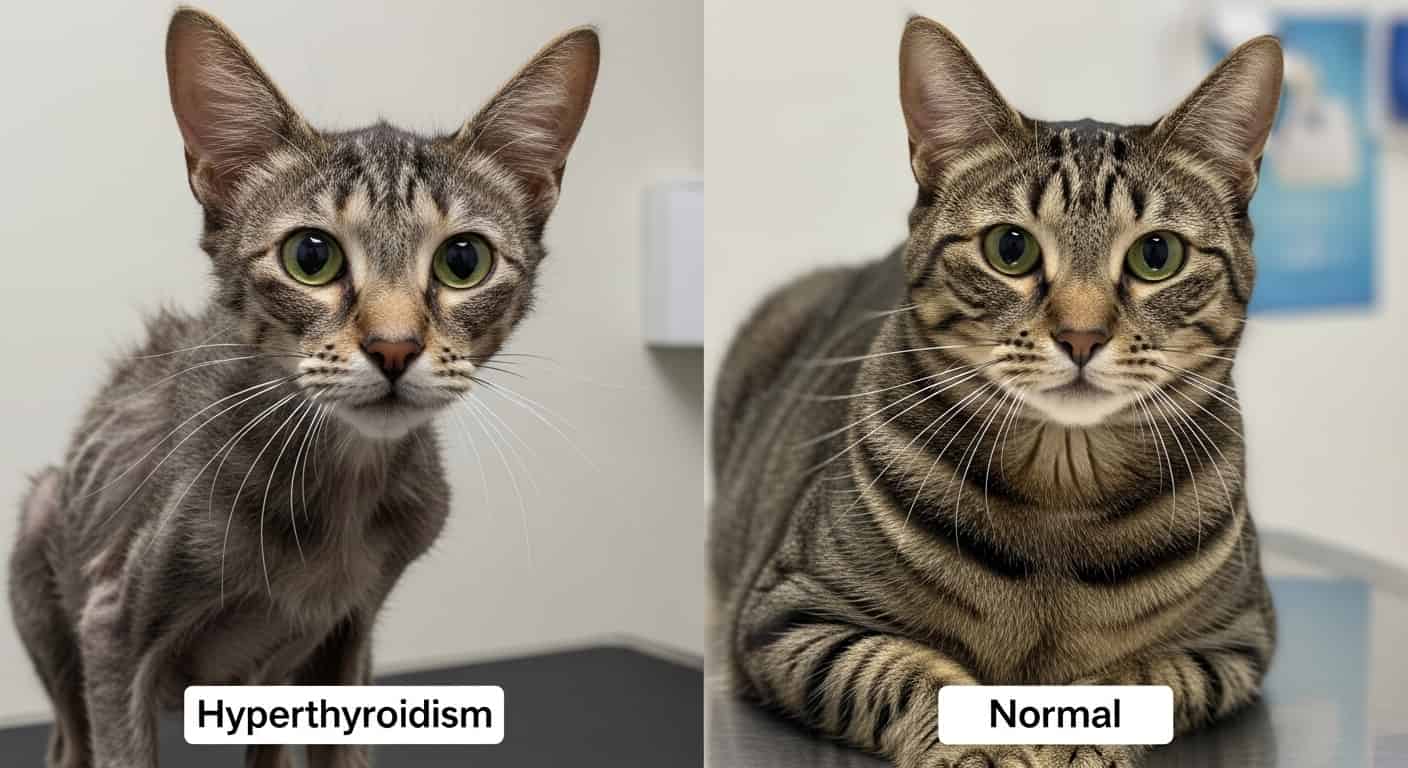
1 — Hyperthyroidism
Hyperthyroidism is the top cause of weight loss in older cats. It affects about 10% of cats over age 10. The thyroid gland produces too much hormone, speeding up metabolism. Cats may:
- Eat more than usual
- Lose weight fast
- Show increased activity or restlessness
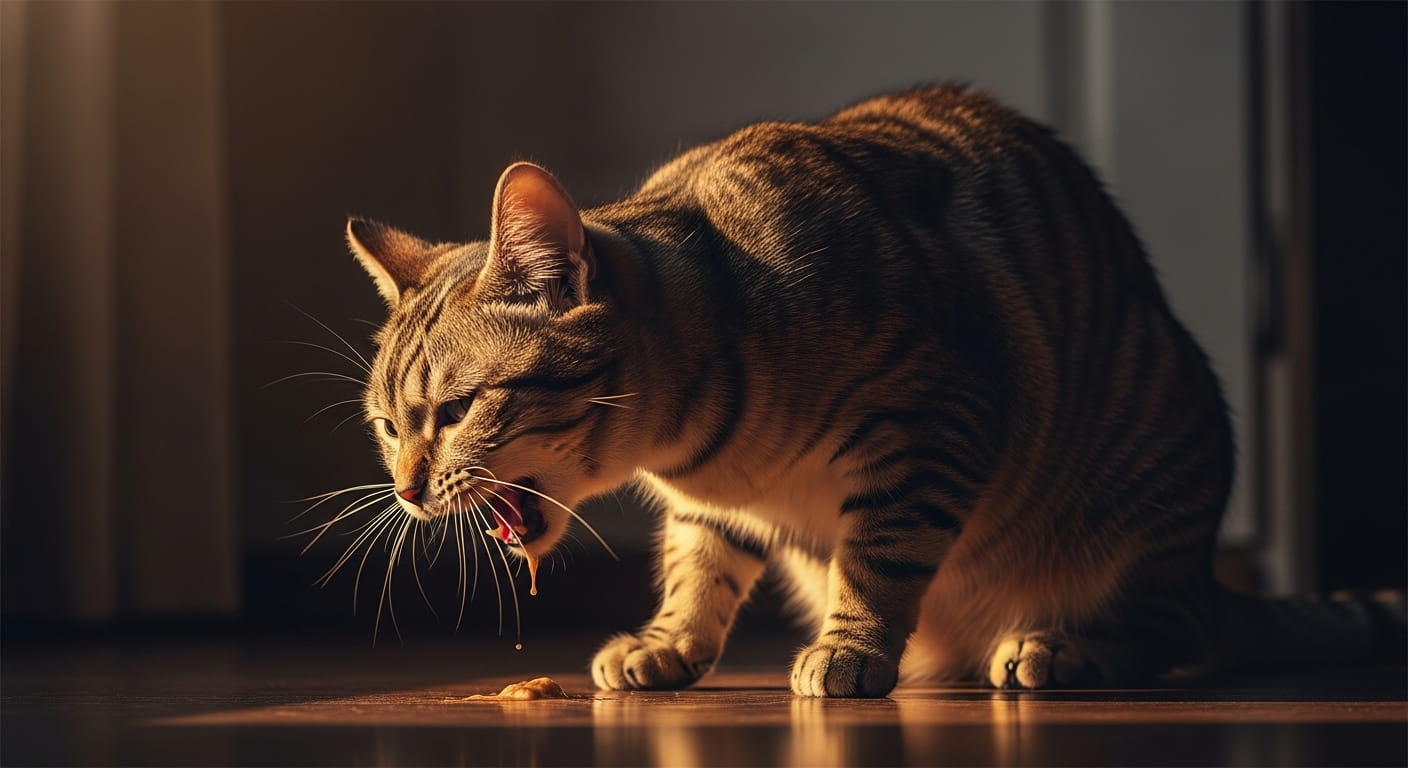
Other symptoms include vomiting, diarrhea, and a greasy coat. If untreated, hyperthyroidism can lead to heart problems.
2 — Diabetes Mellitus
Diabetes mellitus weight loss cats is another leading cause. The body can’t use sugar properly, so energy is lost. Signs include:
- Drinking and urinating more often
- Losing weight despite eating well
- Weakness or tiredness
Diabetes is more common in overweight, older cats. Some cats may develop muscle wasting and have trouble jumping.
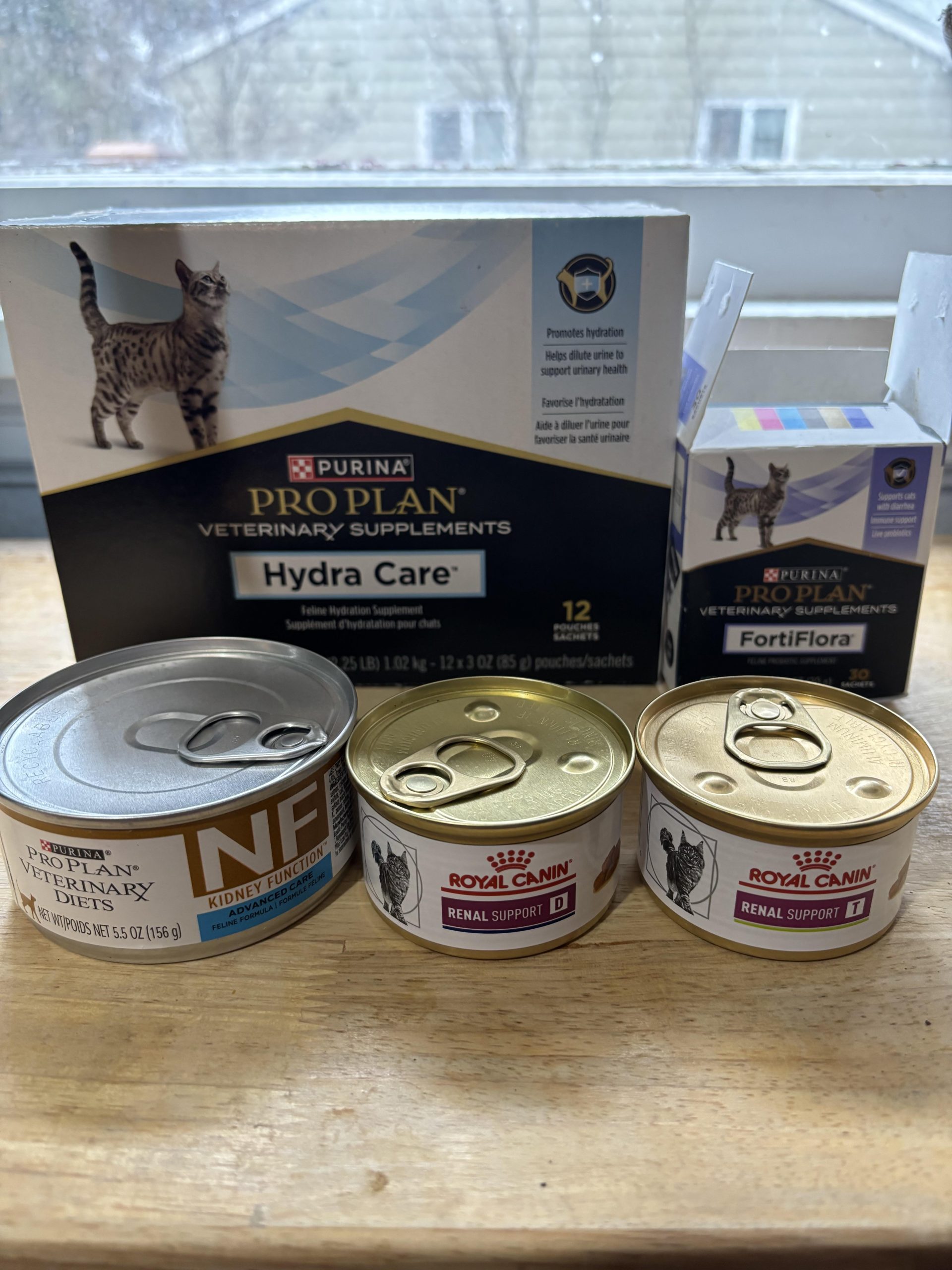
3 — Chronic Kidney Disease
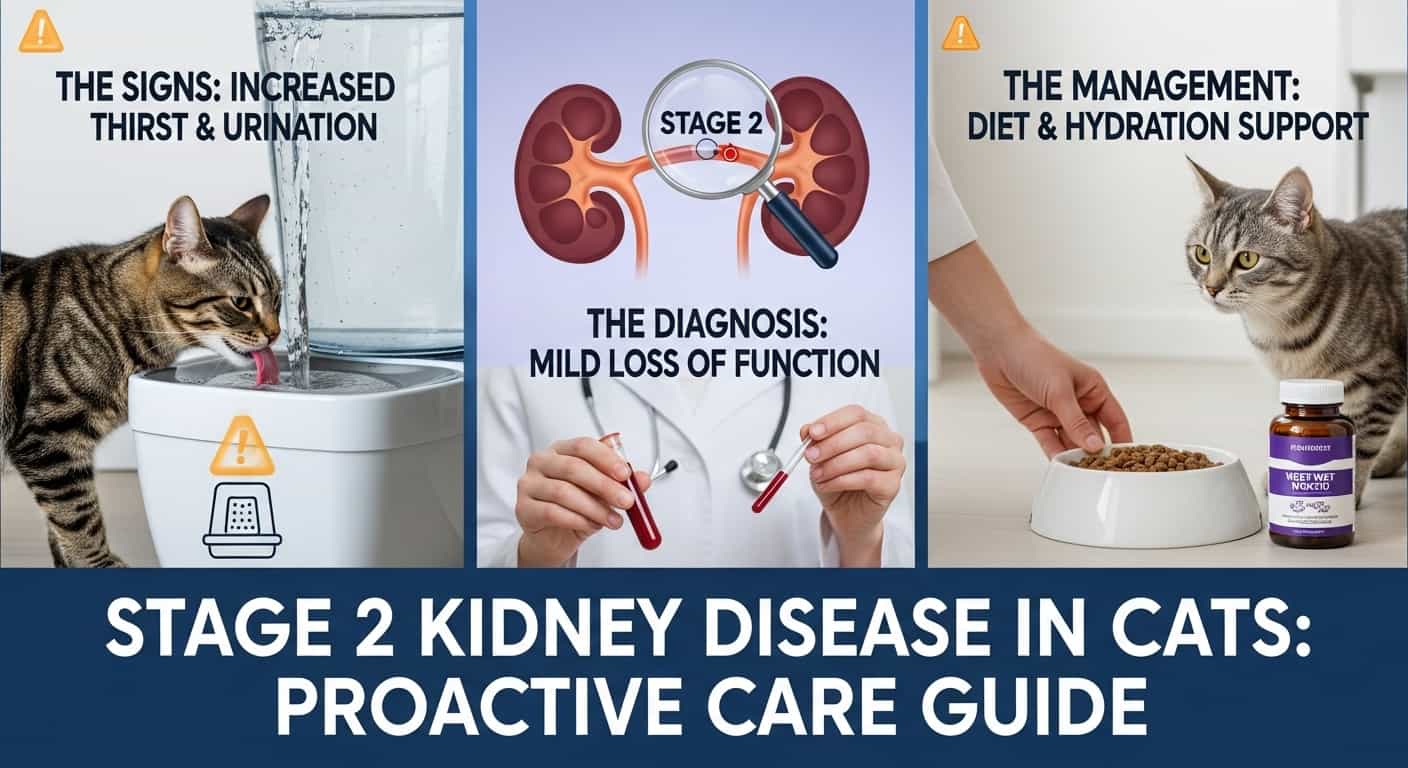
Many senior cats suffer from chronic kidney disease. Kidneys filter waste, but in old age, they may stop working. Symptoms:
- Gradual weight loss
- More thirst and urination
- Poor appetite
Sometimes, cats with kidney disease eat normally but still become thin. Bad breath and vomiting can also appear.
4 — Inflammatory Bowel Disease
Inflammatory bowel disease (IBD) causes the intestines to become inflamed. This leads to malabsorption in senior cats—food is not absorbed well. Signs include:
- Weight loss
- Chronic diarrhea or vomiting
- Eating but still getting thinner
IBD can be mild or severe. It often needs lifelong treatment.
5 — Intestinal Lymphoma
Intestinal lymphoma in cats is a type of cancer that affects the intestines. It often causes:
- Rapid weight loss
- Decreased muscle mass
- Eating but not gaining weight
Other signs are diarrhea, vomiting, and sometimes blood in stool. Lymphoma is more common in older cats.
6 — Dental Disease
Dental disease weight loss is often overlooked. Bad teeth, gum disease, or mouth ulcers make eating painful. Cats may:
- Eat slower or drop food
- Lose weight gradually
- Show signs like bad breath or pawing at the mouth
Dental disease is common in elderly cats. It’s important to check the mouth for problems.
7 — Parasites
Even senior cats can get parasites like worms. These cause:
- Weight loss
- Increased appetite
- Sometimes vomiting or diarrhea
Indoor cats are less likely, but it still happens. Parasites steal nutrients and can make cats thin fast.
How To Check If Your Cat Is Losing Weight
You may not notice weight loss right away. Cats hide illness well. Here’s how to check:
- Weigh your cat regularly: Use a kitchen scale or bathroom scale. Record the weight every month.
- Feel the body: Run your hands along the ribs, spine, and hips. If bones feel sharp, your cat is thinner than before.
- Look for muscle wasting: Muscle loss is common in aging cats, especially on the back and legs.
- Compare photos: Take pictures every few months. Compare to see if the cat looks thinner.
Most healthy adult cats weigh 8–10 pounds (3. 5–4. 5 kg). If your cat loses more than 10% of their weight in 2–3 months, it’s a warning sign.
| Age | Normal Weight Range (lbs) | Warning Weight Loss (%) |
|---|---|---|
| Adult (1–7 yrs) | 8–10 | >10% |
| Senior (8–15 yrs) | 7–9 | >10% |
| Geriatric (>15 yrs) | 6–8 | >10% |
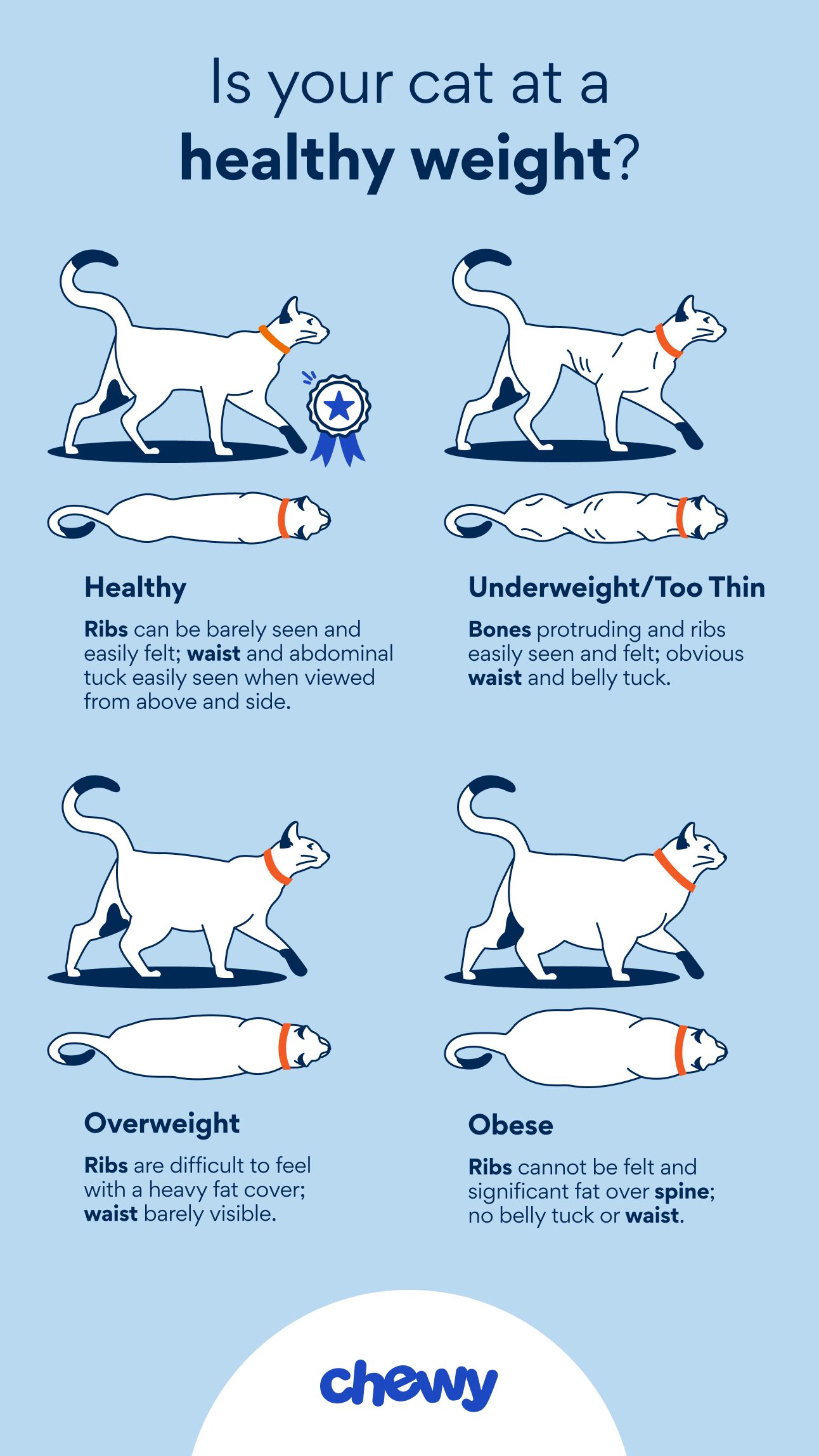
Credit: www.chewy.com
When To Take A Weight-losing Cat To The Vet — Urgency Guide
Not all weight loss needs an emergency visit, but senior cats should be checked soon. Use this guide:
- Sudden weight loss (over weeks): Go to the vet within a few days.
- Gradual weight loss (over months): Schedule a vet visit within 1–2 weeks.
- Other symptoms: If your cat shows vomiting, diarrhea, trouble eating, or weakness, visit the vet as soon as possible.
Weight loss plus extra symptoms is more urgent. Older cats decline quickly, so don’t wait too long.
| Type of Weight Loss | Urgency | Recommended Action |
|---|---|---|
| Sudden (>1 lb in 2 weeks) | High | Vet in 2–3 days |
| Gradual (>1 lb in 2 months) | Moderate | Vet in 1–2 weeks |
| With vomiting/diarrhea | Critical | Vet ASAP |
What Tests Will The Vet Run?
When you bring your elderly cat getting thinner to the vet, expect several tests. These help find the cause:
- Physical exam: Checks teeth, heart, kidneys, and body condition.
- Blood tests: Shows thyroid, kidney, liver, and blood sugar levels.
- Urine tests: Checks for kidney disease and diabetes.
- Ultrasound or x-rays: Looks for tumors, enlarged organs, or bowel disease.
- Fecal exam: Detects parasites.
For suspected hyperthyroidism, the vet will check thyroid hormone levels. For diabetes, blood sugar and urine glucose tests are key. If intestinal lymphoma or IBD is possible, an ultrasound or biopsy may be done.
| Test | Main Purpose | Common Findings |
|---|---|---|
| Blood panel | Check organs & hormones | High thyroid, kidney failure, diabetes |
| Urinalysis | Kidney & diabetes check | Protein, glucose, infection |
| Imaging (x-ray/ultrasound) | Look for tumors, organ size | Masses, thickened intestines |
| Fecal exam | Parasites check | Worms, eggs |

Credit: www.reddit.com
How To Help A Senior Cat Gain Weight
Once the cause is found, your vet will suggest treatment. There are also practical steps you can take at home:
- Feed high-calorie foods: Choose senior cat diets with extra calories and protein. Wet food can be easier to eat.
- Warm up food: Heating food can make it more appealing. Most cats prefer food at room temperature or slightly warm.
- Small, frequent meals: Offer food several times a day. This reduces stress and helps cats eat more.
- Check water intake: Cats with kidney disease or diabetes need plenty of water. Use water fountains or add water to food.
- Treat dental issues: If your cat has dental disease, talk to your vet about treatment or softer foods.
- Reduce stress: Keep feeding areas quiet. Avoid sudden changes in routine.
- Monitor weight weekly: Track your cat’s progress and report any new changes to your vet.
Some cats need appetite stimulants or special diets. Your vet may recommend medications for hyperthyroidism, insulin for diabetes, or steroids for IBD and lymphoma. Avoid giving supplements or vitamins without asking your vet first.
Non-obvious insight: Many senior cats lose weight because they develop malabsorption—their gut cannot absorb nutrients even if they eat. This is often missed unless specific tests are done. Also, muscle loss (not just fat loss) is a key sign of health problems, so look for thinning on the legs and spine.
Frequently Asked Questions
Why Is My Old Cat Losing Weight But Eating Normally?
Weight loss in elderly cats who eat well is usually caused by medical issues like hyperthyroidism, diabetes, kidney disease, or intestinal cancer. Aging alone rarely causes major weight loss. Always consult a vet if you notice changes.
Is Weight Loss Dangerous For Senior Cats?
Yes. Sudden or unexplained weight loss is a warning sign. It can lead to muscle wasting, weakness, dehydration, and poor quality of life. Early diagnosis and treatment can help your cat recover and live longer.
Can Dental Disease Make My Cat Thin?
Absolutely. Painful teeth or gums can cause cats to eat less or avoid certain foods. Even if your cat seems to eat, dental pain may cause gradual weight loss. Regular dental checks are important.
How Often Should I Weigh My Senior Cat?
Weigh your cat once a month at minimum. If your cat has health issues, weekly checks are better. Use a scale and keep a record. Small changes add up over time.
What Are The Best Foods For Elderly Cats Losing Weight?
Look for high-calorie, high-protein wet foods made for senior cats. Brands with added vitamins and easy-to-digest formulas are best. Always ask your vet before making big changes. For more info on senior cat nutrition, check Cornell University’s feline nutrition page.
Weight loss in older cats is a signal you should never ignore. Cats are masters at hiding illness, and what looks like “normal aging” is often a sign of disease. By watching for changes, acting fast, and working with your vet, you can help your cat stay healthy and comfortable in their senior years. Taking these steps can even add years to your cat’s life. Always remember: a thin, eating cat is not just “getting old”—they need your attention and care.

Credit: www.reddit.com
**As an Amazon Associate, I earn from qualifying purchases.**