There is no perfect answer for when to put a cat to sleep with kidney disease. Every cat is different, every family is unique, and kidney failure in cats can progress in many ways. Still, there are signs and guidelines that help you decide.
If you’re facing this heartbreaking choice, you are not alone. Many cat owners struggle with guilt, uncertainty, and the fear of making the wrong decision. This guide will help you understand the real signs that your cat’s quality of life is suffering, what happens at the end stage of kidney disease, and how to work with your vet to make the kindest choice possible.
Understanding Kidney Disease Stages In Cats
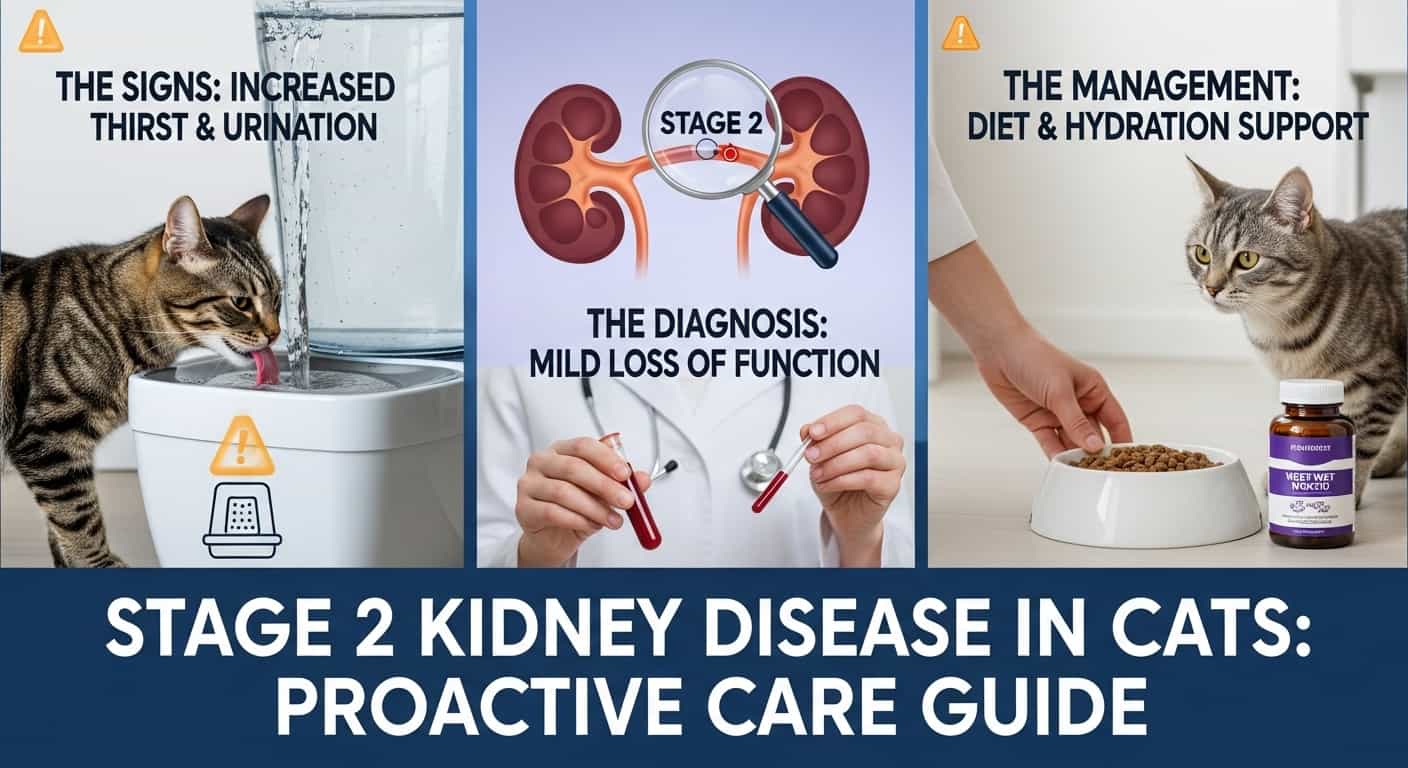
Chronic kidney disease (CKD) is common, especially in senior cats. It happens when the kidneys slowly lose their ability to filter waste. The disease has four main stages, from mild to severe. Each stage affects your cat in different ways.
Stage 1 CKD is often silent. Cats may drink a bit more water, but most act normal. Blood tests might show early signs, but symptoms are rare.
Stage 2 CKD brings mild symptoms. You may notice more thirst, frequent urination, and some weight loss. Appetite is usually good, and most cats live fairly comfortably.
Stage 3 CKD is moderate. Symptoms include vomiting, loss of appetite, bad breath, and more obvious weight loss. Cats may be less active and start to hide.
Stage 4 CKD is severe. At this stage, waste builds up quickly in the blood. Cats feel sick most of the time. They may stop eating, vomit often, seem confused, and struggle to walk or breathe.
Here’s a quick comparison of CKD stages:
| Stage | Symptoms | Prognosis |
|---|---|---|
| Stage 1 | Few to none | Years with proper care |
| Stage 2 | Increased thirst, weight loss | Months to years |
| Stage 3 | Vomiting, appetite loss, hiding | Several months |
| Stage 4 | Severe lethargy, not eating, uremia | Weeks to months |
Many cats can live well for years with early-stage CKD. But as the disease moves to stage 4, the focus shifts from treatment to comfort.
Quality Of Life Assessment For Cats With Kidney Disease
When your cat’s kidney disease gets worse, the most important question becomes: Are they comfortable? Measuring cat kidney disease quality of life helps you know when it’s time to consider euthanasia.
The Hhhhhmm Quality Of Life Scale
Veterinarians often use the HHHHHMM Scale (Hurt, Hunger, Hydration, Hygiene, Happiness, Mobility, More Good Days than Bad) to evaluate quality of life. Each category is scored from 0 to 10, with higher scores meaning better quality.
- Hurt: Is your cat in pain? Are they hiding, meowing, or showing discomfort?
- Hunger: Are they eating enough? Cats with kidney disease often stop eating.
- Hydration: Are they dehydrated despite fluids? Dry gums, sunken eyes are signs.
- Hygiene: Can your cat groom themselves? Are they keeping clean?
- Happiness: Does your cat still enjoy life? Do they purr, seek affection, or play?
- Mobility: Can they move around without difficulty?
- More good days than bad: Are there more days when your cat feels well?
Here’s an example scoring table:
| Category | Score (0-10) | Notes |
|---|---|---|
| Hurt | 3 | Shows signs of pain, hides often |
| Hunger | 2 | Rarely eats, losing weight |
| Hydration | 4 | Needs fluids, still dehydrated |
| Hygiene | 5 | Needs help grooming |
| Happiness | 3 | Rarely purrs, seems withdrawn |
| Mobility | 2 | Struggles to walk |
| Good Days vs Bad Days | 2 | Mostly bad days |
If your cat scores below 5 in most areas, quality of life is poor. For many, this means it’s time to consider putting cat to sleep CKD.
Good Days Vs Bad Days Ratio
A simple way to judge quality is the good days vs bad days ratio. Keep a journal for a week. Write down how your cat acts each day — eating, grooming, playing, using the litter box. When bad days outnumber good, especially if your cat is suffering, it may be time to consider euthanasia.
Many owners miss this insight: Sudden improvement after a series of bad days is often temporary. Cats may rally, but the decline returns. Don’t let a brief “good day” delay a necessary decision.
Credit: pawsatpeace.com
Signs That Kidney Disease Has Reached End-stage
Cats show clear signs when kidney failure end of life is near. Noticing these signs is hard, but it helps you know when is it time to euthanize a cat with kidney failure.
Complete Loss Of Appetite
A cat that stops eating or drinking for more than 48 hours is suffering. Not eating kidney disease is a major red flag. In advanced CKD, even favorite foods won’t tempt them. This leads to weakness, rapid weight loss, and dehydration.
Uremic Symptoms (vomiting, Seizures, Severe Lethargy)
Uremia is a buildup of toxins in the blood. Uremia cats have:
- Frequent vomiting
- Severe lethargy (barely moves)
- Confusion or seizures
- Bad breath (smells like ammonia)
- Drooling
These symptoms mean the kidneys are failing completely. Treatment is rarely effective at this stage.
Inability To Stand Or Walk
Cats with stage 4 CKD often lose strength. You may notice:
- Trouble getting up
- Swaying or falling
- Sleeping in one spot, not moving
This isn’t just old age — it’s a sign the body is shutting down. If your cat can’t walk, stand, or get to the litter box, comfort is impossible.
Respiratory Distress
Some cats develop respiratory distress as toxins build up. Signs include:
- Open-mouth breathing
- Panting
- Gasping for air
This is a medical emergency. If your cat cannot breathe comfortably, euthanasia may be the most humane option.
Here’s a quick table comparing end-stage signs:
| Sign | Severity | Action |
|---|---|---|
| Loss of appetite | High | Monitor, call vet |
| Frequent vomiting | High | Consider palliative care |
| Inability to walk | Critical | Discuss euthanasia |
| Respiratory distress | Critical | Immediate vet visit |
What To Discuss With Your Vet
Before making any decision, talk openly with your vet. Ask about:
- Pain kidney disease cat: Is your cat in pain? Can it be managed?
- Hiding kidney disease cat: Is your cat withdrawing from family?
- Lap of Love quality of life: Many vets use this tool to help owners assess.
- Treatment options: Are there any reasonable treatments left?
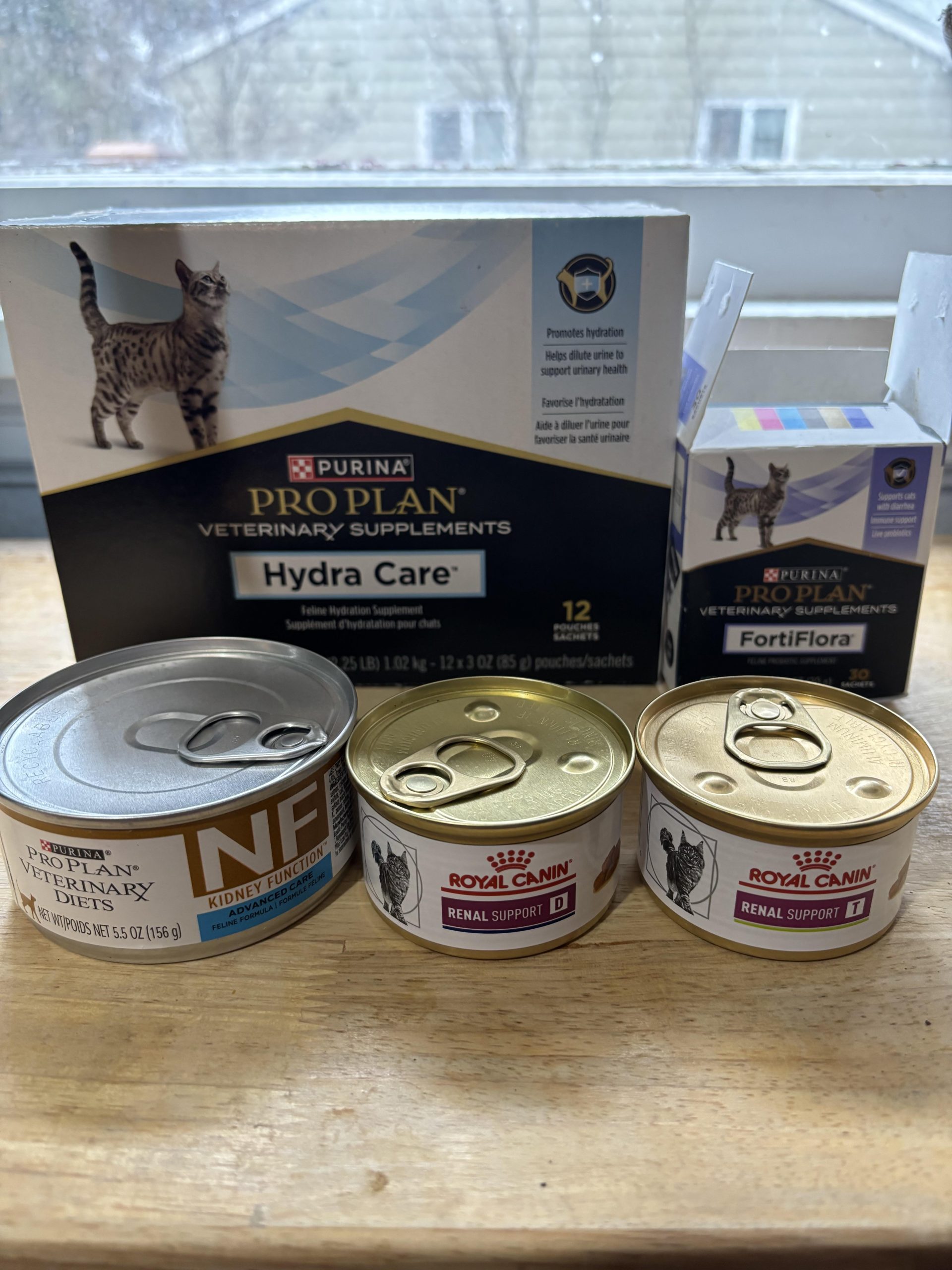
- Palliative care: What can be done for comfort?
- Prognosis: How long will your cat live if you continue care?
Bring your journal or quality of life scores to the appointment. Vets appreciate clear information. Ask direct questions: “Is my cat suffering?” “Would you put your own cat to sleep in this situation?” Honest answers will help you decide.
Some families ask for a second opinion. This is OK. Another vet may see something you missed or offer a different perspective.
Palliative And Hospice Care Options Before Euthanasia
Before deciding on euthanasia, you may want to try palliative or hospice care. These are comfort-focused treatments, not cures.
Palliative care for kidney disease may include:
- Subcutaneous fluids: Help with dehydration
- Appetite stimulants: Encourage eating
- Anti-nausea drugs: Reduce vomiting
- Pain medication: Ease discomfort
- Warm, quiet resting place: Reduce stress
Hospice care is more about love and presence than medical treatments. Some owners choose to stop aggressive treatments and focus on making their cat’s last days peaceful.
Here are practical tips:
- Place food and water within easy reach.
- Keep your cat clean and dry.
- Use soft bedding to prevent sores.
- Spend gentle time together — petting, talking, just being nearby.
Hospice doesn’t extend life, but it can improve the quality of your cat’s last days. If these steps no longer help, euthanasia may be the kindest choice.
A common mistake is pushing treatments too far. If your cat is suffering and treatments only add stress, it’s better to stop. Quality matters more than quantity.
What Happens During Euthanasia — What To Expect
If you choose euthanasia for your cat, knowing what to expect helps reduce anxiety. The procedure is peaceful and quick.
Euthanasia usually happens at a vet clinic, but some vets offer home visits. Your cat will be gently handled and given a sedative injection. This makes them sleepy and relaxed. Once your cat is calm, the vet will give a second injection — a strong anesthetic that stops the heart.
Your cat will not feel pain or distress.
You can stay with your cat during the process. Many owners hold, pet, or speak softly to their cat as they pass. The vet will check for a heartbeat and confirm death.
Afterward, you can choose:
- Cremation (individual or group)
- Burial at home or in a pet cemetery
- Special keepsakes (paw prints, fur clippings)
The entire process takes only a few minutes. Your cat’s suffering will end, and you will have time to say goodbye.
For more details, see Lap of Love, a leading resource in pet hospice and euthanasia.

Credit: www.reddit.com
After The Decision
Putting a cat to sleep with kidney disease is deeply emotional. Many owners feel relief mixed with grief, guilt, and doubt. This is normal.
Here are steps to help you cope:
- Allow yourself to grieve. Losing a pet is real loss. Cry, talk to friends, or write about your feelings.
- Remember your cat’s good times. Share stories, look at photos, celebrate the love you shared.
- Don’t rush decisions about remains or memorials. Take your time.
- Seek support. Pet loss support groups, counselors, or online forums can help.
- Watch for signs of depression or anxiety. If grief feels overwhelming, ask for help.
Some owners regret waiting too long. Others wish they had done more. Remember: You made the best choice with the information you had. Your cat loved you and trusted you.
Two insights many owners miss:
- Cats often hide pain. Just because they seem quiet doesn’t mean they’re comfortable.
- “Waiting for a sign” can lead to more suffering. If your cat shows several end-stage signs, it is kinder to act before pain gets worse.
You are not alone. Vets, friends, and fellow pet lovers have faced the same struggle. Your love and care matter most.
Frequently Asked Questions
What Is The Hhhhhmm Scale And How Does It Help Decide About Euthanasia?
The HHHHHMM Scale is a tool veterinarians use to measure a cat’s quality of life in seven areas: Hurt, Hunger, Hydration, Hygiene, Happiness, Mobility, and Good Days vs Bad Days. Each area is scored from 0 (poor) to 10 (excellent). If most scores are below 5, your cat’s quality of life is low. This helps you decide if euthanasia cat kidney disease is right.
How Long Can A Cat Live With Stage 4 Ckd?
Cats with stage 4 CKD often survive only weeks to a few months. Comfort becomes the main goal. If your cat is not eating, vomiting, or showing uremic symptoms, life expectancy is very short. Quality of life should guide your choices.
Are There Any Signs That Mean Immediate Euthanasia Is Needed?
Yes. Respiratory distress, severe pain, uncontrollable vomiting, or inability to stand are signs your cat is suffering. If your cat cannot eat, drink, or walk, and treatments are not helping, immediate euthanasia may be best.
Can I Try Palliative Care Before Choosing Euthanasia?
Absolutely. Many owners try palliative and hospice care: fluids, pain relief, special diets, and making your cat comfortable. If these do not improve quality of life, or your cat is still suffering, euthanasia is the kindest option.
How Can I Cope After Putting My Cat To Sleep With Kidney Disease?
Grief is normal. Talk to friends, join support groups, and remember your cat’s good times. Many find comfort in memorials or keepsakes. If grief feels too heavy, seek professional help. You did your best for your cat.
Making the decision to put a cat to sleep with kidney disease is never easy, but it can be a gift of peace. You are honoring your cat’s love and comfort, not just ending their suffering. Trust your heart, your vet, and the signs your cat shows.
Your compassion is the most important guide.

Credit: cloud9vets.co.uk
**As an Amazon Associate, I earn from qualifying purchases.**