Are Maine Coon Cats Hypoallergenic?
If you’re hoping for a quick answer: No, Maine Coon cats are not hypoallergenic. But, some people with allergies find them easier to live with than other breeds. Let’s look at why Maine Coons aren’t truly hypoallergenic, what causes cat allergies, and what you can do if you love cats but struggle with sneezing and itching.
What Causes Cat Allergies (fel D1)
Cat allergies mostly come from a protein called Fel d1. Cats produce Fel d1 in their saliva, skin, and urine. When cats groom themselves, this protein spreads onto their fur. As fur and skin flakes (dander) move around your home, you breathe them in. This is what causes most cat allergy symptoms like:
- Runny nose
- Itchy eyes
- Sneezing
- Skin rashes
It’s important to know that no breed is truly hypoallergenic. All cats, including Maine Coons, produce Fel d1. Some breeds may produce less, but none are completely free of it.
| Source of Fel d1 | How It Spreads | Main Allergy Symptoms |
|---|---|---|
| Saliva | Grooming fur | Itching, sneezing |
| Skin | Dander in air | Runny nose, watery eyes |
| Urine | Litter box dust | Rashes, coughing |
Why Some People Tolerate Maine Coons Better
While Maine Coons produce Fel d1 like all cats, a few reasons make them easier for some allergy sufferers:
- Personality: Maine Coons are gentle and less likely to lick or groom people.
- Coat Texture: Their thick, long fur traps dander better, so less Fel d1 becomes airborne.
- Size: They are large, but don’t shed as much as some other breeds.
However, these factors do not mean Maine Coons are safe for allergy sufferers. Allergies depend on your sensitivity and the amount of Fel d1 in the environment.
| Breed | Fel d1 Production | Shedding Level | Commonly Tolerated? |
|---|---|---|---|
| Maine Coon | Average | Moderate | Sometimes |
| Siberian | Lower | Moderate | Often |
| Devon Rex | Lower | Low | Often |
| Persian | High | High | Rarely |

Credit: katzenworld.co.uk
Maine Coon Shedding Level
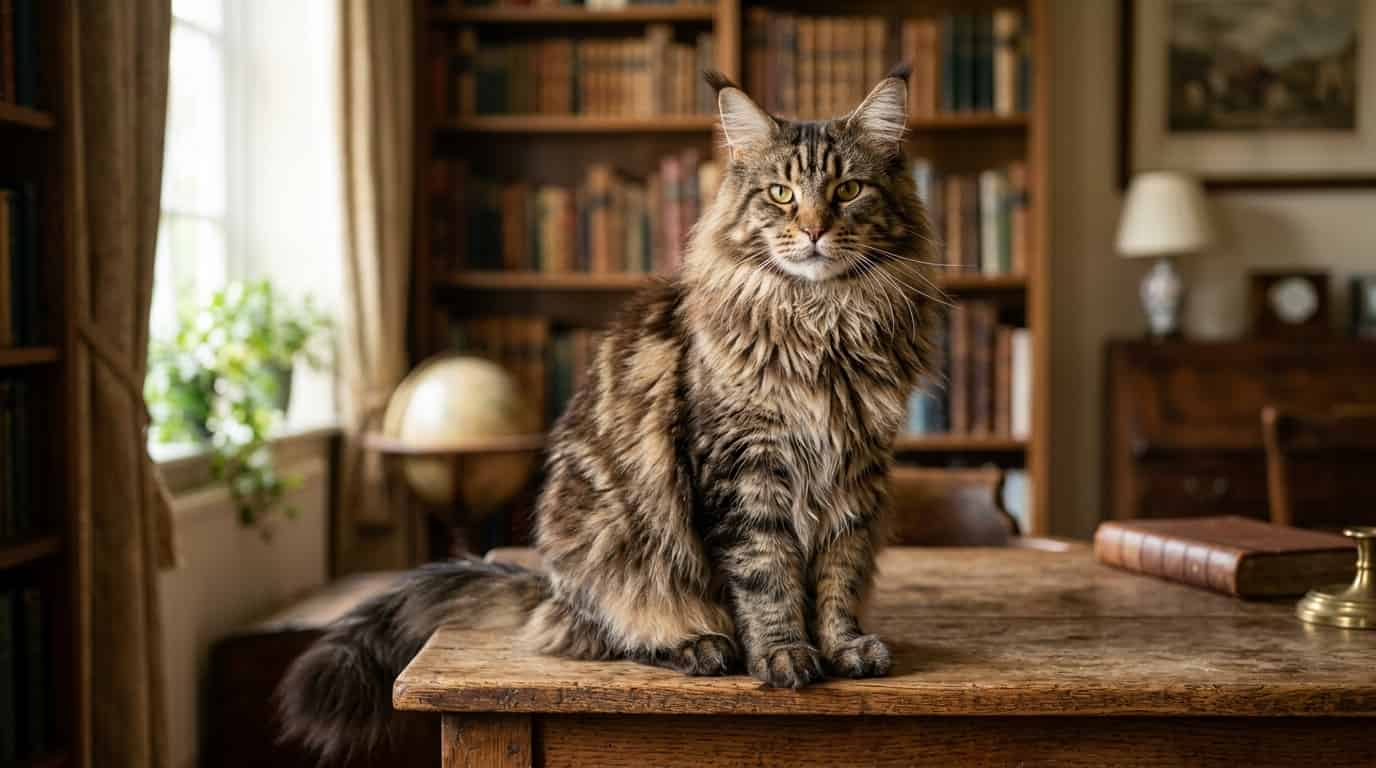
Maine Coons have long, dense fur, and they shed regularly. Their shedding is not extreme, but it is enough to spread dander around your home. Shedding peaks in spring and fall. This means:
- More dander in the air during shedding seasons
- Extra grooming needed
- Regular cleaning is important
Some owners notice that Maine Coons shed less than other long-haired breeds. Still, if you have allergies, their shedding will likely cause symptoms.
Tips For Allergy Sufferers
If you love Maine Coons but have allergies, there are ways to lower your reaction:
- HEPA Filters: Use HEPA air filters to trap dander and allergens. Place them in rooms where your cat spends the most time.
- Regular Grooming: Brush your Maine Coon often. Brushing removes loose fur and dander. Try to do this outside, or have a non-allergic person help.
- Air Purifiers: Good air purifiers remove dander from the air and help keep your space cleaner.
- Frequent Cleaning: Vacuum carpets and furniture often. Wash cat bedding and your own bedding weekly.
- Limit Cat Access: Keep your Maine Coon out of your bedroom or other allergy-sensitive areas.
- Hand Washing: Wash your hands after touching your cat, and avoid touching your face.
These steps can lower but not remove allergens. If your symptoms are strong, talk to an allergist before getting a Maine Coon.
| Tip | Effectiveness | Extra Advice |
|---|---|---|
| HEPA filter | High | Clean filter monthly |
| Grooming | Medium | Use cat-safe brushes |
| Air purifier | High | Choose purifier with HEPA |
| Frequent cleaning | Medium | Wear mask while cleaning |

Credit: hypoallergenichomes.com
Low-allergen Breeds To Consider Instead
If you want a cat but have strong allergies, consider breeds with lower Fel d1 production:
- Siberian: Some studies show Siberians produce less Fel d1. Many allergy sufferers tolerate them well.
- Devon Rex: Their short, curly fur sheds less and holds less dander.
- Cornish Rex: Similar to Devon Rex, with little shedding.
- Sphynx: Hairless, so less fur and dander, but still needs regular bathing.
Remember, no cat is completely hypoallergenic. Spend time with a breed before adopting to see how you react.
For more science on cat allergies and breeds, visit the Wikipedia page on hypoallergenic cats.
Frequently Asked Questions
Are Maine Coon Cats Hypoallergenic?
No, Maine Coon cats are not hypoallergenic. They produce Fel d1 like all cats. Some people tolerate them better, but allergies can still be a problem.
How Much Do Maine Coons Shed?
Maine Coons shed moderately. Their thick fur means regular grooming is needed, especially in spring and fall.
What Is Fel D1?
Fel d1 is a protein made by cats, mostly in their saliva and skin. It is the main cause of cat allergies.
Can I Reduce Allergies By Bathing My Maine Coon?
Bathing can help lower dander, but Maine Coons do not need frequent baths. Too much bathing can dry their skin. Grooming and cleaning are more effective.
Which Cat Breeds Are Best For Allergy Sufferers?
Siberian, Devon Rex, Cornish Rex, and Sphynx are often better choices. These breeds produce less Fel d1 or shed less dander.
Living with cat allergies can be tough, but with smart choices and careful cleaning, it may be possible. Maine Coons are wonderful cats, but they are not hypoallergenic. If you have allergies, try spending time with a Maine Coon before deciding.
Remember, your health comes first, and there are other breeds that may suit you better.
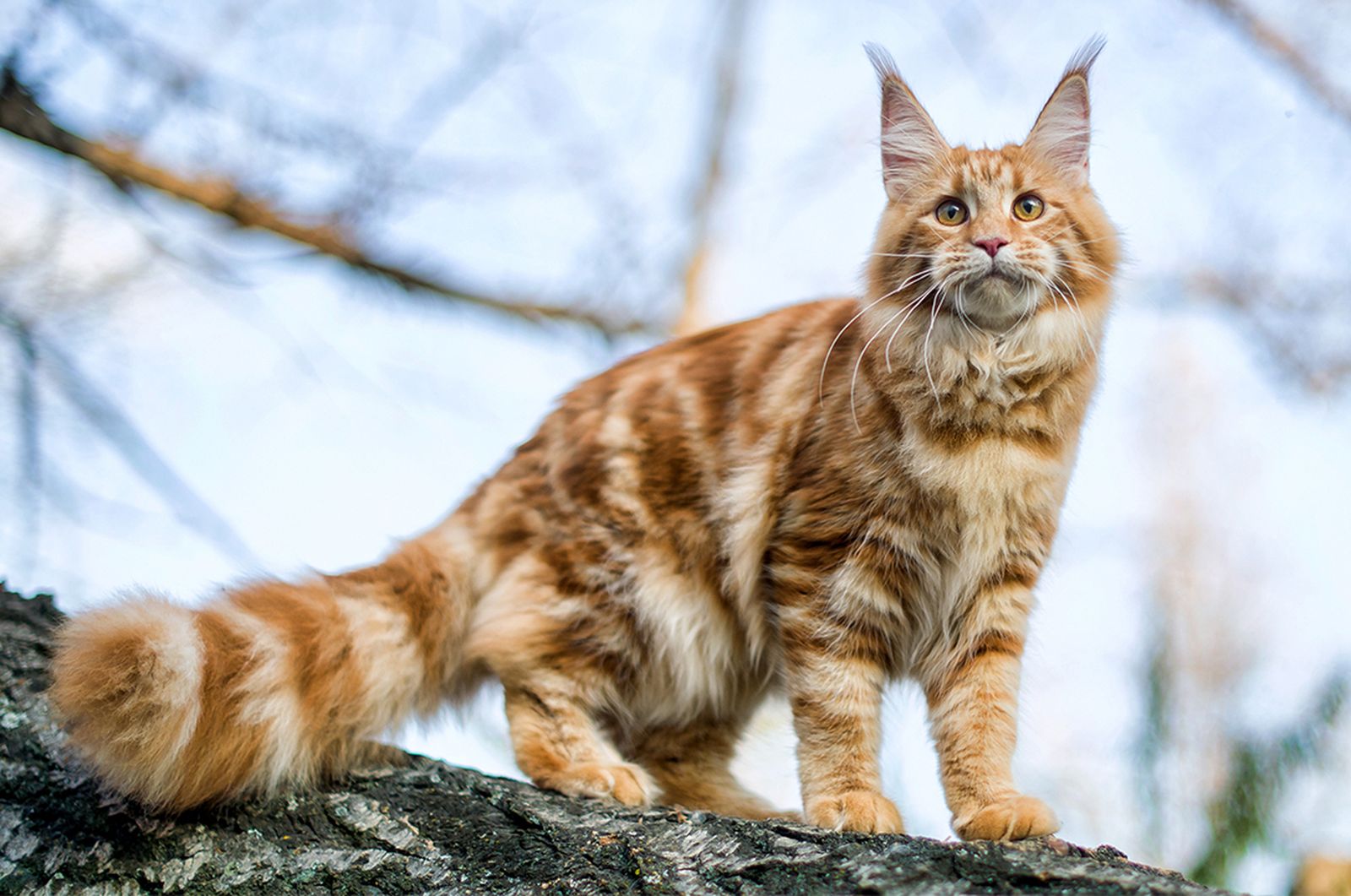
Credit: www.katkin.com
**As an Amazon Associate, I earn from qualifying purchases.**