Maine Coon cats are famous for their impressive size, but just how big do they really get? If you are thinking about bringing a Maine Coon into your family, or you already have one, understanding their growth, weight, and how they compare to other breeds can help you provide the best care. In this article, you’ll discover real numbers, breed comparisons, growth timelines, and useful charts. Whether you’re a new owner or just curious, this guide breaks down everything you need to know about Maine Coon size in clear, simple English.
How Big Are Maine Coons?
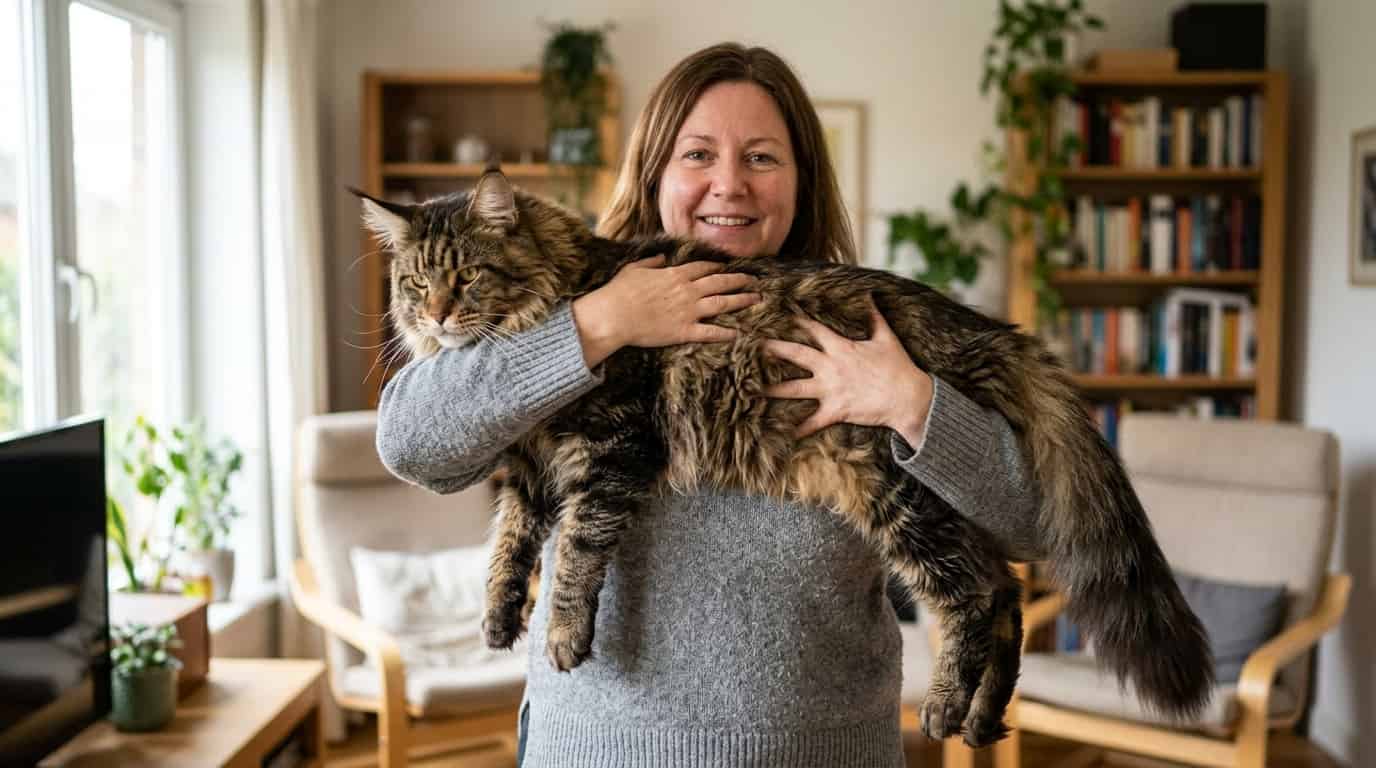
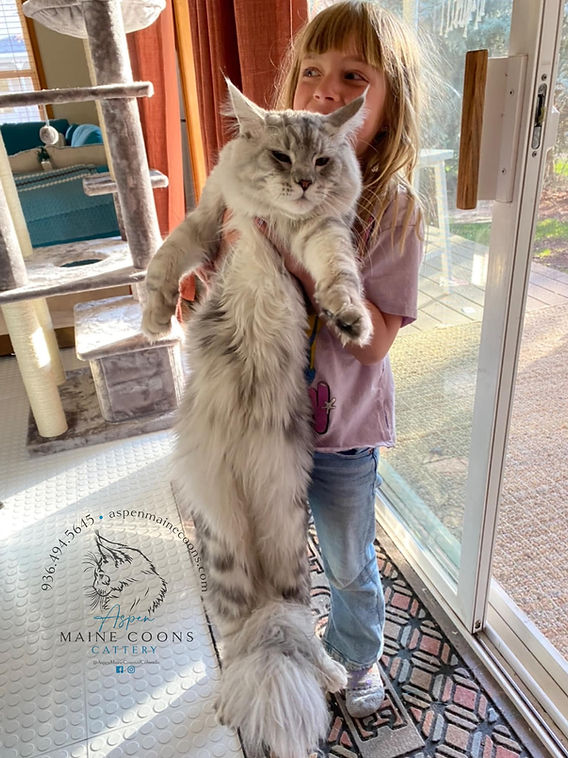
The Maine Coon is one of the largest domestic cat breeds. Adult males usually weigh 12–18 pounds (5.4–8.2 kg), while females are lighter at 8–12 pounds (3.6–5.4 kg). But weight is only part of the story. These cats also have long bodies, often reaching up to 40 inches (101 cm) in length from nose to tail tip. Their tails alone can be 14–16 inches (36–41 cm).
Maine Coons have strong muscles and a thick, shaggy coat. Their big paws, large heads, and bushy tails make them look even larger. Despite their size, Maine Coons are gentle and playful. Many people are surprised when their kitten keeps growing well past the first year.
Key Size Facts
- Male Maine Coon: 12–18 lbs, up to 40 in length
- Female Maine Coon: 8–12 lbs, up to 36 in length
- Tail length: 14–16 in
- Height at shoulder: 10–16 in
These numbers are averages, and some Maine Coons can be bigger or smaller, depending on genetics, diet, and activity.
Male Vs Female Size Comparison
While both male and female Maine Coons are large, males tend to be noticeably bigger. Let’s compare their typical size and weight:
| Gender | Weight Range (lbs) | Length (in) | Height (in) |
|---|---|---|---|
| Male | 12–18 | Up to 40 | 12–16 |
| Female | 8–12 | Up to 36 | 10–14 |
Males often have thicker necks, broader chests, and heavier bones. They may also have longer, bushier tails. Females are still quite large compared to other breeds but usually look more graceful and slender.
Some people notice their male kitten outgrowing the female quickly, but both genders reach full size slowly. If you’re choosing between male and female, consider your living space and whether you want the largest possible cat.

Credit: www.reddit.com
Maine Coon Growth Timeline (0–5 Years)
Unlike most cats that reach adult size by 12–18 months, Maine Coons grow much longer—sometimes up to five years. Here’s what their growth typically looks like:
Kitten Stage (0–6 Months)
Maine Coon kittens are bigger than average at birth, usually weighing 3–5 ounces (85–140 g). By six months, many reach 6–8 pounds (2.7–3.6 kg). Growth is rapid, but bones and muscles are still developing.
Juvenile Stage (6–12 Months)
From six to twelve months, Maine Coons continue to gain weight and length. Males often reach 8–12 pounds (3.6–5.4 kg) during this period, while females are 6–8 pounds (2.7–3.6 kg). Their coats become thicker, and their personalities start to show.
Young Adult (1–3 Years)
Growth slows, but Maine Coons keep gaining size. Males may reach 12–16 pounds (5.4–7.3 kg) by age three, while females are 8–10 pounds (3.6–4.5 kg). Their bodies become more muscular, and their tails reach full length.
Mature Adult (3–5 Years)
Most Maine Coons reach their largest size between ages three and five. Males can hit 18 pounds (8.2 kg) or more, and females may reach 12 pounds (5.4 kg). After five years, growth stops, but some cats fill out a bit more with age.
Growth Timeline Overview
| Age | Male Weight (lbs) | Female Weight (lbs) | Length (in) |
|---|---|---|---|
| Birth | 0.2–0.3 | 0.2–0.3 | 3–4 |
| 6 months | 6–8 | 5–7 | 10–15 |
| 1 year | 8–12 | 6–10 | 20–24 |
| 3 years | 12–16 | 8–10 | 30–36 |
| 5 years | 16–18 | 10–12 | 36–40 |
Weight Chart By Age
A Maine Coon’s weight changes as they grow. This monthly chart gives you a clear view of expected weights for both males and females:
| Age (Months) | Male Weight (lbs) | Female Weight (lbs) |
|---|---|---|
| 1 | 1–1.5 | 1–1.3 |
| 2 | 2–2.5 | 1.8–2.2 |
| 3 | 2.8–3.5 | 2.4–3 |
| 4 | 3.5–4.5 | 3–3.7 |
| 5 | 4.5–5.5 | 3.7–4.5 |
| 6 | 6–8 | 5–7 |
| 12 | 8–12 | 6–10 |
| 24 | 12–16 | 8–10 |
| 36 | 16–18 | 10–12 |
If your Maine Coon’s weight is below these ranges, it could be underweight—especially if they seem thin, lack muscle, or have a dull coat. However, individual cats grow at different rates. If you’re worried, check with your vet before making changes.
Credit: www.aspenmainecoons.com
When Do Maine Coons Stop Growing?
Most Maine Coons finish growing between age 3 and 5. This is much later than other breeds, which stop at 12–18 months. Slow growth is normal for Maine Coons, and their bones, muscles, and coats take time to mature.
Signs That Growth Is Ending
- Weight gain slows or stops
- Body shape becomes stable
- Coat reaches full thickness
- No longer outgrowing collars or beds
Some owners notice their Maine Coon still gaining muscle or filling out after age three. This is normal, but after age five, most cats are fully grown. If your adult Maine Coon suddenly loses weight, seek veterinary advice—this may signal illness or other problems.
Size Vs Other Breeds
Maine Coons are famous for their size, but how do they compare to other big breeds like the Ragdoll and Norwegian Forest Cat? Here’s a direct comparison:
| Breed | Male Weight (lbs) | Female Weight (lbs) | Length (in) | Growth Finish (months) |
|---|---|---|---|---|
| Maine Coon | 12–18 | 8–12 | Up to 40 | 36–60 |
| Ragdoll | 12–20 | 8–15 | Up to 38 | 36–48 |
| Norwegian Forest | 10–16 | 8–12 | Up to 36 | 24–36 |
- Maine Coons are longer and often taller than both Ragdolls and Norwegian Forest Cats.
- Ragdolls are heavier on average but usually less muscular.
- Norwegian Forest Cats are similar in weight to Maine Coons but are shorter and have a less bushy tail.
If you’re looking for the largest breed, Maine Coons are a strong contender. Their long growth period means you’ll see changes for years.
Non-obvious Insights
- Maine Coons’ final size can depend on genetics—kittens from large parents are more likely to grow big. If you buy from a breeder, ask to see the parents.
- Diet and activity matter: High-protein foods and regular play help your Maine Coon grow strong, not just heavy. Overfeeding can make them overweight, but not bigger in a healthy way.
Credit: www.reddit.com
Frequently Asked Questions
How Big Will My Maine Coon Get?
Most Maine Coons reach 12–18 lbs (male) and 8–12 lbs (female). Full adult length is up to 40 inches. Growth is slow, often finishing at age 3–5. Individual size depends on genetics, diet, and health.
Is My Maine Coon Underweight?
Check your cat’s weight against the charts in this article. If their ribs are visible, their coat is dull, or they have little muscle, they may be underweight. Healthy Maine Coons are muscular, not just heavy. Ask your vet for a body condition check if you’re unsure.
Why Do Maine Coons Grow So Slowly?
Maine Coons have a unique growth pattern. Their bones, muscles, and thick coat take years to mature. This slow growth is normal and helps prevent health problems. Fast-growing kittens can have joint issues, so steady growth is healthier.
Are Maine Coons Bigger Than Other Cats?
Yes, Maine Coons are larger than most breeds. Compared to Ragdolls and Norwegian Forest Cats, Maine Coons are longer and often heavier. Their bushy tail and thick coat make them look even bigger.
Can Maine Coons Be Overweight?
Yes, Maine Coons can gain too much weight. Because they are naturally large, some owners overfeed them. Watch for signs like a sagging belly, low activity, or difficulty jumping. A balanced diet and regular play keep them healthy.
If you want even more details or breed comparisons, you can find expert information at Wikipedia.
Maine Coon cats are gentle giants. Their size, slow growth, and unique look make them stand out in the world of cats. By understanding their growth timeline, weight charts, and breed comparisons, you can keep your Maine Coon happy and healthy for years to come.
If you’re unsure about your cat’s size, always ask your vet. Enjoy every stage of your Maine Coon’s growth—they truly are one of a kind.
**As an Amazon Associate, I earn from qualifying purchases.**