
Many people fall in love with the Maine Coon cat’s stunning looks and friendly nature. But sometimes, a cat’s background is unknown, making it hard to be sure of its breed. Maybe your cat has big paws, a bushy tail, or a fluffy coat—but are these clues enough? If you want to know if your cat could be a Maine Coon, this guide will help you check for key signs. We’ll cover physical features, behavior, and even modern DNA testing. By the end, you’ll feel more confident about your cat’s origins.
1. Why It’s Hard To Know Without Papers
A true Maine Coon is usually registered with a pedigree from a recognized cat association. Pedigree papers show the cat’s family tree and confirm its breed. Without these papers, it’s impossible to be 100% sure.
Many shelter cats or kittens from unknown backgrounds may have Maine Coon traits but lack proof. Even experienced breeders sometimes struggle to identify Maine Coons without documentation. Some mixed-breed cats look very similar because Maine Coon traits can appear in other breeds or in random-bred cats.
If your cat does not have papers, you can look for physical and behavioral clues. Just remember: these signs suggest Maine Coon ancestry, but do not guarantee it.
2. Body Shape & Size Clues
Maine Coons are one of the largest domestic cat breeds. Their bodies are rectangular, long, and muscular. Adult males usually weigh 13–18 pounds, while females weigh 8–12 pounds. Some Maine Coons even reach 20 pounds or more.
Look for these signs:
- Rectangular body: Not round or cobby. The chest is broad, and the back is long.
- Large paws: Maine Coons have big, wide paws that help them walk on snow.
- Heavy bones and muscles: The body feels solid and strong, not light or slim.
Here’s a quick comparison with other breeds:
| Feature | Maine Coon | Average Cat | Norwegian Forest Cat |
|---|---|---|---|
| Body Shape | Rectangular | Round/Cobby | Triangular |
| Weight (Male) | 13–18 lbs | 8–10 lbs | 12–16 lbs |
| Build | Muscular, broad | Medium, slim | Strong, long legs |
Not all Maine Coons reach maximum size, especially if they are mixed breed. Kittens often grow slowly, reaching full size at 3–5 years old.
3. Coat & Fur Texture Signs
The Maine Coon has a semi-long coat that feels silky and not woolly. Their fur is uneven—shorter on the shoulders, longer on the stomach and back. This helps them survive cold weather.
Check for these features:
- Ruff around neck: Like a lion’s mane, especially in winter.
- Shaggy fur: The coat looks messy but feels soft.
- Water-resistant fur: Maine Coons were working cats, so their fur is less likely to soak through.
Compare coat types below:
| Coat Feature | Maine Coon | Persian | Domestic Longhair |
|---|---|---|---|
| Texture | Silky, uneven | Fine, thick | Mixed |
| Ruff | Yes, prominent | Sometimes | Rare |
| Water Resistance | Good | Poor | Poor |
Maine Coons come in nearly every color and pattern except pointed (like Siamese). Their coat needs less grooming than Persians, but still needs regular brushing.
4. Ear Tufts & Lynx Tips
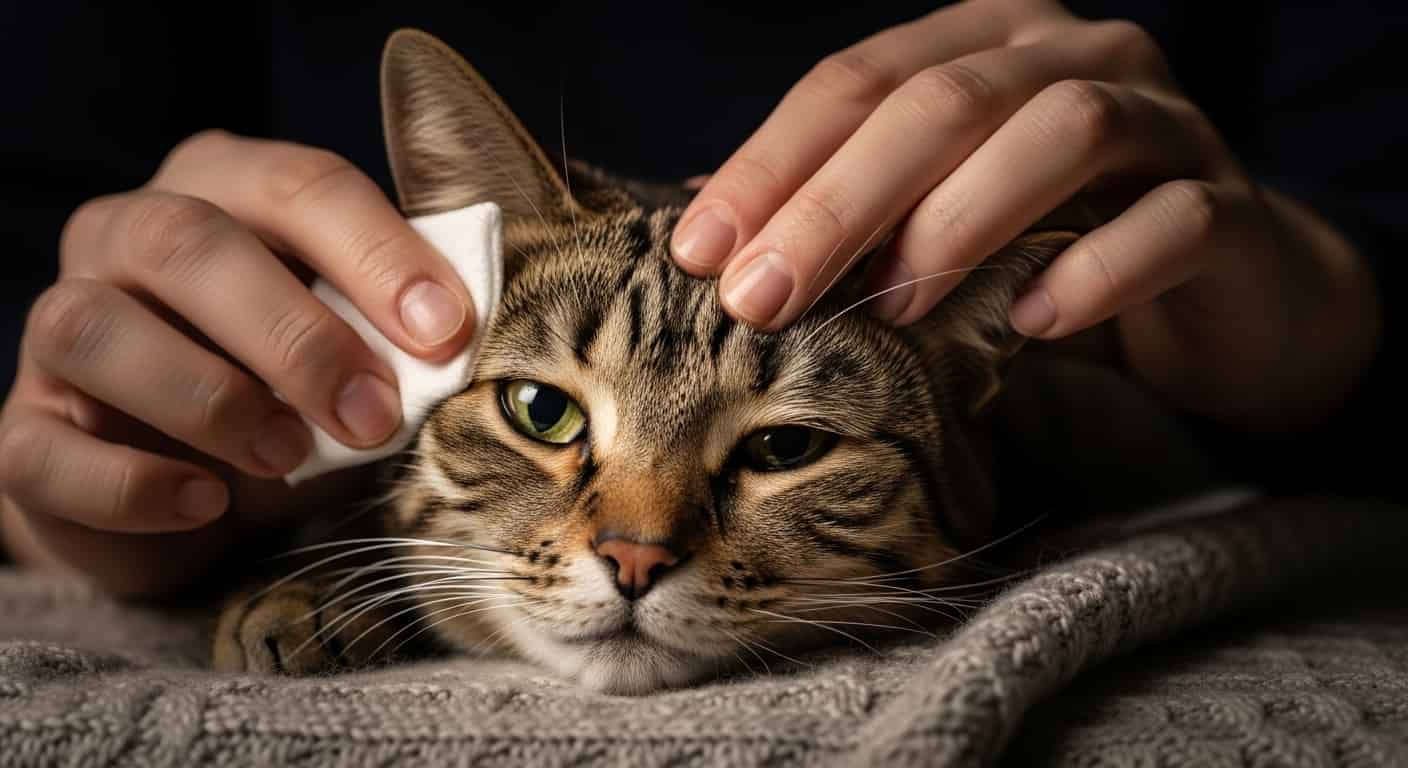
One of the most famous Maine Coon features is their ear tufts. These are the long hairs growing from inside the ears, called “furnishings.” They also have lynx tips—hair that sticks out from the top of the ears.
Look for:
- Ear tufts: Hairs inside the ear, protecting from cold.
- Lynx tips: Wispy hairs at the ear tips, giving a wild look.
Not all Maine Coons have big lynx tips, but most have some inner ear tufts.

Credit: www.wikihow.com
5. Paw Tufts (polydactyly)
Maine Coons often have paw tufts—long hairs growing between their toes. This helps them walk on snow and ice. A rare trait is polydactyly—extra toes. About 40% of early Maine Coons had polydactyly, but it is less common now.
How to check:
- Toe tufts: Look for hair sticking out between toes, especially on the front paws.
- Extra toes: Count the toes—normal cats have 5 on the front, 4 on the back. Polydactyl Maine Coons might have 6 or more on the front.
Here’s a comparison of paw features:
| Trait | Maine Coon | Average Cat |
|---|---|---|
| Paw Tufts | Prominent | Usually absent |
| Polydactyly | Possible | Rare |
| Paw Size | Large | Medium/Small |
6. Tail Characteristics
Maine Coon tails are easy to spot. They are long, bushy, and help the cat keep warm by wrapping around the body.
Traits to look for:
- Bushy tail: The tail is thick, covered in long fur.
- Length: The tail is almost as long as the cat’s body.
- Flexible: Maine Coons use their tail for balance and warmth.
Some cats have bushy tails, but Maine Coons’ tails are especially full and dramatic.

Credit: www.youtube.com
7. Facial Features
The Maine Coon face is unique. They have high cheekbones, a square muzzle, and expressive eyes.
Look for these signs:
- Square muzzle: The jaw looks boxy, not round.
- High cheekbones: The face has strong angles.
- Large, wide-set eyes: Eyes are oval, not round, and usually gold, green, or copper.
- Gentle expression: Maine Coons have a friendly look, never fierce.
Compare facial features:
| Feature | Maine Coon | Persian | Siberian |
|---|---|---|---|
| Muzzle Shape | Square | Flat | Rounded |
| Cheekbones | High | Low | High |
| Eye Shape | Oval | Round | Round |
Many Maine Coons have a “wild” or “wise” look, which stands out from other breeds.
8. Behavioural Clues
Maine Coons are famous for their dog-like behavior. They are gentle, playful, and very social. If your cat acts more like a dog, it could be a Maine Coon.
Behavioral signs:
- Chirping sounds: Maine Coons make unique trills, chirps, and warbles, not just meows.
- Dog-like behavior: They may follow you around, fetch toys, or greet guests.
- Gentle nature: Maine Coons are patient with children and other pets.
- High intelligence: They solve puzzles, open doors, and learn tricks.
- Playful spirit: Even older Maine Coons enjoy games.
Most Maine Coons love water—some may even join you at the sink or bathtub.
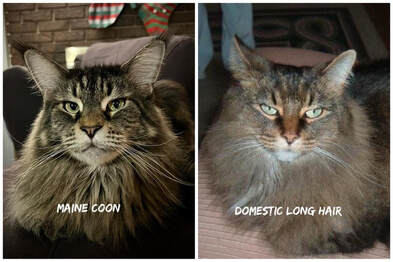
Credit: www.mountainpeakmainecoons.com
9. Dna Testing Option
Physical and behavioral clues can suggest Maine Coon ancestry, but only DNA testing can give a scientific answer. Modern tests can check your cat’s genes for Maine Coon markers.
One popular test is the Basepaws DNA test. It analyzes your cat’s DNA and compares it to purebred Maine Coons. The results show if your cat is closely related to Maine Coons or other breeds. DNA tests also check for health risks, giving you extra peace of mind.
Steps for DNA testing:
- Order a kit online (Basepaws, Wisdom Panel, etc. ).
- Swab your cat’s cheek as instructed.
- Mail the sample to the lab.
- Get results in a few weeks.
DNA tests are not perfect. They may show “Maine Coon mix” or “relatives,” but they cannot guarantee purebred status without papers. Still, they are the best option for cats with unknown backgrounds.
For more information on DNA testing and breed identification, visit Basepaws.
Numbered Checklist: Key Maine Coon Signs
If you want a quick summary, check your cat for these features:
- Rectangular body: Long, muscular, not round.
- Ear tufts: Hairs inside the ears, lynx tips at the top.
- Paw tufts: Hair between toes, sometimes extra toes (polydactyly).
- Bushy tail: Thick, long, covered in fluffy fur.
- Ruff around neck: Lion-like mane, especially in winter.
- Chirping sounds: Trills, chirps, and warbles.
- Dog-like behavior: Follows owners, fetches, greets guests.
- Square muzzle and high cheekbones: Distinct facial structure.
- Large paws: Wide, sturdy, sometimes with extra toes.
- DNA test: Use Basepaws or similar for genetic confirmation.
If your cat checks off most of these points, it may have Maine Coon ancestry. Remember, only pedigree papers or DNA tests can confirm with certainty.
Frequently Asked Questions
1. Can Maine Coon Traits Appear In Mixed-breed Cats?
Yes, many mixed-breed cats can have Maine Coon traits like a bushy tail or ear tufts. Without papers or DNA testing, it’s impossible to be sure.
2. How Old Are Maine Coon Cats When They Reach Full Size?
Maine Coons grow slowly. Most reach full size between 3 and 5 years old. Some may keep growing after two years, especially males.
3. Are Maine Coons More Likely To Have Extra Toes?
Polydactyly is more common in Maine Coons than other breeds. Early Maine Coons had it often, but not all Maine Coons today have extra toes.
4. Do Maine Coons Need Special Grooming?
Their coat is less demanding than Persians, but regular brushing (2–3 times a week) is needed to prevent mats and tangles. Pay attention to their ruff and bushy tail.
5. What Health Problems Are Common In Maine Coons?
They can have hip dysplasia, heart disease (HCM), and sometimes dental issues. DNA tests can screen for these risks. Regular vet checkups help catch problems early.
If you want to discover your cat’s true origins, look for physical clues, behavior, and consider DNA testing. Maine Coons are wonderful pets, whether purebred or mixed. Even without papers, their special traits and loving nature make them stand out in any home.
**As an Amazon Associate, I earn from qualifying purchases.**