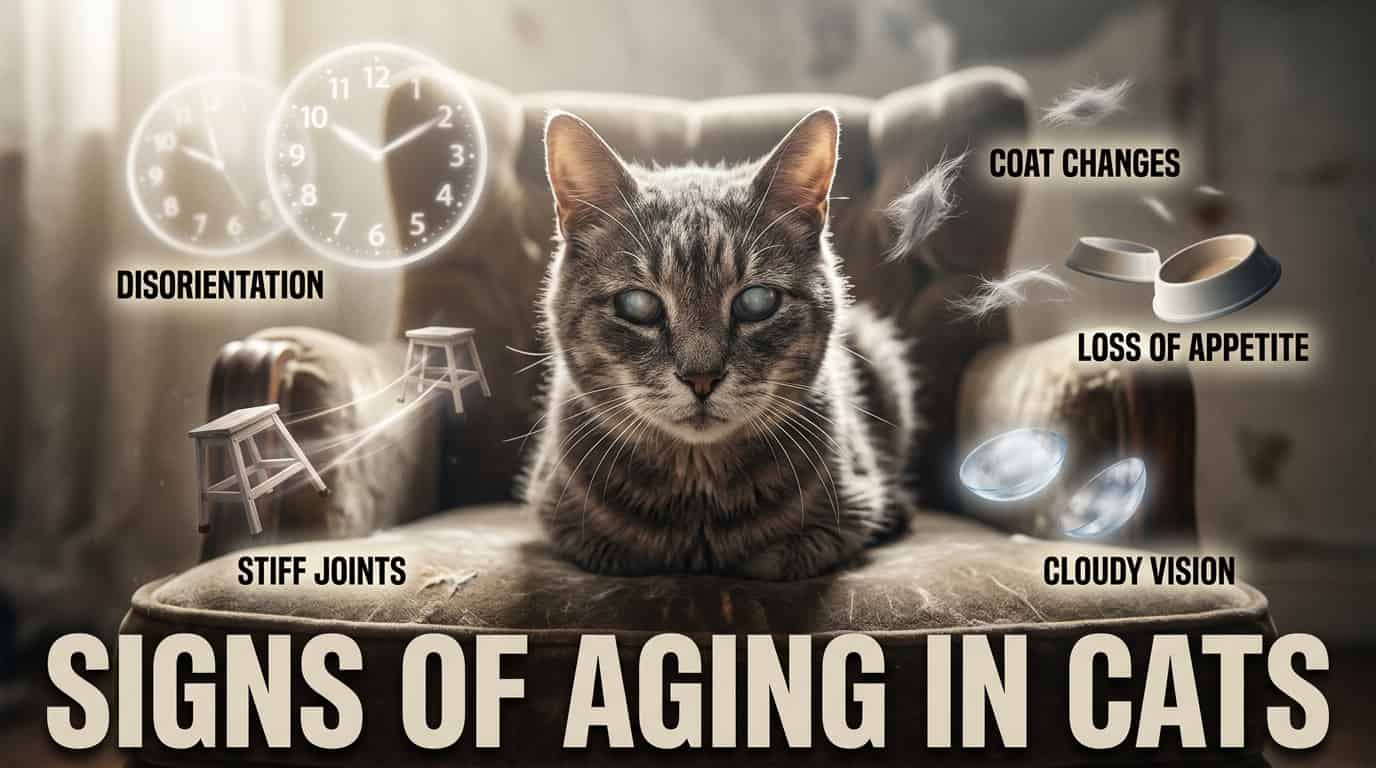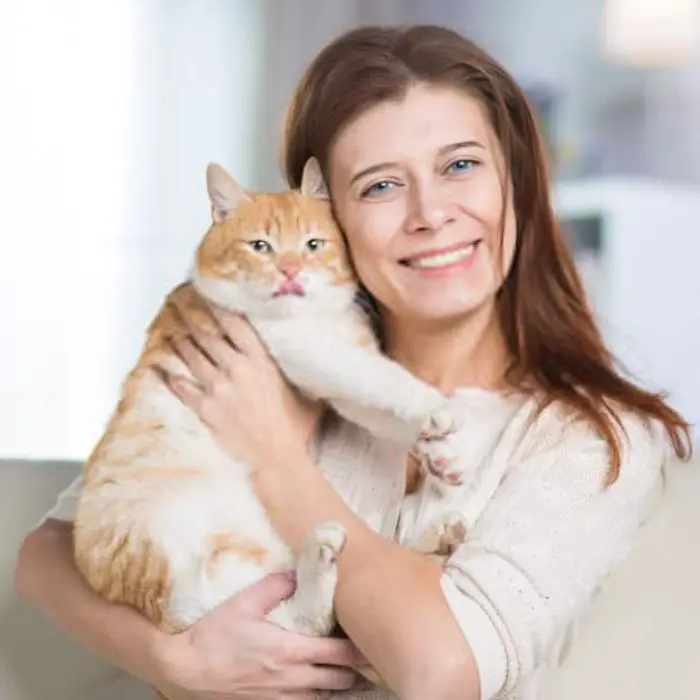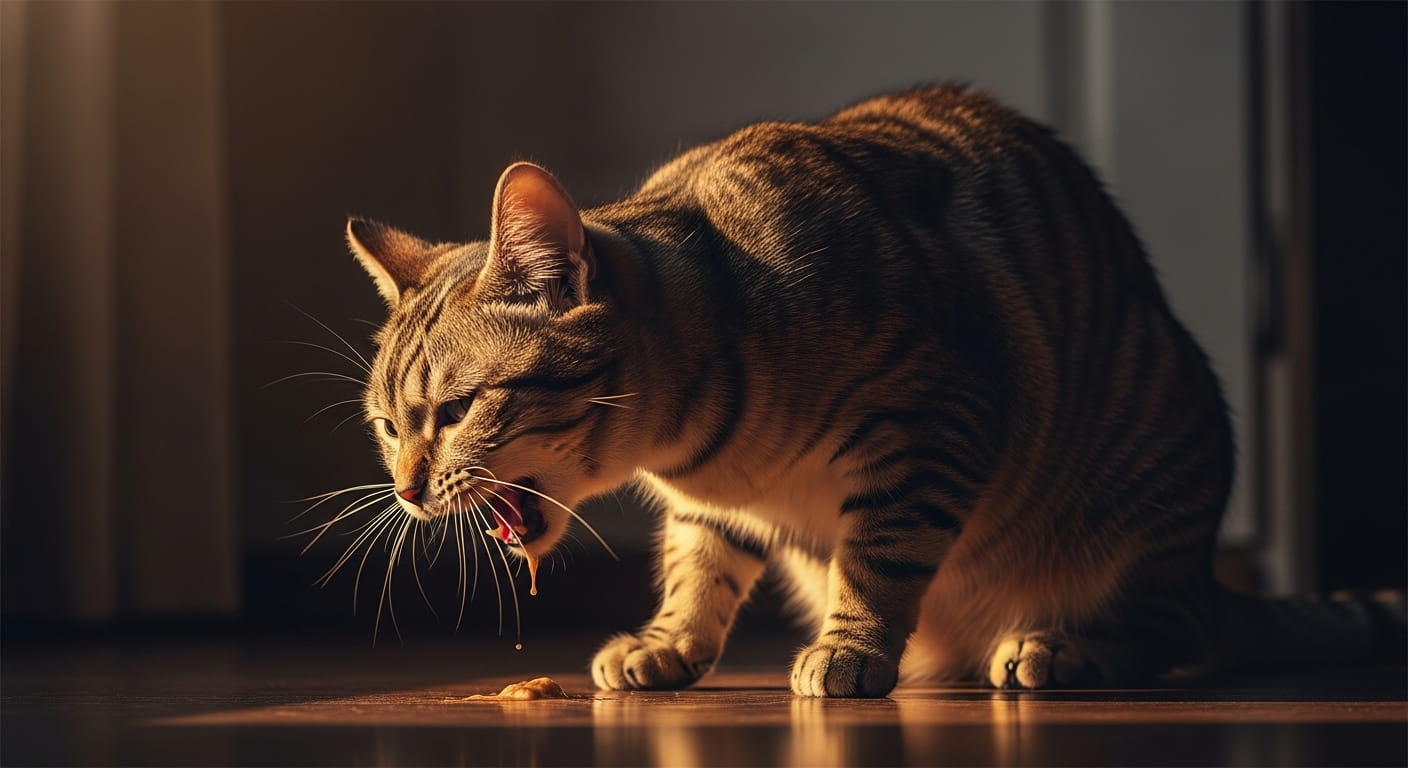
As your cat ages, changes happen quietly. Maybe your once-playful kitten now naps in sunny spots more often. Or perhaps you notice she doesn’t leap as high as she used to. Understanding when a cat is considered senior matters because their needs shift in ways that aren’t always obvious. With better nutrition and veterinary care, many cats now live into their late teens and even early twenties. However, aging brings unique challenges. Recognizing these changes early helps you give your companion the best possible quality of life. Whether you’re caring for a 7-year-old who’s just entering her golden years, or a 16-year-old who’s been by your side for half your life, knowing how to adapt is the key to a happy, healthy senior cat.
When Does A Cat Become A Senior?
Cats age faster than humans, but not in a straight line. The journey from kitten to old age includes several stages, each with its own needs. Most experts agree that cats are considered senior at around 7 years of age. However, aging is not just about a number—it’s about how the body changes over time.
Many pet owners find it surprising that cats can look “young” on the outside but have internal changes that are not easy to see. For example, you might notice your cat’s eyes still shine and her coat still looks glossy, but her organs may be aging in ways that aren’t obvious.
Just as some people look younger than their age, some cats act like kittens well into their teens, while others slow down earlier.
Senior (7–10 Years), Geriatric (11–14 Years), Super Senior (15+)
- Senior (7–10 years): At this stage, cats may still seem playful and healthy, but subtle changes begin. Their metabolism slows, and the risk of diseases like kidney problems or arthritis increases. Regular checkups start to matter more. You may notice that your cat is less eager to play for long periods, takes more naps during the day, or is a little slower to chase toys. Some cats start to show early dental disease or gain a little weight as they move less but eat the same amount.
- Geriatric (11–14 years): This is when age-related problems become more common. Cats may lose muscle mass, show stiffness, or develop chronic health issues. Their senses might become less sharp, and they may sleep even more. Some cats may become more vocal, especially at night, or seem more attached to their humans. You might see changes in their eyes, such as a hazy lens, or hear them breathe a little harder after playing. Geriatric cats sometimes need help grooming or using the litter box.
- Super Senior (15+ years): Few cats reach this age, but those who do often need extra support. Appetite, mobility, and organ function may decline. Quality of life decisions become more frequent, and daily routines may need to change. Super seniors often need help with grooming, may need to have their food and water dishes moved closer, and can develop age-related dementia. They may struggle to keep themselves clean, and you might find that they spend much of their time in one or two favorite spots.
A useful way to compare cat and human ages is to consider that a 10-year-old cat is roughly equivalent to a 56-year-old human, while a 15-year-old cat is similar to a person in their late seventies. But remember, genetics, environment, and care all play a role in how your cat ages.
Some breeds, like Siamese or Maine Coon cats, are known to live longer, while others may have hereditary risks for certain diseases.
Non-obvious insight: The way your cat ages is not only about her age in years. Stress, changes in home life, and even losing a companion (pet or human) can accelerate aging in cats. Watch for emotional as well as physical changes.
Vet Care For Senior Cats — How Often And What To Expect
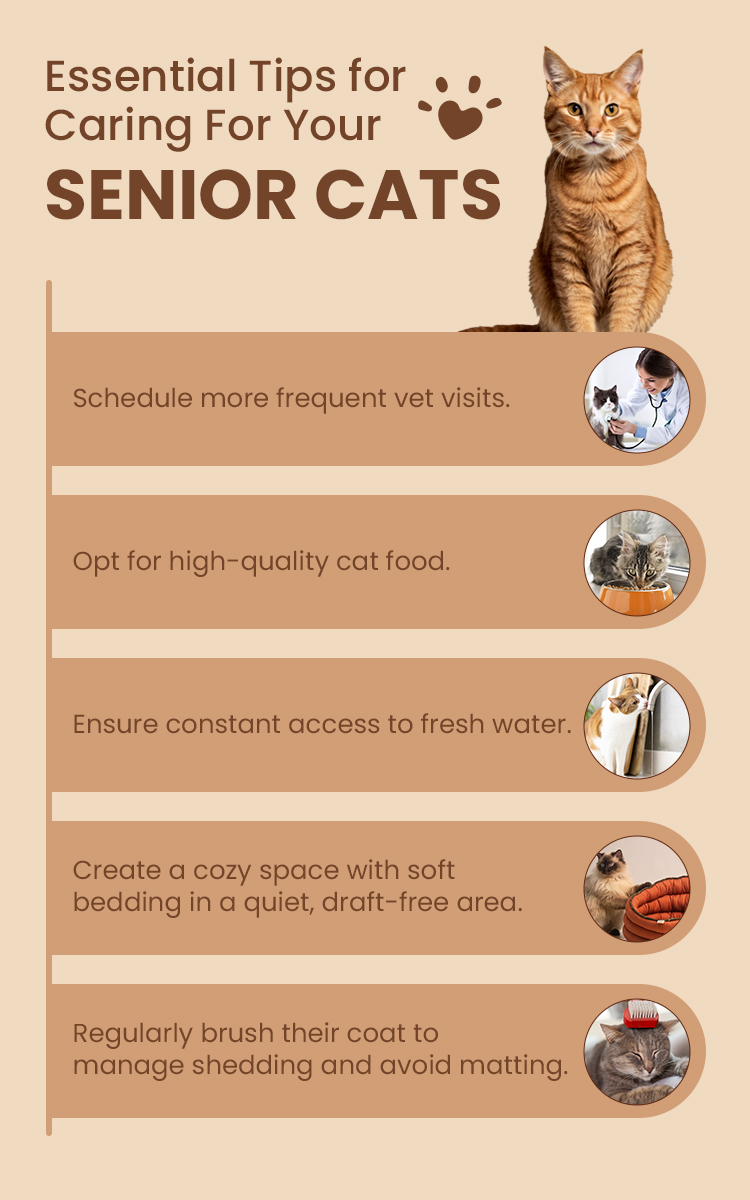
Senior cats need more frequent veterinary care than younger cats. Regular checkups help detect problems early, before they become serious. For most healthy adult cats, annual visits are enough. But once your cat turns 7, twice-yearly checkups are recommended.
Why more frequent visits? Aging cats often hide symptoms of illness. By the time you notice a problem, it might already be advanced. Vets can spot subtle signs during exams and recommend bloodwork or urine tests to check for conditions like kidney disease, diabetes, or thyroid problems.
Here’s what a typical senior cat vet visit includes:
- Physical exam: Checks for weight loss, dental disease, heart murmurs, and lumps. The vet will also check your cat’s coat, ears, and eyes for changes. Sometimes a cat’s fur will look greasy or matted, which can signal arthritis or poor grooming due to mouth pain.
- Blood and urine tests: Look for early signs of kidney disease, diabetes, thyroid issues, and anemia. These tests are important because many diseases in older cats do not show symptoms until they are advanced.
- Blood pressure check: High blood pressure is common in older cats and can lead to blindness or organ damage. This is done with a small cuff on a leg or tail and is usually quick and painless.
- Dental check: Older cats are prone to painful dental issues. Your vet may look for red gums, loose teeth, or tartar that can cause pain or lead to infection in other parts of the body.
- Weight monitoring: Weight loss can be a warning sign of many illnesses. Sudden weight loss in an older cat should always be checked. Sometimes, cats with thyroid problems lose weight even if they eat more.
If your cat has a chronic condition, your vet may recommend visits every 3–4 months. It’s also important to keep your cat’s vaccinations up to date, especially if they go outdoors. Some vaccines can be spaced further apart for indoor-only seniors, but this should be decided with your vet.
What else to expect at the vet: The vet might ask you questions about appetite, thirst, urination, and behavior. Even small changes can be important. For example, drinking more water or urinating more often can be a sign of diabetes or kidney disease.
Non-obvious insight: Ask your vet to check your cat’s muscle condition score as well as their weight. Muscle loss can signal diseases like hyperthyroidism or arthritis, even when weight is normal. Vets use their hands to feel along the spine, shoulders, and hips for muscle tone.
Tip: Bring a list of your questions and any changes you’ve noticed since the last visit. Take note of your cat’s eating, drinking, and litter box habits.
Credit: www.ourpetwarehouse.com
Nutrition For Senior Cats — What Changes And Why
As cats age, their nutritional needs change. Senior cats often have slower metabolisms and may develop health issues that require special diets. But it’s not always as simple as switching to a “senior” food. Understanding what your cat really needs is essential.
Many pet owners believe that all older cats need the same food, but this isn’t true. Some seniors lose weight and need more calories, while others gain weight and need less. You may need to adjust your cat’s diet more than once as she ages.
Key Nutrition Changes For Older Cats
- Protein: Senior cats need high-quality protein to maintain muscle mass. However, if your cat has kidney disease, your vet might recommend less protein. The source of protein is important—animal-based proteins like chicken, turkey, or fish are easier for cats to digest.
- Calories: Many older cats lose weight, while some gain it. Monitor your cat’s body condition and adjust calories as needed. If your cat is losing weight without trying, it could signal a health problem.
- Fat: Older cats may have trouble digesting fat, so moderate amounts are best. Too much fat can lead to obesity, but too little can cause a dull coat or dry skin.
- Fiber: Some cats become constipated as they age. Added fiber can help, but too much can block absorption of nutrients. Some senior diets include beet pulp or psyllium husk for mild fiber.
- Water: Dehydration is a risk, especially with kidney disease. Wet food is often recommended because it contains more moisture. You can also add a little water or low-sodium broth to food.
Example: A 12-year-old cat with kidney disease might need a special diet with lower phosphorus and protein, while a healthy 8-year-old might do better on a high-protein, moderate-fat food.
How To Feed A Senior Cat
- Offer smaller, more frequent meals if your cat’s appetite is low. Older cats often prefer to eat several small meals instead of one or two large ones.
- Warm food slightly to make it smell more appealing. Cats rely on smell to enjoy their food, and warming it can release aromas.
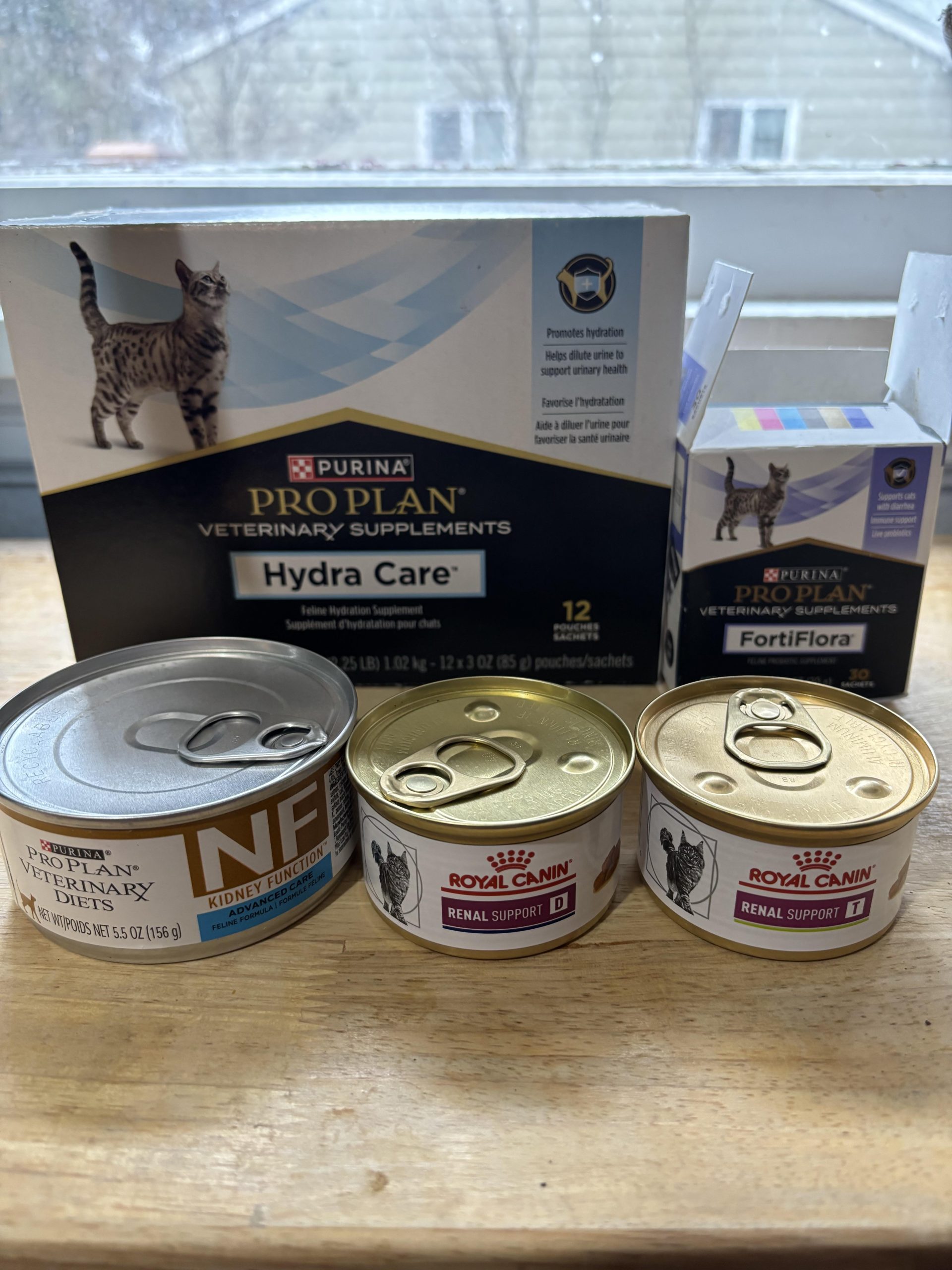
- Consider prescription diets if your cat has a medical condition. There are foods specifically for kidney disease, thyroid issues, and diabetes.
- Ensure fresh water is always available. Some older cats don’t drink enough. Try a water fountain, which many cats prefer over bowls.
Practical tip: If your cat refuses to eat, try a different shape (pâté vs. chunks), flavor, or brand. Sometimes, older cats have sore teeth or gums and need softer food.
Special Diets For Common Conditions
Cats with kidney disease often need low-phosphorus diets. Diabetic cats need food with consistent carbs and protein. Always ask your vet before changing your cat’s diet, as some “senior” foods are not suitable for all older cats.
Example: A cat with diabetes may benefit from a high-protein, low-carbohydrate diet, while a cat with thyroid disease may need more calories and fat.
Non-obvious insight: Smell and taste decline with age, so your cat may suddenly become “picky.” Try different textures and flavors to find what she likes, and never assume she’s just being fussy. Sometimes, dental pain or nausea is the real reason behind a sudden change in eating habits.
Extra tip: Some cats benefit from supplements like omega-3 fatty acids, B vitamins, or probiotics, but always check with your vet before adding anything new to your cat’s diet.
Managing Mobility And Arthritis In Senior Cats
Arthritis and joint pain are extremely common in older cats, though they rarely limp or cry out. Instead, you might notice your cat avoids jumping, hesitates on stairs, or spends more time sleeping.
Many owners miss the signs of arthritis because cats hide pain well. Instead of limping, they might just avoid certain activities or become less social.
Common Signs Of Arthritis:
- Reluctance to jump or climb. Your cat may start sleeping on lower furniture instead of high shelves.
- Stiffness after rest. She may move slowly after waking up.
- Overgrown claws (from less scratching). Arthritic cats may use scratchers less, leading to longer nails.
- Hiding more often. Painful cats may avoid interaction or spend more time under beds or in closets.
Some cats also groom themselves less, especially around their lower back, because it hurts to twist and bend.
Helping Your Cat Stay Mobile
- Low-sided litter boxes: Make it easy to get in and out. High walls can be hard for stiff joints.
- Ramps or steps: Help your cat reach favorite spots. You can buy or build simple ramps or use sturdy boxes as steps.
- Soft bedding: Supports sore joints. Place beds in warm, quiet spots your cat already likes.
- Regular, gentle play: Keeps muscles strong without overdoing it. Use feather wands or toys that move slowly.
Tip: Place food, water, and litter boxes on every floor of your home so your cat doesn’t have to climb stairs. Don’t force your cat to exercise, but encourage gentle movement.
Veterinary Treatments
- Pain relief: There are now several safe pain medications for cats. Common options include anti-inflammatories and newer drugs made just for cats.
- Joint supplements: Glucosamine and omega-3s can help, but ask your vet first. Not all supplements are equal—some are better absorbed than others.
- Physical therapy: Gentle massage or acupuncture may benefit some cats. There are also veterinary physical therapists who can show you simple stretches or movements to do at home.
Non-obvious insight: Cats often stop grooming painful areas. If you notice greasy or matted fur along the back or hips, arthritis may be the reason. Groom these areas gently for your cat.
Extra tip: Trim your cat’s nails regularly. Overgrown claws can get caught or curl into the paw pad, causing pain and infection.
Comparing Senior Cat Mobility Aids
Here’s a quick look at common tools and their benefits.
| Mobility Aid | Purpose | Pros | Cons |
|---|---|---|---|
| Ramps | Help with jumping onto beds/couches | Easy to install, reduces joint stress | May take time for cat to use |
| Low-sided litter box | Easy bathroom access | Prevents litterbox avoidance | May scatter more litter |
| Heated bed | Soothes sore joints | Encourages rest, easy to find online | Needs regular cleaning |
Extra insight: Don’t wait until your cat is unable to jump—start using ramps or steps early to help her adjust.
Dental Care For Senior Cats
Dental disease is one of the most common and painful problems in older cats. Over 70% of cats over age 3 have some dental issues, and these get worse with age. Problems like gingivitis, tooth resorption, and infection can make eating painful and even cause other illnesses.
Dental issues can lead to heart, kidney, or liver problems because bacteria from the mouth can enter the bloodstream. Older cats often develop cavities under the gum line or lose teeth.
How To Care For Senior Cat Teeth
- Regular vet dental exams: Your vet may recommend professional cleanings under anesthesia. This allows for deep cleaning and checking for hidden problems.
- Brush if possible: Use a special cat toothbrush and toothpaste. Even brushing a few times a week helps. Start slowly and reward your cat, even if you only brush a few teeth at first.
- Dental diets or treats: Some foods help reduce tartar, but they’re not a substitute for brushing. Look for products approved by the Veterinary Oral Health Council (VOHC).
- Monitor for signs of pain: Drooling, bad breath, pawing at the mouth, or dropping food mean your cat needs a dental check. Your cat may also chew on one side of the mouth or stop eating dry food.
Tip: Cats with painful mouths may only lick the juice from wet food and leave the chunks behind.
Dental Procedures In Older Cats
Some owners worry about anesthesia in old cats. Modern anesthesia is much safer, but blood tests and careful monitoring are always important. Your vet can help you weigh the risks and benefits.
Before dental work, your vet will likely recommend blood tests to check organ function. During the procedure, your cat will be carefully monitored for heart rate, blood pressure, and breathing.
Non-obvious insight: Dental pain can cause behavior changes. If your cat becomes grumpy or hides, check her mouth—she may be hurting. Behavior problems often improve once dental pain is treated.
Comparison Of Dental Care Options
| Method | Effectiveness | Frequency | Best For |
|---|---|---|---|
| Professional cleaning | High | Every 1-2 years | Cats with tartar or gum issues |
| At-home brushing | Very high (if consistent) | Daily/weekly | Cooperative cats |
| Dental treats | Moderate | Few times a week | Cats who resist brushing |
Extra tip: Never use human toothpaste—it can be toxic to cats.
Senior Cat Mental Health And Enrichment
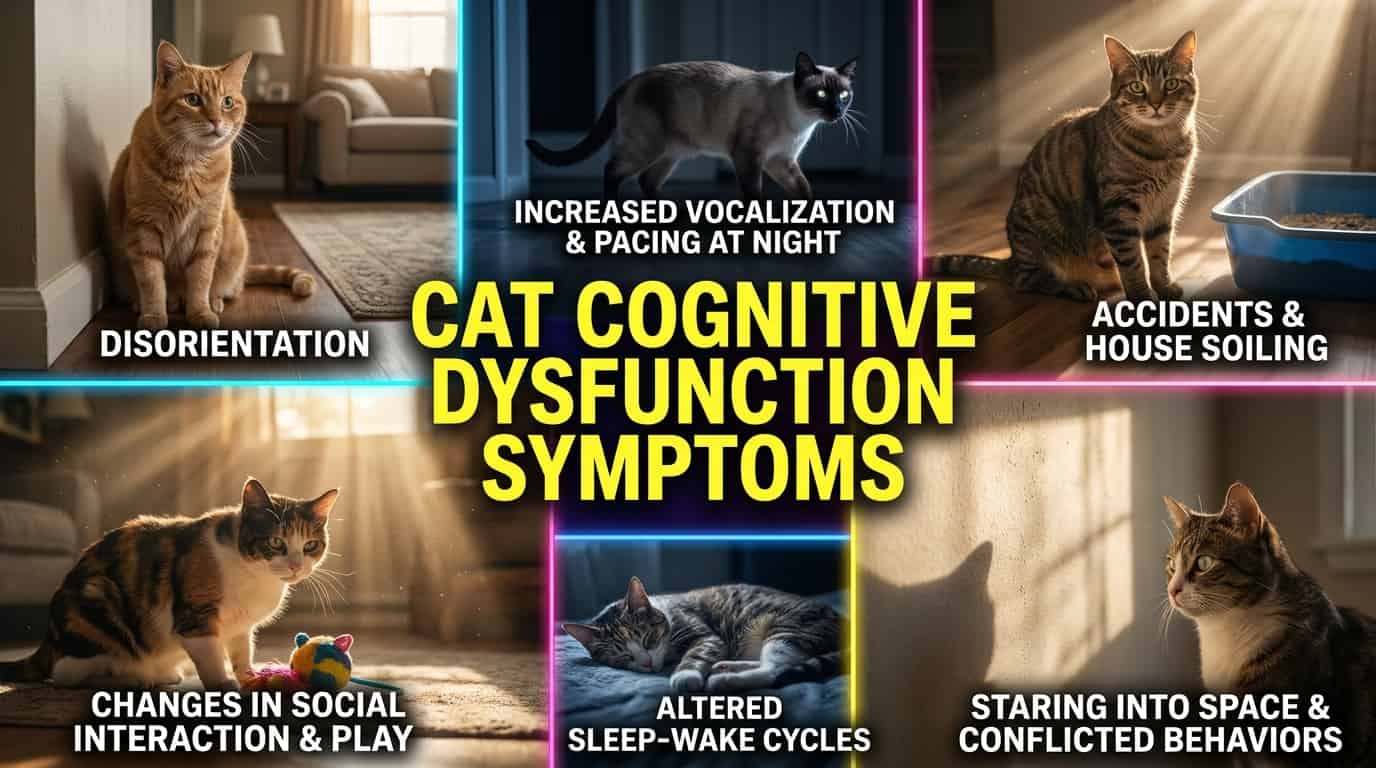
Aging doesn’t just affect the body—it impacts the mind, too. Senior cats can develop cognitive dysfunction, similar to dementia in people. Signs include confusion, changes in sleep patterns, and even litter box accidents.
It’s not unusual for older cats to meow more at night, get “stuck” in corners, or forget familiar routines. Some cats become more anxious and follow their humans everywhere, while others become less social.
Keeping Your Cat’s Mind Sharp
- Routine: Older cats find comfort in predictable schedules. Feed, play, and clean the litter box at the same times each day.
- Enrichment: Toys, puzzle feeders, and window perches keep the mind engaged. Try rotating toys so they stay interesting.
- Interactive play: Short, gentle sessions with wand toys or balls. Avoid overstimulation, but keep your cat moving and thinking.
- Safe outdoor time: If possible, let your cat enjoy a secure patio or leash walks. The sights, sounds, and smells of the outdoors can be very stimulating.
- Social time: Spend quality time with your cat—petting, talking, or simply sitting together. Even a few minutes a day can make a difference.
Non-obvious insight: Some older cats develop “night howling” due to confusion or anxiety. Nightlights and soothing voices can help. Try leaving a radio or white noise machine on low at night.
Extra tip: Scent-based enrichment, like catnip or silvervine, can still interest some seniors. Use soft, lightweight toys that are easy to bat around.
Recognizing Mental Decline
If your cat seems lost in familiar places, stares at walls, or forgets routines, talk to your vet. There are supplements and medications that may help, along with lifestyle changes.
Signs of cognitive dysfunction:
- Getting “stuck” behind furniture
- Forgetting how to use the litter box
- Changes in sleeping patterns (awake at night, restless)
- Less interest in play or food
- Increased vocalization (especially at night)
Some cats also forget family members or become startled easily.
Practical tip: Try to avoid big changes in your home. Rearranging furniture or adding new pets can be stressful for a senior cat.
Credit: www.kinship.com
Environmental Adaptations For Ageing Cats
Your home can be a safe haven—or a challenge—for an aging cat. Simple changes make a big difference in comfort and safety.
Easy Adaptations For Your Home
- Non-slip mats: Place on slippery floors to prevent falls. Older cats often have weaker back legs, which can make walking on tile or hardwood difficult.
- Easy-access beds: Lower beds in quiet, warm spots. Avoid tall cat trees or shelves that require jumping.
- Litter box upgrades: Use larger boxes with lower sides, and keep them clean. Some cats need more than one box if they have trouble walking far.
- Safe stairs and ramps: Help your cat reach favorite places. Make sure ramps are stable and covered with non-slip material.
- Hideaways: Older cats like cozy, quiet spaces to retreat. Cardboard boxes with a soft blanket work well.
Extra tip: Keep your cat’s things (food, water, litter box) in the same place. Changes can cause anxiety or confusion.
Temperature And Lighting
Senior cats are more sensitive to cold. Heated beds or pads (set on low) can help. Nightlights in hallways and near litter boxes can reduce confusion and falls at night.
Example: If your home is drafty, put a bed in a warm, sunny window or use a safe, low-heat pad. Avoid heating pads meant for humans, as they can get too hot.
Food And Water Stations
Place bowls in easy-to-reach areas. Consider raising the bowls so your cat doesn’t have to crouch. Elevated bowls can help cats with arthritis in their neck or shoulders.
Practical tip: If your cat has trouble finding her water, try a cat fountain. The sound of running water can attract her.
Comparison Of Home Adaptations
| Adaptation | Benefit | Common Mistake |
|---|---|---|
| Non-slip rugs | Prevents falls | Only using in one room |
| Heated beds | Soothes joints, comfort | Leaving unattended on high setting |
| Low-entry litter box | Reduces accidents | Placing too far from favorite resting spots |
Non-obvious insight: Scent helps cats navigate. Try not to move furniture or use strong cleaners, as this can confuse senior cats. If you must clean, use unscented products.
Extra tip: Block access to stairs or high places if your cat has trouble getting down safely.
Managing Chronic Conditions In Senior Cats
Older cats often develop chronic diseases that require ongoing management. The most common include:
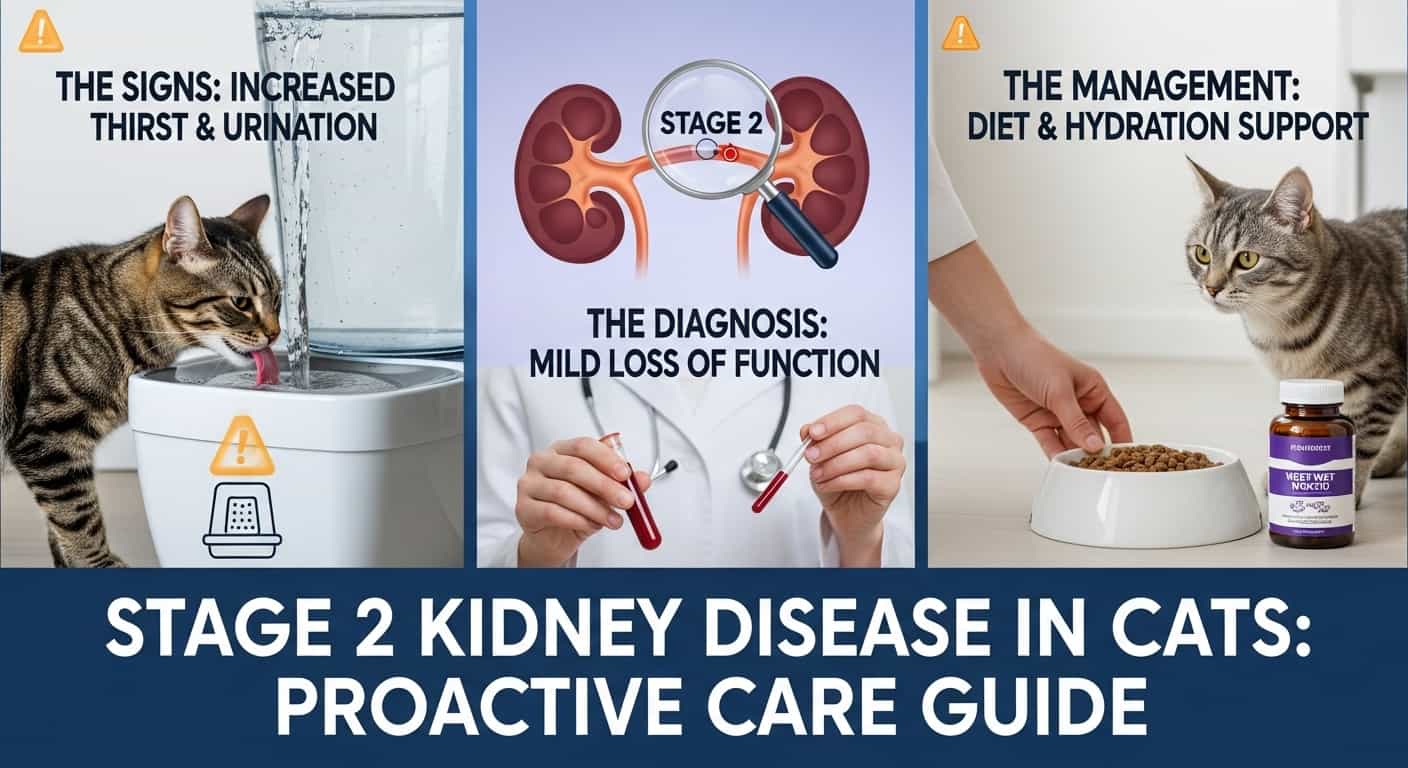
- Kidney disease: Affects up to 30% of cats over age 10. Signs include increased drinking and urination, weight loss, and poor appetite.
- Hyperthyroidism: Causes weight loss, increased appetite, and restlessness. Cats may also vomit or have diarrhea.
- Diabetes: More common in overweight cats. Look for increased thirst, urination, and weight loss.
- High blood pressure: Can cause blindness or strokes. Signs may include sudden blindness, weak legs, or seizures.
- Cancer: Especially lymphoma and oral tumors. Look for lumps, bumps, or bleeding from the mouth.
- Arthritis: Affects mobility and quality of life. Watch for limping, stiffness, or sleeping in new places.
Managing These Conditions
- Kidney disease: Special diets, increased water intake, medications, and sometimes fluid therapy at home. Your vet may show you how to give fluids under the skin.
- Hyperthyroidism: Pills, topical gels, special diets, or radioiodine treatment. Blood tests are needed to monitor treatment.
- Diabetes: Insulin injections, diet changes, and regular blood sugar checks. Some cats go into remission, but many need lifelong treatment.
- High blood pressure: Medication and frequent monitoring. Blood pressure is checked at the vet, and some cats need two or more drugs.
- Cancer: Surgery, chemotherapy, or palliative care. Not all cancers are treatable, but pain can often be managed.
- Arthritis: Pain relief, joint supplements, and environmental changes (like ramps and soft beds).
Tip: Work with your vet to create a treatment plan you can manage at home. Don’t be afraid to ask for training or demonstrations.
Importance Of Monitoring
Keep a journal of your cat’s appetite, weight, urination, and behavior. Small changes can signal bigger problems. Many owners miss early signs because they happen gradually.
Example: Weigh your cat at home every month. Even small weight loss in an older cat can be a red flag.
Non-obvious insight: Ask your vet about home monitoring tools, like urine test strips or blood glucose meters, to catch problems early. Apps for pet health can also help you track changes over time.
Extra tip: Set reminders for medications and vet appointments. Treatment is easier to manage when you’re organized.
Signs Your Senior Cat Is In Pain
Cats are masters at hiding pain. This is an instinct from their wild ancestors. But knowing the signs helps you act quickly.
Subtle Signs Of Pain
- Hiding or withdrawing from family. Your cat may spend more time under beds or in closets.
- Changes in grooming (less or overgrooming one spot). Overgrooming can create bald patches; undergrooming leads to mats.
- Reluctance to jump or play. She may stop using the cat tree or window perch.
- Changes in posture (hunched, stiff). Some cats walk with a stiff gait or sit hunched with their head down.
- Growling or swatting when touched. Especially if you touch a sore area.
- Appetite changes. Painful cats may eat less or only lick at their food.
- Litter box accidents. Pain can make it hard to climb in or squat.
Sometimes, pain looks like grumpiness, restlessness, or even purring when stressed. Trust your instincts—if your cat’s behavior changes, she may be hurting.
Example: A cat with arthritis may stop jumping but also start urinating just outside the box. The problem is pain, not stubbornness.
What To Do
Never give human painkillers to cats—they can be deadly. Always talk to your vet. There are now several safe, effective medications for feline pain.
Tip: Write down when you see signs of pain. This helps your vet choose the right treatment and monitor improvement.
Non-obvious insight: Chronic pain can cause “inappropriate” urination, as getting in and out of the box hurts. A sudden litter box problem can be a pain signal, not just a behavior issue.
Extra tip: Ask your vet about new pain medications for cats, such as anti-nerve pain drugs, which work differently than older options.
End-of-life Considerations
Facing the end of your cat’s life is one of the hardest parts of pet ownership. But thinking ahead helps you make compassionate, thoughtful choices.
Quality Of Life
Ask yourself:
- Is my cat eating, drinking, and using the litter box?
- Does she still enjoy her favorite things?
- Is her pain well controlled?
- Can she move around and groom herself?
Veterinarians use quality of life scales to help. These score things like appetite, mobility, hygiene, and happiness.
Tip: Print a quality of life scale and review it every week or two. Changes over time are easier to see in writing.
Hospice And Palliative Care
Some cats benefit from hospice care—keeping them comfortable at home with pain relief, fluids, and special diets. Your vet can help you decide when it’s time.
Example: A cat with kidney disease may live comfortably for months or years with fluids, special food, and pain control.
Euthanasia
When suffering outweighs pleasure, humane euthanasia may be the kindest choice. This is never easy, but it prevents needless pain.
Discuss your options with your vet. Home euthanasia may be available in some areas, allowing your cat to be in her favorite place.
Aftercare
Plan ahead for burial or cremation. Many vets offer special services and support for grieving owners.
Non-obvious insight: Cats often withdraw when dying. This is natural, but doesn’t mean your cat wants to be alone. Gentle presence and comfort matter.
For more support and information, the American Association of Feline Practitioners offers resources on senior cat care at Cat Friendly Homes.
Extra tip: Ask friends or family for support. Grieving a pet is real and valid.
Credit: aspengrovevet.com
Senior Cat Faqs
How Can I Tell If My Cat Is In Pain?
Look for changes in behavior, like hiding, less grooming, reluctance to jump, or grumpiness. Appetite loss and litter box accidents can also signal pain. Trust your instincts—subtle changes matter.
Should I Switch My Senior Cat’s Food To A “senior” Formula?
Not always. Some “senior” foods are lower in protein, which is not ideal for all older cats. Ask your vet to recommend a diet based on your cat’s health, weight, and any medical conditions.
How Often Should A Senior Cat See The Vet?
At least twice a year (every six months) is best for healthy seniors. Cats with chronic health issues may need more frequent visits and lab tests.
Is It Safe For My Senior Cat To Have Dental Work Or Anesthesia?
With proper screening and monitoring, dental procedures are much safer today—even for senior cats. Bloodwork and careful anesthesia protocols reduce risk, but always discuss concerns with your vet.
What Can I Do If My Senior Cat Seems Anxious Or Confused?
Stick to routines, use nightlights, and provide gentle enrichment. If confusion is severe, ask your vet about medications or supplements for cognitive support.
Caring for a senior cat is a journey of love and adaptation. The more you understand your aging companion’s needs, the more comfort and joy you can share. If you want to learn more about specific topics like feline kidney disease, dental care, or home adaptations, explore our cluster pages for in-depth guides and practical tips.
Every extra day of comfort and happiness is a gift—one you help give with attentive senior cat care.
**As an Amazon Associate, I earn from qualifying purchases.**