
What No One Tells You Before You Adopt A Kitten
Bringing home a kitten is one of life’s sweetest joys. Those tiny paws, wide eyes, and playful meows can melt anyone’s heart. But behind the cuteness, there’s a lot you might not expect. Many new owners think caring for a kitten is simple: food, water, and a litter box. In truth, kittens are much more sensitive and need careful attention to thrive. The first few days are often more stressful than you imagine, both for you and your new pet. And while friends and online guides might focus on the fun, they rarely mention the late-night crying, bathroom accidents, or the overwhelming responsibility you’ll feel at first.
Surprisingly, kittens are not just small cats—they have their own needs, health risks, and behavior quirks. They require special food, careful introductions to your home, and lots of patience. Many new owners feel anxious or guilty when things don’t go perfectly.
This is normal. The first week can feel like a roller coaster, but with the right information, you’ll make the transition much smoother for both you and your kitten. This guide gives you honest, practical advice for every step, so you can avoid common mistakes and build a happy life together.
Day 1 — The First Night Home
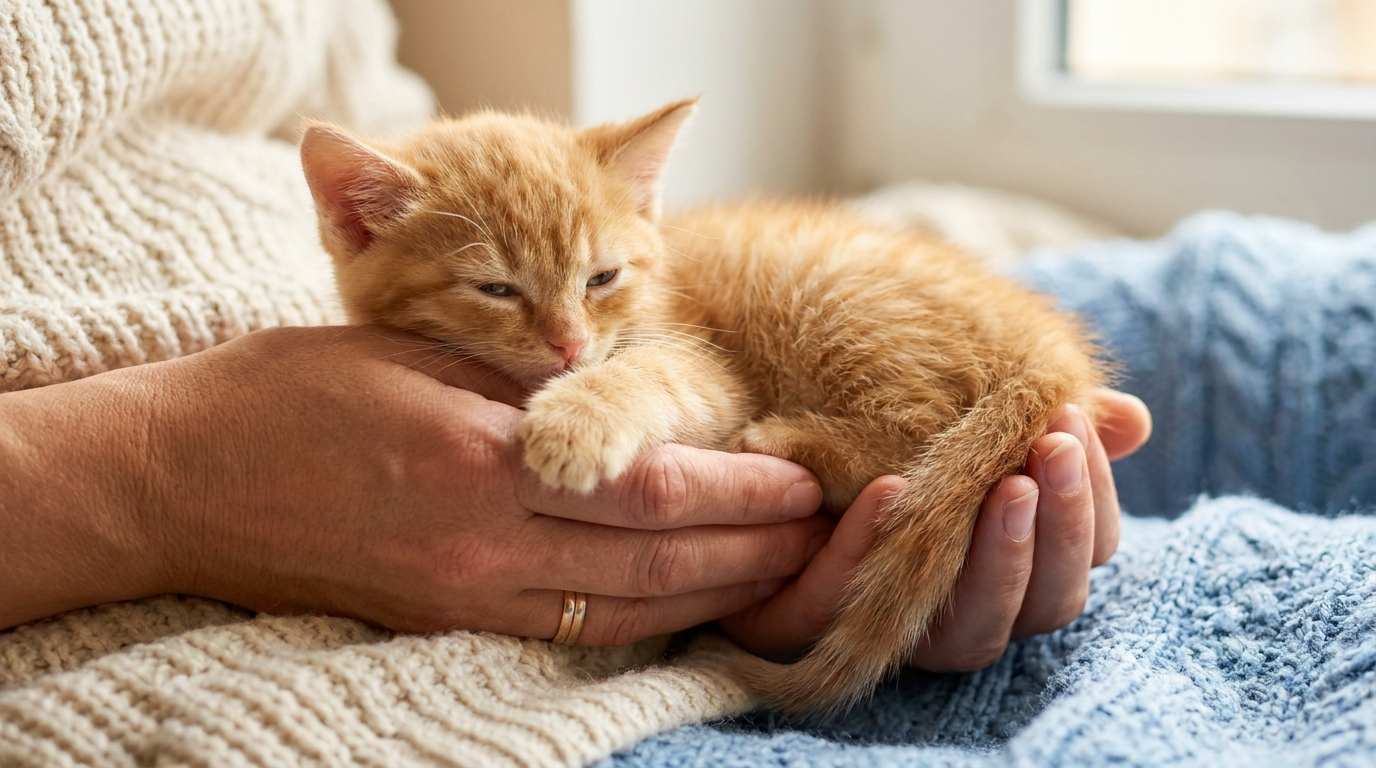
Your kitten’s first night in your home is a big change for both of you. Everything is new for them: smells, sounds, and even the people. Many kittens feel scared, and it’s normal for them to hide or cry.
Start by preparing a safe, quiet room. This should be a small space—like a bathroom or bedroom—with their litter box, food, water, and a soft bed. Avoid placing their food and litter box right next to each other. Give your kitten time to explore at their own pace. Don’t force them to come out or play. Sit quietly in the room, and let them approach you when they feel ready.
Kittens often cry at night because they miss their mother and siblings. You can help by giving them a warm blanket and a small stuffed toy for comfort. If possible, a ticking clock under the blanket can mimic a heartbeat and calm them.
Feed your kitten before bedtime. A full belly helps them sleep better. Place the litter box in an easy-to-find spot. Accidents may still happen, so be patient.
A common mistake is inviting friends or family to meet your kitten right away. Too much excitement can overwhelm them. Keep the first night quiet and gentle.
Sleep may be interrupted. Kittens sometimes meow, scratch, or even climb on your bed. This is normal. Try to offer comfort, but don’t punish or yell. The first night is about building trust and helping your kitten feel safe.
Days 2–7 — What To Expect In The First Week
The first week is a period of adjustment for your kitten and for you. By the second day, your kitten may start exploring more. They’ll sniff around, play with toys, and learn where their litter box is. Don’t worry if they hide sometimes—it’s a sign they need time to feel safe.
You may notice changes in their appetite. Some kittens eat less the first day or two due to stress. However, by day three or four, most kittens start eating and drinking normally. Always provide fresh water and kitten-specific food.
Litter box training usually begins now. Most kittens learn quickly, but accidents are common. If your kitten has an accident, clean it up with an enzymatic cleaner to remove smells. Never punish a kitten for mistakes.
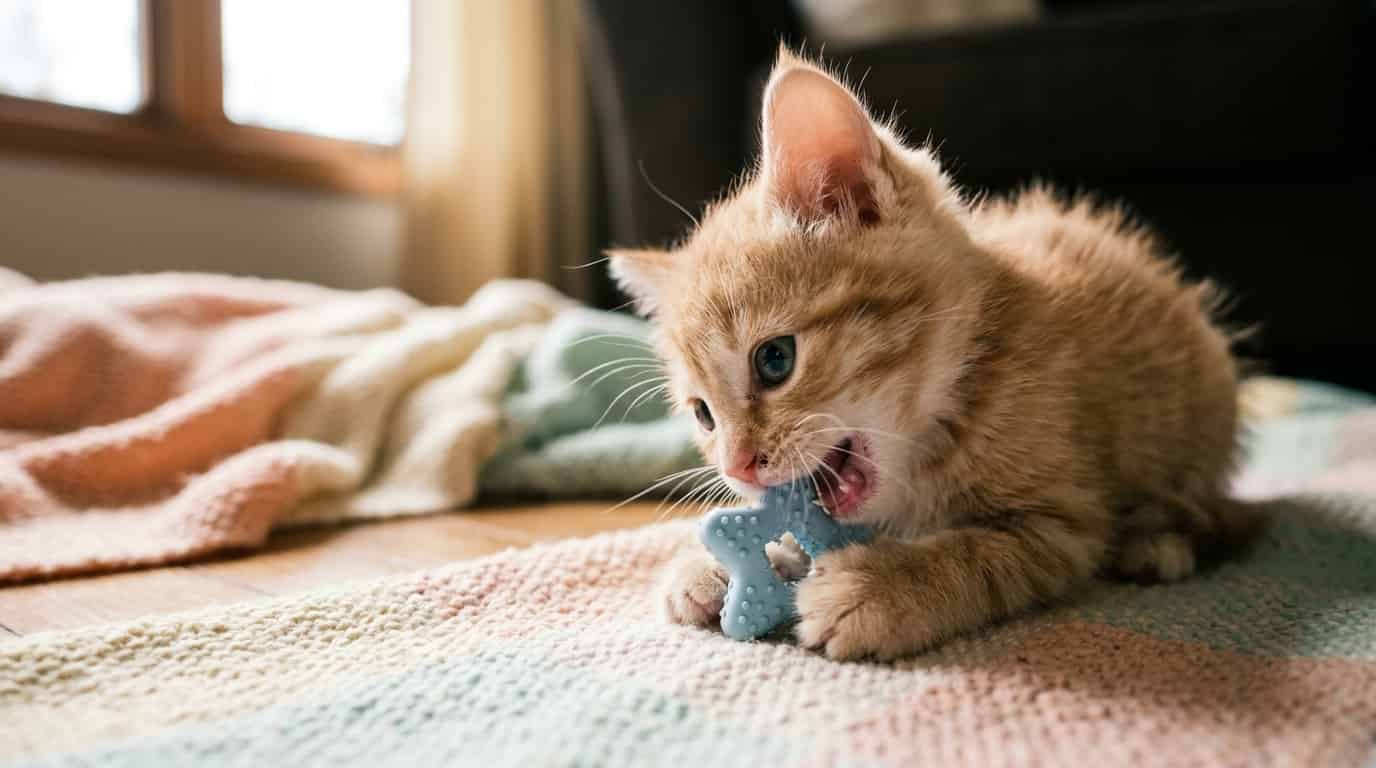
Kittens are full of energy, but they also need lots of sleep—up to 16–20 hours a day. Play with your kitten in short sessions, using safe toys like feather wands or balls. Avoid letting them play with your hands or feet, as this can teach bad habits.
Socialization is important but must be gentle. Let your kitten meet new people one at a time. Watch their body language—if they hide, back off and try again later.
You may also notice sneezing, watery eyes, or mild diarrhea. This can be normal during the first few days due to stress or a change in food. But if your kitten stops eating, becomes very weak, or has trouble breathing, call the vet immediately.
By the end of the first week, your kitten should be more confident, curious, and playful. You’ll start to see their personality shine.

Credit: www.amazon.com
The 5 Most Common Beginner Mistakes
Many new kitten owners make similar mistakes. Knowing these can help you avoid problems and give your kitten the best start.
1. Skipping The Vet Visit
Some owners delay the first vet check, thinking their kitten looks healthy. Early checkups are vital for vaccines, deworming, and checking for hidden illnesses. Even indoor kittens can have parasites or infections from birth.
2. Feeding Adult Cat Food
Adult cat food lacks the nutrients kittens need for rapid growth. Always feed kitten-specific food until at least 12 months old, unless your vet says otherwise.
3. Using Scented Litter
Scented or clumping litter may seem nicer for humans, but it can irritate kittens’ noses and paws. Unscented, non-clumping litter is safest for young kittens.
4. Letting The Kitten Roam The Whole House
A big house is scary for a tiny kitten. Let them adjust to one room first, then slowly open up new areas as they gain confidence.
5. Ignoring Early Signs Of Stress Or Sickness
Kittens hide illness well. Watch for changes in energy, eating, or litter habits. Early action can prevent bigger health issues.
Another mistake beginners miss: buying too many toys or accessories right away. Start simple. Most kittens prefer a few basic toys and a cozy bed over expensive gear.
What Your Kitten Actually Needs (vs What You Think They Need)
There’s a huge market for kitten products, but not all are necessary. Here’s what your kitten truly needs in their first weeks, compared to what is often marketed to new owners.
| Must-Haves (First Weeks) | Common “Nice-to-Haves” |
|---|---|
| Unscented, non-clumping litter | Automatic litter box |
| Small, shallow food and water bowls | Fancy feeding stations |
| Kitten formula food (wet or dry) | Cat treats, snacks |
| Safe carrier for vet visits | Designer collars, clothes |
| Simple toys (balls, feather wand) | Large cat trees, tunnels |
| Soft, washable bed | Heated beds, fancy blankets |
Your kitten does not need an expensive bed, a tower of scratching posts, or gourmet treats. Focus on the basics. A safe space, proper food, and a clean litter box are more important than fancy accessories.
For scratching, a simple cardboard scratcher works well. As your kitten grows, you can add more toys and climbing options.
Water bowls should be shallow and cleaned daily. Avoid automatic fountains at first—they can intimidate kittens.
Keep your home kitten-proofed: hide wires, secure small objects, and block tight spaces where they might get stuck.

Credit: www.amazon.com
Feeding A New Kitten — The Simple Version
Feeding a kitten seems easy, but there are a few details that matter a lot.
What Kind Of Food?
Kittens need food made just for them—kitten formula—because it’s higher in protein, fat, and key nutrients. You can choose wet or dry food, but wet food is often easier for young kittens to eat and keeps them hydrated.
Read the label. Look for words like “complete and balanced for kittens” and check that meat is the first ingredient.
How Much And How Often?
Kittens have small stomachs and big energy needs.
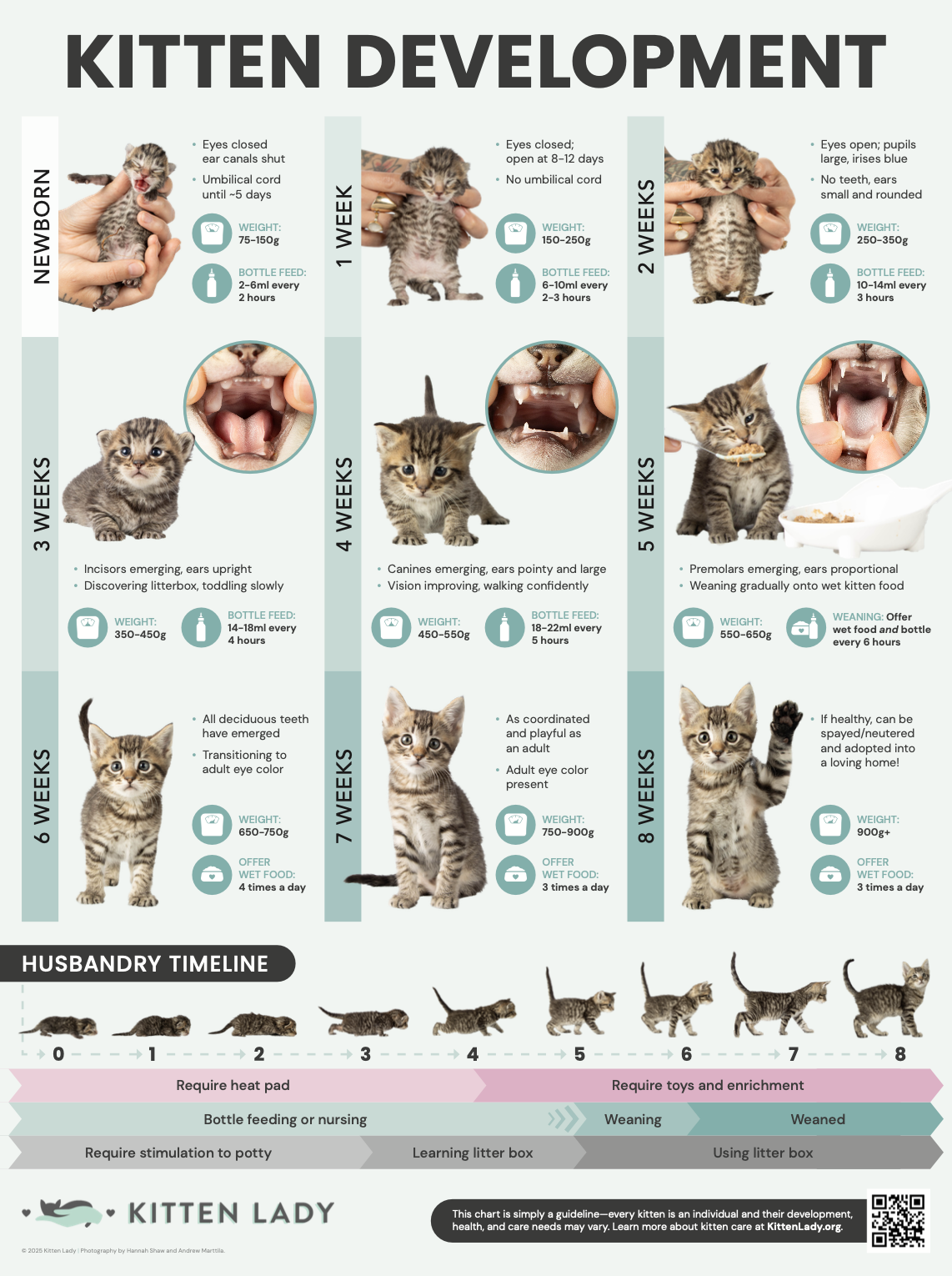
- 8–12 weeks old: Feed 4 small meals per day.
- 3–6 months: Feed 3 meals per day.
- 6–12 months: Feed 2–3 meals per day.
Follow the instructions on the food package for serving sizes, and adjust if your kitten seems hungry or is leaving food.
Fresh Water Is A Must
Always provide fresh, clean water. Change it at least once a day. Don’t give cow’s milk—most kittens are lactose intolerant, and it can cause diarrhea.
Can You Give Treats?
For the first few weeks, skip treats. Focus on balanced meals. Treats can upset their stomach and are not necessary for bonding.
Foods To Avoid
Never feed kittens chocolate, onions, garlic, grapes, bones, or anything spicy. These can be toxic.
Example Feeding Schedule
Here’s a simple daily plan for an 8-week-old kitten:
| Time | Meal | Amount |
|---|---|---|
| 7:00 AM | Wet kitten food | 1/4 can |
| 12:00 PM | Wet kitten food | 1/4 can |
| 5:00 PM | Wet kitten food | 1/4 can |
| 9:00 PM | Wet kitten food | 1/4 can |
You can mix in a little dry food if your kitten likes it, but always introduce new foods slowly.
Non-obvious Tip
Many kittens prefer their food at room temperature. Cold food from the fridge can upset their stomach or discourage eating.
When To Call The Vet Immediately
Kittens can get sick fast, and early action can save their life. Call your vet right away if you notice any of these warning signs:
- Not eating or drinking for over 12 hours
- Vomiting more than once in a day
- Severe diarrhea (especially with blood or mucus)
- Lethargy (won’t play, won’t get up, very weak)
- Trouble breathing (open-mouthed, fast, or noisy breathing)
- Sudden collapse or seizures
- Discharge from eyes or nose that is yellow or green
- Swollen belly or pain when touched
- Bleeding that won’t stop
Kittens can hide pain very well, so trust your instincts. If something feels seriously wrong, call your vet, even after hours.
If you’re unsure, it’s always better to check with a professional. Delaying a vet visit can make things much worse.
A helpful resource for urgent signs and kitten health is the ASPCA Kitten Care Guide.
Credit: www.kittenlady.org
Frequently Asked Questions
How Do I Introduce My Kitten To Other Pets?
Start slow. Keep your kitten in a separate room for a few days. Let your other pets sniff under the door. Swap bedding to mix scents. After a few days, allow brief, supervised meetings. Use treats and calm voices. Never force interactions.
Some pets need weeks to adjust.
Can I Leave My Kitten Alone During The Day?
Young kittens under 12 weeks shouldn’t be left alone for more than 4–6 hours. If you work long hours, ask a friend or family member to check in. Leave safe toys and a cozy bed. Make sure the room is kitten-proofed.
When Should I Start Vaccinations And Deworming?
Kittens usually start vaccines at 6–8 weeks old and get boosters every 3–4 weeks until 16 weeks. Deworming often begins at the first vet visit. Your vet will give you a schedule based on age and health.
My Kitten Is Biting And Scratching. What Should I Do?
This is normal kitten play, but you should teach gentle play early. Redirect biting to toys, not hands or feet. If your kitten gets too rough, stop playtime and ignore them briefly. Never hit or yell—this can cause fear.
How Do I Know If My Kitten Is Happy?
A happy kitten eats, plays, and uses the litter box. They may purr, knead, and follow you around. Relaxed body language, upright tail, and playful energy are good signs. If your kitten hides all the time, eats poorly, or stops playing, talk to your vet.
Welcoming a kitten is a joyful but sometimes challenging journey. The first week is full of learning and surprises for both of you. Focus on building trust, meeting their basic needs, and being patient. You don’t need to buy everything at once or be a perfect owner from day one. Listen to your kitten, watch for warning signs, and ask your vet when unsure. With the right start, your kitten will grow into a confident, healthy, and loving companion.
For more in-depth guidance on all stages of cat care, see the Humane Society Cat Care Tips.
**As an Amazon Associate, I earn from qualifying purchases.**