Kittens grow at a speed that can surprise many new pet owners. In just one year, a tiny newborn transforms into a full-grown cat. This journey is filled with changes, and the right food is key at every stage. Kitten nutrition is not the same as adult cat nutrition. Their bodies are building muscles, bones, organs, and a strong immune system—all at once. They need more calories, different nutrients, and extra care compared to adult cats. Understanding what to feed a kitten helps them stay healthy, playful, and protected from disease. Let’s look at what your kitten needs at each stage, common mistakes to avoid, and how to make the best choices for their future.
Newborn Kittens (0–4 Weeks) — Bottle Feeding And Formula
During the first month, kittens are completely dependent on their mother’s milk. If the mother is present and healthy, her milk is the best option. It contains the right balance of proteins, fats, vitamins, and antibodies that help fight disease.
But sometimes, kittens are orphaned or the mother cannot produce enough milk. In these cases, you’ll need to use a kitten milk replacer. Cow’s milk is NOT safe for kittens—it can cause diarrhea and dehydration. Choose a commercial kitten formula, such as KMR (Kitten Milk Replacer), specifically made for their needs.
How To Bottle Feed
- Temperature: Warm the formula to about body temperature (around 37°C or 98°F).
- Frequency: Feed every 2–3 hours, even at night, for newborns. By week 4, you can slowly extend to 4-hour intervals.
- Amount: Start with about 2–6 ml per feeding for newborns and increase as the kitten grows.
- Technique: Hold the kitten upright or on their stomach, never on their back. Use a small bottle with a nipple designed for kittens.
Key Tips For Newborn Feeding
- Always sterilize bottles and nipples before each use.
- Never microwave formula; warm it gently in a bowl of hot water.
- After feeding, stimulate the kitten’s bottom with a warm, damp cloth to help them urinate and defecate (they cannot do this alone yet).
- Monitor weight daily; healthy kittens should gain 10–15 grams per day.
Orphaned kittens are very fragile. Even small mistakes can be dangerous, so following these steps closely is crucial.
Weaning Kittens (4–8 Weeks) — The Transition To Solid Food
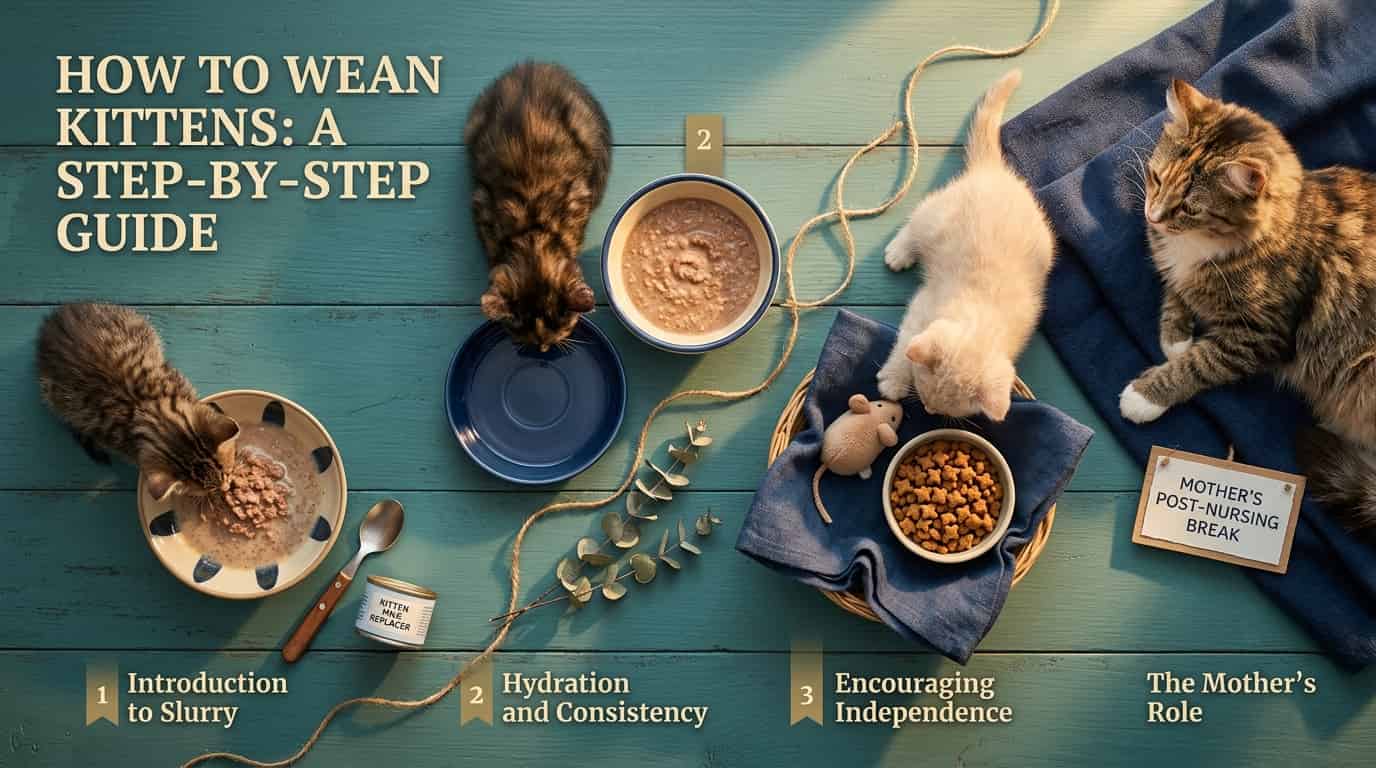
At about 4 weeks old, kittens are ready to start weaning—the process of moving from milk to solid food. This is a gradual change and should be done patiently.
How To Start Weaning
- Mix wet kitten food with formula to make a soupy mixture. Use a shallow dish so kittens can easily reach it.
- Let kittens explore and lick the mixture. Most will be curious but may step in the food at first—this is normal.
- Feed this mixture 3–4 times a day alongside bottle feeding.
- Gradually thicken the mixture over the next 2–3 weeks, reducing formula and increasing food.
- By 7–8 weeks, kittens should be eating mostly solid food and drinking water.
Choosing The Right Food
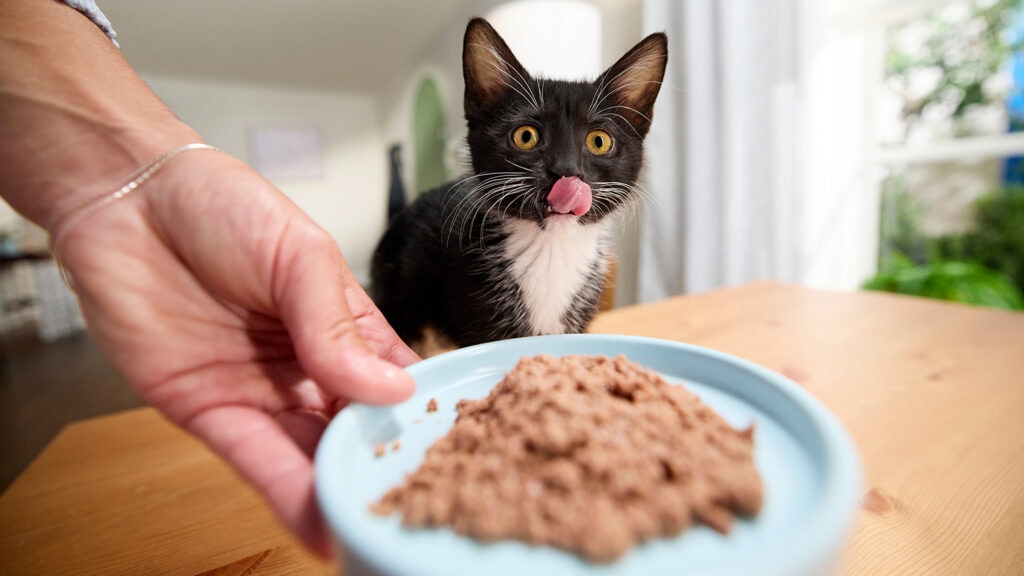
Pick a high-quality wet kitten food. The label should say “for growth” or “for kittens.” These foods are rich in protein, fat, calcium, and other nutrients. Avoid feeding only adult cat food, as it lacks the nutrients kittens need.
Common Mistakes During Weaning
- Switching too quickly to solid food, leading to digestive upset.
- Offering food that is too cold or too dry for tiny teeth.
- Using low-quality or adult cat food.
Patience is vital. Each kitten’s pace is different, and gentle encouragement helps them adapt.
Credit: www.chewy.com
Young Kittens (8–16 Weeks) — What And How Much
By 8 weeks, kittens are eating solid food and are ready for adoption. Nutrition is now focused on supporting rapid growth and play.
What To Feed
- Wet kitten food: Still the best, as it’s easier to chew and provides hydration.
- Dry kitten kibble: You can start introducing small amounts. Choose a formula made for kittens.
- Frequency: 4 meals per day is ideal at this age.
How Much To Feed
Amounts depend on the kitten’s weight, activity, and food type. As a rough guide:
- 8–10 week-old kittens: 200–250 grams of wet food per day (split into 4 meals).
- If using dry food, always provide fresh water.
Here’s a comparison of typical daily food amounts for a 10-week-old kitten:
| Food Type | Amount per Day | Meals per Day |
|---|---|---|
| Wet kitten food | 200–250g | 4 |
| Dry kitten kibble | 50–70g | 4 |
| Mix (wet + dry) | Approx. 150g wet + 30g dry | 4 |
Practical Tips
- Always measure portions; overfeeding can cause digestive upset.
- Watch for signs of hunger or fullness. A healthy kitten should be active but not constantly begging for food.
- Weigh kittens weekly to track growth.
Non-obvious insight: Some kittens have sensitive stomachs and may react to sudden changes. If you switch brands or food types, do it slowly over a week.
Growing Kittens (4–6 Months) — Increasing Portions
Kittens at this age are more active and growing fast. Their bodies need even more calories and nutrients to support bone and muscle development.
How To Adjust Feeding
- Increase the portion size slightly, but keep meals divided into 3–4 smaller servings per day. This helps avoid overeating.
- By 6 months, your kitten may eat up to 300 grams of wet food per day, depending on size.
- Monitor body shape: You should feel ribs easily but not see them. Too much fat means you need to cut back a little.
Adding Variety
It’s safe to mix wet and dry kitten food now. Mixing textures can help picky eaters and keep mealtime interesting. Just make sure all foods are labeled for kittens.
Activity Matters
Active kittens may need more calories. If your kitten is always running, climbing, and playing, extra food may be needed. Less active kittens should have slightly smaller portions to avoid weight gain.
Here’s a side-by-side look at portion changes as kittens grow:
| Age | Wet Food (g/day) | Dry Food (g/day) | Meals per Day |
|---|---|---|---|
| 8–12 weeks | 200–250 | 50–70 | 4 |
| 12–24 weeks | 250–300 | 70–90 | 3–4 |
Non-obvious insight: Growth spurts can happen at different times. Sudden hunger is normal during these times—don’t ignore it, but don’t overfeed for long periods.
Adolescent Kittens (6–12 Months) — Preparing For Adult Food
By 6 months, kittens begin to look and act more like adult cats, but they’re not done growing. Nutrition should still focus on growth and energy.
Transitioning To Adult Food
- Most kittens can switch to adult cat food at around 12 months old.
- Do not switch earlier unless advised by your vet, as adult food lacks certain nutrients.
- Mix a small amount of adult food with kitten food over 7–10 days. Gradually increase adult food and decrease kitten food.
Feeding Schedule
- 2–3 meals per day are usually enough at this stage.
- Continue monitoring weight and body condition. Adolescents may start to gain weight if overfed.
- Some large breeds (like Maine Coons) may need kitten food up to 18 months, as they grow more slowly.
Practical tip: After spaying or neutering, your kitten’s metabolism may slow down. Adjust portion sizes if you notice weight gain.
Wet Vs Dry Kitten Food — Which Is Better?
Many owners wonder whether wet food or dry food is best for kittens. Both have benefits and drawbacks.
Wet Food Pros And Cons
- Pros: High moisture helps prevent dehydration, easier for kittens to chew, usually more appealing.
- Cons: Spoils faster, must be refrigerated after opening, more expensive.
Dry Food Pros And Cons
- Pros: Convenient, can be left out longer, less expensive, helps keep teeth clean.
- Cons: Lower water content, may be harder for very young kittens to eat, some brands are less nutritious.
What’s Best?
Most vets recommend a mix of both. This gives the benefits of hydration and dental health. Always choose brands labeled for kittens and check for high protein and fat content.
Here’s a quick comparison:
| Feature | Wet Food | Dry Food |
|---|---|---|
| Water content | 70–80% | 8–10% |
| Protein (avg.) | 10–12% | 30–40% |
| Convenience | Lower | Higher |
| Dental benefits | Lower | Higher |
| Cost | Higher | Lower |

Credit: nilds.gov.ng
What Nutrients Does A Kitten Need?
Kittens have special nutritional needs, different from adult cats.
- Protein: Very important for muscle and organ growth. Look for 30–40% protein in dry food.
- Fat: Gives energy and helps absorb vitamins. Should be 15–25% in dry food.
- Calcium and phosphorus: Needed for strong bones and teeth.
- Vitamins: Especially A, D, E, and B-complex.
- Taurine: An amino acid essential for heart and eye health.
- DHA and EPA: Omega-3 fatty acids for brain and vision development.
Non-obvious insight: Homemade diets often lack enough taurine, calcium, and vitamin D. Commercial kitten foods are balanced for these needs.
Always look for foods that meet the AAFCO (Association of American Feed Control Officials) standards for growth.
For a deeper look at cat nutrition, you can check the Wikipedia Cat Food page.
Foods That Are Toxic Or Harmful For Kittens
Some human foods and even some pet foods can be dangerous for kittens. Here are the most common ones to avoid:
- Onions and garlic: Damage red blood cells, causing anemia.
- Chocolate and caffeine: Can cause heart and nervous system problems.
- Grapes and raisins: Can cause kidney failure.
- Bones and raw meat: Risk of choking, internal injuries, and bacterial infection.
- Cow’s milk: Causes diarrhea in most kittens.
- Dog food: Lacks nutrients needed by kittens.
- Alcohol and raw dough: Both are highly toxic.
- Xylitol (found in sugar-free gum/candy): Extremely toxic.
If your kitten eats any of these, contact a vet immediately.
Non-obvious insight: Some flowers and houseplants (like lilies) are deadly to kittens. Keep all plants out of reach unless you know they’re safe.
:max_bytes(150000):strip_icc()/kitten-bottle-feeding-schedule-2000-f91eb6f08cdd4dee98530735095cea31.jpg)
Credit: nilds.gov.ng
How Much Water Does A Kitten Need?
Hydration is just as important as food. Kittens get some water from wet food, but they still need fresh water available at all times.
- Young kittens (up to 6 months) need about 60–80 ml of water per kilogram of body weight per day.
- If eating mostly dry food, they may need more.
- Signs of dehydration: Dry gums, sunken eyes, low energy, or skin that doesn’t spring back when pinched gently.
Tips for encouraging drinking:
- Use a shallow, wide water bowl.
- Change water daily.
- Some kittens prefer running water—pet fountains can help.
If your kitten is not drinking or is vomiting/has diarrhea, see your vet quickly.
Frequently Asked Questions
How Often Should I Feed My Kitten Each Day?
Young kittens (under 6 months) need 3–4 meals per day. After 6 months, you can reduce to 2–3 meals. Small, frequent meals help with digestion and match their small stomachs.
Can I Give My Kitten Treats?
Yes, but only in small amounts and never as a replacement for proper kitten food. Choose treats made for kittens, and keep treats under 10% of their daily calories to avoid obesity.
When Should I Switch From Kitten Food To Adult Cat Food?
Most kittens are ready for adult food at 12 months. For large breeds, you may wait up to 18 months. Switch slowly over a week to avoid stomach problems.
My Kitten Refuses To Eat New Food. What Should I Do?
Introduce new foods gradually. Mix a small amount of the new food with the old food and increase over 7–10 days. Some kittens need more time to accept changes.
Is Raw Food Safe For Kittens?
Raw food diets are risky for kittens. They can cause bacterial infections and may not be balanced for kitten growth. Always consult your vet before feeding raw.
Kittens are full of life and curiosity. Giving them the right food at the right time builds the foundation for a long, healthy life. By understanding their unique needs at every stage—from bottle feeding to adulthood—you can prevent health problems and encourage happy growth.
Make changes slowly, choose quality foods made for kittens, and don’t hesitate to ask your vet if you’re unsure. The extra effort in these first months will reward you with a joyful, healthy companion for years to come.
**As an Amazon Associate, I earn from qualifying purchases.**