Why socialisation is the most important thing you can do for your kitten
Bringing a new kitten home is exciting, but it comes with big responsibility. One of the most important things you can do for your kitten is socialisation. This means teaching your kitten to feel comfortable with people, animals, and new experiences. Good socialisation helps your kitten grow into a friendly, confident cat. Poorly socialised kittens often become shy, fearful, or even aggressive adults. These problems can last a lifetime and make life harder for both the cat and the owner.
Kittens who are well socialised are less likely to hide, bite, or scratch. They adjust better to changes like moving house or meeting new pets. In fact, studies show that socialised cats are less likely to be given up to shelters. A kitten that trusts humans and enjoys new experiences will have a much happier, healthier life. Socialisation is not just “nice to have”—it shapes your kitten’s future. The earlier you start, the better the results.
What Is The Kitten Socialisation Window?
Kittens have a special period in their early life called the socialisation window. This is the time when they are most open to learning about the world. For most kittens, this window starts at around 2 weeks old and ends by 14 weeks. During this short time, positive experiences have a strong effect on how your kitten will behave as an adult.
If kittens meet different people, animals, and situations during this window, they are more likely to be confident and friendly later. If they don’t, they may be nervous or scared of new things. The socialisation window is short, so every week counts.
Some experts say the most critical time is between 2 and 7 weeks, but you should continue socialising up to 14 weeks and beyond.
Kittens raised with little human contact after the window closes often stay shy or fearful, no matter how much you try to help later. That’s why it’s so important to start early. Even one or two positive experiences each day can make a big difference.
How To Handle Your Kitten From Day One
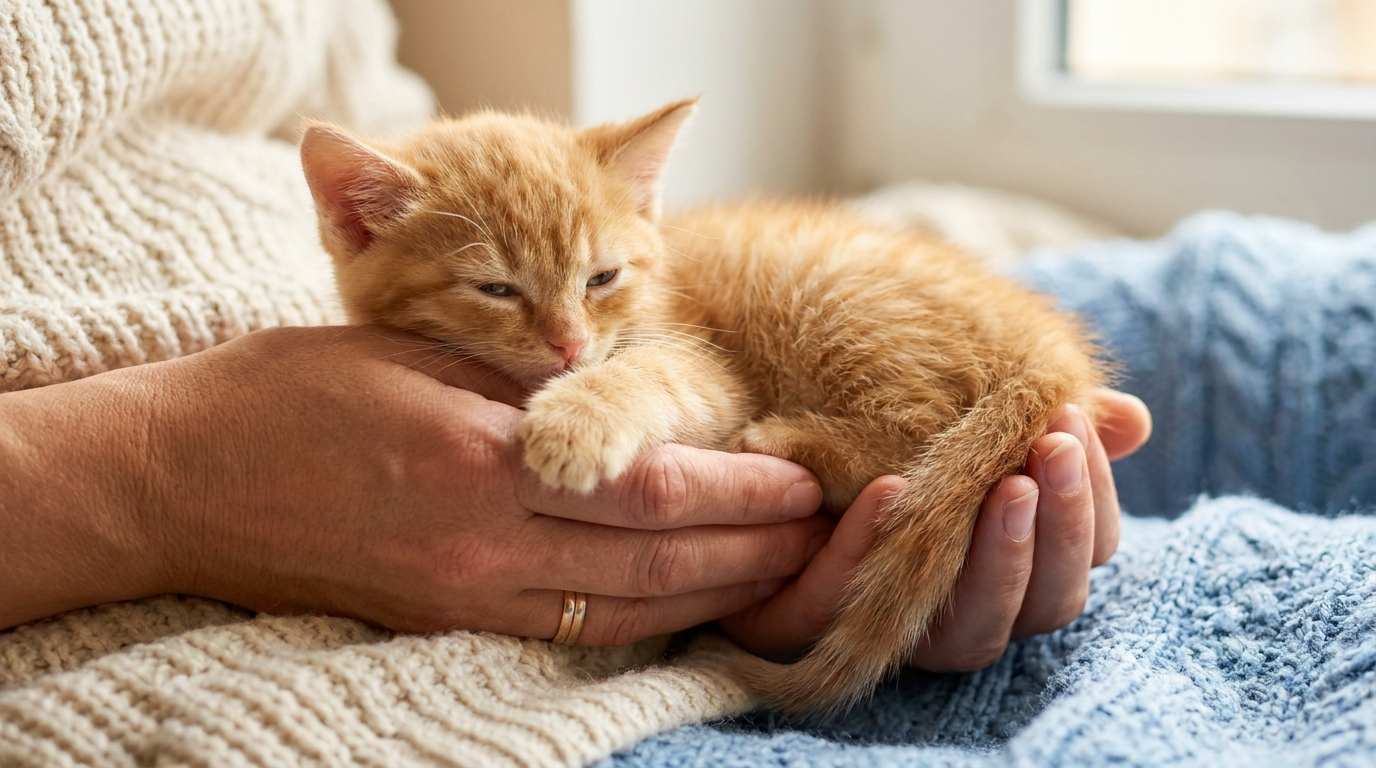
The way you touch and hold your kitten teaches them what to expect from humans. Gentle, positive handling builds trust and reduces fear.
- Start with short, gentle strokes on your kitten’s back and sides.
- Speak softly and move slowly so you don’t startle them.
- Let your kitten sniff your hand before picking them up.
- Support their body with both hands—one under the chest, one under the back legs.
- Keep sessions short at first (just a few minutes) and stop if your kitten seems stressed.
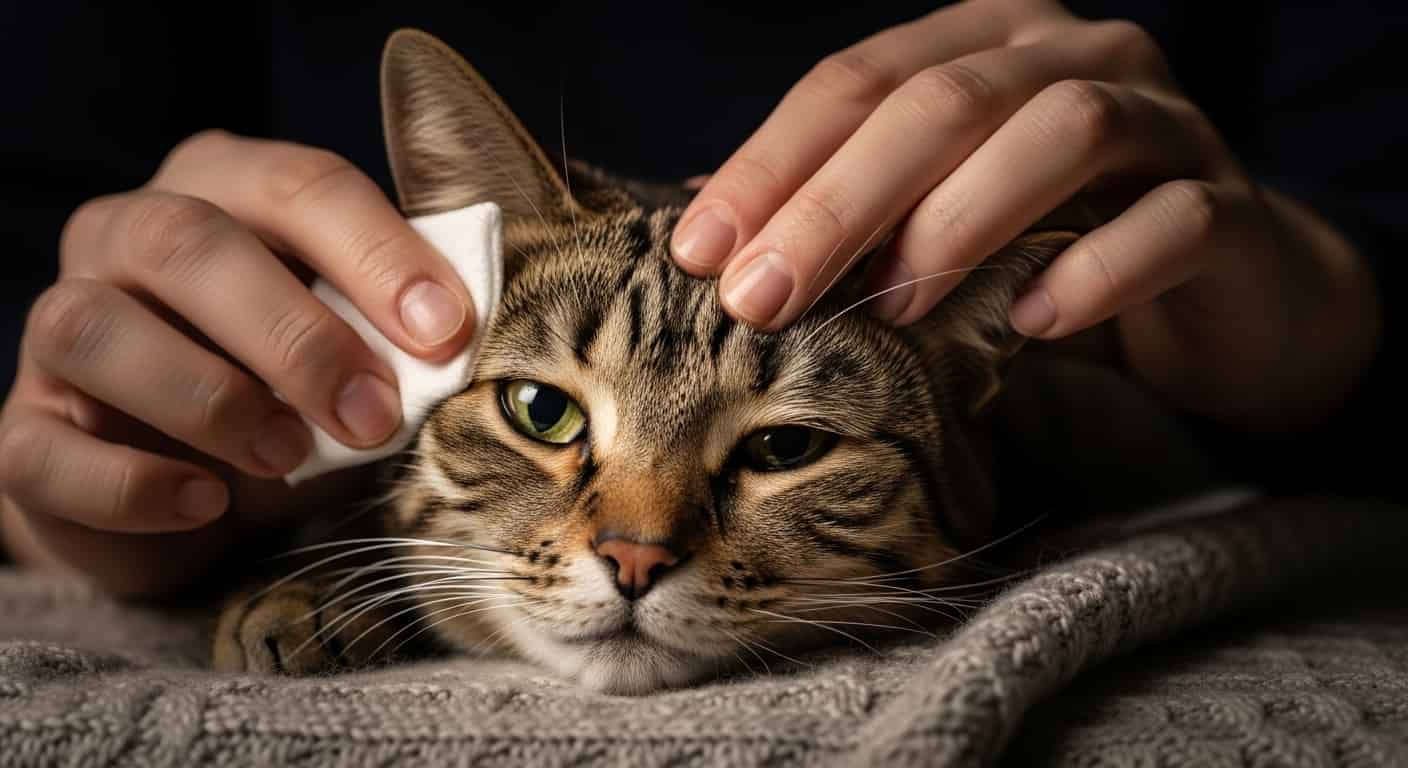
As your kitten gets used to you, increase the handling time. Touch their paws, ears, and mouth gently. This helps them accept grooming, nail trims, and vet visits later. Always reward calm behaviour with treats or gentle praise.
Some kittens love cuddles right away, while others need more time. Be patient, and never force your kitten to be held. If they squirm or seem scared, let them go and try again later. Handling should always be a positive experience.

Credit: www.reddit.com
Introducing Kittens To New People
Meeting different people is key for a well-socialised kitten. The goal is to teach your kitten that all kinds of humans are friendly and safe.
- Start with family members or friends who can be calm and gentle.
- Ask visitors to sit quietly and let the kitten approach them.
- Give treats or toys as rewards for friendly behaviour.
- Encourage people to use soft voices and slow movements.
- Let your kitten set the pace—never force them to be held or petted.
It’s helpful to introduce your kitten to people of different ages, sizes, and appearances. If possible, include children, men with beards, and people wearing hats or glasses. Each new meeting builds your kitten’s confidence.
Always supervise these sessions to keep your kitten safe. If your kitten hides or looks scared, don’t push. Give them time and try again later. Positive, low-stress meetings are much better than rushed or forced ones.
Socialising Kittens With Other Animals
Getting used to other pets is important, especially if you have dogs or other cats at home. The goal is to help your kitten learn that other animals are not a threat.
- Start by keeping your kitten in a safe room. Let the other pet sniff under the door.
- Swap bedding or toys so they get used to each other’s smell.
- After a few days, let them see each other through a baby gate or cracked door.
- Watch their body language. Calm interest is good; hissing or growling means slow down.
- When both pets seem relaxed, let them meet for a few minutes with supervision.
- Keep first meetings short and increase time as they get more comfortable.
Never leave your kitten alone with a new animal until you’re sure they get along. Some kittens are bold, while others need more time. Dogs should be on a leash at first. Use treats and gentle praise to reward calm behaviour from both pets.
For kittens meeting other cats, expect some hissing or swatting. This is normal as they sort out who’s in charge. If things get too rough, separate them and try again later.
Credit: www.alleycat.org
Exposing Kittens To New Sounds, Sights And Environments
The world is full of strange sounds and sights for a kitten. Exposing your kitten to these early helps them stay calm in new situations.
- Play recordings of common sounds—vacuum cleaners, doorbells, traffic—at low volume.
- Let your kitten explore different rooms with various flooring and furniture.
- Take your kitten for gentle car rides in a safe carrier.
- Show them household items like umbrellas, hair dryers, or washing machines.
- Open curtains so they can watch cars, people, or birds outside.
Each new experience should be positive. Offer treats and praise for calm behaviour. If your kitten seems scared, stop and try again later at a lower level. Never force your kitten to face something they find frightening.
Changing the environment—moving a chair, bringing in a new box—also helps your kitten adjust to change. The more variety they see now, the less likely they’ll be scared later.
Here’s a helpful comparison of common household sounds and how kittens often react:
| Sound | Typical Kitten Reaction | How to Help |
|---|---|---|
| Vacuum cleaner | Hides, flattens ears | Play at a distance, give treats |
| Doorbell | Jumps, runs away | Pair with gentle petting, reward calmness |
| Hair dryer | Curious, sometimes startled | Let them sniff it when off, turn on briefly |
Socialisation Checklist — 20 Things To Introduce Before 14 Weeks
To raise a confident cat, try to introduce your kitten to as many positive experiences as possible before 14 weeks. Here are 20 important things:
- Gentle handling by different people
- Children (supervised)
- Men and women
- People wearing hats and glasses
- Other friendly cats
- Calm, cat-friendly dogs
- Car rides in a carrier
- Vet visits (even just for fun)
- Grooming—brushing and nail clipping
- Different rooms and furniture
- Various floor surfaces (carpet, tile, wood)
- Loud sounds (TV, music, vacuum)
- Household objects (bags, boxes, laundry baskets)
- Travelling in a pet stroller or backpack
- Meeting delivery people or guests
- Handling paws, ears, and mouth
- Being picked up and held in different ways
- Going in and out of a carrier
- Wearing a collar or harness (if needed)
- Watching outdoor activity from a safe spot
Don’t rush to do everything at once. Aim for one or two new experiences each day. Always keep things positive and stop if your kitten seems stressed.
Here’s a table comparing the impact of early socialisation versus late socialisation:
| Timing | Kitten Behaviour | Long-term Effects |
|---|---|---|
| Before 14 weeks | Curious, confident, friendly | Adapts well as adult |
| After 14 weeks | Shy, fearful, slow to adapt | May stay timid for life |
How To Socialise A Shy Or Feral Kitten
Some kittens are naturally shy, or may have had little human contact. Feral kittens need extra patience. Socialising these kittens takes time and a gentle approach.
- Start by sitting quietly near the kitten without touching. Read or speak softly.
- Offer tasty treats (like canned chicken) from your hand, but don’t force them.
- Use toys, like a feather wand, to encourage play from a distance.
- Once the kitten comes closer, try gentle petting on the back or sides.
- Keep sessions short and frequent. End on a positive note.
- Avoid eye contact, which can seem threatening to shy kittens.
- If the kitten hisses or hides, back off and try again later.
Shy kittens may take weeks or even months to trust people. Progress is often slow but steady. Never punish or yell at a scared kitten—this makes things worse.
A non-obvious tip: Try “parallel play”—sit nearby and do something quiet while ignoring the kitten. This teaches them you’re not a threat. Also, feeding on a schedule helps build trust.
Signs Of A Well-socialised Kitten
Wondering if your efforts are working? Look for these signs of a well-socialised kitten:
- Seeks out people for attention or play
- Purrs when petted and handled
- Explores new places with curiosity
- Accepts gentle handling of paws, ears, and mouth
- Recovers quickly from being startled
- Plays with toys in front of people
- Approaches guests instead of hiding
- Gets along with other pets
Not every kitten will show all these signs, but the more you see, the more confident and social your kitten is becoming.
Here’s a quick comparison of well-socialised versus poorly socialised kittens:
| Behaviour | Well-socialised Kitten | Poorly Socialised Kitten |
|---|---|---|
| Response to new people | Curious, approaches, playful | Hides, hisses, avoids |
| Handling | Relaxed, purrs, allows vet exams | Struggles, bites, stressed |
| Reaction to new environments | Explores, adapts quickly | Scared, hides for long periods |
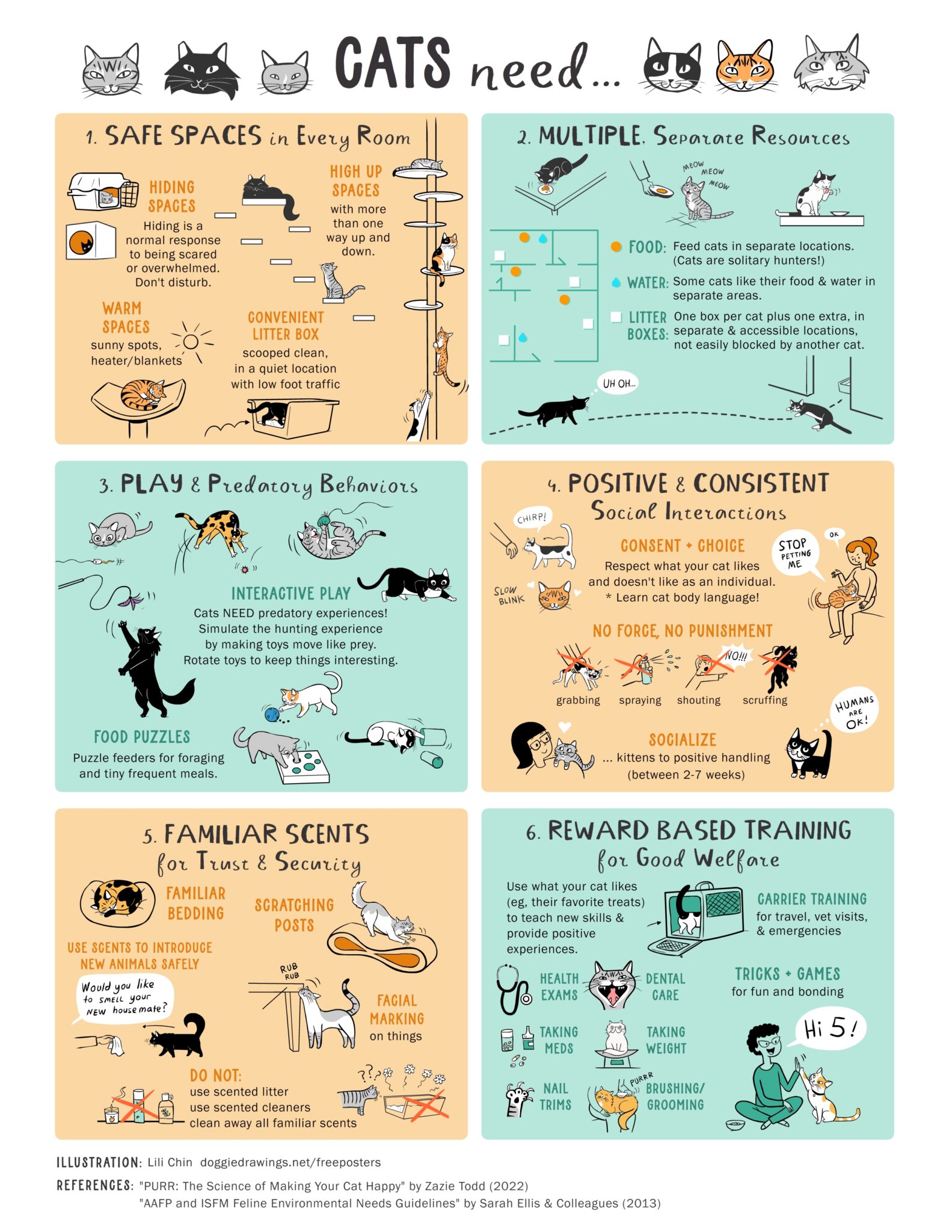
Credit: sdhumane.org
Frequently Asked Questions
How Old Should A Kitten Be Before Socialisation Starts?
The best time to start is as early as 2 weeks old, as soon as the kitten’s eyes are open and they can move around. Most socialisation should happen before 14 weeks, but it’s never too late to try.
Can I Socialise A Kitten That Is Already Fearful?
Yes, but it takes more time and patience. Go slowly, use gentle handling, and always reward small steps. Some very shy kittens may never be lap cats, but will still become loving pets.
Should I Socialise An Indoor-only Kitten?
Absolutely. Indoor cats still need to be comfortable with people, sounds, and changes in their environment. A well-socialised indoor cat handles vet visits and guests much better.
How Do I Know If My Kitten Is Stressed During Socialisation?
Look for signs like crouching, flattened ears, hissing, or running away. If you see these, give your kitten a break and try again later with a gentler approach.
Where Can I Find More Information About Kitten Socialisation?
The International Cat Care charity has excellent advice on socialising kittens. Visit their site for more tips: International Cat Care.
A well-socialised kitten is a joy for life. With time, patience, and lots of positive experiences, you’ll help your kitten grow into a loving, confident adult cat. Each small effort you make now will bring rewards for years to come.
Socialisation is not just a task—it’s the foundation for your cat’s lifelong happiness.
**As an Amazon Associate, I earn from qualifying purchases.**