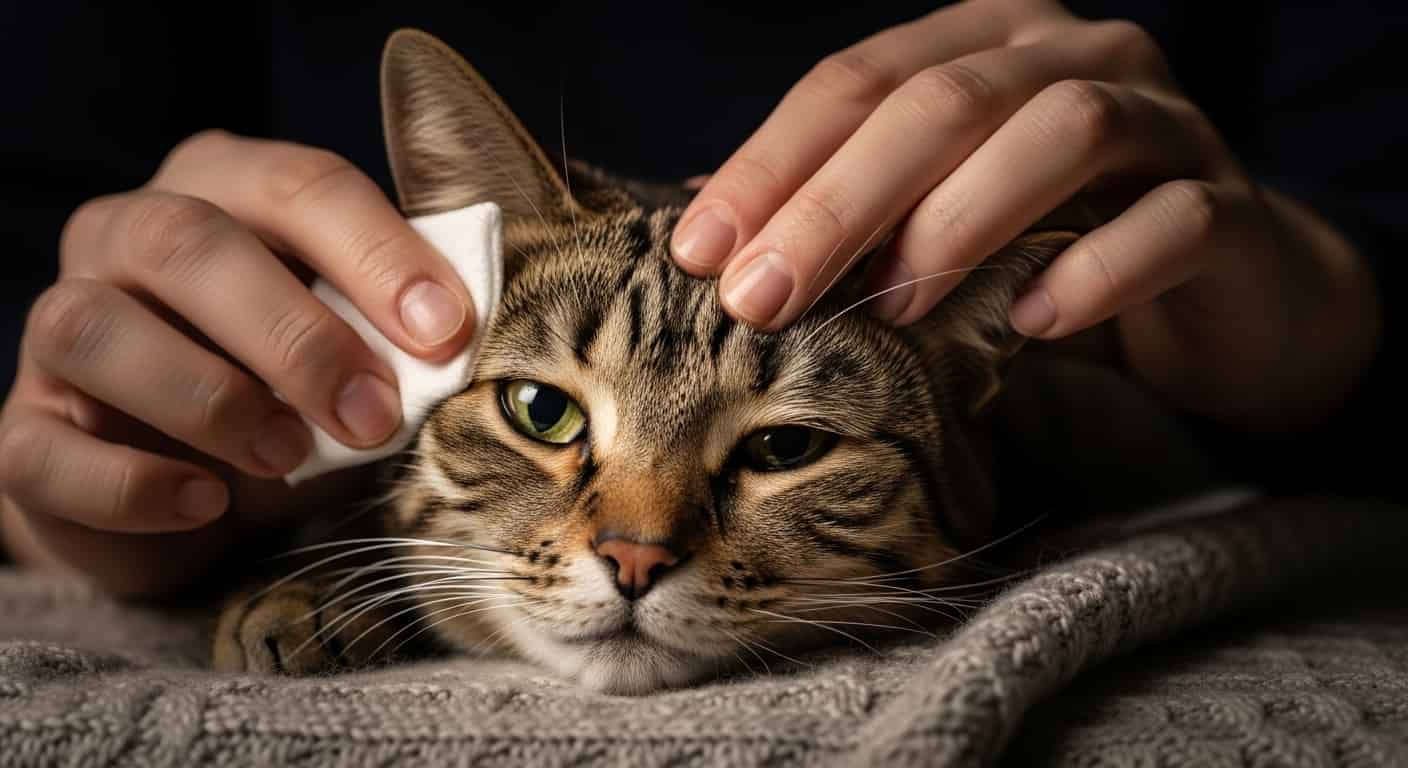
Every cat owner wants a healthy, happy pet. But did you know that dental disease is one of the most common problems in cats? Many cats have signs of dental trouble by age three. The good news: daily dental care at home can reduce the need for stressful—and expensive—professional cleanings. A few minutes each day can save your cat from pain, tooth loss, and health problems like heart or kidney disease. Learning how to clean cat teeth at home is easier than you might think, and it can add years to your cat’s life.
Method 1 — Toothbrushing (the Gold Standard)
Brushing your cat’s teeth is the best way to remove plaque and prevent tartar buildup. While it may sound difficult, most cats can learn to accept toothbrushing with time and patience.
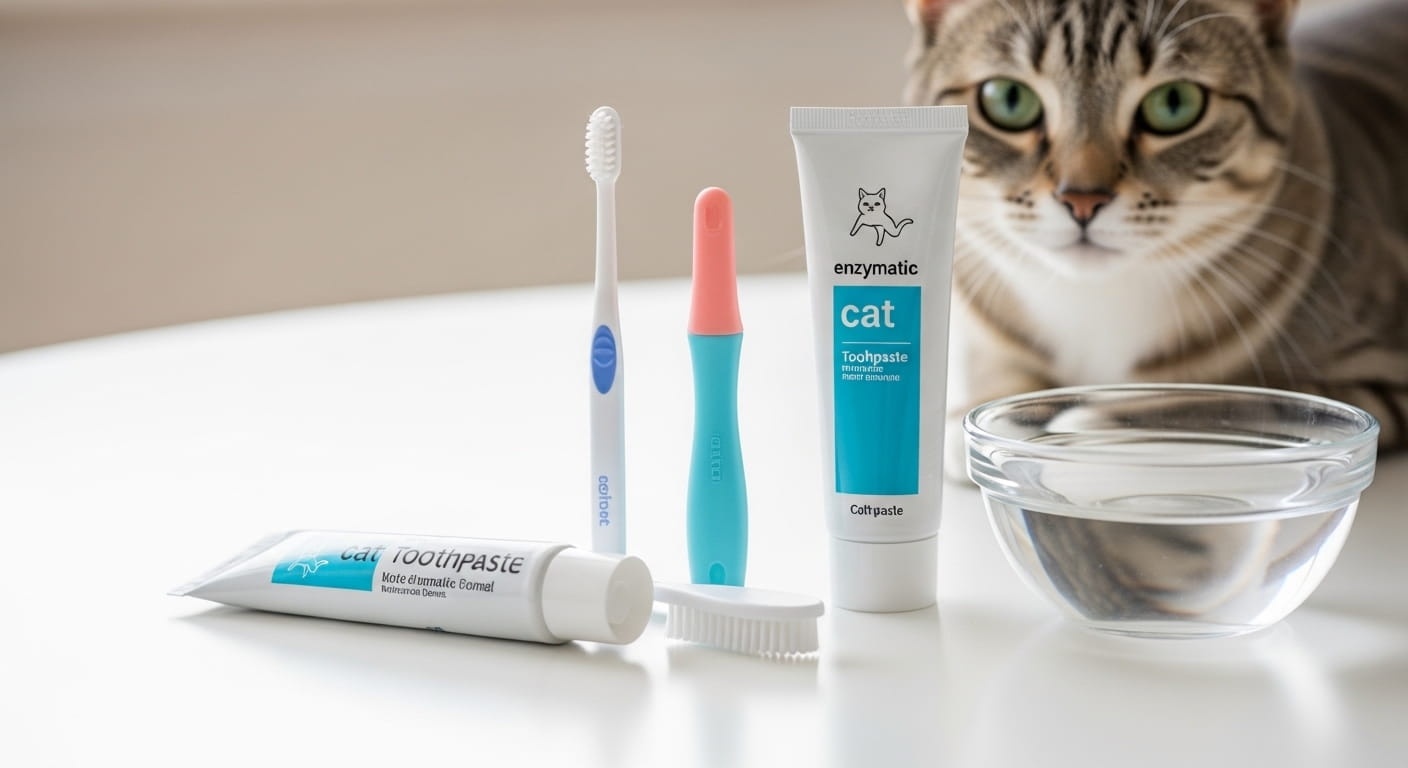
What You Need
To brush your cat’s teeth safely and effectively, gather these items:
- Cat-specific toothbrush: These are small, with soft bristles. Human toothbrushes are usually too large and stiff.
- Cat toothpaste: Only use toothpaste made for cats. Human toothpaste can be toxic due to ingredients like fluoride or xylitol.
- Treats or rewards: Positive reinforcement is key to training.
- Quiet, comfortable space: Reduce distractions for a calm experience.
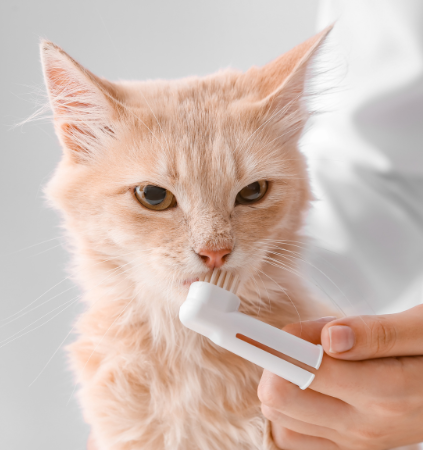
Cat toothbrushes come in different shapes. Some look like tiny human brushes, others fit on your finger. Choose the one your cat tolerates best.
Step-by-step Brushing Instructions
- Prepare your supplies before you start. Have everything within reach.
- Gently hold your cat in your lap or on a stable surface. You can wrap them loosely in a towel if needed.
- Lift the upper lip to expose the teeth. Do this slowly so your cat doesn’t get scared.
- Place a small amount of cat toothpaste on the brush.
- Brush in gentle circles along the gumline, focusing on the outside surfaces of the teeth. Most plaque builds up here.
- Start with just a few teeth at first. Gradually work up to the whole mouth over several days or weeks.
- Praise and reward your cat after each session—even if you only brushed a little.
A full brushing takes 30–60 seconds. Go slowly and stop if your cat becomes stressed. Over time, most cats will allow you to brush for longer.
How To Get Your Cat Used To Brushing
Many cats resist toothbrushing at first. The secret is patience and gradual training:
- Let your cat taste the toothpaste from your finger. Most cat pastes taste like chicken or fish.
- Touch your cat’s mouth and lips gently each day, rewarding calm behavior.
- Rub toothpaste on the teeth with your finger or a cotton swab before using the brush.
- Introduce the toothbrush without brushing—let your cat sniff or lick it.
- Brush just a few teeth for a few seconds at first. Increase time as your cat gets comfortable.
Some cats take weeks to accept brushing. That’s normal. Consistency and rewards make a big difference.
Method 2 — Finger Brush Or Gauze
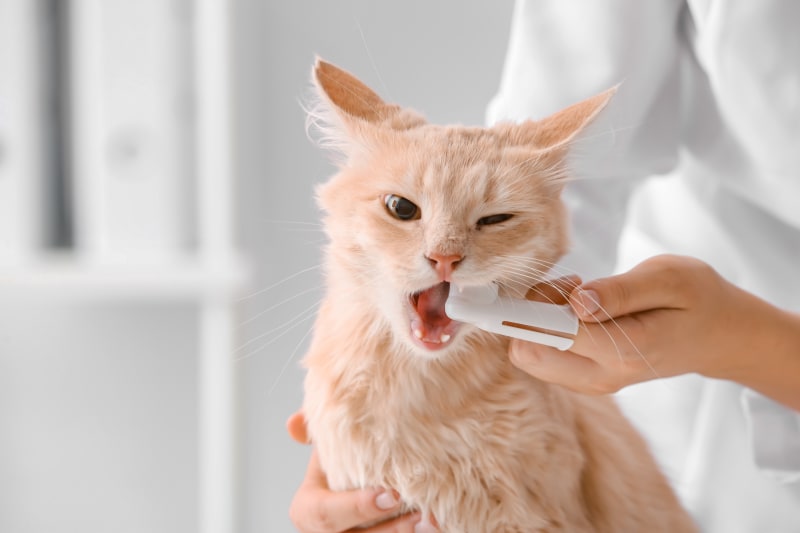
If your cat hates a regular toothbrush, try a finger brush or a piece of gauze:
- Finger brushes fit over your fingertip for better control.
- Gauze squares can be wrapped around your finger and dipped in cat toothpaste.
Rub gently along your cat’s teeth and gums. This method is less effective than a toothbrush but better than nothing. It works well for cats with small mouths or who fear bristled brushes.
Credit: www.mohawkalleyanimalhospital.com
Method 3 — Dental Wipes
Dental wipes are special pads designed to remove some plaque. You simply wrap the wipe around your finger and rub it on your cat’s teeth. This is often easier than using a brush, especially for squirmy cats.
Dental wipes do not clean as thoroughly as brushing, but they are a helpful alternative. Choose wipes made specifically for cats—never use human wipes or tissues, as these can be unsafe or irritating.
Method 4 — Dental Water Additives
Some products can be added to your cat’s drinking water to help control bacteria and plaque. These dental water additives are easy to use:
- Measure the correct amount of additive (follow the label).
- Add it to your cat’s fresh water each day.
- Make sure your cat is still drinking enough water.
Water additives are not as powerful as brushing, but they can help reduce bacteria and freshen breath. They are a good option for cats that will not allow direct cleaning.
Method 5 — Dental Treats And Chews
Special dental treats and chews are designed to scrape off plaque as your cat chews. Look for products with the VOHC (Veterinary Oral Health Council) seal—these have been tested for effectiveness.
Not all treats are created equal. Some are too soft to clean teeth, and some are high in calories. Use dental treats as a supplement to brushing, not a replacement.
Here is a comparison of common home dental care methods for cats:
| Method | Effectiveness | Difficulty | Best For |
|---|---|---|---|
| Toothbrushing | Excellent | High | Most cats (with training) |
| Finger brush/gauze | Good | Moderate | Sensitive cats |
| Dental wipes | Moderate | Easy | Beginner owners |
| Water additives | Low-Moderate | Very easy | All cats |
| Dental treats/chews | Low-Moderate | Very easy | Picky eaters |
How Often Should You Clean Your Cat’s Teeth?
For best results, clean your cat’s teeth every day. Daily brushing removes plaque before it hardens into tartar. If daily cleaning is not possible, aim for at least 3 times per week.
Dental wipes, water additives, and treats can be used daily as well, but they do not replace brushing. Consistency is more important than perfection—even a quick cleaning is better than none.
Here’s a simple schedule for a week:
| Day | Recommended Care |
|---|---|
| Monday | Brush teeth, dental treat |
| Tuesday | Brush teeth, water additive |
| Wednesday | Dental wipe, dental treat |
| Thursday | Brush teeth, water additive |
| Friday | Brush teeth, dental treat |
| Saturday | Dental wipe, water additive |
| Sunday | Brush teeth, dental treat |
This routine helps reduce buildup and keeps your cat’s mouth fresher.
Credit: plusonevet.com.au
What If Your Cat Refuses Dental Care?
Some cats are stubborn. If your cat bites, hides, or becomes stressed, don’t force the issue. Here’s what you can do:
- Try different methods—finger brush, wipes, or water additives.
- Break it into steps: Touch their mouth one day, lift the lip the next, and so on.
- Use high-value rewards immediately after any dental care attempt.
- Keep sessions short: Just a few seconds at first.
- Ask your vet for advice or a demonstration. Some cats need a professional’s help to get started.
A common mistake is giving up too soon. Most cats resist at first but improve if you keep sessions positive and brief.
Signs Home Cleaning Is Not Enough
Even with regular home care, some cats will develop dental disease. Watch for these warning signs:
- Bad breath (persistent, foul odor)
- Drooling or pawing at the mouth
- Red or bleeding gums
- Brown or yellow tartar visible on teeth
- Difficulty eating or chewing on one side
- Loose or missing teeth
If you see any of these signs, call your veterinarian. Home care cannot remove tartar or treat gum disease—professional cleaning is needed.
Some cats are more prone to dental problems. Persians, Siamese, and other purebreds often need extra dental attention. Senior cats and those with underlying health issues also need more frequent checkups.
Here is a comparison between home cleaning and professional dental care:
| Aspect | Home Cleaning | Professional Dental Care |
|---|---|---|
| Removes Plaque | Yes | Yes |
| Removes Tartar | No | Yes |
| Treats Gum Disease | No | Yes |
| Requires Anesthesia | No | Yes |
| Cost | Low | High |
| How Often | Daily | Yearly or as needed |

Credit: hiccpet.com
Frequently Asked Questions
How Can I Tell If My Cat’s Teeth Are Healthy?
Healthy cat teeth should be white with pink gums. There should be no strong odor, bleeding, or visible tartar. Check your cat’s mouth regularly for changes.
Can I Use Human Toothpaste Or Baking Soda On My Cat?
No. Human toothpaste and baking soda are toxic for cats. Only use toothpaste made for cats, as these are safe to swallow and often flavored for pets.
What Age Should I Start Cleaning My Cat’s Teeth?
Start as early as possible—ideally when your cat is a kitten. Young cats get used to dental care more easily. However, you can start at any age with patience.
Are Dental Diets Effective For Cleaning Teeth?
Some veterinary diets help reduce plaque and tartar, but they are not a substitute for brushing. Always check with your vet before switching your cat’s food.
How Often Do Cats Need Professional Dental Cleanings?
Most cats need a professional cleaning every 1-2 years, depending on their age, breed, and dental health. Home care can reduce the need but not eliminate it.
Keeping your cat’s teeth clean at home is one of the best gifts you can give your feline friend. Start slowly, be patient, and use the method that works best for your cat. With regular care, you can prevent dental disease, save money, and keep your cat’s breath fresh. For more in-depth information about cat dental health, visit the American Veterinary Medical Association.
Your cat may not thank you with words, but a healthy mouth means more purrs, more play, and more happy years together.
**As an Amazon Associate, I earn from qualifying purchases.**