Most cat owners focus on vaccines, food, or grooming, but there’s a quiet threat that often goes ignored: dental disease. It’s easy to miss because cats rarely complain, and their signs are subtle. Yet dental disease is one of the most common and serious health problems in cats. It doesn’t just affect the mouth—it can harm the entire body, causing pain and leading to other diseases if left untreated. In fact, more cats suffer from dental problems than almost any other chronic condition. Learning the symptoms, understanding how dental disease progresses, and knowing what you can do are essential for every cat owner who wants to protect their feline friend’s quality of life.
Many cat lovers are surprised when they discover how often dental disease is the “hidden” cause behind their cat’s changes in behavior, energy, or appetite. When dental problems are finally treated, some owners notice their cat suddenly seems younger, more social, and more active—almost as if a weight has been lifted.
This shows how much untreated dental pain can affect every part of a cat’s life, even if the signs are not obvious. Understanding how to recognize, treat, and prevent these problems can add years of comfort and happiness to your cat’s life.
How Common Is Dental Disease In Cats?
Dental disease is not rare—it is the norm for cats, especially as they age. Studies show that by age three, about 70% of cats have some form of dental disease. For older cats, the numbers are even higher. The most frequent forms are gingivitis (gum inflammation), periodontitis (gum and bone infection), and tooth resorption (when the tooth structure breaks down).
Even indoor cats, who do not hunt or chew on bones, get dental disease. Diet, breed, genetics, and oral hygiene all play a role, but no cat is completely safe. Dental disease often starts silently and worsens year after year.
Because the early stages are easy to miss, many owners do not realize their cat is suffering until the problem is severe.
One overlooked fact is that some cats can start to show signs of dental disease as early as their first year, especially if they have crowded teeth or genetic risk factors. Also, tooth resorption—a problem where the body breaks down tooth structure—can happen even in cats with good hygiene and no tartar.
This means that, unlike dogs, cats can get serious tooth problems even if their teeth look clean to the naked eye.
Cats are also good at masking discomfort, so the classic signs—like drooling, bad breath, or pawing at the mouth—often appear late. This makes regular dental checks and early action even more important. Without proper attention, almost every cat will have some level of dental disease during their life.
A common misunderstanding is that cats who eat only dry food are protected from dental disease. In reality, while some dry foods may help a little, they do not replace proper dental care. Soft or wet foods can increase risk, but even cats on dry diets are not immune.
Some cat breeds, such as Persians and Siamese, are genetically more likely to develop dental problems.
Fast Facts
- 70% of cats show dental disease by age 3
- Up to 85% of cats over age 6 have dental problems
- Dental disease is the most diagnosed health issue in cats over one year old
These numbers show why every cat owner should make dental care a part of routine health checks. Catching problems early can prevent pain and long-term damage.
The Four Stages Of Cat Dental Disease
Cat dental disease does not happen overnight. It develops in four main stages, each with its own symptoms and treatment options. Understanding these stages helps you spot problems early and act before permanent damage occurs.
Stage 1 — Gingivitis (reversible)
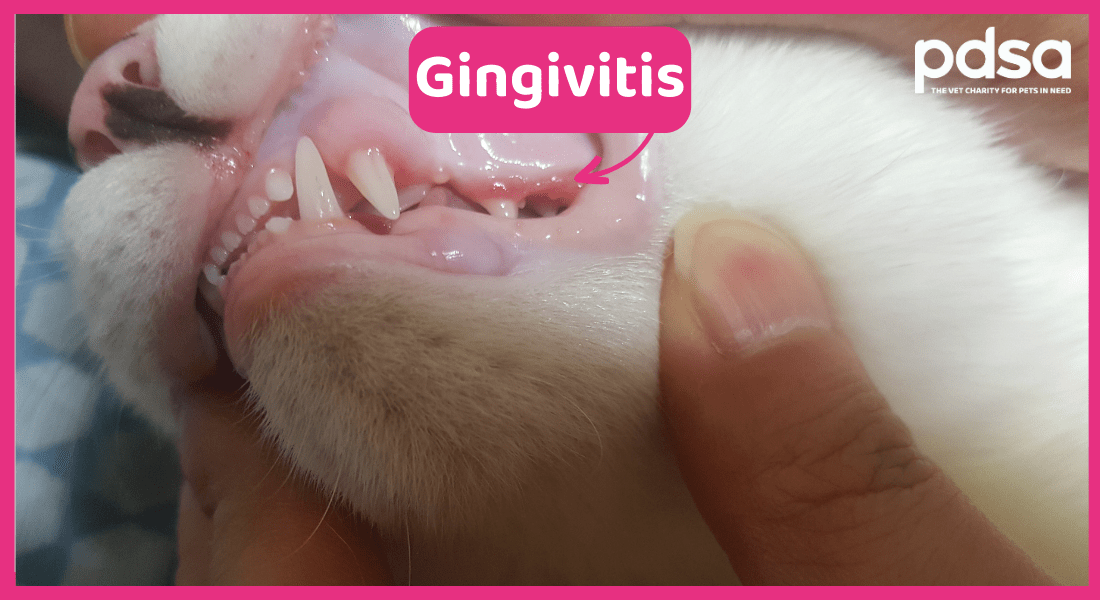
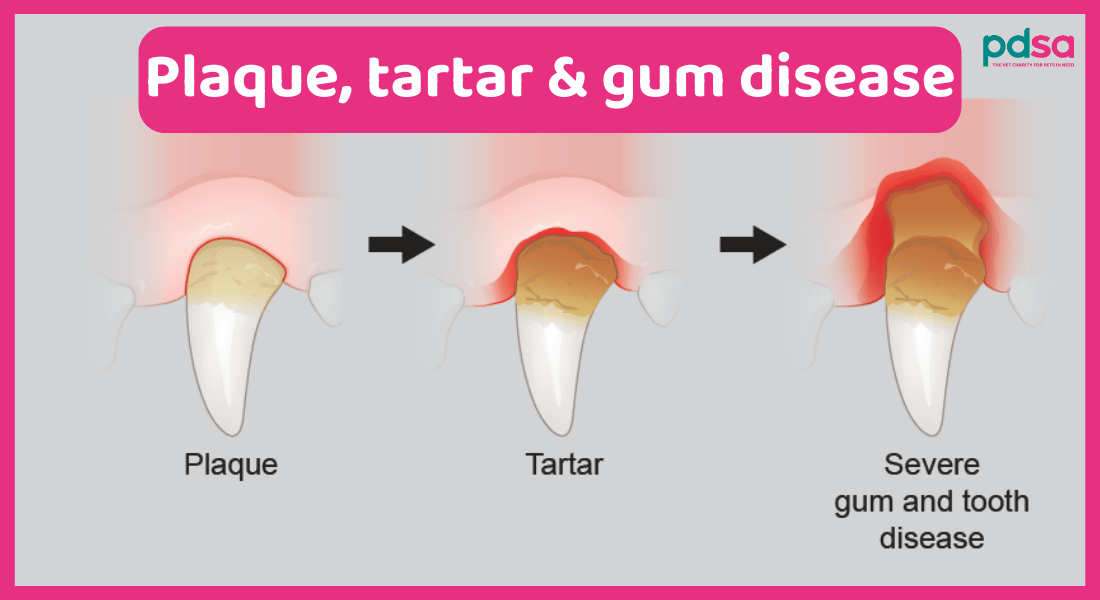
Gingivitis is the first and only fully reversible stage. It begins when soft plaque builds up on the teeth and irritates the gums. The gums become red, swollen, and may bleed easily. At this point, the damage is limited to the gum tissue only—there is no loss of bone or tooth structure.
Gingivitis is caused by bacteria in the mouth, often made worse by soft food, lack of chewing, or poor oral hygiene. If caught early and treated—usually by professional cleaning and improved home care—the gums can heal completely.
A practical example: If your cat’s gums look red around the base of the teeth but the teeth are still firm and there is no sign of swelling in the face, it’s likely stage 1. With regular brushing and a single professional cleaning, many cats recover fully from this stage.
Some owners notice a faint odor from the cat’s mouth at this stage. It’s easy to miss, but if you gently lift your cat’s lip and see a thin red line at the gum edge, that’s a clue gingivitis is starting.
Cats who eat sticky wet food or treats high in sugar are at higher risk.
Stage 2 — Early Periodontitis
If gingivitis is not treated, it leads to early periodontitis. Here, the infection spreads deeper and affects the structures that support the tooth, like the ligament and some bone. Small pockets form between the tooth and gum, allowing more bacteria to collect.
In this stage, damage begins to be permanent. Gums may pull away from the teeth, and mild bone loss can be seen on dental X-rays. The cat may show mild discomfort, but often still eats normally. Treatment involves cleaning under the gums, removing plaque, and sometimes using antibiotics.
A non-obvious insight: During stage 2, plaque under the gums is the real danger. This is not always visible, so a vet’s exam is needed. Sometimes, cats with early periodontitis may rub their face more often or seem sensitive if their cheeks are touched.
Stage 3 — Moderate Periodontitis
Moderate periodontitis means the infection and inflammation have caused significant bone loss—up to 50% of the supporting bone around the tooth. The gums recede further, pockets become deeper, and teeth may start to loosen.
Pain is more likely, and the cat may eat on one side, drop food, or have bad breath. At this stage, some teeth may need extraction if they are too damaged to save. Regular home care alone is not enough; professional dental treatment is needed to prevent further damage.
An important point: Some cats with stage 3 disease will act more irritable, avoid being picked up, or stop playing with toys they used to bite. Owners may not connect these changes to dental pain, but they are common in moderate disease.
Stage 4 — Advanced Periodontitis
Advanced periodontitis is the final, most severe stage. Over half the bone around the tooth is destroyed, and teeth are loose or fall out. Infection can spread to the jawbone or even cause abscesses.
Cats in this stage are often in pain, may refuse to eat, and can develop serious health problems. Extraction of diseased teeth is usually required, and aggressive treatment is necessary to control infection and relieve suffering.
At this stage, some cats will develop swelling in the face (abscess), pus draining from the mouth, or even start drooling blood. In rare cases, the infection can spread to the eyes, nose, or brain, causing life-threatening illness. Prompt treatment is critical.
| Stage | Main Features | Reversible? | Common Treatments |
|---|---|---|---|
| Stage 1 (Gingivitis) | Red, swollen gums, plaque | Yes | Cleaning, home care |
| Stage 2 (Early Periodontitis) | Inflamed gums, mild bone loss | No | Cleaning, antibiotics |
| Stage 3 (Moderate Periodontitis) | Receded gums, loose teeth, bone loss | No | Deep cleaning, extractions |
| Stage 4 (Advanced Periodontitis) | Severe bone loss, tooth loss, abscess | No | Extractions, infection control |
Credit: www.pdsa.org.uk
Symptoms Of Cat Dental Disease By Stage
Each stage of dental disease has its own signs. Unfortunately, many symptoms are easy to miss because cats hide discomfort well. Knowing what to watch for at each stage can make a big difference.
Stage 1 – Gingivitis:
- Slight redness at the gum line
- Mild bad breath
- Gums may bleed when touched
- Little or no change in eating or behavior
At this early stage, you might notice your cat lets out a small meow if you touch their mouth. Sometimes there are no changes, and only a careful look at the gums shows a problem.
Stage 2 – Early Periodontitis:
- Red, swollen gums with more obvious bleeding
- Bad breath becomes stronger
- Cat may chew on one side
- Occasional drooling
A subtle change is that some cats start to swallow food whole or avoid their favorite dry treats. Owners might think their cat is “just being picky,” but it’s actually a sign of discomfort.
Stage 3 – Moderate Periodontitis:
- Gums recede, exposing tooth roots
- Loose or shifting teeth
- Painful chewing, dropping food
- Reluctance to eat dry food
- Drooling, sometimes with blood
At this stage, cats might avoid crunchy foods completely or only eat small amounts. You may also find blood on toys or in the water bowl. Some cats develop a sudden dislike for being touched on the face or head.
Stage 4 – Advanced Periodontitis:
- Severe bad breath
- Visible pus along the gum line
- Teeth fall out or are very loose
- Swelling in the face or jaw
- Cat stops eating, loses weight
- Signs of pain: Hiding, less grooming, aggression if mouth is touched
It’s important to know that not every cat will show all these symptoms, and many cats show no signs until disease is advanced. For example, a cat may continue to eat but stop grooming, or become quieter and less social.
Owners sometimes think their cat is simply “getting old,” not realizing dental pain is the cause.
A non-obvious sign: Some cats develop a runny nose or sneeze if dental infection spreads to the nasal passages. This is often mistaken for a cold but can be a clue to hidden dental disease.
| Symptom | Stage 1 | Stage 2 | Stage 3 | Stage 4 |
|---|---|---|---|---|
| Red Gums | ✓ | ✓ | ✓ | ✓ |
| Bad Breath | ✓ (mild) | ✓ | ✓ | ✓ (severe) |
| Drooling | – | ✓ | ✓ | ✓ |
| Painful Chewing | – | – | ✓ | ✓ |
| Loose Teeth | – | – | ✓ | ✓ |
| Facial Swelling | – | – | – | ✓ |
Why Cats Hide Dental Pain
Cats are experts at hiding pain. This is not just stubbornness—it’s instinct. In the wild, showing weakness can make a cat a target for predators or push them down the social order. So, even if a cat’s mouth hurts, it will do everything to act normal.
Dental pain is also different from other pains. It can build slowly, so the cat adapts over time. Instead of crying out, a cat might:
- Eat more slowly or drop food
- Chew on one side only
- Groom less, especially around the face
- Hide or avoid being touched on the head
These small changes are easy to overlook, especially if you are not watching closely. Some cats only show obvious pain when the problem is severe, such as refusing food or becoming aggressive if their mouth is touched. This is why regular vet checks and early action are so important.
One subtle sign many owners miss is a change in grooming. Cats with dental pain may stop grooming their cheeks or chin, so the fur in these areas can look greasy or dirty. They might also play less with toys that require biting.
Paying attention to these less obvious clues can help catch dental disease earlier.
Another overlooked clue is when cats vocalize less or stop “talking” to their owners. For cats who usually meow, purr, or chirp a lot, a sudden quiet period can be a sign something is wrong. Similarly, a cat who suddenly becomes jumpy or avoids their favorite resting spot may be doing so because of mouth pain.
Credit: www.pdsa.org.uk
How Dental Disease Affects Overall Cat Health
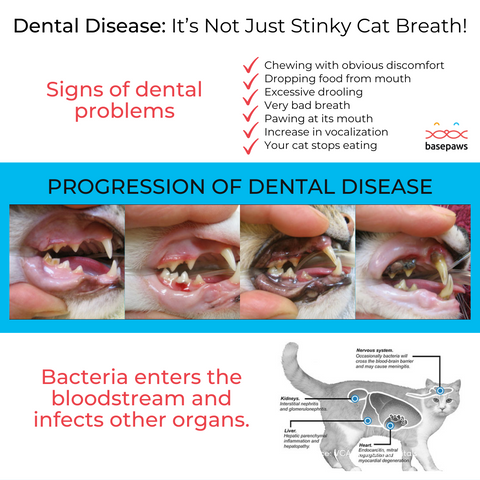
Dental disease is not just a mouth problem—it can harm the entire cat’s health. The mouth is full of blood vessels, and when gums are infected, bacteria can enter the bloodstream. This can lead to infections in other parts of the body, such as the heart, kidneys, and liver.
Chronic dental infection can cause:
- Heart disease: Bacteria from the mouth can damage heart valves, leading to endocarditis.
- Kidney disease: Cats with severe dental disease have a higher risk of kidney problems. Bacteria and inflammation stress the kidneys over time.
- Liver disease: The liver processes toxins and bacteria from the mouth, which can cause damage if the infection is long-lasting.
- Weakened immune system: Chronic infection wears down the body’s ability to fight disease.
- Weight loss and malnutrition: Cats in pain eat less, leading to weight loss and poor nutrition.
Studies show that treating dental disease can improve a cat’s overall health, energy, and even extend their life. For example, cats with treated dental disease often gain weight and become more active. In older cats, treating dental disease can reduce the risk of chronic kidney disease—a leading cause of death in senior cats.
A less obvious risk: Dental infection can make it harder for cats to control diabetes or recover from other illnesses. Bacteria and inflammation in the mouth stress the whole body, slowing healing from wounds or surgery. If your cat has another chronic illness, keeping the mouth healthy is even more important.
Neglecting dental health can also affect your cat’s quality of life. Chronic pain makes cats less playful, less social, and more withdrawn. It can make other illnesses worse and slow recovery from injury or surgery.
How Vets Diagnose Dental Disease In Cats
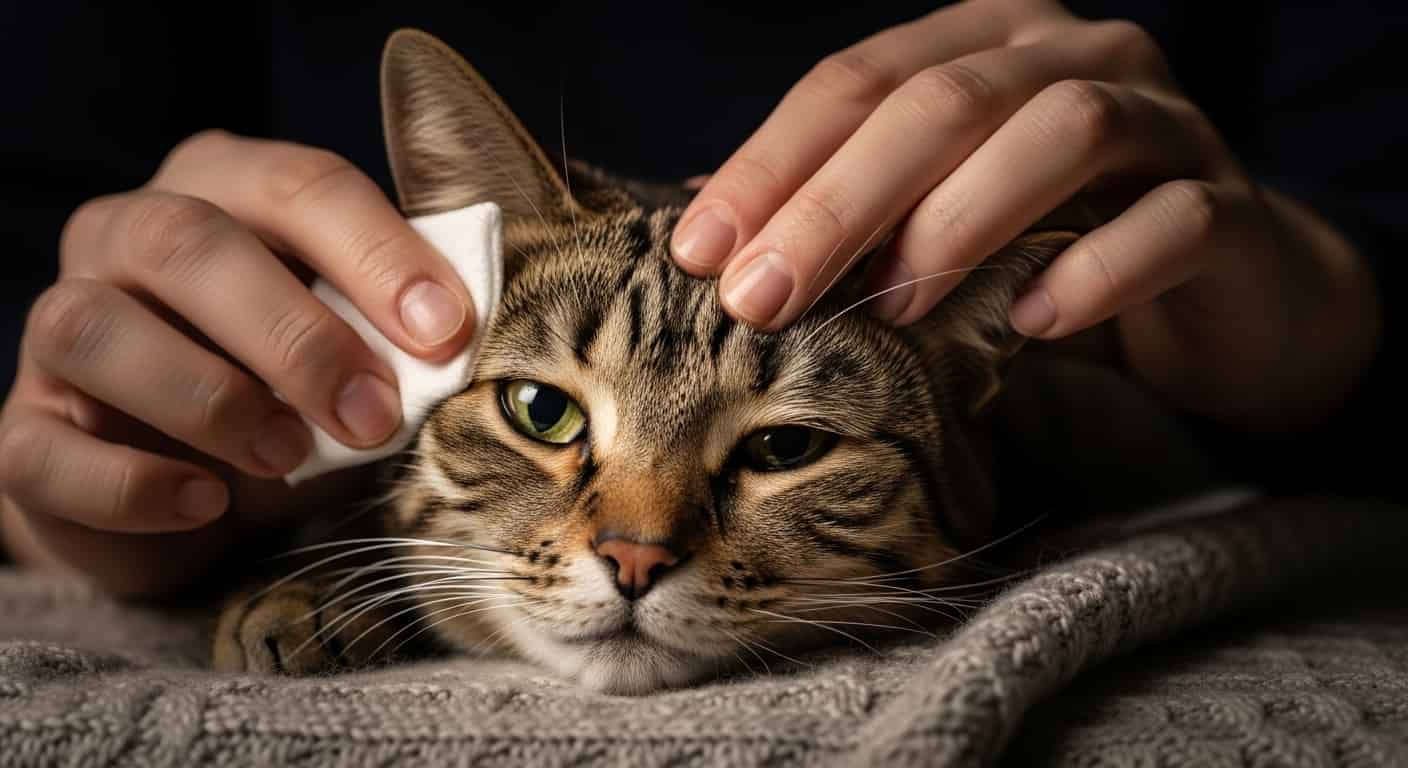
Diagnosing dental disease in cats is not always simple. Many problems are hidden below the gum line, and cats rarely let you look in their mouths at home. Vets use a combination of careful observation, examination, and special tools to find dental disease.
1. Physical examination: The vet looks for obvious signs like red gums, tartar, broken teeth, or bad breath. They may gently press on the gums to see if they bleed.
2. Dental probing: Under anesthesia, the vet uses a probe to check for pockets between the tooth and gum. These pockets are a sign of periodontitis.
3. Dental X-rays: X-rays are essential because most dental disease is below the gum line. X-rays show bone loss, tooth root problems, and hidden infections.
4. Charting and grading: The vet records the condition of each tooth, the amount of tartar, gum recession, and any loose or missing teeth. This helps plan treatment and track changes over time.
5. Advanced diagnostics: In some cases, vets may use blood tests to check for infection or organ damage, especially if the cat is older or very sick.
| Diagnostic Method | What It Detects | When Used |
|---|---|---|
| Physical exam | Visible gum, tooth, or breath issues | Every checkup |
| Dental probing | Gum pockets, loose teeth | Under anesthesia |
| Dental X-rays | Bone loss, root problems | During dental procedures |
| Blood tests | Organ function, infection signs | Before/after dental work |
A key insight: Even if your cat’s teeth look okay on the surface, there may be severe disease below the gums. This is why anesthesia and X-rays are considered the gold standard for dental diagnosis in cats.
Another practical example: Sometimes, a cat will have a perfectly clean-looking mouth on the outside but has lost much of the bone around the roots—something only visible with an X-ray. Without imaging, these painful problems would go untreated.
Treatment Options For Cat Dental Disease
The best treatment depends on the stage of dental disease. Early stages can often be reversed, but advanced disease may require surgery. Here’s how vets usually approach treatment:
1. Professional dental cleaning: This is done under anesthesia. The vet removes plaque and tartar from above and below the gum line, polishes the teeth, and flushes the mouth to remove bacteria.
This step is essential because cleaning below the gum line cannot be done safely or effectively while a cat is awake. Anesthesia is also necessary so the vet can check each tooth and take X-rays without stress or pain for the cat.
2. Tooth extractions: If teeth are loose, broken, or infected, they are removed to stop pain and prevent further infection. Cats can still eat well even without several teeth.
Owners are often surprised at how well cats eat after extractions. In fact, many cats eat better than before because pain is finally gone. Cats can manage both wet and dry food without all their teeth, as long as their gums are healthy.
3. Antibiotics and pain relief: These are used if there is severe infection or after tooth extraction to control bacteria and reduce pain.
Not every dental case needs antibiotics, but they are important if the infection has spread or if extractions are done. Pain relief is always given, as dental procedures can be uncomfortable.
4. Home care: After treatment, ongoing care at home is vital. This can include brushing, dental diets, or special treats designed to reduce plaque.
A practical tip: After a dental cleaning, start brushing slowly. Use a finger brush or soft cloth with cat toothpaste. Many cats accept cleaning if introduced gently and rewarded with treats or play.
5. Advanced procedures: In rare cases, root canals or crowns are used, but this is uncommon in cats.
These advanced options are usually reserved for valuable breeding or show cats. Most family cats do best with extraction of problem teeth.
Treatment is always tailored to the individual cat. For example, a young cat with mild gingivitis may only need cleaning and home care. An older cat with advanced disease may require multiple extractions and antibiotics.
One often-missed point: Cats recover quickly after dental extractions. Many owners worry their cat won’t eat, but most cats feel much better once painful teeth are gone. They may even eat more and act younger than before.
Another insight: Some cats with other medical issues (like kidney or heart problems) need special care during dental treatment. Always share your cat’s full health history with the vet before dental work.
How To Prevent Dental Disease In Cats
Prevention is the best way to protect your cat from dental disease. It is much easier to prevent problems than to treat advanced disease. Here are key steps:
1. Brushing your cat’s teeth: This is the gold standard. Use a cat-specific toothbrush and toothpaste. Start slow, and reward your cat for cooperating. Even brushing a few times per week helps.
Start by getting your cat used to having its mouth touched. Gently rub your finger on the gums, then move to a finger brush. Gradually introduce toothpaste with a flavor your cat likes, such as chicken or fish.
2. Dental diets and treats: Some cat foods and treats are designed to scrub the teeth as your cat chews. Look for products with the VOHC (Veterinary Oral Health Council) seal.
Dental diets have larger kibbles that help scrape the teeth and are proven to reduce plaque. Not all “dental” foods are effective, so check for the VOHC seal.
3. Regular vet checkups: Annual dental exams catch problems early. Older cats or those at high risk may need more frequent checks.
Ask your vet to look at your cat’s mouth during every visit. Early intervention can prevent pain and costly surgery.
4. Professional cleanings: Most cats need a professional dental cleaning every 1–2 years, depending on risk factors.
Even with good home care, plaque and tartar can build up. Regular cleanings under anesthesia are the only way to remove all tartar, especially below the gum line.
5. Chew toys: Some cats like rubber or fabric chew toys, which help remove soft plaque.
Try different textures to see what your cat prefers. Always supervise to avoid choking hazards.
6. Water additives and oral gels: These can reduce bacteria and freshen breath, but are best used with other methods.
These products can help, especially for cats who will not accept brushing. Look for products recommended by your vet.
7. Monitor for symptoms: Watch for changes in eating, grooming, or behavior that could signal dental pain.
Keep a notebook or use your phone to track any small changes you notice. Early action makes a big difference.
Common prevention mistakes:
- Assuming dry food alone will clean teeth (it usually does not).
- Using human toothpaste (it is toxic to cats).
- Waiting for obvious symptoms—by then, disease is advanced.
Consistency is key. Even small efforts, done regularly, can greatly reduce the risk of dental disease.
A less obvious prevention tip: When adopting a new kitten, start handling their mouth early. This makes future dental care much easier.
Credit: bilyanagolf.ru
Cat Dental Disease Vs Stomatitis — What Is The Difference?
Dental disease and stomatitis both affect the mouth, but they are not the same. Understanding the difference is important for proper care.
Dental disease is usually caused by bacteria and plaque buildup. It starts with gingivitis and can lead to periodontitis. The main problem is infection and inflammation of the gums and supporting structures.
Stomatitis is a much more severe and painful condition. It is an immune system disease, where the cat’s body attacks its own mouth tissues. This causes extreme inflammation, ulcers, and pain—often much worse than “regular” dental disease.
Key differences:
- Dental disease is common and usually affects the gums and teeth; stomatitis affects the whole mouth, including the back of the mouth and throat.
- Dental disease can often be managed with cleaning and extractions; stomatitis often needs full-mouth extractions and strong medications.
- Stomatitis is much more painful—cats may stop eating completely, drool constantly, and lose a lot of weight.
Stomatitis is rare compared to dental disease, but it requires aggressive treatment. If your cat has red, ulcerated gums, severe pain, and does not improve with dental care, ask your vet about stomatitis.
For more on stomatitis, you can read the overview at Cornell Feline Health Center.
Frequently Asked Questions
Why Do Cats Get Dental Disease So Often?
Cats have small mouths and crowded teeth, which trap bacteria and food particles. Unlike in the wild, pet cats often eat soft food that sticks to their teeth. Most cats do not chew enough to naturally clean their teeth, so plaque builds up quickly.
Some breeds are more likely to have crowded teeth, which trap more food and bacteria. This is one reason why Persians and Siamese often have more dental problems. Genetics play a bigger role than many owners realize.
Is Bad Breath Always A Sign Of Dental Disease?
Bad breath is one of the most common signs, but not the only one. Some cats have bad breath from stomach or kidney problems. However, if your cat’s breath smells sour or rotten, a dental exam is needed to rule out dental disease.
If bad breath appears suddenly or gets worse, schedule a vet visit. Even young cats can develop dental problems if their baby teeth do not fall out properly.
Can My Cat Eat After Having Teeth Extracted?
Yes. Cats adapt well after extractions. Most cats feel better and eat more once painful teeth are removed. Soft food may be needed for a short time, but many cats return to dry food and normal eating quickly.
A practical example: Some cats who had not played or groomed for months become active again after extractions. The relief from pain is often dramatic.
How Often Should My Cat Have A Dental Cleaning?
Most adult cats benefit from a professional dental cleaning every 1–2 years. Cats with high risk (older age, certain breeds, existing dental problems) may need more frequent cleanings. Your vet can recommend the best schedule.
Kittens and young adults should have their mouths checked at every vet visit to spot problems early.
Are There Cat Breeds More Prone To Dental Disease?
Yes. Breeds like Persians, Siamese, and other short-faced (brachycephalic) cats are at higher risk. Genetics, tooth crowding, and immune system factors all play a role. These cats need extra dental care and regular vet checks.
Some Maine Coons and Abyssinians are also prone to tooth resorption—a condition where the body destroys tooth structure. If you have one of these breeds, ask your vet about special dental care.
Cats deserve a life free from pain and discomfort, and dental health is a big part of that. By learning the signs of dental disease and acting early, you can help your cat stay healthy, playful, and happy for years.
For more advice on cat dental care, check out our related guides on brushing techniques, choosing dental diets, and what to expect during a vet dental visit. Your cat’s mouth—and whole body—will thank you.
**As an Amazon Associate, I earn from qualifying purchases.**