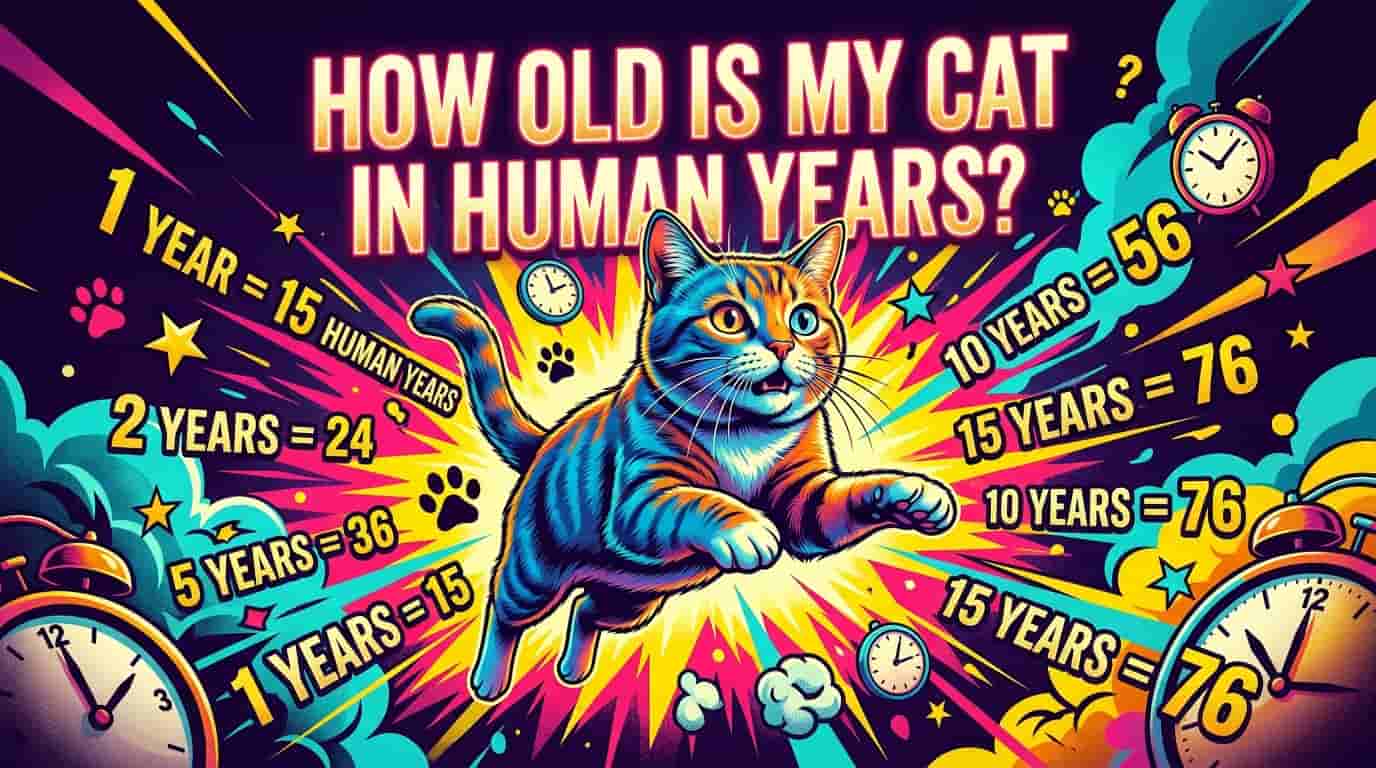
For many years, people believed the old saying: 1 cat year equals 7 human years. But this is not accurate. Cats age differently, and their bodies develop much faster in the early years. If you want to know your cat’s real age in human years, you need a better formula. Understanding your cat’s age helps you give the right care, nutrition, and love at every stage of their life.
Cat Age To Human Age Conversion Chart (full Table)
Cats mature quickly, especially in their first two years. After that, their aging slows down. This table shows how a cat’s age compares to human years. The numbers are based on research from veterinarians and animal experts.
| Cat Age (years) | Human Age Equivalent |
|---|---|
| 1 month | 1 year |
| 3 months | 4 years |
| 6 months | 10 years |
| 1 | 15 years |
| 2 | 24 years |
| 3 | 28 years |
| 4 | 32 years |
| 5 | 36 years |
| 6 | 40 years |
| 7 | 44 years |
| 8 | 48 years |
| 9 | 52 years |
| 10 | 56 years |
| 11 | 60 years |
| 12 | 64 years |
| 13 | 68 years |
| 14 | 72 years |
| 15 | 76 years |
| 16 | 80 years |
| 17 | 84 years |
| 18 | 88 years |
| 19 | 92 years |
| 20 | 96 years |
Notice how the first two years are equal to a huge jump in human age. After age two, each cat year is about four human years. This formula is much more accurate than the old “multiply by seven” rule.
Cat Life Stages Explained
Cats, like people, go through different life stages. Each stage brings changes in energy, health, and behavior. Understanding these stages helps you care for your cat in the best way.
Kitten (0–6 Months)
This is the baby stage. Kittens grow fast and are very playful. They learn about the world by exploring, climbing, and chasing. Their bodies and brains develop quickly. By six months, most kittens are about the size of a small adult.
- Vaccinations and vet checks are important now.
- Socialization helps prevent future behavior problems.
Junior (7 Months – 2 Years)
During the junior stage, your cat is a teenager. They are full of energy, but not as wild as a kitten. Cats reach sexual maturity during this time, so spaying or neutering is usually done early in this stage.
- Training and playtime are important for good habits.
- Growth slows, but they still have high energy.
Prime (3–6 Years)
This is your cat’s prime of life. They are healthy, active, and strong. Most cats are fully grown by now. They enjoy play but may start to settle down a little.
- Regular exercise keeps them at a healthy weight.
- Annual vet visits help catch problems early.
Mature (7–10 Years)
In the mature stage, cats are like middle-aged people. They may start to slow down. You might notice small changes in behavior or weight.
- Watch for dental problems and joint stiffness.
- Adjust food if your cat is gaining or losing weight.
Senior (11–14 Years)
A senior cat is similar to a person in their 60s or 70s. They may sleep more and play less. Health problems like kidney disease or arthritis can start to appear.
- More frequent vet checks are wise.
- Keep their environment safe and comfortable.
Geriatric (15+ Years)
Cats at this age are geriatric. They are like people in their 80s or 90s. Some cats live to 20 or even older, but they need special care.
- Mobility problems and vision or hearing loss are common.
- Extra love, patience, and gentle care are important.
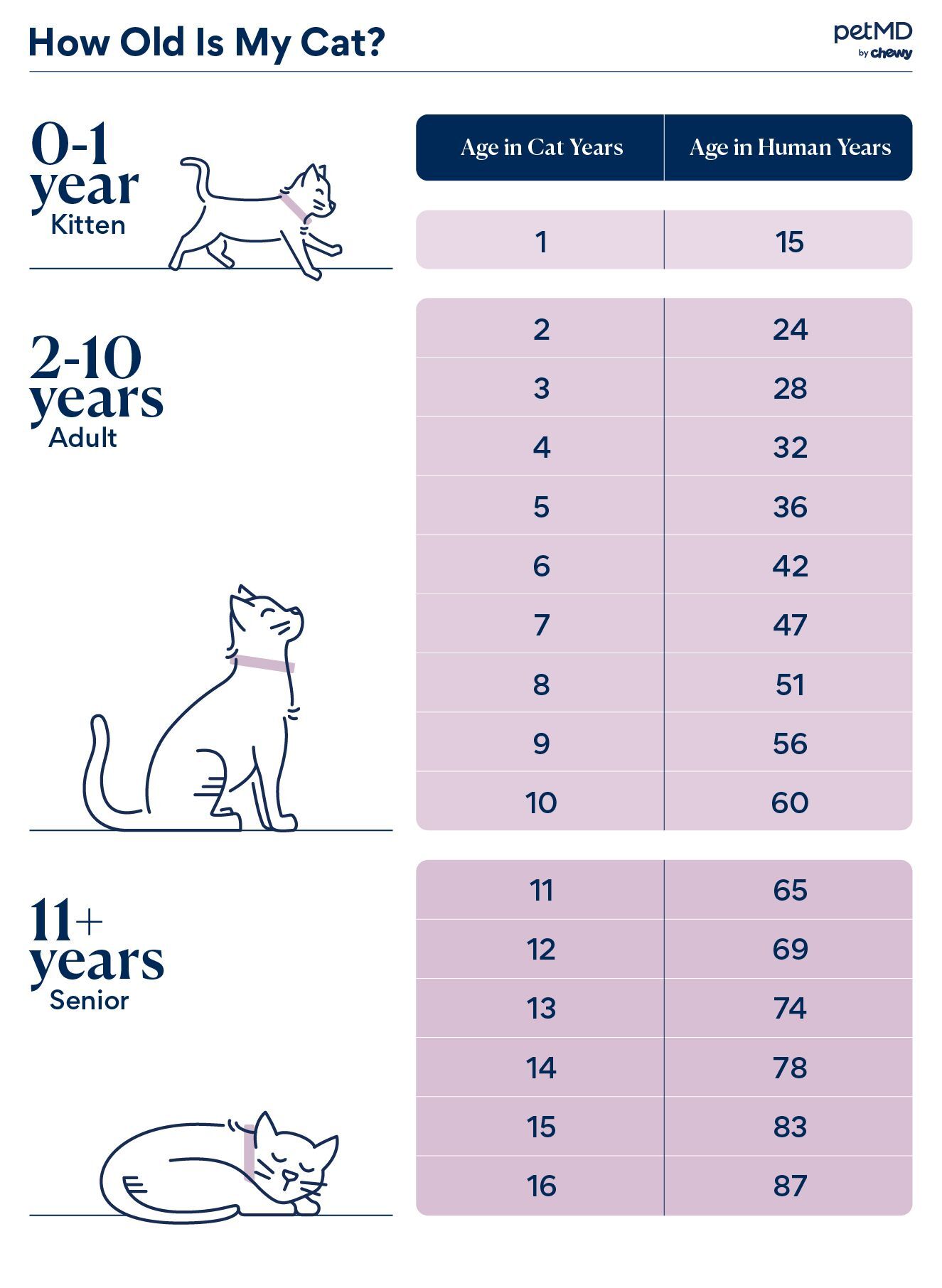
Credit: www.petmd.com
What Your Cat’s Life Stage Means For Their Care
Each cat stage means new needs for nutrition, exercise, and health checks. Here’s what to focus on as your cat ages:
- Kittens need special food for growth and lots of play for learning.
- Juniors need training and safe ways to use their energy.
- Prime cats benefit from balanced food, play, and regular vet visits.
- Mature cats may need senior food and more attention to weight.
- Seniors and geriatrics need softer beds, easy-to-reach litter boxes, and vet care every six months.
Many owners miss subtle signs of aging, like less jumping or grooming. These can be early signs of joint pain or illness. Regular check-ups can catch problems early.
Another insight: cats hide pain very well. Even if your cat seems “fine,” small changes in their routine can signal a health issue. Watch for:
- Changes in eating or drinking
- Less play or grooming
- Hiding more than usual
If you notice these, call your vet. Early action can help your cat stay happy and healthy longer.
Cats also need more mental stimulation as they age. Simple things like puzzle feeders, new toys, or a window perch can keep their minds sharp.
Here’s a quick comparison of cat care needs at different life stages:
| Life Stage | Nutrition Focus | Activity Needs | Vet Visits |
|---|---|---|---|
| Kitten | High protein, growth formula | Very high | Every 3-4 weeks |
| Junior | Balanced, adult food | High | Yearly |
| Prime | Adult maintenance | Moderate | Yearly |
| Mature | Senior formula if needed | Lower | Yearly or twice yearly |
| Senior | Special diets for health issues | Gentle play | Twice yearly |
| Geriatric | Easy to eat, health-focused | Short, gentle activity | Every 6 months |
Frequently Asked Questions
How Can I Tell My Cat’s Age If I Adopted Them As An Adult?
Vets can estimate age by looking at teeth, eyes, and body condition. Older cats often have worn teeth and cloudy eyes. Still, the estimate is not exact.
Why Do Indoor Cats Live Longer Than Outdoor Cats?
Indoor cats face fewer dangers like cars, disease, and wild animals. This can add years to their life. Outdoor cats may only live 2–5 years, while indoor cats can reach 15–20 years or more.
What Are Signs My Cat Is Aging?
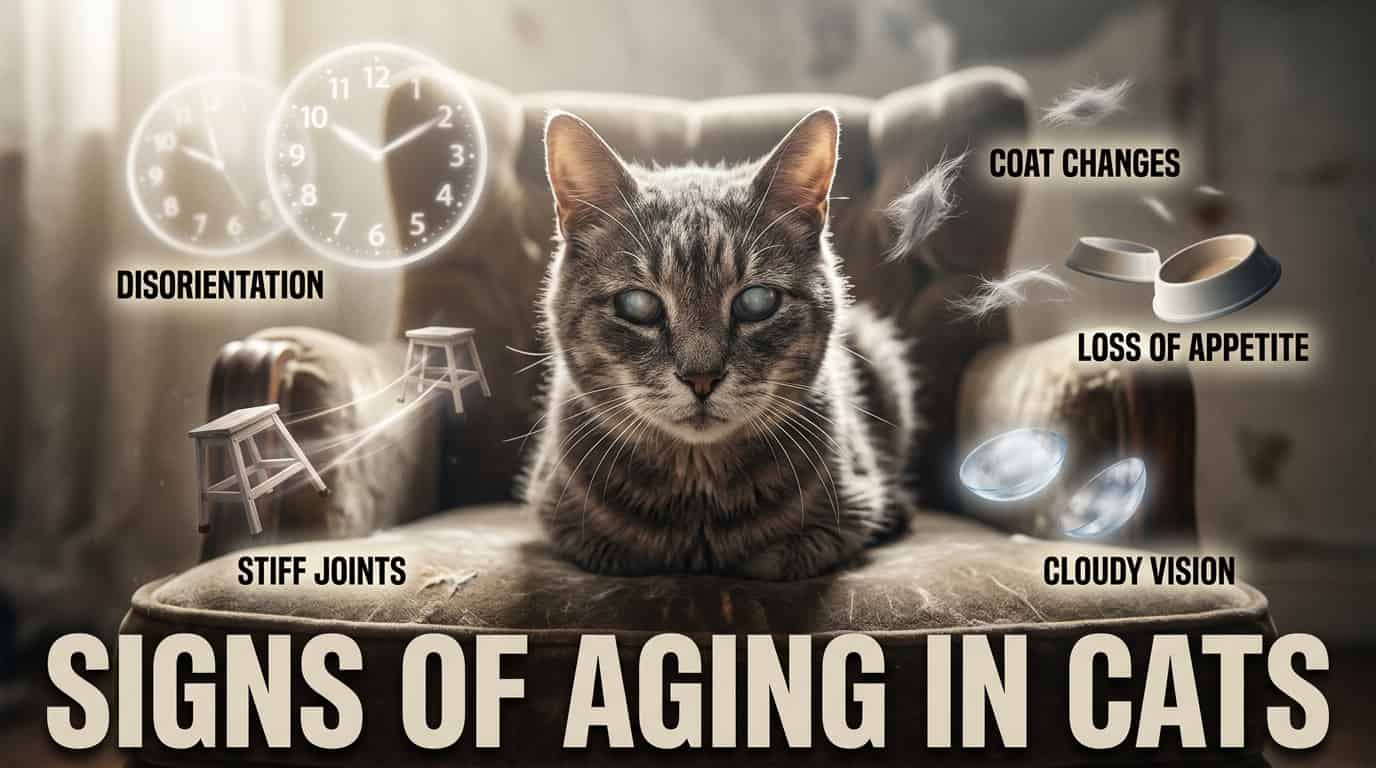
Common signs are sleeping more, weight changes, less grooming, or slower movement. Subtle changes in behavior often come before serious health issues.
Do Different Breeds Age At Different Rates?
Yes, some breeds—like Siamese and Maine Coon—may live longer than others. Mixed breed cats often have fewer genetic health problems and may age more slowly.
How Can I Help My Senior Cat Stay Healthy?
Feed high-quality food, keep regular vet visits, and provide soft bedding. Encourage gentle play and watch for changes in behavior. For more tips, see the comprehensive guide on senior cat care.
Caring for a cat at any age is a rewarding journey. By understanding how cats age and what they need, you can help your furry friend live a long, comfortable, and happy life. Remember, each year brings new joys and challenges—being prepared makes all the difference for your beloved cat.
:max_bytes(150000):strip_icc()/cat-years-06-2000-925e902b52bd4d09b3339e14babe950e.jpg)
Credit: www.dailypaws.com
**As an Amazon Associate, I earn from qualifying purchases.**