Many cat owners make the same mistake: they try brushing their cat’s teeth right away. This usually ends with stress, scratching, or a cat that runs every time you pick up a toothbrush. The truth is, cats need time to get used to the idea. Forcing the process can make future attempts much harder. Patience is the real secret to success. With the right plan, you can teach most cats to accept—and even enjoy—regular tooth brushing. Let’s dive into how to brush your cat’s teeth the right way, from preparation to long-term routines.
What You Need Before You Start
Before you begin, gather the correct tools. The right supplies make the process easier and safer for both you and your cat. Don’t improvise with human products—cats have special needs.
Choosing The Right Toothbrush
A cat toothbrush is much smaller and softer than human ones. There are two main types:
- Finger brushes: These slip over your finger, giving you more control. They’re perfect for beginners and small cats.
- Pet toothbrushes: These have angled heads and soft bristles. Choose one with a small head and gentle bristles for cats.
Avoid using hard bristles or brushes designed for dogs or humans. These can hurt your cat’s gums and make them dislike brushing. Replace the toothbrush every 3-4 months or sooner if the bristles look worn.
Cat-safe Toothpaste Only — Why Human Toothpaste Is Dangerous
Never use human toothpaste for your cat. Human toothpaste contains fluoride, xylitol, and other chemicals that are toxic if swallowed. Cats can’t spit, so they will swallow anything you use.
Use only enzymatic toothpaste made for cats. These are safe to swallow, come in flavors cats like (chicken, seafood, malt), and help break down plaque. Always check the label. If you’re unsure, ask your vet for recommendations.
The Desensitisation Schedule (week-by-week Plan)
If you want your cat to accept brushing, you need to start slow. Here’s a simple plan to help your cat get comfortable.
Week 1 — Touch And Reward
For the first week, don’t touch your cat’s mouth. Instead, get your cat used to having their head and cheeks handled.
- Gently stroke their cheeks, lips, and chin daily.
- Reward with a treat or gentle praise after each session.
- Keep sessions short (under 1 minute).
This helps your cat link face touching with positive experiences.
Week 2 — Introduce Toothpaste Flavour
Now, let your cat taste the toothpaste (without brushing).
- Put a small amount of cat toothpaste on your finger.
- Offer it for your cat to lick, or gently touch it to their lips.
- Reward them after.
If your cat dislikes a flavor, try a different one. The goal is for your cat to accept the taste and smell.
Week 3 — Finger On Gums
Time to gently touch your cat’s mouth.
- Put a small amount of toothpaste on your finger.
- Gently lift your cat’s lip and rub your finger on the outer surface of a few teeth and gums.
- Start with just a couple of seconds, then reward.
- Gradually increase the time each day.
Your cat should get used to having their mouth touched. Don’t rush—if your cat resists, go back a step.
Week 4 — Introduce The Toothbrush
Now, let your cat see and smell the toothbrush.
- Touch the toothbrush to your cat’s lips or cheek, without brushing.
- Next, add a little toothpaste and gently touch a few teeth.
- Keep sessions under 30 seconds at first.
Always reward your cat after each attempt. If your cat gets stressed, try again the next day.
Week 5+ — Full Brushing Routine
If your cat stays calm, you can try a short brushing session.
- Brush only a few teeth at first—focus on the outside (cheek side).
- Gradually increase the number of teeth brushed each day.
- Keep sessions positive and end with a reward.
Most cats take 4–6 weeks to accept brushing. Some may need more time.
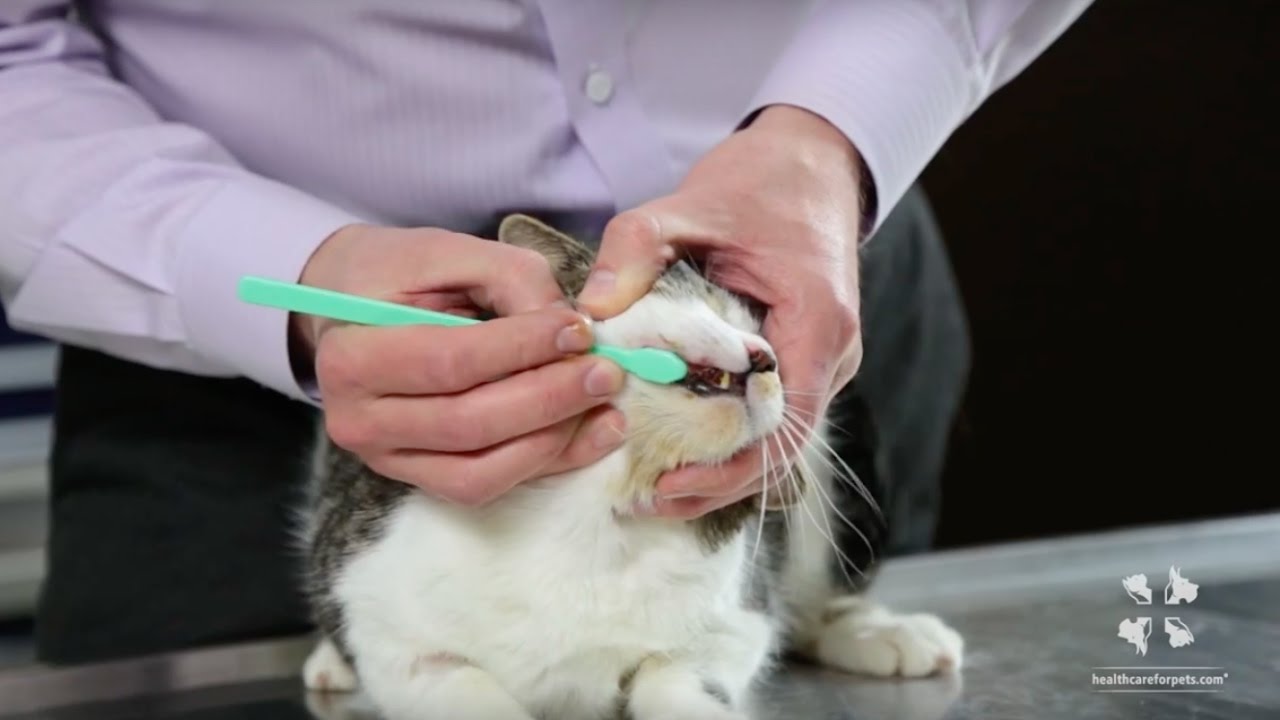
Credit: www.youtube.com
Step-by-step Brushing Technique
Once your cat is comfortable, follow these steps for safe and effective brushing:
- Choose a calm time: Pick a quiet moment when your cat is relaxed.
- Sit at your cat’s level: Place your cat on your lap or a non-slip surface.
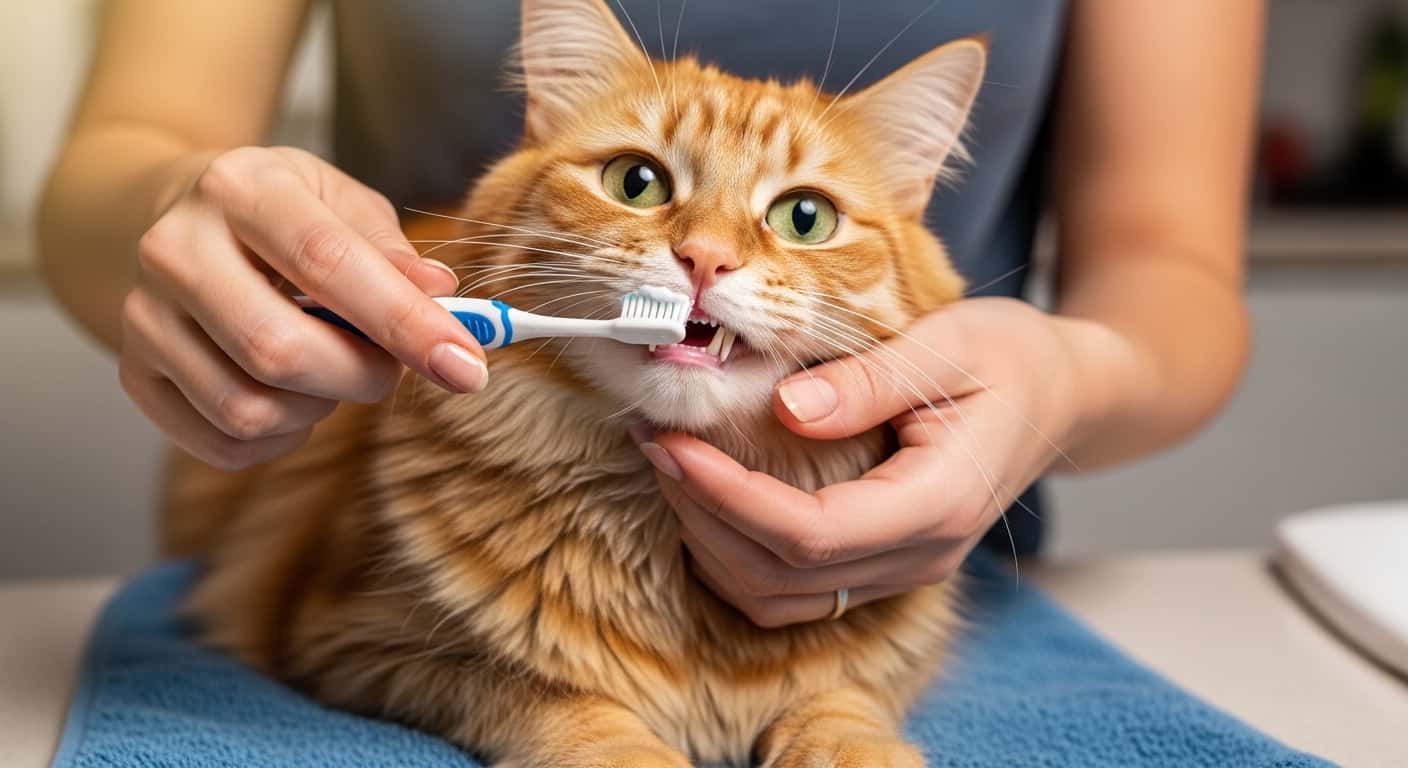
- Lift the lip gently: Use one hand to lift the cheek, exposing the teeth.
- Apply toothpaste: Put a small amount of cat toothpaste on the brush.
- Brush with small circles: Use gentle, circular motions on the outer surfaces of the teeth. Focus on the back upper teeth—they collect the most plaque.
- Don’t force the mouth open: Most cats allow brushing with their mouths closed.
- Keep sessions short: 30–60 seconds is enough for most cats.
- Reward after brushing: Give a treat, praise, or playtime.
If your cat pulls away, stop and try again later. The goal is to build trust, not complete a perfect brushing on day one.
How Long Should You Brush For?
The ideal brushing time for cats is about 30 seconds to 2 minutes per session, depending on your cat’s patience. It’s more important to brush regularly than to brush every tooth perfectly every time.
- First sessions: Aim for 10–20 seconds. Gradually increase as your cat allows.
- Routine sessions: 30–60 seconds is good for most cats.
- Full coverage: If your cat allows, aim for up to 2 minutes, but don’t force it.
Here’s a simple comparison of brushing times and cat tolerance:
| Brushing Time | Cat Comfort Level | Success Rate |
|---|---|---|
| 10–20 sec | Very high | 90% |
| 30–60 sec | Moderate | 70% |
| 1–2 min | Low | 30% |
It’s better to do short, positive sessions than to struggle for a full mouth cleaning.
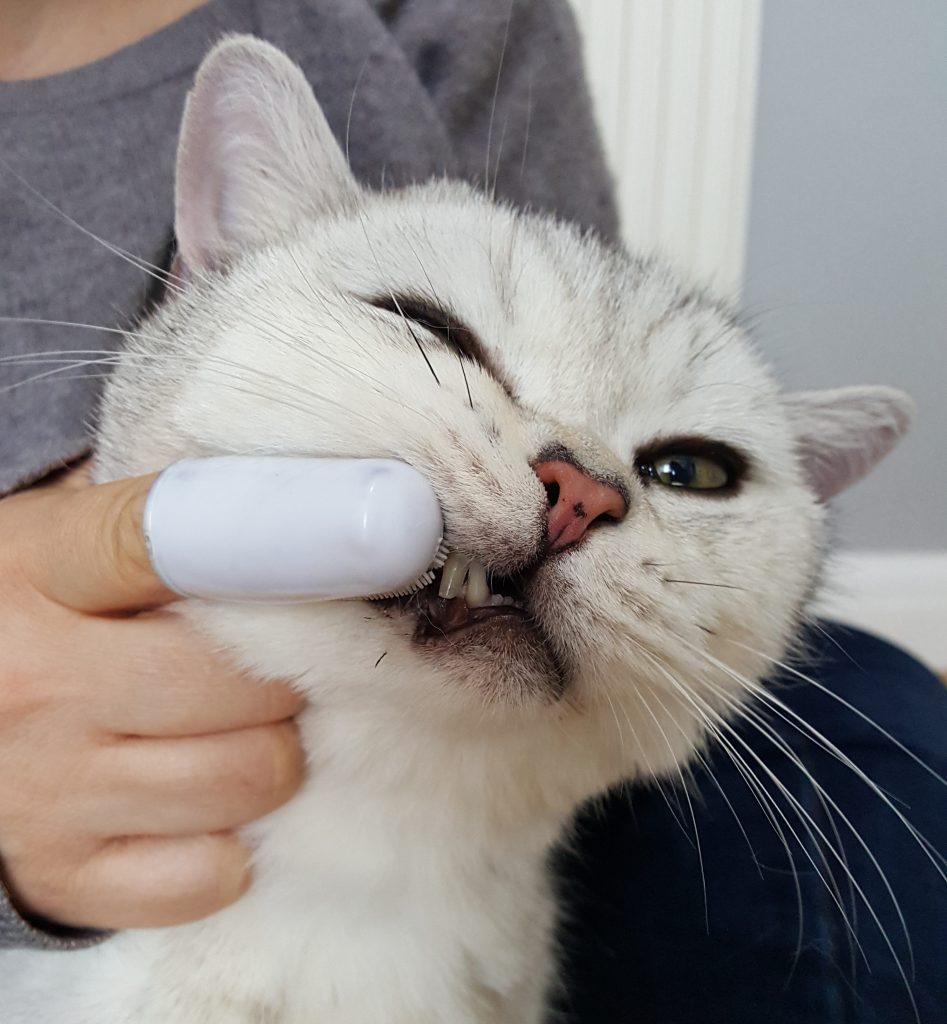
Credit: thecatdoctor.co.uk
How Often Do You Need To Brush Cat Teeth?
Daily brushing is best for cats, just like for humans. Plaque turns to tartar within 24–36 hours, so brushing less often means more risk of dental disease.
- Ideal: Every day
- Minimum: Three times per week
- Occasional: Once a week (better than nothing, but not enough to prevent tartar)
Let’s compare brushing frequency and dental health benefits:
| Frequency | Plaque Control | Risk of Gum Disease |
|---|---|---|
| Daily | Excellent | Very low |
| 3x per week | Good | Moderate |
| 1x per week | Fair | High |
| Never | Poor | Very high |
Consistent brushing is the best way to prevent dental disease, which affects up to 70% of cats over age three.
My Cat Still Won’t Let Me — What To Do
Some cats refuse brushing, even with slow training. If this happens, don’t give up on dental care. Try these alternatives:
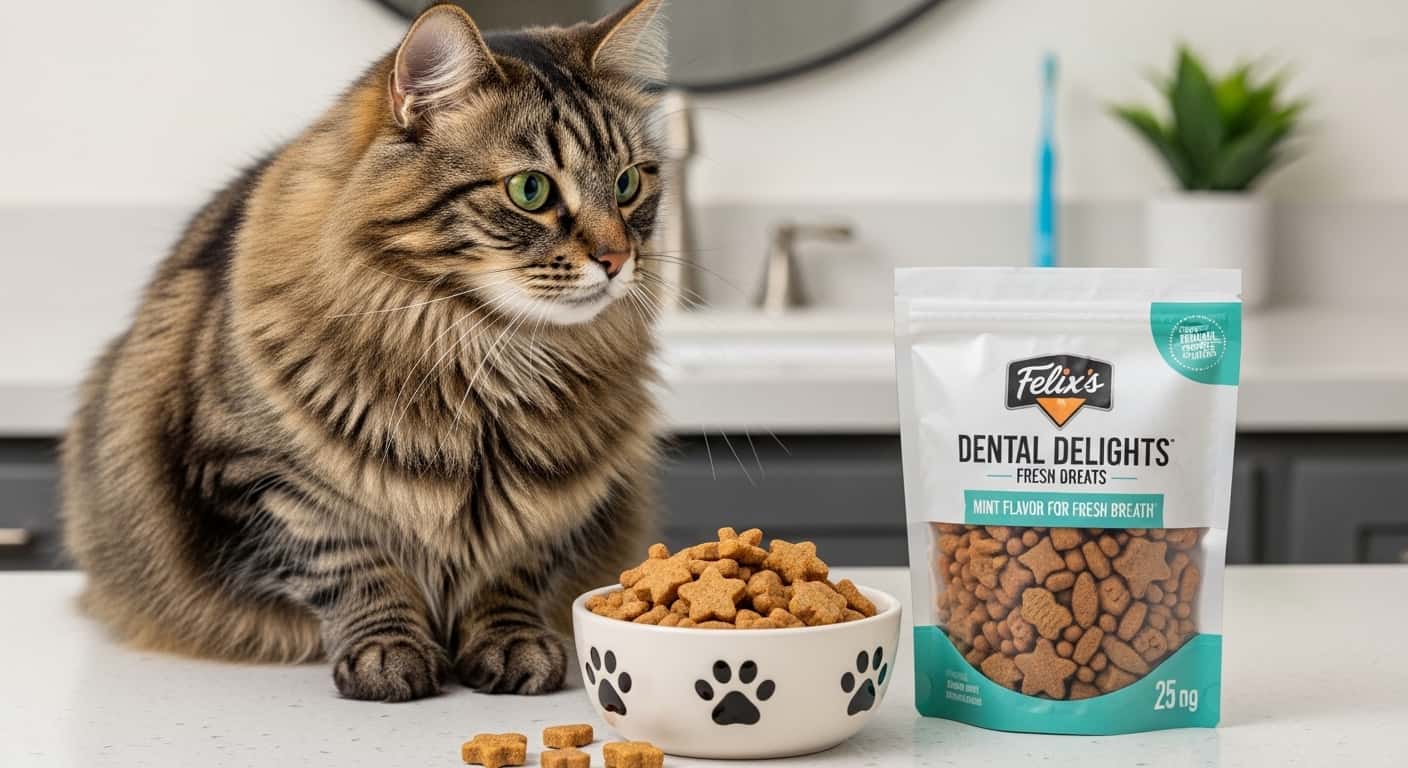
- Dental treats: Specially designed to help reduce plaque.
- Dental diets: Certain cat foods are made to clean teeth while chewing.
- Water additives: Safe liquids added to water to help control bacteria.
- Dental wipes: Cloths that rub plaque away (less effective but better than nothing).
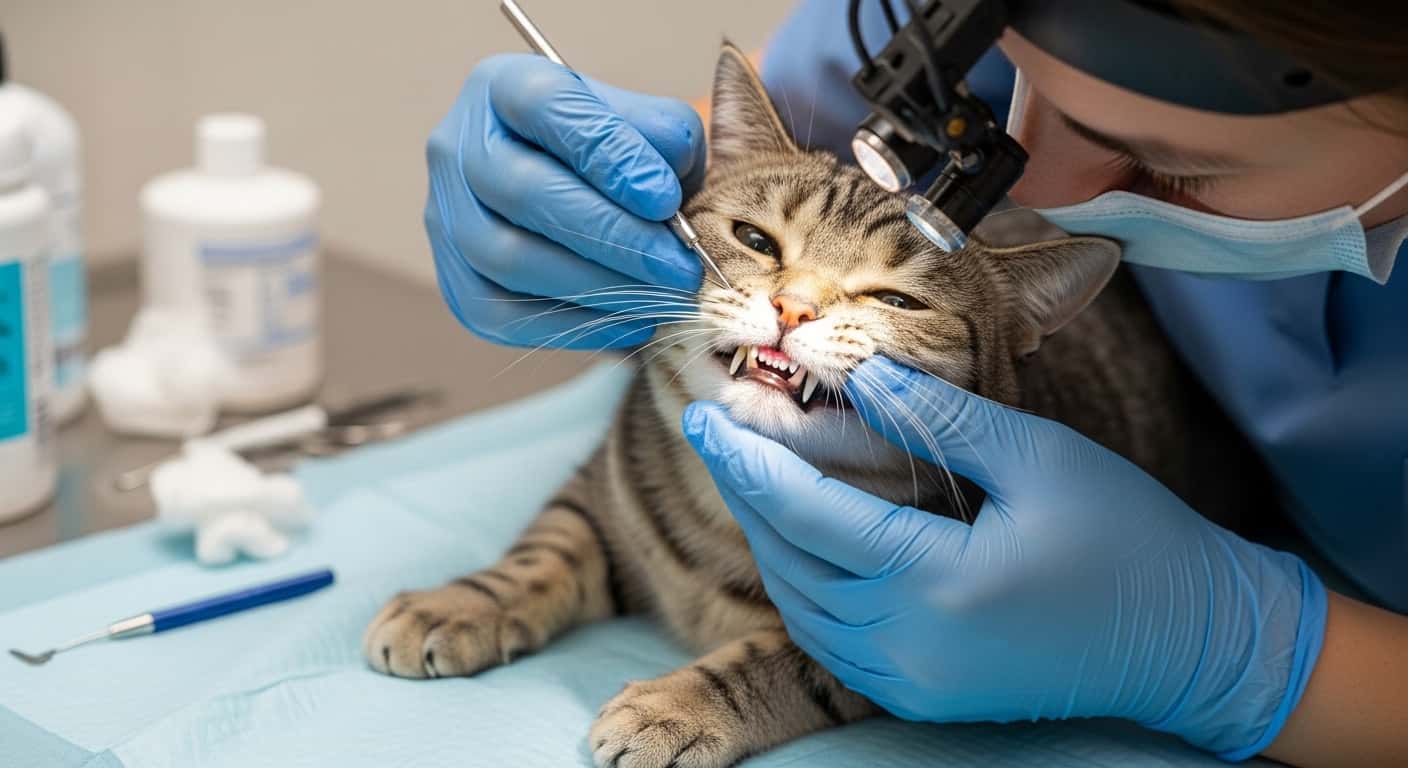
- Vet cleanings: Regular professional cleanings if brushing isn’t possible.
Not all alternatives are equally effective. Brushing is best, but even small steps help. Consult your vet for advice specific to your cat’s needs.
Here’s a simple table comparing effectiveness of alternatives:
| Method | Plaque Removal | Ease of Use |
|---|---|---|
| Tooth brushing | Excellent | Moderate |
| Dental treats | Good | High |
| Dental diets | Good | High |
| Water additives | Fair | Very high |
| Dental wipes | Fair | High |
| Vet cleanings | Excellent | Low (due to anesthesia and cost) |
Non-obvious insight: Many cats respond better to brushing if you make it part of a routine, such as after meals or before playtime. Another tip: try brushing when your cat is sleepy or relaxed. It’s often easier than when they’re alert and playful.
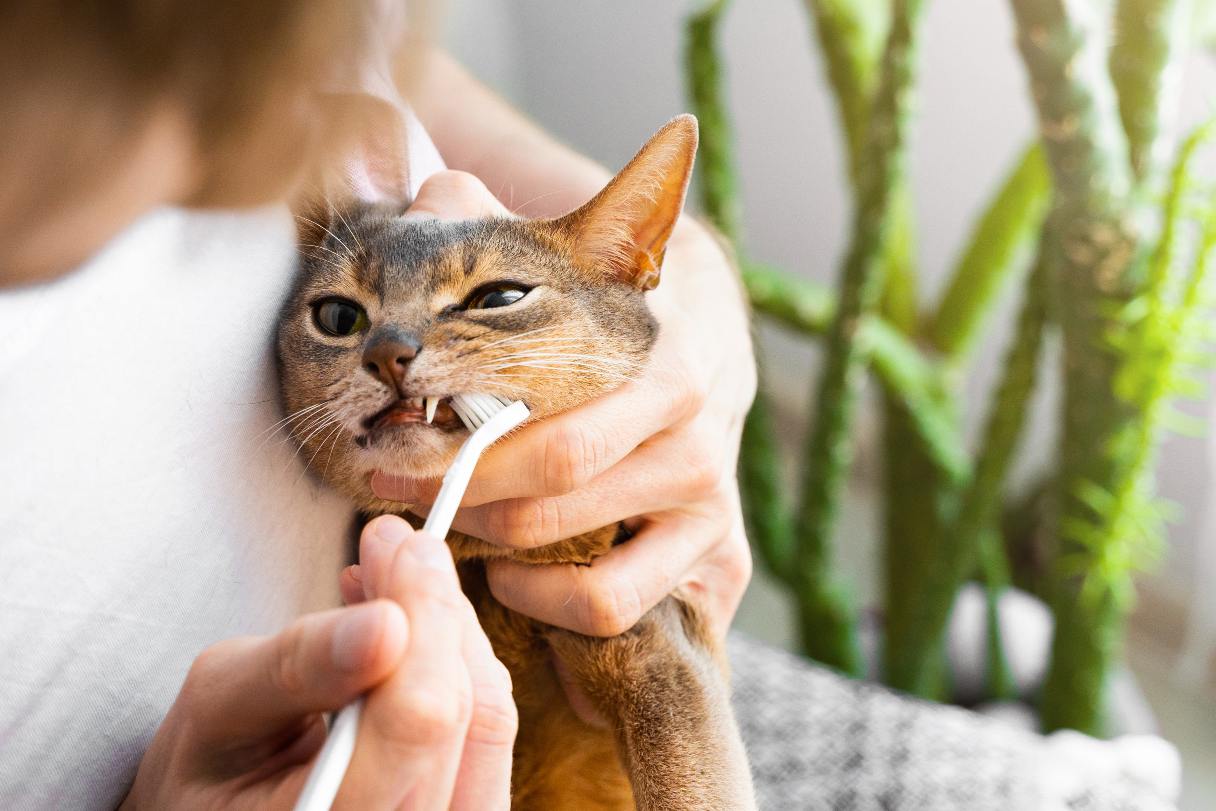
Credit: www.carecredit.com
Frequently Asked Questions
How Do I Know If My Cat Has Dental Problems?
Watch for signs like bad breath, drooling, red or bleeding gums, dropping food, or pawing at the mouth. If you notice these, visit your vet for a dental checkup.
What If My Cat Hates All Toothpaste Flavors?
Try different brands and flavors—chicken, seafood, and malt are common. If your cat refuses all, brushing with just water is better than nothing, but toothpaste is more effective.
At What Age Should I Start Brushing My Cat’s Teeth?
Start as early as possible—kittens can be taught from 8 weeks old. But even older cats can learn with patience.
Can I Use Baking Soda Or Coconut Oil Instead Of Toothpaste?
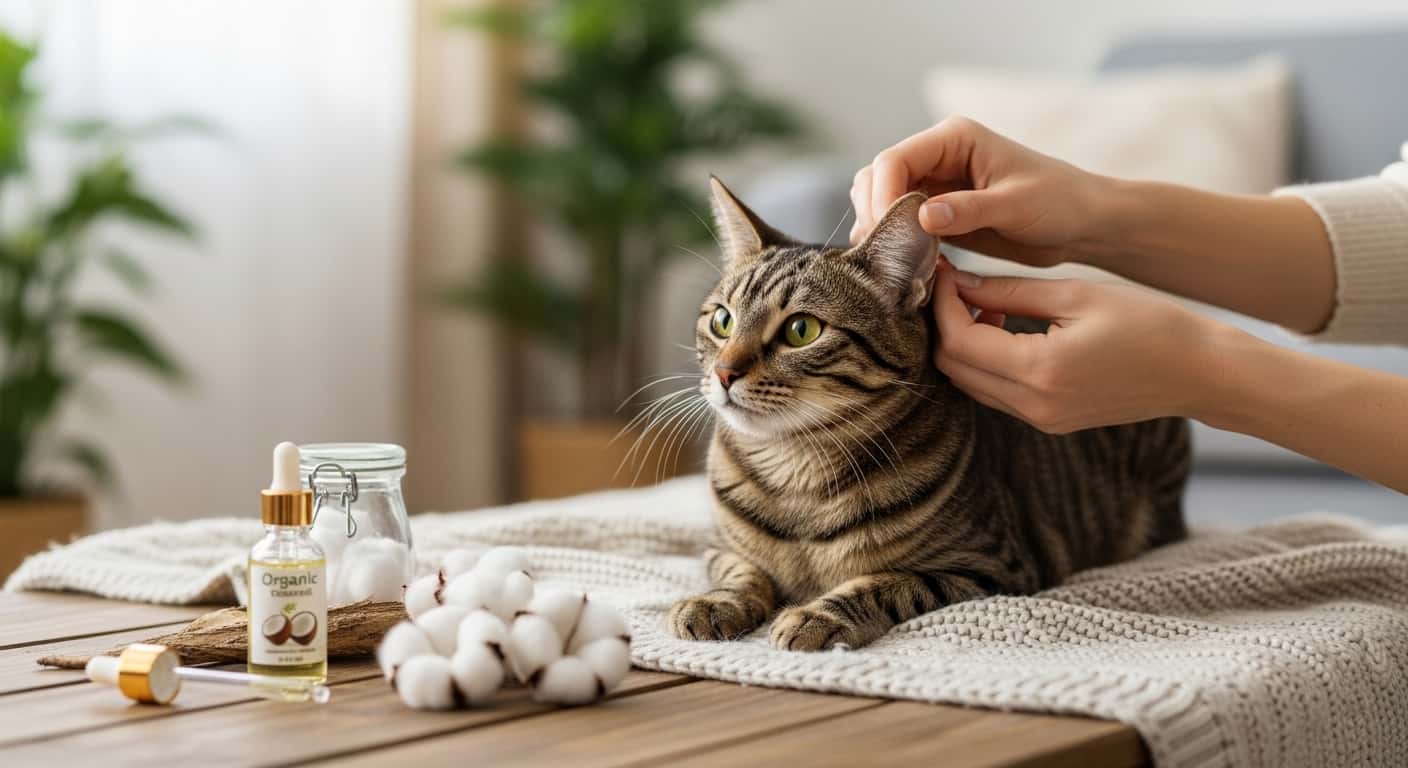
No, both baking soda and coconut oil are not proven safe or effective for cats. Baking soda can upset their stomach, and coconut oil offers little plaque control.
Do All Cats Need Their Teeth Brushed?
Yes, all cats benefit from brushing, regardless of age or diet. Cats eating only dry food still get plaque and tartar buildup.
Caring for your cat’s teeth isn’t just about fresh breath—it helps prevent pain, tooth loss, and serious health problems. The key is patience and the right technique. Start slow, use only safe products, and make brushing a positive routine. If brushing never works, remember there are alternatives to help your cat stay healthy. For more in-depth information on feline dental care and alternative methods, check out the American Veterinary Medical Association’s guide.
With time and gentle practice, most cats can learn to accept tooth brushing, improving their health for years to come.
**As an Amazon Associate, I earn from qualifying purchases.**