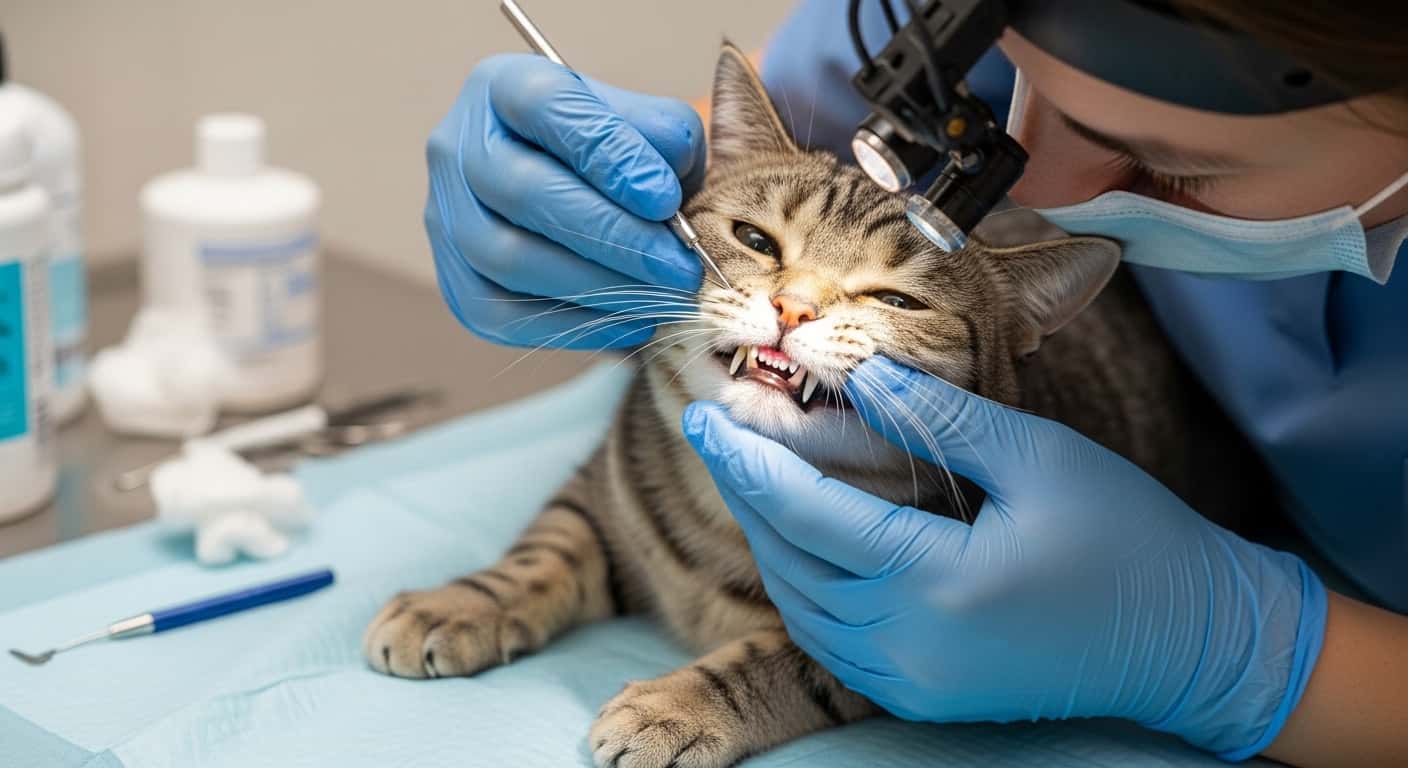
Cat gum disease can cause pain, bad breath, and even tooth loss, but the good news is this condition can often be treated—and even reversed—if caught early. The right treatment depends on how far the gum disease has progressed. Early-stage gum disease responds well to home care, while advanced stages need professional help.
Understanding the different stages and what you can do at each point is the key to keeping your cat’s mouth healthy and pain-free.
Stage 1 — Gingivitis Treatment (reversible With Home Care)
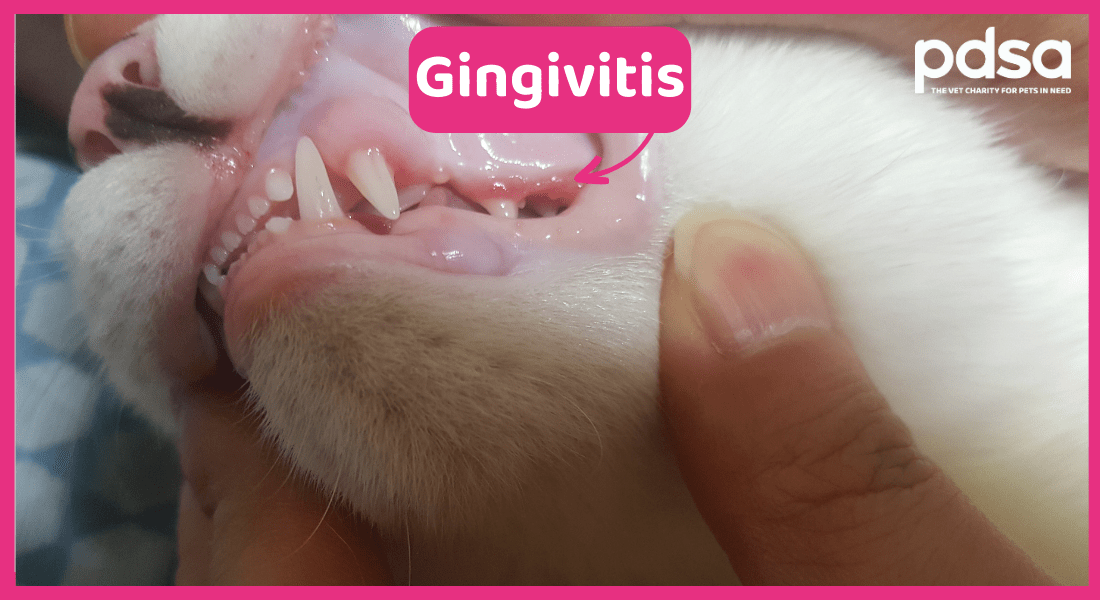
Gingivitis is the earliest form of gum disease in cats. You may notice red or swollen gums, mild bad breath, or a little bleeding during eating. The good news: gingivitis is completely reversible if you act quickly.
At this stage, plaque (a sticky film of bacteria) is irritating the gums but has not yet damaged the deeper tissues. You can often treat gingivitis at home with daily brushing, special dental diets, and products recommended by your vet. Brushing your cat’s teeth removes plaque and can stop gingivitis from getting worse. Use a toothbrush made for cats and a pet-safe toothpaste (never use human toothpaste).
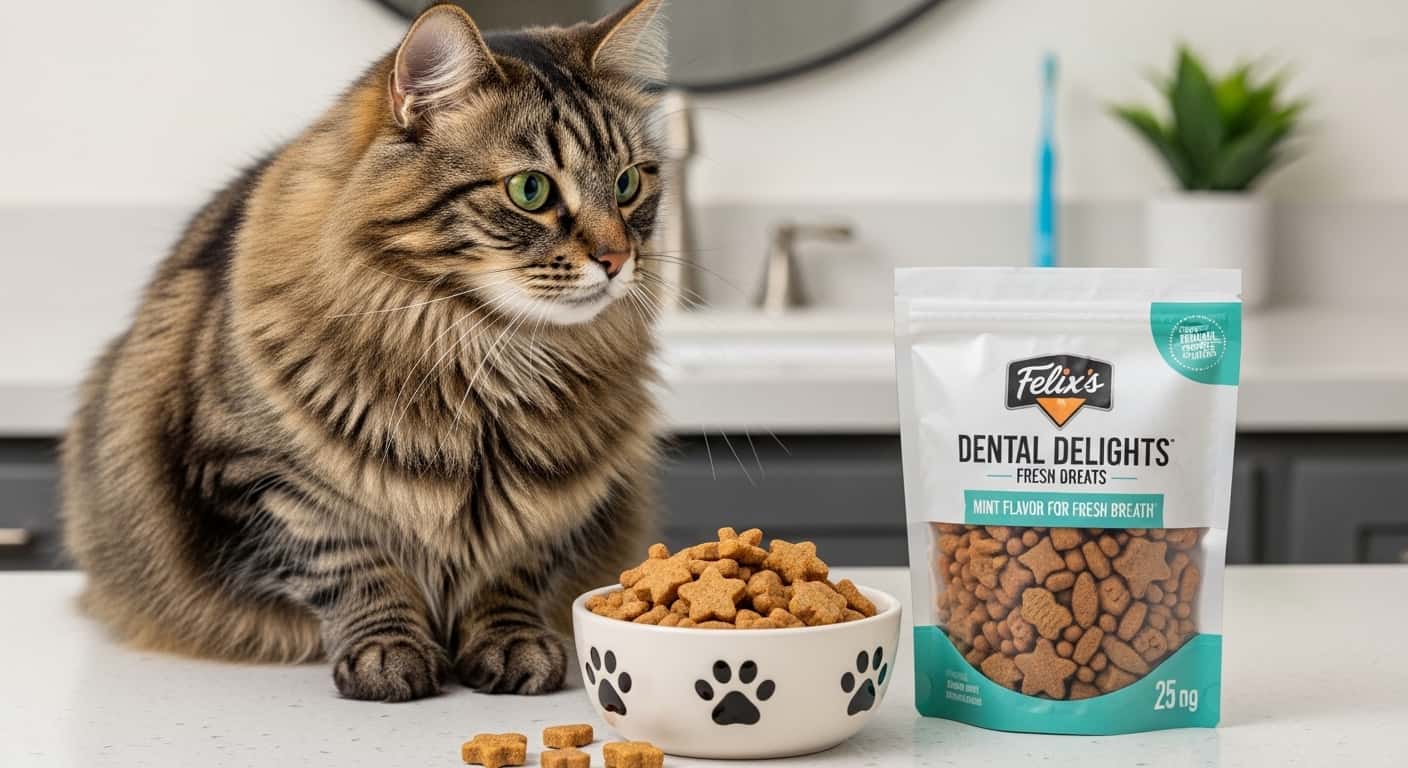
Besides brushing, feeding your cat a dental diet or using dental treats can help clean their teeth as they eat. Look for products with the Veterinary Oral Health Council (VOHC) seal. Some cats resist brushing, but gentle daily attempts often get them used to the process over time. Remember, catching gum disease at this stage means your cat can avoid pain and expensive dental work later.
Stage 2–3 — Professional Cleaning Under Anaesthetic
If gingivitis isn’t treated, gum disease progresses to periodontitis (stages 2 and 3). Here, bacteria damage the gums and the structures that hold teeth in place. You may notice more severe bad breath, drooling, decreased appetite, or your cat pawing at their mouth.
At this point, home care alone is not enough. A professional dental cleaning under general anesthesia is needed. This allows the vet to thoroughly clean above and below the gum line, where bacteria and tartar hide. Most cats tolerate this procedure well, and it can save teeth that might otherwise be lost.
Early periodontitis (stage 2) usually means some loss of gum attachment, but the teeth are still stable. Moderate periodontitis (stage 3) means the gums and supporting tissue are more seriously damaged, and tooth roots may begin to show. The vet may take dental x-rays to see how deep the damage goes.
Regular professional cleaning at this stage is important. Skipping treatment can lead to abscesses, tooth loss, and pain. After cleaning, your vet will recommend a home care routine to slow down the disease.

Credit: mainelyvetdentistry.com
Stage 4 — Advanced Treatment And Extractions
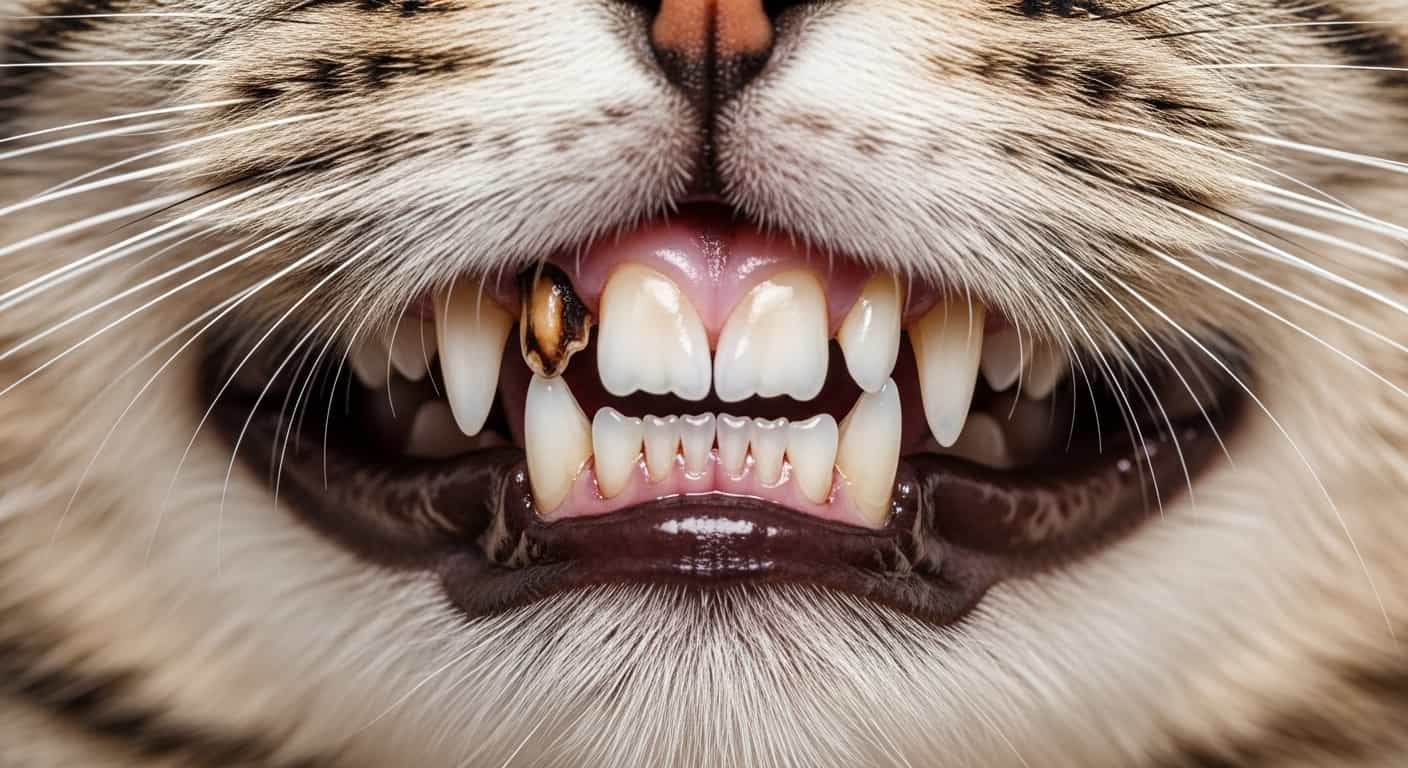
Stage 4 gum disease means severe periodontitis. At this point, the gums have receded, bone is lost, and teeth are loose, infected, or broken. Symptoms are often obvious: severe pain, refusal to eat, heavy drooling, and sometimes pus around the gums.
Treatment now goes beyond cleaning. The vet will likely need to extract (remove) affected teeth. This may sound drastic, but most cats feel much better after painful teeth are gone. Infected teeth can cause ongoing pain, spread bacteria to other organs, and make eating difficult.
Some cats need several teeth removed, especially if they have a condition called stomatitis, where the immune system attacks the mouth. Recovery from extractions usually takes 1–2 weeks. Most cats adapt well, even if many teeth are removed, and can still eat soft food or small dry kibble.
Advanced gum disease cannot be reversed, but treatment can relieve pain, stop infection, and improve quality of life. Regular check-ups are key to catching problems before they reach this stage.
Home Care Treatments That Help
Keeping your cat’s mouth healthy starts at home. Several treatments can help slow or stop gum disease, especially when used together.
Chlorhexidine Gel And Rinse
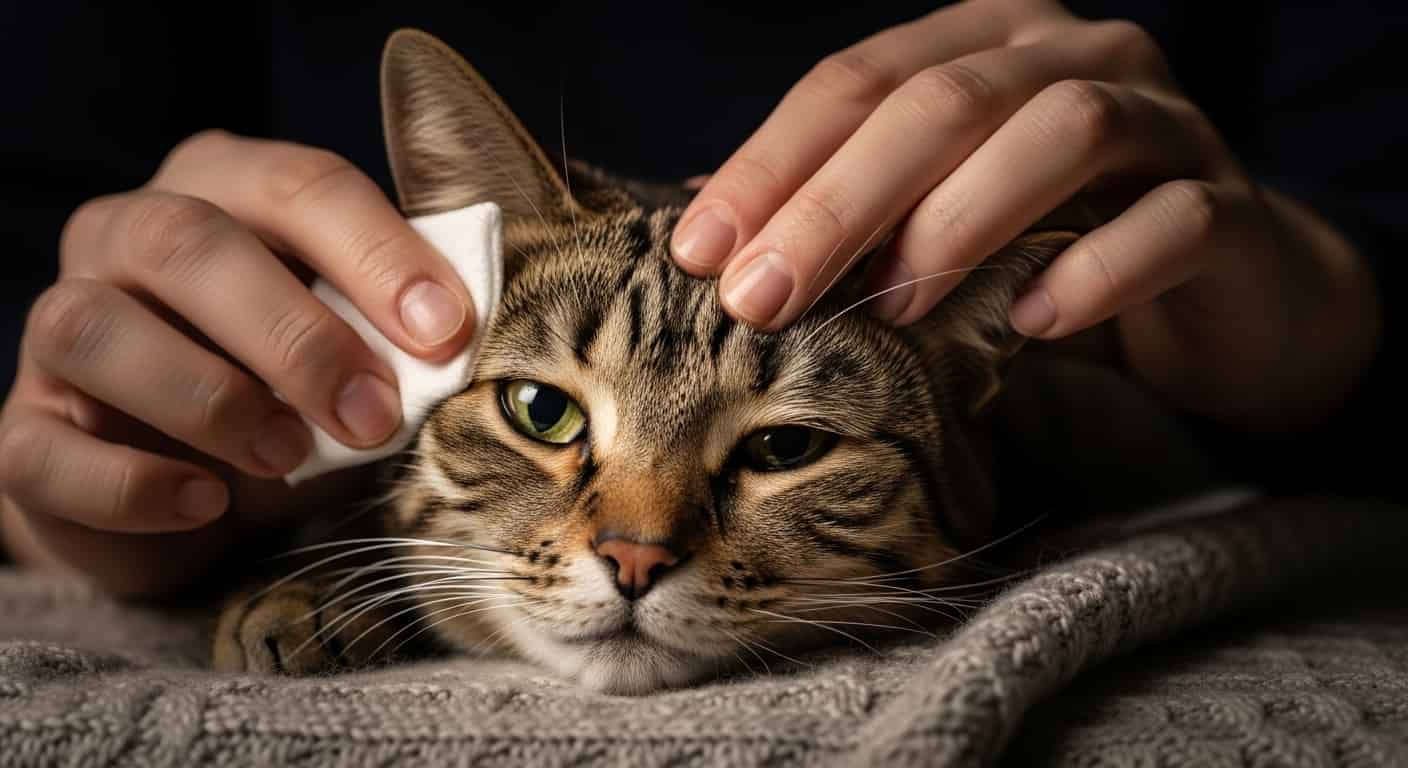
Chlorhexidine is an antiseptic that kills bacteria in the mouth. It comes as a gel or rinse that you can apply to your cat’s gums (ask your vet for the best way). Using chlorhexidine can reduce plaque and slow gum disease, especially in cats who dislike brushing. It is safe when used as directed, but overuse can cause irritation—always follow your vet’s instructions.
Dental Water Additives
Dental water additives are liquids you add to your cat’s drinking water. They can reduce bacteria, freshen breath, and make plaque less sticky. These products are not a replacement for brushing or professional cleaning, but they are a helpful extra step for cats who resist other treatments. Choose products with the VOHC seal for proven effectiveness.
Prescription Dental Diets
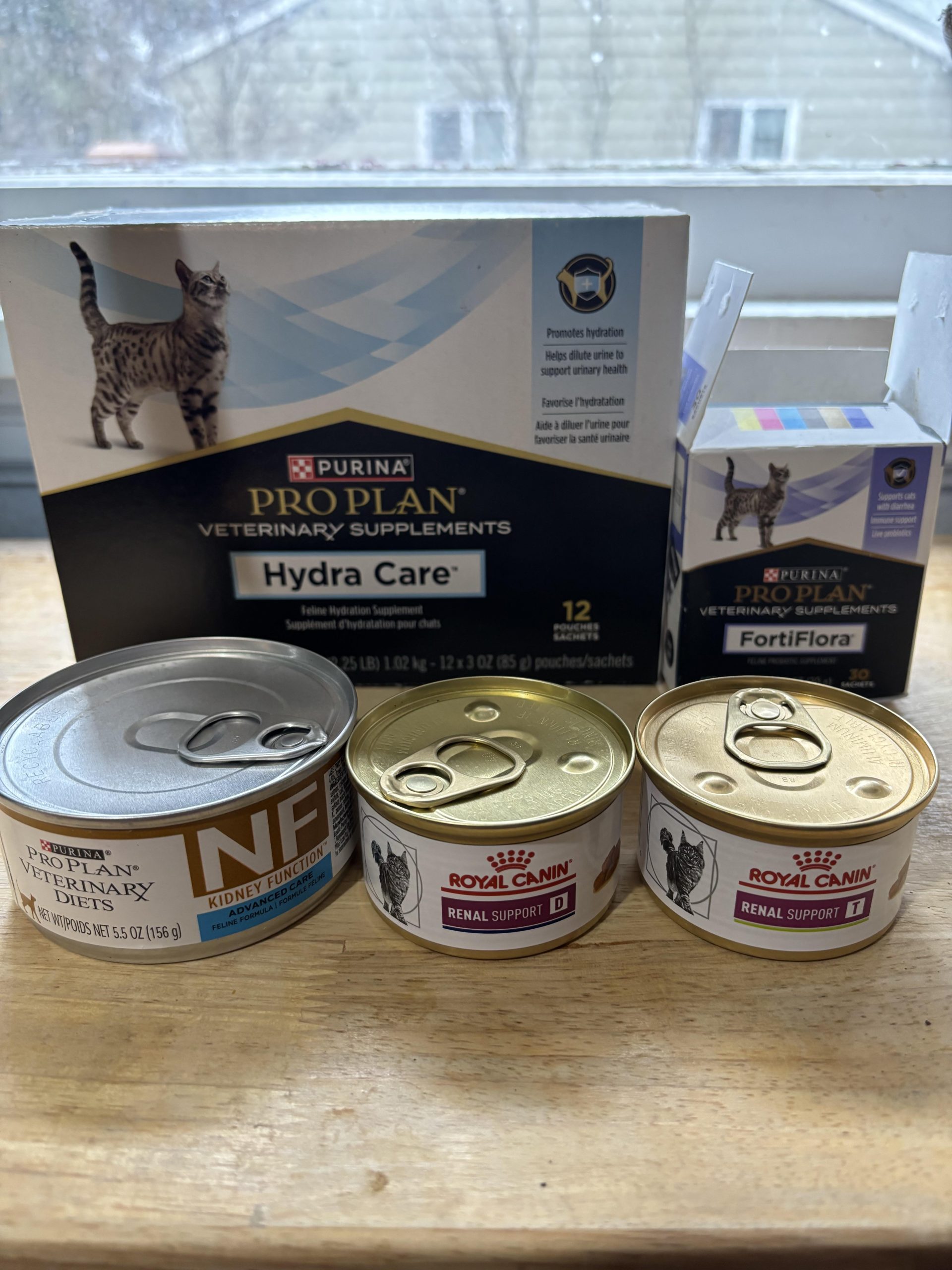
Some prescription diets are designed to scrub the teeth as your cat chews. These foods have a special texture and ingredients that help reduce plaque and tartar. They are especially useful for cats who won’t let you brush their teeth. Your vet can recommend a diet that fits your cat’s needs. Mixing dental food with regular food is usually fine, but always check with your vet first.

Credit: cinemaximiliaan.org
What Happens During A Professional Cat Dental Clean?
A professional dental cleaning is more than just a “teeth cleaning.” It is a multi-step process that requires anesthesia for your cat’s safety and comfort. Here is what usually happens:
- Examination and bloodwork: Before anesthesia, your vet checks your cat’s health and may run blood tests to make sure it is safe.
- Anesthesia: Your cat is carefully anesthetized so the mouth can be cleaned thoroughly and painlessly.
- Dental x-rays: The vet may take x-rays to check for hidden problems below the gum line.
- Scaling: Special tools remove plaque and tartar from above and below the gums.
- Polishing: Teeth are polished to make it harder for plaque to stick.
- Examination: Each tooth is checked for damage, infection, or looseness.
- Extractions: If teeth are too damaged, they are removed.
- Recovery: Your cat wakes up in a safe, warm area.
Here is a simple comparison of home care versus professional cleaning:
| Aspect | Home Care | Professional Cleaning |
|---|---|---|
| Depth of Cleaning | Surface only | Above and below gum line |
| Pain Control | No anesthesia | General anesthesia |
| Tooth Extractions | Not possible | Possible if needed |
| Frequency | Daily/weekly | Every 6–12 months |
Professional cleanings are crucial for cats with gum disease, as they remove bacteria your cat cannot reach at home.
Recovery After Cat Dental Treatment
Most cats recover quickly after a dental cleaning or tooth extraction. You may notice your cat is sleepy, has a small appetite, or drools for a day or two—these are normal after anesthesia. The vet may prescribe pain medication or antibiotics if extractions were done.
Here’s what you can do to help your cat recover:
- Keep your cat indoors and quiet for 24–48 hours.
- Offer soft food if teeth were removed.
- Give all prescribed medications as directed.
- Watch for bleeding, refusal to eat, or continued pain, and contact your vet if you notice these.
Most cats return to normal eating and behavior within a few days. If your cat had many teeth removed, you might need to feed soft food for longer, but most cats learn to eat with fewer teeth. Always follow your vet’s advice for the best recovery.
Credit: www.pdsa.org.uk
Can Cat Gum Disease Be Cured?
Early gum disease (gingivitis) can be cured if you act fast. With daily home care and professional help, gums can return to normal. However, advanced periodontitis cannot be reversed. Lost bone and gum tissue will not grow back, and extractions are often needed.
The goal at any stage is to stop the disease from getting worse and keep your cat comfortable. If your cat loses teeth, they can still live a happy life. Many cats with few or no teeth eat well and feel better than before treatment.
One insight many cat owners miss: gum disease is not just about teeth—it can affect the whole body. Untreated dental disease can cause bacteria to travel to the heart, kidneys, or liver, leading to other health problems. Timely treatment can prevent these serious complications.
Prevention — Stopping Gum Disease Before It Starts
The best way to protect your cat is preventing gum disease. Start dental care early, before problems appear. Prevention works best with a combination of steps:
- Daily tooth brushing: This is the gold standard. Start slow and use positive rewards.
- Dental treats or diets: Choose those with VOHC approval for proven results.
- Regular vet checks: Annual dental exams catch problems early.
- Water additives or gels: Use as an extra layer of defense.
- Monitor for signs: Bad breath, drooling, or gum changes mean it’s time for a vet visit.
Here is a quick look at the difference between prevention and treatment:
| Approach | Goal | Tools Used | Outcome |
|---|---|---|---|
| Prevention | Stop disease before it starts | Brushing, dental diets, regular checks | Healthy gums, no pain |
| Treatment | Control or reverse disease | Cleaning, extractions, medication | Pain relief, disease control |
Surprisingly, many cat owners believe dental care is only for older cats. In reality, starting young makes home care much easier and can prevent most dental problems.
Frequently Asked Questions
What Are The Early Signs Of Gum Disease In Cats?
Early signs include bad breath, red or swollen gums, mild bleeding during eating, and sometimes drooling. Your cat may also be less interested in chewing toys or dry food. These changes are easy to miss, so regular checks are important.
How Often Should My Cat Get Professional Dental Cleaning?
Most cats need a professional dental cleaning every 1–2 years, but some may need it more often if they are prone to dental problems. Your vet can recommend the right schedule based on your cat’s age, breed, and dental health.
Is Anesthesia Safe For My Cat During Dental Cleaning?
Modern anesthesia is very safe for most cats. Vets use blood tests and monitoring to reduce risks. The benefits of a thorough cleaning outweigh the small risks for most cats, especially when there is disease present.
Can I Use Human Toothpaste For My Cat?
No, never use human toothpaste on cats. It often contains ingredients like fluoride or xylitol that are toxic to cats. Always use a toothpaste made for pets, which is safe if swallowed.
Are There Any New Treatments For Cat Gum Disease?
Some new options include oral gels, immune-modulating drugs, and laser therapy. Research is ongoing, and your vet can advise you about the latest advances. For more information, visit the American Veterinary Dental College.
Cat gum disease can be a challenge, but with the right treatment at each stage, most cats can live pain-free, happy lives. Early action, regular care, and working closely with your vet are the keys to a healthy mouth. Every step you take now can save your cat from pain and costly dental problems in the future.
**As an Amazon Associate, I earn from qualifying purchases.**