Cats are experts at hiding pain—even serious health problems like tooth decay. Many cat owners never realize their pet has a dental issue until it’s quite advanced. That’s why understanding the signs of cat tooth decay is so important. If you know what to watch for, you can catch problems early and help your cat avoid pain, infection, and even life-threatening complications. This guide explains what tooth decay looks like in cats, the key symptoms to notice, and how to check your cat’s teeth at home.
What Does Tooth Decay Look Like In Cats?
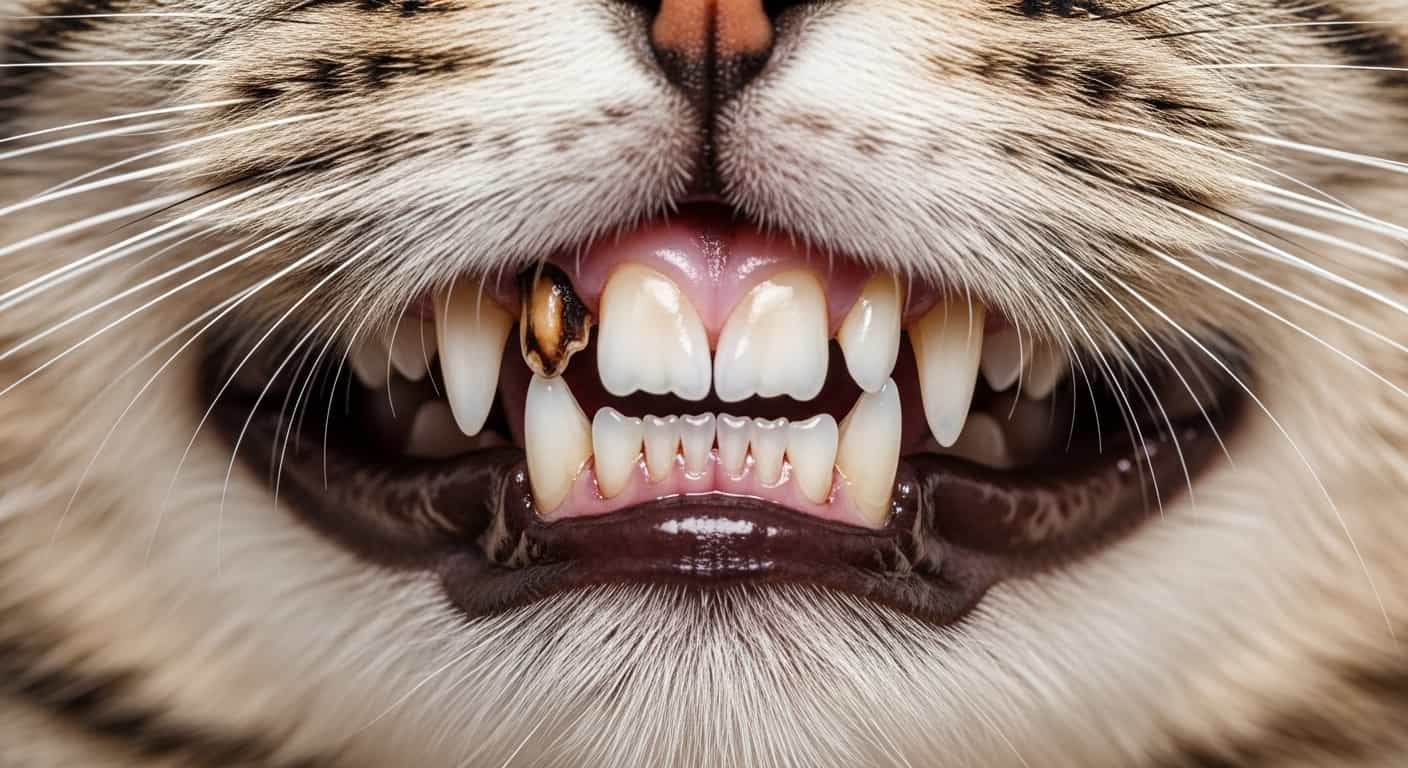
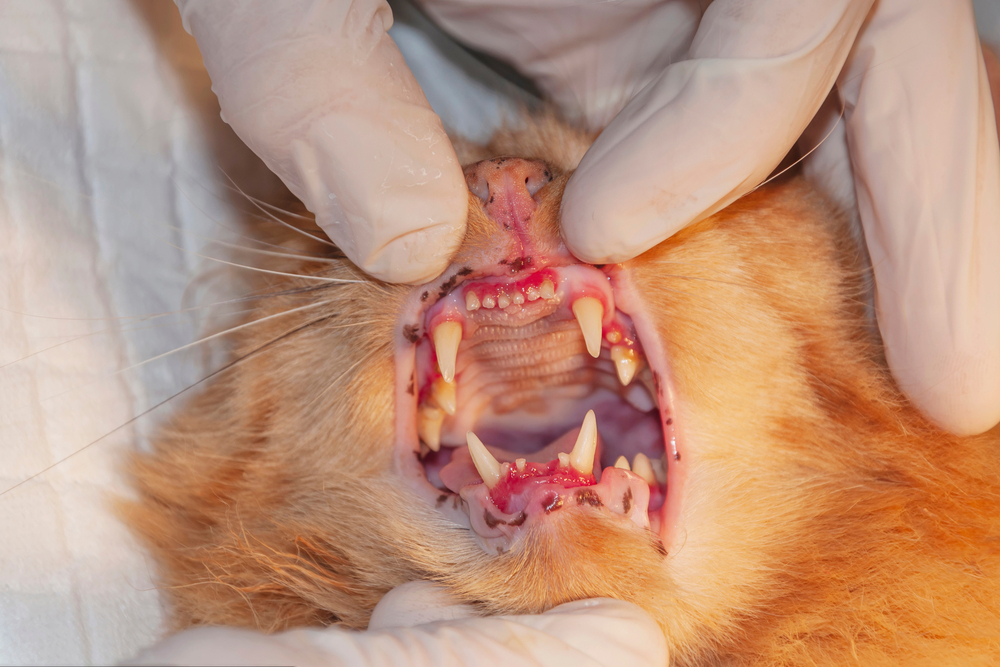
Tooth decay in cats doesn’t always look like you might expect. The most visible sign is a red, swollen gum area near a tooth. Sometimes you might see a small hole or dark spot on the tooth surface. In advanced cases, the tooth may appear broken, loose, or even missing.
But often, the damage is under the gumline, out of sight. For this reason, cats can have severe dental disease with almost no obvious changes in the mouth. Some cats develop tooth resorption, where the tooth is slowly dissolved by the body. This process can affect any tooth but is most common in the back teeth.
If you gently lift your cat’s lip, look for:
- Red or inflamed gums
- Brown or yellow buildup on teeth (tartar)
- Bleeding at the gumline
- Broken or missing teeth
- Visible holes or pits in the teeth
Don’t worry if you can’t see all your cat’s teeth—some decay hides beneath the gums or inside the tooth.
Signs Of Tooth Decay — Symptoms Checklist
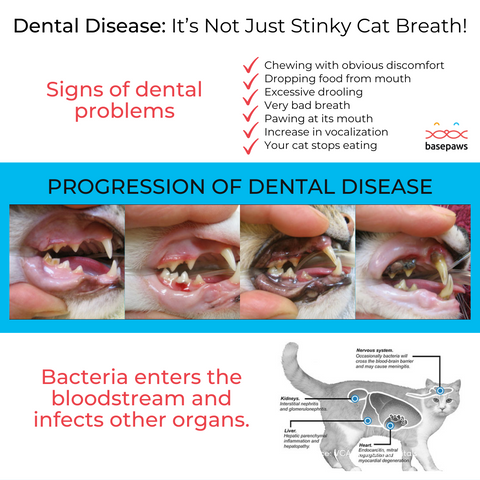
Cats rarely show obvious pain. Instead, they change their behavior. Here’s a checklist of common signs of tooth decay in cats:
- Bad breath — A strong, unpleasant odor is often the first sign.
- Drooling — Saliva may be tinged with blood.
- Difficulty eating — Your cat may drop food or chew on one side.
- Reduced appetite — Cats may seem hungry but leave food untouched.
- Pawing at the mouth — This shows discomfort or pain.
- Chattering or grinding teeth — Unusual noises while eating.
- Weight loss — Long-term eating problems lead to weight drop.
- Swelling around the jaw or face — Can signal infection.
- Withdrawal or hiding — Cats avoid interaction when in pain.
- Changes in grooming — Less grooming, messy fur, or saliva stains.
Not every cat will show all these signs. Sometimes, the only clue is subtle—like eating more slowly or not playing with toys.
Tooth Resorption (forl) — The Most Common Cat Dental Problem
One of the most misunderstood problems in cat dental health is tooth resorption (also called FORL: Feline Odontoclastic Resorptive Lesion). Over 70% of cats over age 5 develop at least one resorptive lesion. In tooth resorption, the body’s own cells break down the tooth structure, starting at the root or gumline.
Early signs are hard to spot. The gum may look red or raised next to a tooth, or you might see a small pink spot. As the condition worsens, the tooth can fracture, exposing sensitive tissue and causing severe pain.
Here’s how tooth resorption compares to other dental issues in cats:
| Dental Problem | Main Feature | Pain Level | Visible? |
|---|---|---|---|
| Tooth Resorption | Tooth dissolves from inside out | Severe | Sometimes hidden |
| Tooth Decay (Cavity) | Loss of outer enamel | Moderate to severe | Usually visible |
| Gingivitis | Gum inflammation | Mild to moderate | Visible as redness |
A key insight: Tooth resorption is not caused by bacteria or sugar, unlike human cavities. It’s a process unique to cats.
Cat Cavities Vs Tooth Resorption — What Is The Difference?
It’s easy to confuse cavities (caries) with tooth resorption, but they’re not the same. Cavities in cats are rare, while resorption is very common.
- Cavity (caries): Caused by bacteria, food, and acids breaking down the enamel. Most common in humans and dogs.
- Tooth resorption: The cat’s immune system destroys tooth material. Often starts below the gumline.
Here’s a quick comparison:
| Feature | Cavity | Tooth Resorption |
|---|---|---|
| Cause | Bacteria, food acids | Body’s immune response |
| Appearance | Dark hole or pit | Pink spot, gum overgrowth |
| Location | Crown of tooth | Gumline or root |
| Treatment | Filling or extraction | Extraction only |
Most cases of “cat cavities” are actually tooth resorption. This is why dental X-rays are so important—many lesions hide below the gum.
Credit: wellnessanimalhospital.com
How To Check Your Cat’s Teeth At Home
You don’t need to be a vet to spot dental problems early. Here’s how to check your cat’s teeth safely at home:
- Choose a calm moment — Try after a meal or nap.
- Lift the lips gently — Use your thumb and finger to reveal the teeth and gums.
- Look for redness, swelling, or brown buildup — These are early signs.
- Check for broken teeth or holes — Even small changes matter.
- Notice any pain reactions — If your cat pulls away, cries, or won’t let you look, that’s a warning sign.
Tip: Use a soft, calm voice. Give treats before and after to build positive associations.
A common mistake is to force your cat’s mouth open. This can stress them and cause injury. If your cat resists, try again another day or ask your vet to check during a routine visit.
What Happens If Tooth Decay Is Left Untreated?
Untreated tooth decay in cats can lead to serious health problems. The pain may cause your cat to stop eating, lose weight, and become withdrawn. Infections can spread from the mouth to the jawbone, sinuses, or even the heart and kidneys.
Advanced dental disease can cause:
- Abscesses (painful pus pockets)
- Facial swelling
- Tooth loss
- Bone infection (osteomyelitis)
- Organ damage (from bacteria entering the bloodstream)
Some cats develop a condition called feline chronic gingivostomatitis—a painful inflammation of the mouth and throat.
Early treatment prevents these complications and helps your cat live a happier, longer life.
Credit: bilyanagolf.ru
Diagnosis And Treatment At The Vet
If you see any signs of dental trouble, a vet visit is essential. Your vet will:
- Examine the mouth for visible lesions, swelling, or odor
- Take dental X-rays to check below the gums
- Recommend blood tests if infection is suspected
Treatment depends on the problem:
- Professional cleaning under anesthesia removes plaque and tartar.
- Tooth extraction is needed for severe decay or tooth resorption.
- Pain relief and antibiotics may be prescribed.
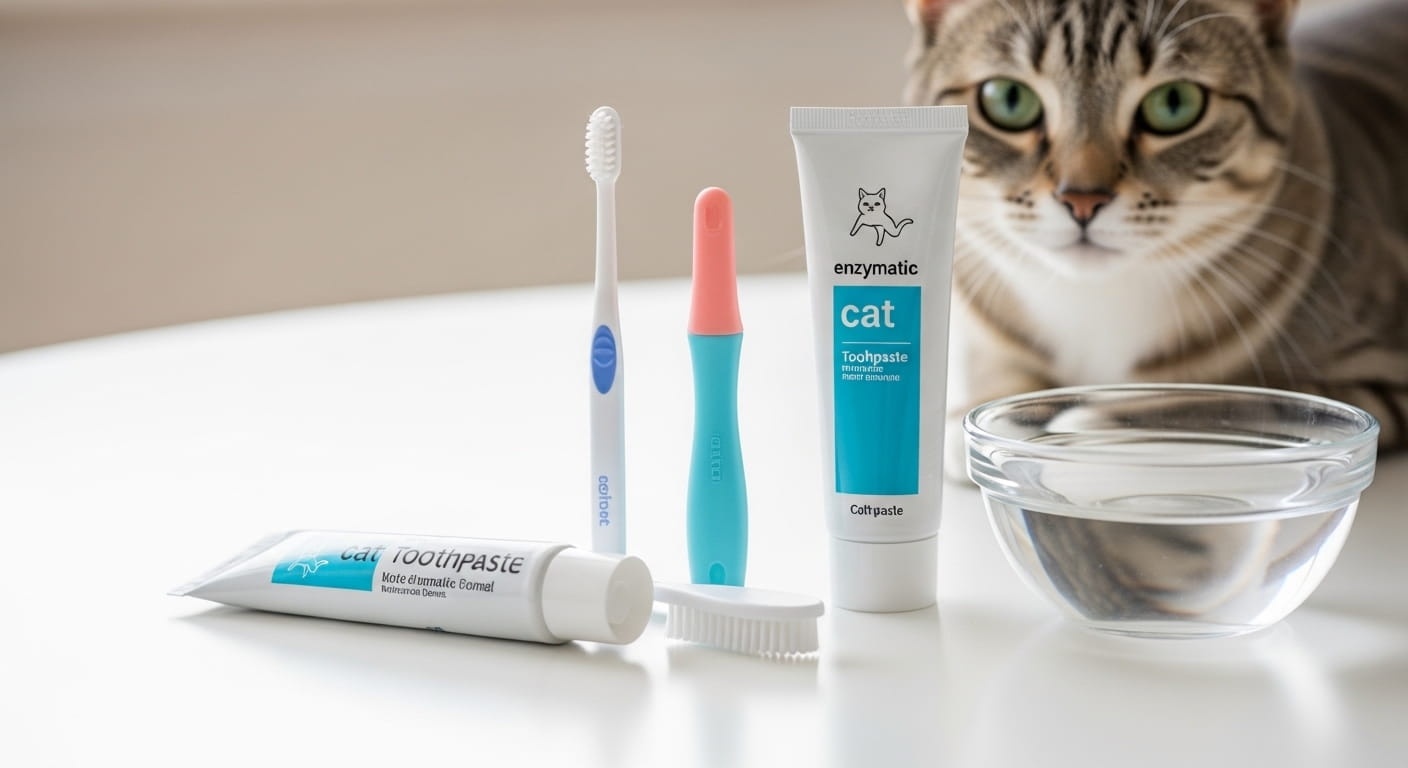
- Dental diets or rinses can help prevent future issues.
Vets use special tools to assess the health of each tooth. Many clinics now offer digital dental X-rays, which show problems hidden under the gums. For more on cat dental care, see the American Veterinary Dental College’s recommendations: AVDC Cat Dental Disease Guide.
Frequently Asked Questions
What Age Do Cats Usually Get Tooth Decay?
Tooth decay and resorption can start as early as age 3, but risk increases with age. By age 5, over half of cats show dental disease.
Can I Prevent Tooth Decay In My Cat?
You can reduce risk by brushing your cat’s teeth, offering dental treats, and scheduling regular vet cleanings. Some breeds are more prone to dental issues.
Is Tooth Decay In Cats Painful?
Yes, even mild decay or resorption can cause significant pain. Cats rarely show obvious signs, so watch for subtle behavior changes.
How Often Should My Cat’s Teeth Be Checked?
At least once a year by your vet, and monthly at home. Older cats or those with known dental problems may need more frequent checks.
Will My Cat Need Anesthesia For Dental Treatment?
Yes, anesthesia is needed for a full dental cleaning and X-rays. This keeps your cat safe and allows the vet to examine every tooth thoroughly.
Catching cat tooth decay early makes all the difference. Regular checks, knowing the signs, and acting fast if you notice problems will help your cat avoid pain and serious illness. Your cat may not tell you when something is wrong, but with a careful eye and good dental care, you can protect their health for years to come.

Credit: abvc.ae
**As an Amazon Associate, I earn from qualifying purchases.**