
Every week brings something new when you’re caring for a kitten. One moment, they’re tiny and helpless, unable to see or walk. Soon, their eyes open, they wobble around, and they’re curious about everything. Each stage in a kitten’s development brings unique changes, from physical growth to emotional and social learning.
Knowing what to expect helps you nurture your kitten into a healthy, happy cat—and spot any problems early.
If you’re raising kittens, or just curious about how these tiny felines grow, this guide walks you through the key kitten development stages week by week. We’ll look at how they change, what to watch for, and how you can support them at every step.
Neonatal Stage (0–2 Weeks) — Helpless And Dependent
The neonatal stage covers a kitten’s first two weeks of life. At this time, kittens are almost completely helpless. They rely on their mother (or a human caregiver) for everything: warmth, food, cleaning, and even help with basic bodily functions.
Kittens are born with their eyes and ears sealed shut. They can’t see or hear, so they use their sense of smell and touch to find their mother. Their movements are limited to crawling and rooting around, mostly to find heat or a nipple.
They can’t regulate their body temperature, so being kept warm is critical. The mother licks their bellies and bottoms to stimulate urination and defecation, as kittens can’t do this on their own yet.
During this stage, a kitten’s main activities are sleeping and nursing. They feed every 2–3 hours, gaining about 10–15 grams per day. Growth is rapid but subtle to the eye—by the end of week two, a healthy kitten typically doubles its birth weight.
If the mother isn’t present, kittens need to be bottle-fed with special kitten formula (never cow’s milk) and kept at a steady, warm temperature. The environment should be clean and quiet, as stress can quickly affect their health.
Non-obvious insight: Even a slight chill or missed feeding can be life-threatening during this period. Many beginners don’t realize how fragile kittens are at this age—sudden drops in body temperature can quickly lead to hypoglycemia (low blood sugar) and death.
Another tip: Kittens’ immune systems are undeveloped at birth. They rely on antibodies from their mother’s first milk (colostrum) for protection against disease. If orphaned, they’re at higher risk of infection.
Transitional Stage (2–3 Weeks) — Eyes Open, First Steps
Around the start of the third week, kittens enter the transitional stage. This is a short but dramatic period. Their eyes begin to open (usually between days 7–14), and they become aware of their surroundings for the first time.
Kittens’ ears also open, and their sense of hearing develops rapidly. They start to react to sounds, voices, and movement. Their sight is blurry at first, but improves over the next weeks. Most kittens have blue eyes at this stage; their adult eye color appears later.
Their bodies grow stronger, and they attempt their first wobbly steps. Coordination is poor at first, but practice comes quickly. They start grooming themselves and may begin to interact with littermates, though play is still basic.
Feeding is still mainly from the mother or bottle, but the interval between feedings lengthens a little. Kittens will now begin to urinate and defecate on their own, though they may still need some stimulation.
At this stage, handling kittens gently every day helps them get used to human touch. This is important for socialization and reduces fearfulness later.
Non-obvious insight: Kittens’ vision develops in stages. At first, they can only see light and shadow, not details. Many caregivers are surprised when kittens seem startled by common objects—they’re just starting to process new sights.
Another tip: Eyes are very sensitive. If you notice discharge, swelling, or the eyes not opening by day 16, consult a vet. Early eye infections can cause permanent blindness if untreated.
Socialisation Stage (3–9 Weeks) — Learning To Be A Cat
The socialisation stage is one of the most important times in a kitten’s life. From week 3 to week 9, kittens learn how to be cats—how to interact, play, and respond to the world.
By week 3 or 4, kittens are walking, exploring, and playing with littermates. They begin to develop social skills through wrestling, chasing, and mock fights. These activities teach them bite inhibition, body language, and basic manners.
Human interaction is also key now. Gentle handling, exposure to different sounds, and positive experiences with people help kittens become friendly, well-adjusted adults. Kittens that are isolated or have negative experiences during this period may become fearful or aggressive.
Weaning from mother’s milk to solid food usually begins around week 4. At first, kittens may just lick or step in the food, but they quickly learn to eat on their own. This is a messy but exciting time!
Litter training starts now. Most kittens learn to use a litter box by watching their mother or with gentle encouragement. Accidents are common in the beginning, but patience pays off.
By week 6, kittens are highly active, climbing, running, and learning to groom themselves. This is also when their immune system matures enough to receive their first vaccinations.
Non-obvious insight: The socialisation window (weeks 3–9) is critical. Kittens exposed to a variety of gentle people, sounds, and experiences are less likely to develop behavioral problems. Missing this window can make socialization much harder later.
Another tip: Siblings teach each other important lessons. Separating kittens too early (before 8–9 weeks) can lead to behavior issues, such as aggression or poor social skills.
Juvenile Stage (3–6 Months) — Rapid Growth And Play
After 9 weeks, kittens enter the juvenile stage. This is a period of intense growth, exploration, and learning.
Kittens now look and act more like small cats. They’re energetic, playful, and curious about everything. Play becomes more complex—stalking, pouncing, and mock hunting are common. This is how kittens develop the skills they’ll use as adults, even if they’re indoor-only cats.
Physical changes are dramatic. Kittens’ bodies lengthen, muscles grow, and their coordination improves rapidly. Their baby teeth start to fall out around 3–4 months, replaced by adult teeth. Chewing increases, so provide safe toys to prevent biting on cords or furniture.
Nutrition is important now. Kittens need food designed for their age, as they require more calories and nutrients than adults. Feeding 3–4 small meals per day supports steady growth.
Social development continues. Kittens learn from their mother, siblings, and humans. They test boundaries, so gentle discipline and consistency are key. Scratching posts, climbing trees, and interactive toys help direct their energy in positive ways.
Veterinary care should include vaccinations, deworming, and a health check. Discuss plans for spaying or neutering—this is often done between 4–6 months, before sexual maturity.
Non-obvious insight: Many owners are surprised by “kitten crazies”—short bursts of extreme energy when kittens run, jump, and pounce on invisible targets. This is normal and healthy, but make sure your home is safe.
Another tip: Losing baby teeth can cause mild discomfort. Watch for drooling, chewing, or reluctance to eat hard food. Severe pain or bleeding isn’t normal—ask your vet if you’re concerned.
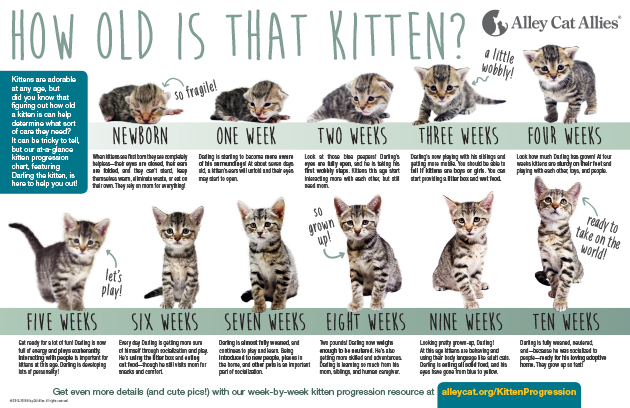
Credit: www.alleycat.org
Adolescent Stage (6–12 Months) — Sexual Maturity And Settling
The adolescent stage marks the transition from kittenhood to adulthood. Between 6–12 months, kittens reach sexual maturity and their personalities settle.
Growth slows, but kittens continue to fill out and build muscle. Many reach their full height by 9–12 months, though some breeds (like Maine Coons) grow for up to 3 years.
Behavior changes too. The wild play of earlier months gives way to more purposeful activity. Kittens become more independent, spending time alone or choosing specific people or pets to bond with. Territorial behaviors may appear, such as scent marking or defending favorite spots.
Sexual maturity usually occurs between 6–9 months. Unspayed females may go into heat, yowling and seeking mates, while unneutered males can start spraying and roaming. Early spay/neuter prevents these problems and reduces the risk of certain cancers.
Training is still important. Adolescents may test boundaries, so consistency helps prevent unwanted behaviors. Provide plenty of enrichment—climbing, hunting games, puzzle feeders—to keep their minds and bodies active.
Nutrition shifts toward adult needs around 9–12 months, though some kittens may benefit from kitten food a bit longer, especially larger breeds.
Non-obvious insight: Many owners expect kittens to settle down at 6 months, but adolescence often brings new challenges, like increased independence or territorial behavior. These changes are normal and usually pass with time and training.
Another tip: Some shy kittens blossom during adolescence, becoming more confident and social. Support their growth with gentle encouragement and positive experiences.
Development Milestone Chart
Understanding kitten development at a glance can help you track progress and spot problems early. Below is a chart summarizing key milestones by age.
| Age | Physical Development | Behavior | Feeding | Vet Action |
|---|---|---|---|---|
| 0–2 weeks | Eyes/ears closed, can’t regulate temperature | Sleep, nurse, crawl, need stimulation to eliminate | Mother’s milk or kitten formula every 2–3 hours | Check for birth defects, weigh daily |
| 2–3 weeks | Eyes/ears open, first steps | Start to interact, basic self-grooming | Milk/formula every 3–4 hours | Monitor eyes for infection, start gentle handling |
| 3–9 weeks | Rapid growth, improved coordination | Play, socialization, litter training | Begin weaning, introduce solid food | First vaccinations (6–8 weeks), deworming |
| 3–6 months | Baby teeth fall out, adult teeth emerge | Active play, hunting, boundary testing | Kitten food, 3–4 meals/day | Second vaccinations, discuss spay/neuter |
| 6–12 months | Sexual maturity, adult size (most breeds) | Settle into personality, independence | Transition to adult food (9–12 months) | Spay/neuter if not yet done, annual checkup |
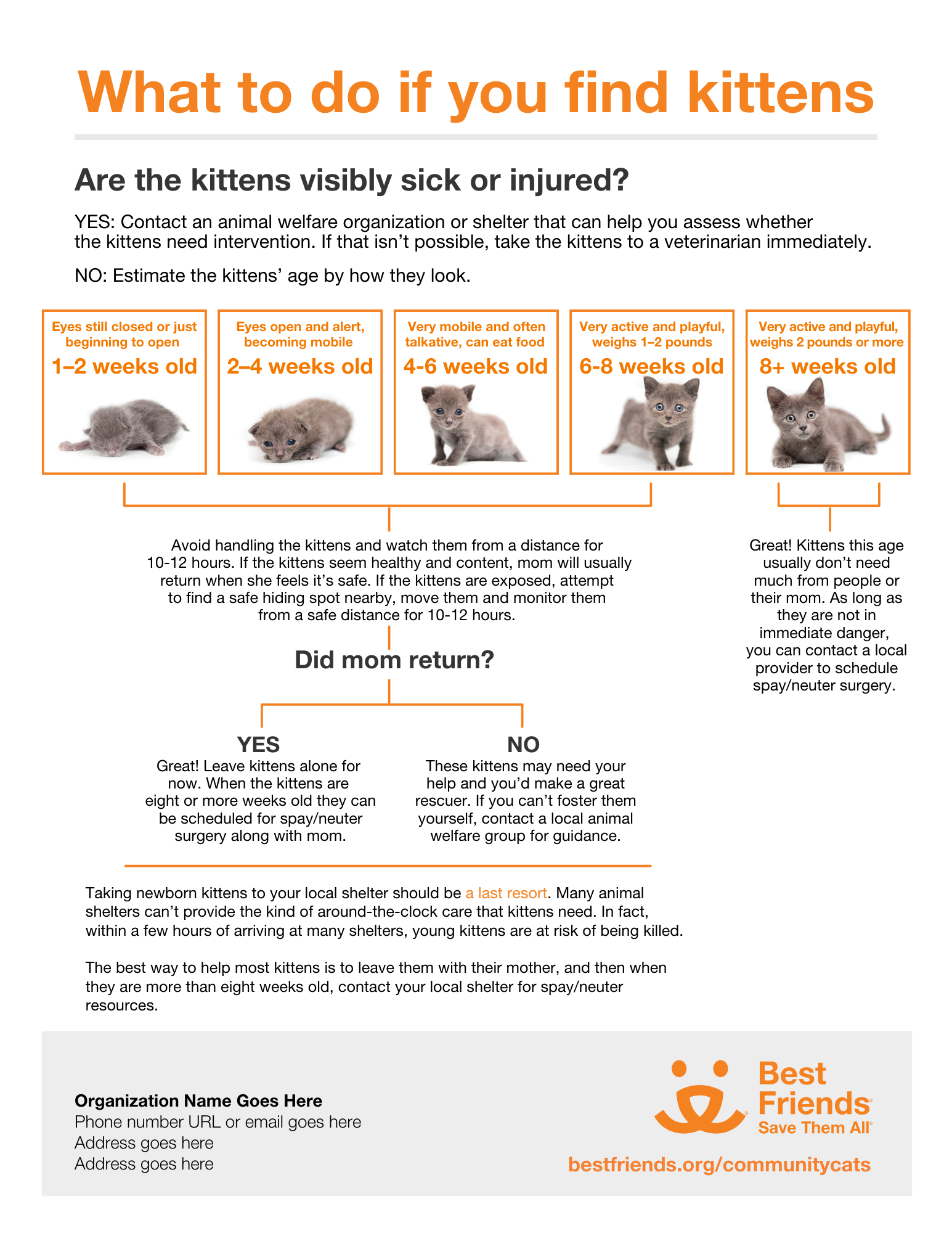
Credit: www.bibliotecaoscura.com
When Development Seems Delayed — What To Watch For
Most kittens follow a predictable path of development, but sometimes things don’t go as expected. Delays can signal health or developmental problems. Recognizing the signs early can make a huge difference.
Common signs of delay:
- Eyes not opening by day 16 or severe discharge
- No walking or attempts to stand by week 3
- Poor weight gain or weight loss (should double birth weight by 2 weeks)
- Not interested in solid food by week 5
- Not using litter box by week 7–8
- Still acting “kittenish” (overly dependent, clumsy) after 4 months
Possible causes:
- Malnutrition or poor-quality milk/formula
- Infections (respiratory, gastrointestinal, etc.)
- Congenital defects or neurological problems
- Parasites (worms, fleas, etc.)
- Lack of stimulation or socialization
If you suspect a delay, weigh kittens daily and keep detailed notes. A healthy kitten should gain at least 10–15 grams per day in the first weeks. Compare your kitten’s progress to the milestone chart above.
Red flags needing urgent vet care:
- Kittens are cold, limp, or won’t nurse
- Severe diarrhea, vomiting, or dehydration
- Persistent coughing, sneezing, or labored breathing
- Sudden behavior changes (lethargy, aggression)
Early intervention can often correct minor delays, especially with nutrition and care. But some conditions need medical treatment, so don’t wait if you’re worried.
| Delay Sign | What It Might Mean | What To Do |
|---|---|---|
| Eyes not open by day 16 | Possible infection or congenital problem | See a vet promptly |
| Poor weight gain | Malnutrition, illness, parasites | Check feeding, consult vet |
| No interest in play by week 4 | Neurological issue, illness | Observe, seek advice if persists |
| Not weaning by week 6 | Developmental delay, oral problem | Try different foods, consult vet |
Non-obvious insight: Many delays are caused by something simple, like not enough food or warmth. Checking the basics can solve the problem before it becomes serious.
Another tip: Social and behavioral delays can be harder to spot. If your kitten seems fearful, withdrawn, or unusually aggressive compared to littermates, start gentle socialization and ask your vet for advice.
Frequently Asked Questions
What Age Should Kittens Get Their First Vaccinations?
Kittens usually get their first vaccinations at 6–8 weeks of age. This protects them against common illnesses like feline distemper and upper respiratory infections. Boosters are given every 3–4 weeks until 16 weeks old. Always follow your vet’s schedule for best results.
When Should Kittens Be Weaned From Their Mother?
Weaning usually begins around 4 weeks and finishes by 8 weeks. During this time, kittens transition from mother’s milk (or formula) to eating solid food. It’s important to go slowly—start with a gruel of wet food and formula. Don’t separate kittens from their mother before 8–9 weeks if possible.
How Can I Tell If My Kitten Is Healthy?
A healthy kitten is active, curious, and steadily gaining weight. Eyes should be clear, ears clean, and fur soft. They should eat well, play, and use the litter box. Sudden changes in behavior, appetite, or activity can signal a problem—when in doubt, ask your vet.
When Is It Safe To Adopt Or Rehome A Kitten?
The best age to adopt or rehome a kitten is after 8–9 weeks. By then, they’ve learned important social and survival skills from their mother and siblings. Early removal can lead to behavior issues. Some shelters recommend waiting until 12 weeks for best results.
Where Can I Learn More About Kitten Care?
For more detailed information, visit the International Cat Care website. They offer expert advice on every aspect of kitten growth, health, and socialization.
As you guide your kitten through each stage, remember that every cat develops at its own pace. Some will grow quickly, others more slowly—but understanding the key milestones helps you provide the best care. With patience, love, and knowledge, you’ll help your kitten grow into a confident, healthy adult cat.
Watching them change each week is one of the joys of being a cat parent—and you’ll never forget the journey.
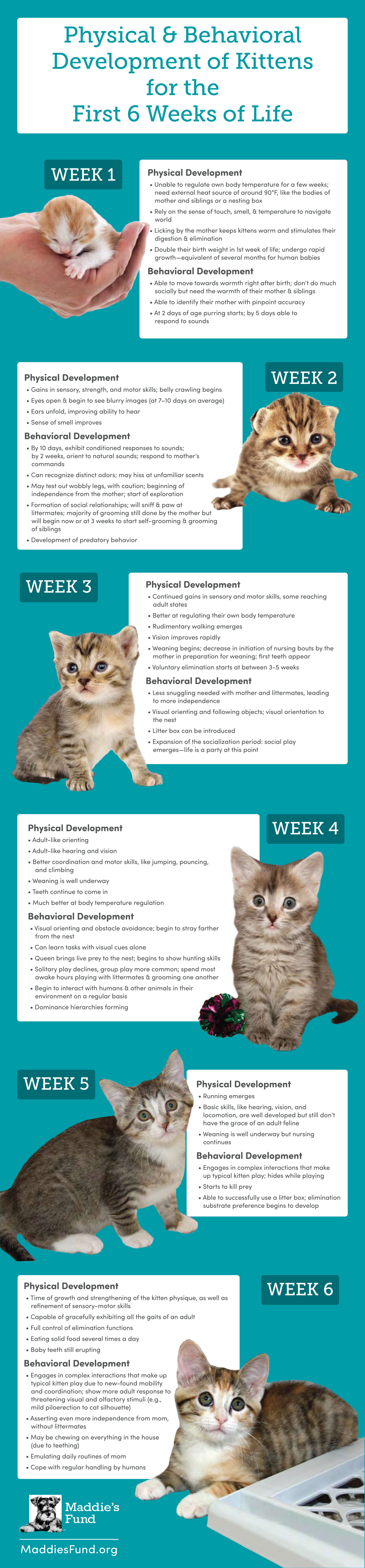
Credit: www.maddiesfund.org
**As an Amazon Associate, I earn from qualifying purchases.**