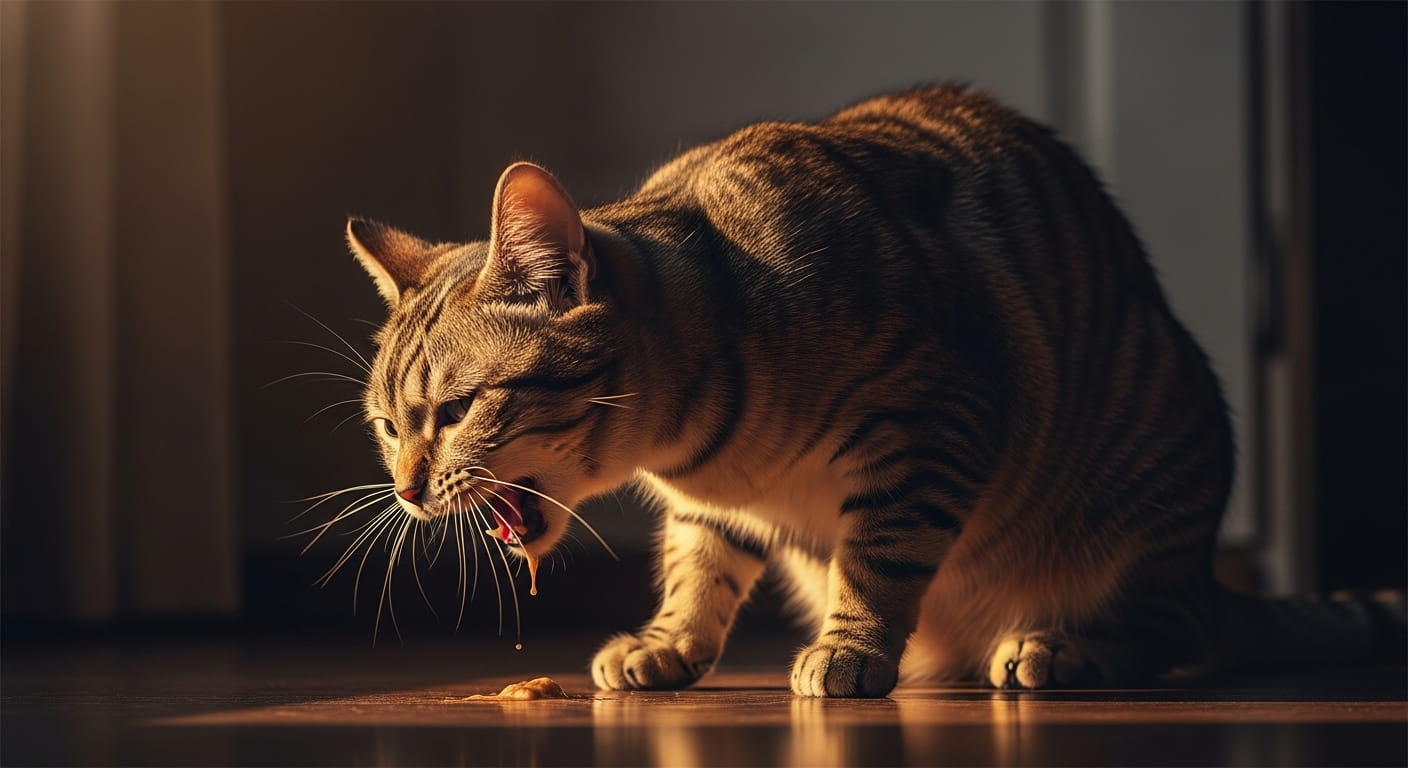
Is your cat vomiting after every meal? Watching your furry friend feel sick can be upsetting and confusing.
You might wonder why this keeps happening and what you can do to help. Understanding the reasons behind your cat’s vomiting is the first step to finding a solution. You’ll discover common causes and easy ways to support your cat’s health.
Keep reading to learn how to stop this worrying problem and keep your cat happy and comfortable.
Credit: acolflex.com.ar
Common Causes Of Vomiting
Vomiting after meals is a common problem in cats. It can worry many pet owners. Understanding the common causes helps manage this issue better. Cats may vomit due to different reasons. Some causes are simple, while others need veterinary care.
Dietary Indiscretion
Cats sometimes eat things they should not. This includes spoiled food, plants, or foreign objects. Eating these items can upset their stomach. This leads to vomiting shortly after eating.
Dietary indiscretion is common in outdoor cats. Indoor cats may also eat unusual items out of curiosity. Prevent access to harmful objects to reduce vomiting risks.
Food Allergies And Intolerances
Cats can develop allergies to certain foods. Common allergens include beef, dairy, and fish. Food intolerance also causes stomach upset and vomiting. Symptoms may appear soon after meals.
Switching to a hypoallergenic diet can help. Consult a vet to identify the exact allergen. Avoid feeding suspect foods to keep your cat safe.
Eating Too Quickly
Some cats eat their food very fast. Eating quickly can cause gagging and vomiting. Food may not be chewed properly, causing irritation. Slow feeder bowls or smaller portions can help.
Encourage your cat to eat calmly. This reduces vomiting episodes after meals. Mealtime should be a relaxed experience.
Hairballs And Grooming
Cats groom themselves by licking their fur. This can lead to hairballs in the stomach. Hairballs often cause vomiting to clear the stomach. Long-haired cats are more prone to this issue.
Regular brushing reduces hair ingestion. Special diets and remedies also help control hairballs. Watch for frequent vomiting linked to hairballs.
Gastrointestinal Disorders
Some cats suffer from digestive problems. Conditions like gastritis, infections, or inflammatory bowel disease cause vomiting. These problems often require veterinary diagnosis.
Chronic vomiting needs prompt medical attention. Proper treatment can improve your cat’s health. Don’t ignore repeated vomiting after meals.

Credit: www.reddit.com
When To See A Vet
Vomiting after every meal is not normal for cats. It can signal a health issue that needs attention. Knowing when to see a vet can help your cat get the right care fast. Watch your cat closely and act quickly if needed.
Persistent Vomiting
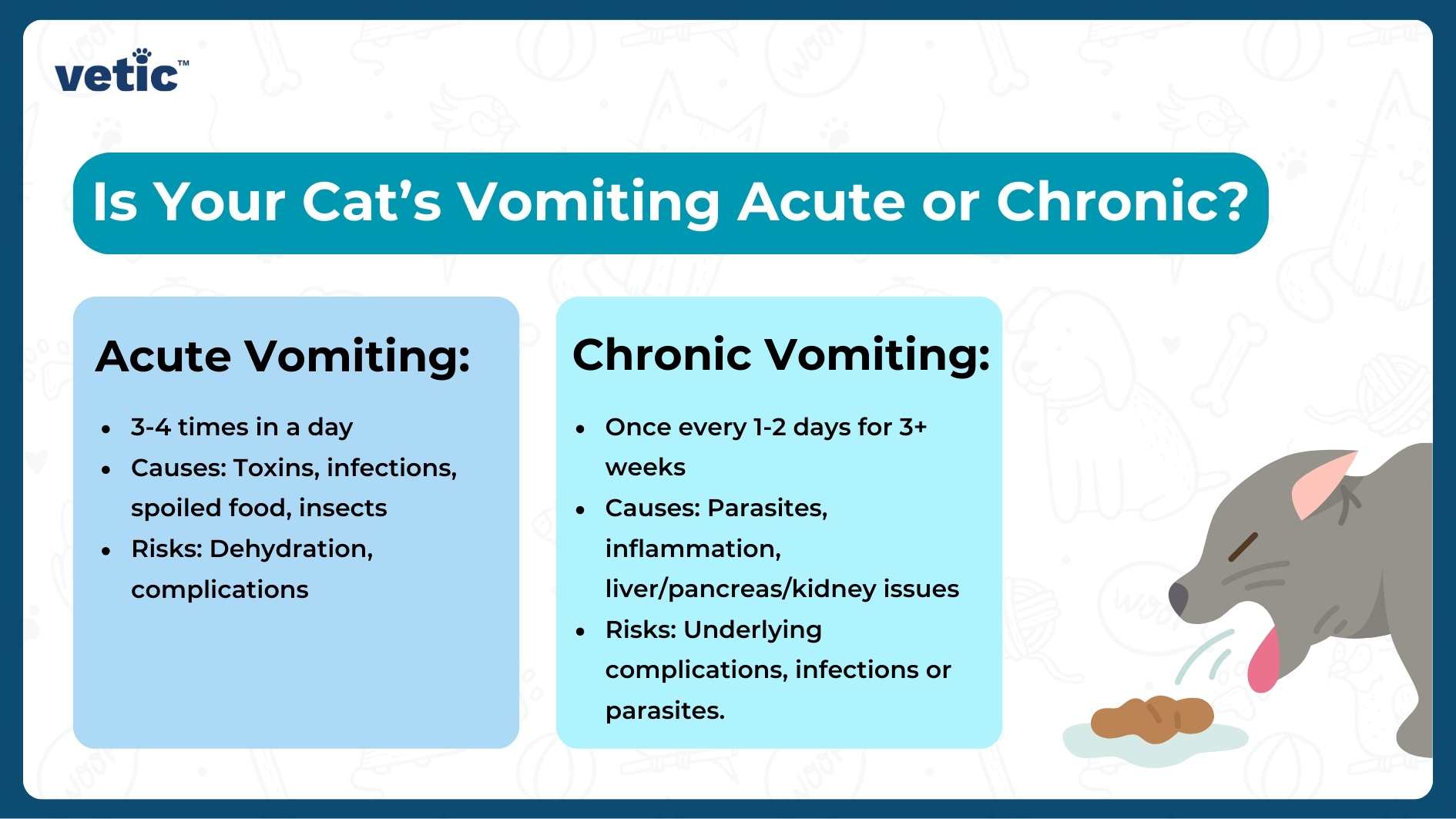
Vomiting once or twice can happen. But vomiting after every meal is a concern. If vomiting lasts more than two days, see a vet. This may show a serious problem like infection or blockage. Don’t wait too long to get help.
Additional Symptoms
Look for signs besides vomiting. Loss of appetite, weight loss, or diarrhea are red flags. Lethargy or hiding more than usual also means trouble. These symptoms together need a vet’s checkup. Early care can stop problems from getting worse.
Age And Health Considerations
Older cats or those with health issues need quick care. Young kittens and sick cats get sick faster. Vomiting can cause dehydration and weakness. A vet can find the cause and give the right treatment. Don’t delay for vulnerable cats.
Diet Adjustments
Diet plays a big role in a cat’s health. Vomiting after meals can mean something in the diet needs changing. Adjusting your cat’s diet might help reduce vomiting and improve digestion.
Switching Food Types
Try changing your cat’s food to a different type. Some cats react to certain ingredients. A limited ingredient diet can help find the problem. Wet food can be easier to digest than dry food. Look for high-quality cat food with natural ingredients.
Feeding Smaller Portions
Large meals can upset your cat’s stomach. Feed smaller amounts at a time to avoid vomiting. Smaller portions are easier to digest. This also prevents your cat from eating too fast. Use a slow feeder bowl if needed.
Meal Frequency Changes
Feeding your cat more often can help. Instead of two big meals, try three or four small meals. This keeps the stomach from getting too full. Regular feeding times create a healthy routine. Watch your cat’s reaction and adjust as needed.
:strip_icc()/reasons-for-frequent-vomiting-555047_FINAL-resized-d924875b65664bcf97b7449fd4500a0d.png)
Credit: finuniverblg.ru.net
Behavioral Changes
Behavioral changes in cats can signal discomfort or health issues. Vomiting after every meal may relate to how your cat eats and feels during feeding. Observing these behaviors helps identify the problem. Adjusting the eating routine can reduce vomiting and improve your cat’s comfort.
Slowing Down Eating
Many cats eat too fast. Eating quickly can cause vomiting. Slow down your cat’s eating to help digestion. Use a slow feeder bowl or spread food on a flat surface. Smaller, frequent meals also reduce speed. Eating calmly prevents food from coming back up.
Reducing Stress During Meals
Stress affects cats’ digestion. Loud noises or other pets nearby may cause anxiety. Create a quiet and safe eating space. Feed your cat in a calm, consistent spot. A relaxed cat digests better and vomits less often. Watch your cat’s mood during meals for signs of stress.
Home Remedies And Care
When your cat vomits after every meal, home care can help ease the problem. Simple steps often improve their comfort and health. These remedies focus on hydration, hairball control, and gentle supplements.
Hydration Tips
Keep fresh water available at all times. Cats often drink less, so offer water in different bowls. Some cats prefer running water from a pet fountain. Wet food can increase fluid intake. Try mixing wet and dry food for balance. Proper hydration helps digestion and reduces vomiting.
Managing Hairballs
Hairballs cause vomiting in many cats. Regular brushing removes loose fur and prevents hairballs. Use a soft brush suitable for your cat’s coat type. Special hairball control cat food can reduce hair ingestion. Some cats benefit from hairball remedies or gels. These products help fur pass through the digestive system.
Safe Supplements
Certain supplements support digestion and reduce vomiting. Probiotics promote healthy gut bacteria. Omega-3 fatty acids reduce inflammation and improve coat health. Always choose supplements made for cats. Consult your vet before starting any new supplement. Safe use ensures your cat stays healthy and happy.
Preventing Future Episodes
Preventing future vomiting episodes in your cat is important for its health and happiness. Careful steps at home can make a big difference. Watch your cat closely and learn what may cause the vomiting. Small changes often help your cat feel better and avoid discomfort.
Regular Vet Checkups
Take your cat to the vet regularly. Vets can find health problems early. They can suggest the right food and medicine. Regular checkups keep your cat in good shape. This helps stop vomiting before it starts.
Monitoring Eating Habits
Watch how your cat eats. Eating too fast can cause vomiting. Try feeding smaller meals more often. Use a special slow feeder bowl if needed. Keep your cat calm during mealtime. This helps the stomach handle food better.
Environmental Enrichment
Give your cat a fun and safe space. Playtime and toys reduce stress. Stress can cause stomach problems and vomiting. A happy cat eats and digests food well. Change toys and add climbing spots to keep things fresh.
Frequently Asked Questions
Why Does My Cat Vomit After Every Meal?
Frequent vomiting after meals may indicate digestive issues, food allergies, or eating too fast. Consult a vet for diagnosis and treatment.
Can Food Type Cause My Cat’s Vomiting?
Yes, some cats react poorly to certain foods or ingredients. Switching to a hypoallergenic or sensitive stomach diet may help reduce vomiting.
How Can I Prevent My Cat From Vomiting After Eating?
Feed smaller, frequent meals and use slow feeder bowls. Ensure your cat eats calmly and avoid sudden diet changes.
When Should I See A Vet For Cat Vomiting?
If vomiting occurs consistently after meals or is accompanied by lethargy, weight loss, or diarrhea, seek veterinary care immediately.
Conclusion
Vomiting after meals can worry any cat owner. It may signal a health problem or eating habit issue. Watch your cat’s behavior closely and note any changes. Try feeding smaller meals more often to ease digestion. Always provide fresh water to keep your cat hydrated.
Consult a vet if vomiting continues or worsens. Early care helps your cat stay happy and healthy. Taking simple steps can make a big difference in your cat’s life. Don’t ignore repeated vomiting—act to protect your furry friend.
**As an Amazon Associate, I earn from qualifying purchases.**