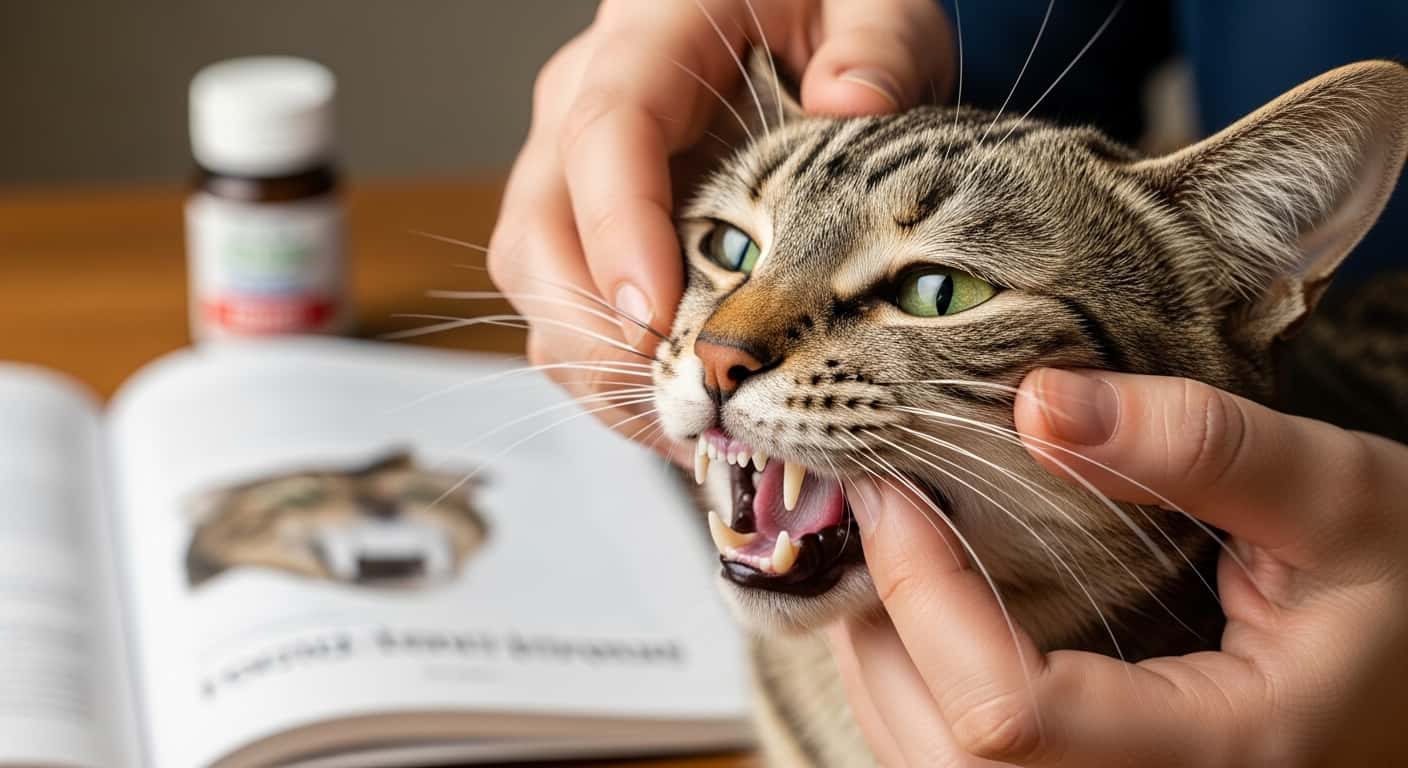
Is A Broken Cat Tooth An Emergency? The Quick Answer
If you spot a broken tooth in your cat’s mouth, you might feel worried and unsure about what to do. The quick answer: A broken tooth is often a dental emergency for cats, especially if you see blood, exposed pink tissue, or your cat is in pain. Even if your cat seems calm, a fractured tooth can quickly lead to infection or other health issues. Getting help from your veterinarian as soon as possible is the safest step. Some cases need urgent care, while others can wait a day or two, but all broken teeth should be checked by a vet.
Types Of Cat Tooth Fractures
Understanding the type of tooth fracture helps you know how serious the problem is. Cat tooth fractures are usually grouped into two main categories, depending on whether the pulp (the soft tissue inside the tooth) is exposed.
Uncomplicated Fracture (no Pulp Exposure)
This type of fracture affects only the outer layers—the enamel and dentin—but the pulp is still protected. You might see a chipped or cracked tooth, but there’s no obvious bleeding or pink/red tissue. These fractures are less urgent, but they can still cause discomfort, make the tooth weaker, or lead to future problems. A vet should always examine the tooth, as even small cracks can let bacteria in.
Complicated Fracture (pulp Exposed — More Serious)
A complicated fracture means the break has reached the pulp cavity, exposing nerves and blood vessels. You may notice a red or pink spot in the middle of the tooth, bleeding, or even pus if the area is infected. This is much more painful and can quickly lead to infection or abscess. Cats with this type of fracture often stop eating, drool more, or paw at their mouth. Complicated fractures require urgent veterinary care.
How To Tell If Your Cat’s Broken Tooth Is Painful
Cats are good at hiding pain, but a broken tooth is usually very uncomfortable. Watch for these signs:
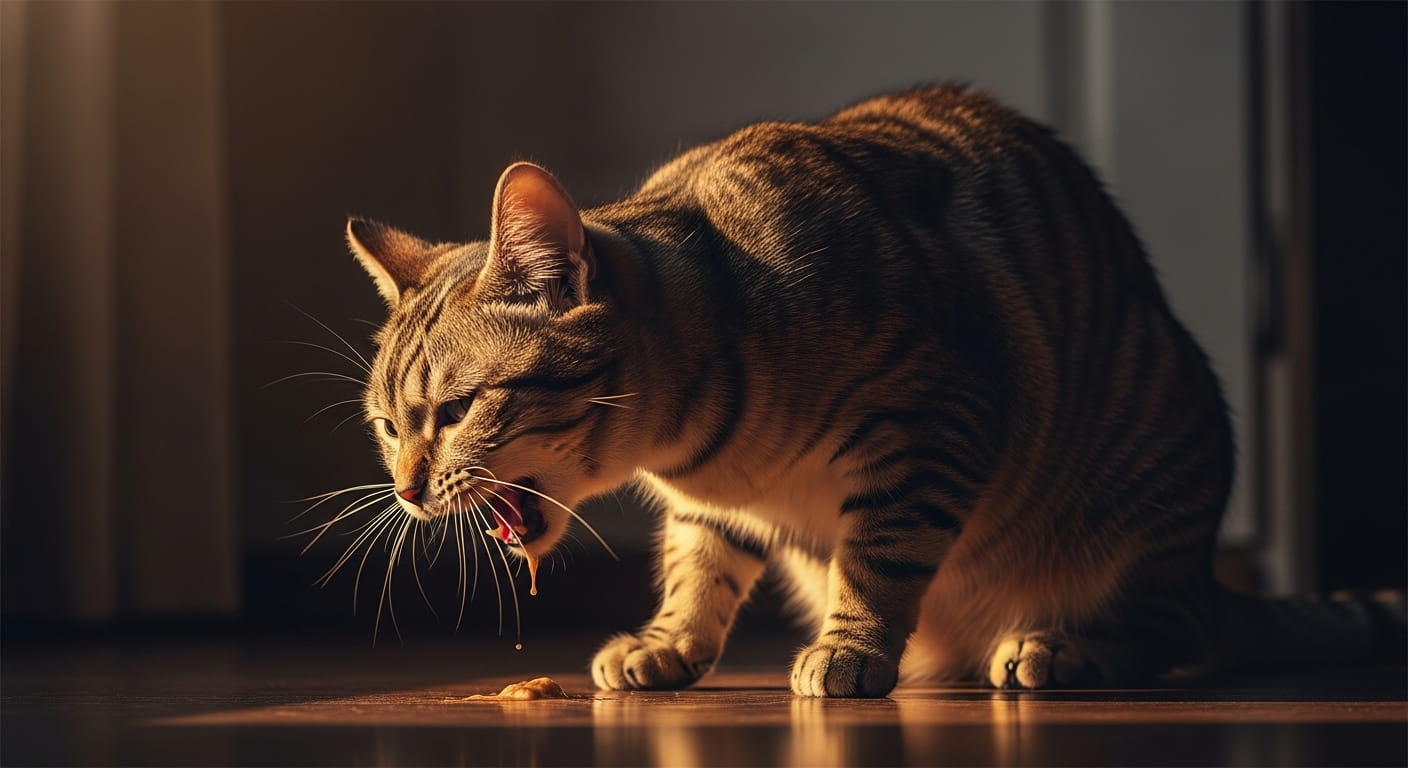
- Drooling (sometimes with blood)
- Pawing at the mouth or face
- Bad breath (worse than usual)
- Eating less or dropping food
- Sudden dislike of dry food or treats
- Swelling around the mouth or jaw
- Hiding or acting cranky
If you notice any of these, assume your cat is in pain—even if they seem normal at times. It’s common for owners to miss subtle signs. Many cats stop grooming or become less playful. If you spot a fractured tooth and your cat is acting differently, they likely need urgent help.
Credit: burwoodvet.com
What To Do Immediately When You Notice A Broken Tooth
Act quickly but stay calm. Here’s what you should do:
- Don’t try to touch the tooth. Cats may bite if they’re in pain.
- Look for other signs. Check for swelling, bleeding, or pus. Note any changes in eating or behavior.
- Take a photo if possible. This can help your vet see the problem.
- Keep your cat indoors. Prevent more injuries or infections.
- Call your veterinarian. Tell them what you found and ask how soon your cat should be seen.
- Do not give human painkillers. Many are toxic to cats.
- Keep your cat’s mouth clean. Don’t brush or rinse, but you can offer water.
If your cat is drooling blood, refusing food, or appears in severe pain, treat it as an emergency. If the tooth is chipped but your cat is acting normal, you should still see your vet within a few days.
Treatment Options For A Broken Cat Tooth
The right treatment depends on the fracture type, your cat’s health, and which tooth is broken. Your vet may recommend:
Tooth Extraction
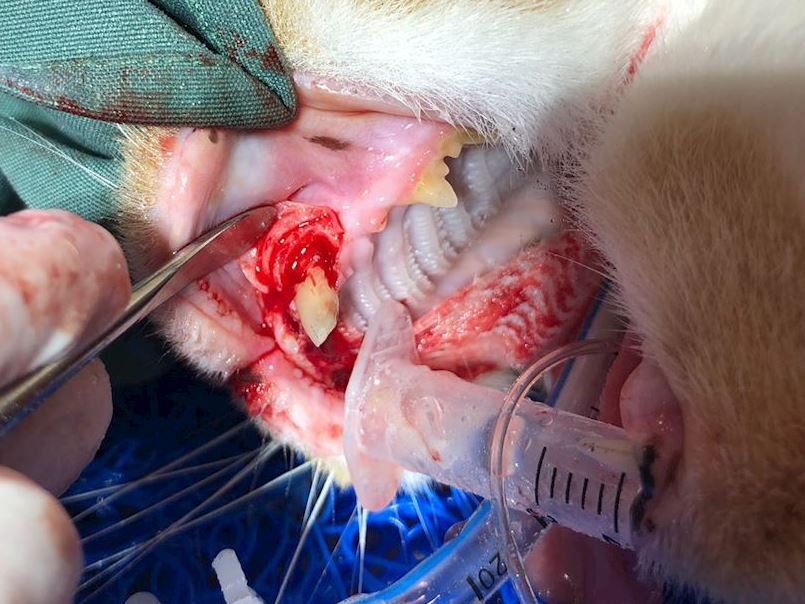
Extraction means removing the damaged tooth. This is the most common treatment, especially for complicated fractures or if the tooth is infected. Cats do well without most of their teeth, as long as they can still eat. Extraction helps stop pain and prevents the spread of infection. The procedure is done under anesthesia, and your cat may need pain relief and antibiotics afterward.
Vital Pulp Therapy (saving The Tooth)
If the tooth is important for eating or grooming (like the large canine teeth) and the break is fresh, vital pulp therapy may save the tooth. The vet will remove damaged pulp, clean the area, and seal it with special dental materials. This option is only possible if you act quickly—ideally within 48 hours of injury. Not all vets offer this advanced treatment.
Smoothing And Sealing (minor Fractures)
For small chips where the pulp is not exposed, the vet may smooth rough edges and seal the tooth with a dental material. This prevents bacteria from entering and makes the tooth less sensitive. It’s a quick procedure, but your cat may still need sedation.
Here’s a summary of treatments and when they’re used:
| Treatment | When Used | Pros | Cons |
|---|---|---|---|
| Extraction | Complicated fractures, infection | Resolves pain, prevents infection | Permanently removes tooth |
| Vital pulp therapy | Fresh fractures, important teeth | Saves tooth, keeps function | Requires quick action, not always available |
| Smoothing/sealing | Small, uncomplicated fractures | Simple, preserves tooth | Not for deep breaks |

Credit: www.reddit.com
How Much Does Broken Cat Tooth Treatment Cost?
Costs vary depending on the procedure, your location, and the clinic. Here’s a general idea:
- Tooth extraction: $300–$1,000 per tooth (includes anesthesia, pain meds, sometimes X-rays)
- Vital pulp therapy: $800–$1,500 (specialty procedure, often at dental clinics)
- Smoothing and sealing: $150–$350 (minor procedure, not always offered)
Extractions usually cost more if the tooth is large or if there’s an abscess. Vital pulp therapy is less common and usually done by veterinary dental specialists. Costs may be higher in cities or if additional treatments are needed.
Here’s a comparison:
| Procedure | Typical Cost Range (USD) | Includes |
|---|---|---|
| Extraction | $300–$1,000 | Anesthesia, tooth removal, pain relief |
| Vital pulp therapy | $800–$1,500 | Special dental treatment, often referral |
| Smoothing/Sealing | $150–$350 | Minor dental work, sedation if needed |
Pet insurance may cover some dental emergencies, but most plans require dental coverage add-ons. Always check your policy for details.
Recovery After Cat Broken Tooth Treatment
Most cats recover well after dental treatment, but recovery depends on the procedure:
- After extraction: Your cat may be sleepy for a day. Offer soft food for a week. Watch for swelling, bleeding, or refusal to eat.
- After pulp therapy or sealing: Recovery is quicker. Your cat can usually eat normally in a day or two, but avoid hard treats for a week.
- Pain management: Your vet will provide painkillers. Never give human medicine.
- Monitor: Check your cat’s mouth for swelling, pus, or bad smell. Call your vet if you notice problems.
Some cats hide or seem grumpy for a few days after dental work. This is normal. Make sure your cat has a quiet place to rest. Full healing of the gums takes 2–3 weeks, but most cats return to normal quickly.
Here’s a sample recovery timeline:
| Day | What to Expect | Care Tips |
|---|---|---|
| 1–2 | Sleepy, less active, mild swelling | Soft food, quiet rest, give meds as directed |
| 3–7 | Eating improves, swelling goes down | Keep indoors, monitor mouth |
| 7–21 | Healed gums, normal behavior | Resume regular care, dental checks |

Credit: www.ccvhankeny.com
Can A Broken Cat Tooth Heal On Its Own?
A broken cat tooth cannot heal itself. Unlike bones, teeth do not regrow lost structure. If the pulp is exposed, bacteria can enter, leading to infection, pain, and even abscesses in the jaw or face. Untreated fractures often cause chronic pain, even if your cat seems “fine.” Over time, broken teeth can affect eating, grooming, and overall health.
Minor chips might not cause immediate problems, but even small cracks can become infected. Always let a veterinarian check the injury. Waiting too long may mean more complex (and expensive) treatment later. Early care prevents suffering and keeps your cat healthy.
Frequently Asked Questions
What Causes Broken Teeth In Cats?
Broken teeth in cats are usually caused by trauma—like falls, fights, chewing hard objects, or accidents. Chewing on bones, hard toys, or even metal cage bars can crack teeth. Dental disease can also weaken teeth, making fractures more likely.
Is A Broken Cat Tooth Always Painful?
Most broken teeth are painful, especially if the pulp is exposed. Cats may hide their pain well, but the exposed nerve endings make the tooth sensitive to air, food, and water. Even if your cat eats, they can still hurt.
Can I Wait To See If My Cat Gets Better?
Waiting is risky. Broken teeth rarely improve without treatment and often get worse. Infections can spread to the jaw or other organs. Always call your vet for advice if you notice a broken tooth.
How Can I Prevent Cat Tooth Fractures?
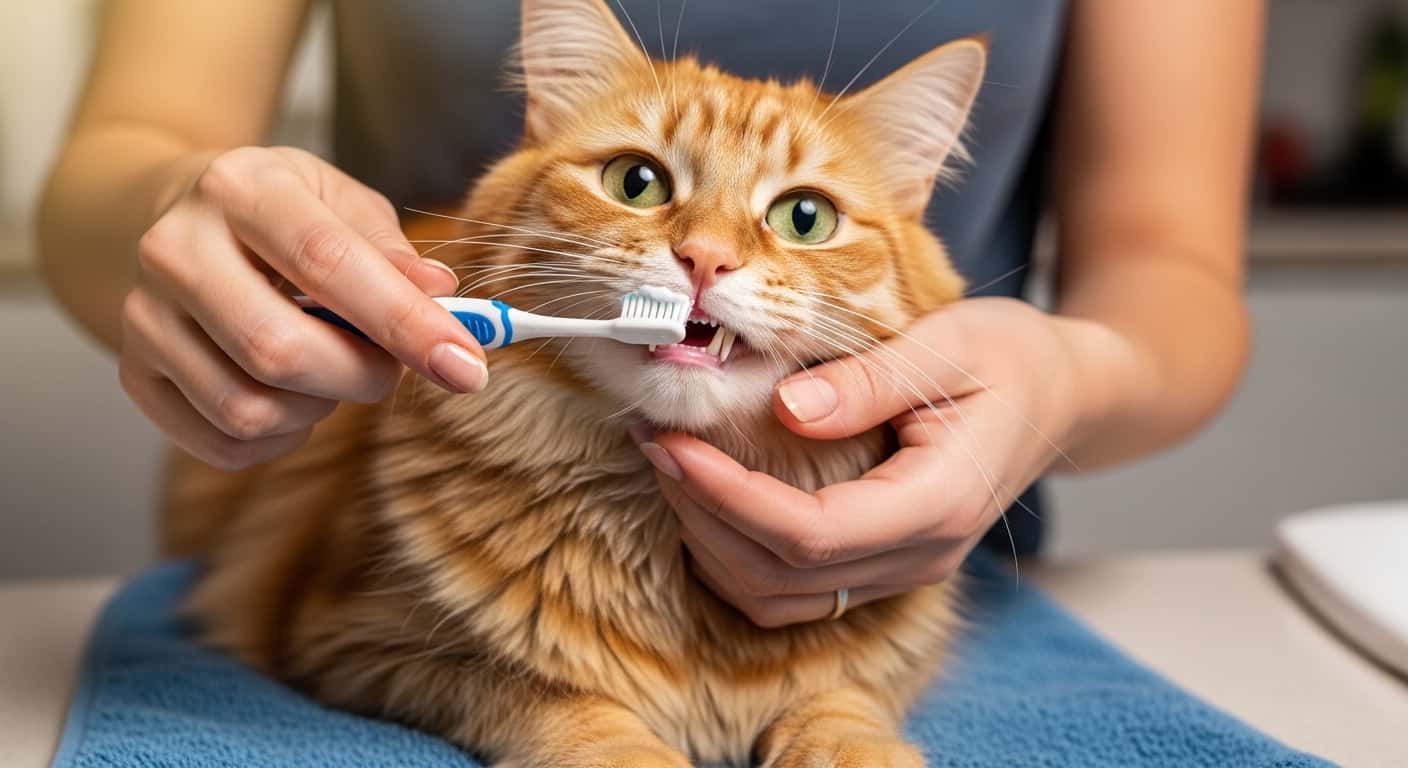
Avoid giving your cat hard bones, ice, or very tough treats. Regular dental care—like tooth brushing and vet checkups—keeps teeth healthy and less likely to break. Indoor cats are less likely to get traumatic fractures from accidents or fights.
Will My Cat Be Able To Eat With Missing Teeth?
Most cats eat well after extractions. They may prefer soft food for a few days but often return to dry food and treats. Cats use their tongue to move food, so missing a few teeth rarely causes long-term problems.
For more about feline dental health, you can visit the American Veterinary Dental College.
A broken tooth can be scary for both you and your cat, but quick action and proper veterinary care make a big difference. By knowing the signs, understanding treatment options, and following your vet’s advice, you’ll help your cat recover and stay comfortable.
Remember, cats are experts at hiding pain—so when in doubt, always check with your vet. Your cat depends on you to keep them healthy, happy, and pain-free.
**As an Amazon Associate, I earn from qualifying purchases.**