Bringing a new kitten home is exciting, but it also brings important responsibilities. One of the first things you should do is book a vet appointment within 72 hours of adoption. Even if your kitten looks healthy, early vet care is essential. Kittens can carry hidden illnesses, parasites, or need urgent vaccinations. Acting quickly gives your pet the best chance for a healthy life, helps prevent future problems, and can even protect other pets or family members from contagious diseases. Here’s everything you need to know about your kitten’s first vet visit and how to prepare.
When Should A Kitten First See A Vet?
The ideal time for a kitten’s first vet visit is within 72 hours of bringing them home. This rule applies whether you adopted from a shelter, bought from a breeder, or rescued a stray. Some kittens may already have seen a vet, but it’s important to confirm their health status and get a professional opinion as soon as possible.
Early visits help identify common kitten issues such as fleas, worms, or respiratory infections. If your kitten appears sick (for example, has diarrhea, sneezing, or low energy), do not wait—schedule an appointment immediately. For very young kittens (under 8 weeks), early vet care is even more critical due to their fragile immune systems.
What Happens At The First Kitten Vet Visit
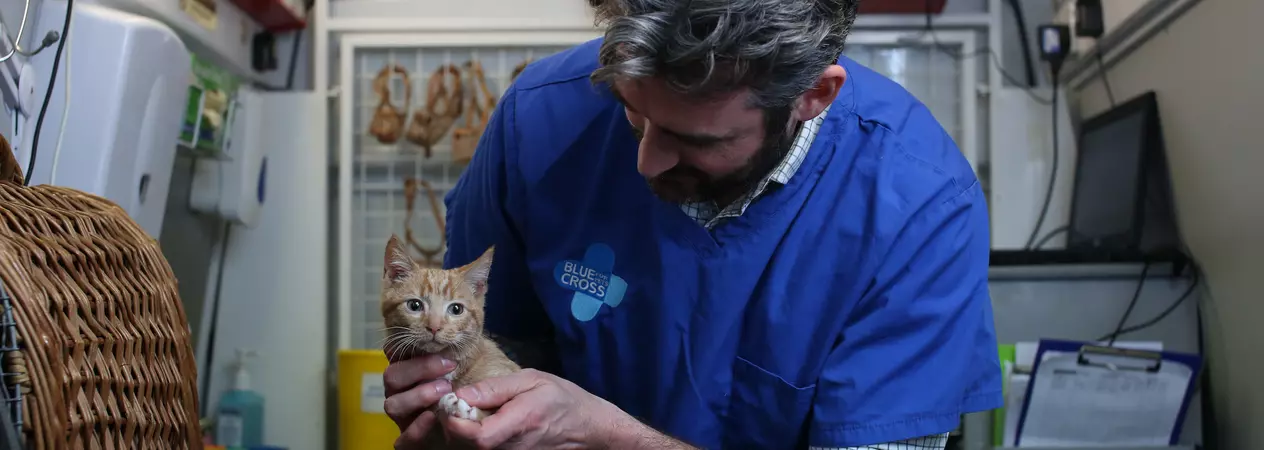
The first vet visit is a mix of health checks, discussions, and planning. Here’s what usually happens:
- Physical examination: The vet will check eyes, ears, mouth, heart, lungs, skin, and joints for any signs of disease or abnormality.
- Weight and temperature: Monitoring growth and checking for fever are important for young kittens.
- Parasite check: Many kittens have worms or fleas. Your vet may look for fleas, take a stool sample, and discuss deworming.
- Vaccination review: The vet will check your kitten’s vaccine history and recommend a schedule.
- Discussion about feeding: You’ll get advice on kitten food, portion size, and feeding frequency.
- Microchipping and identification: Some clinics offer microchipping for safety.
- Feline leukemia and FIV testing: Especially for kittens from unknown backgrounds.
Here’s a quick comparison of what’s typically included at the first visit versus later visits:
| Visit Type | Health Check | Vaccines | Parasite Treatment | Owner Discussion |
|---|---|---|---|---|
| First Visit | Full exam | Initial set | Yes | Feeding, litter, health plan |
| Follow-up | Check growth | Boosters | As needed | Behavior, training |
A less obvious insight: Many owners do not realize that stress can mask illness in kittens. Even if your kitten seems healthy at home, the vet may find early signs of problems you haven’t noticed.
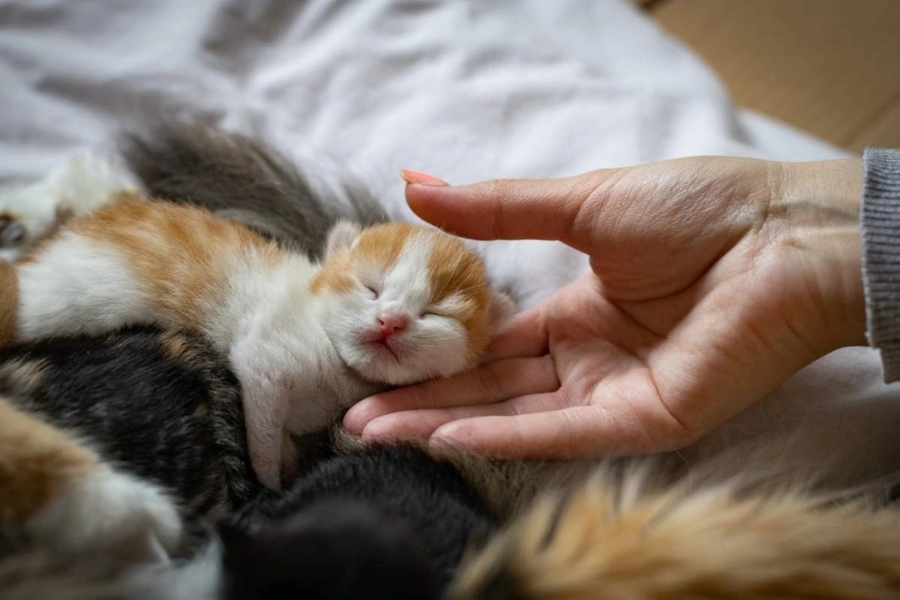
Credit: www.bluecross.org.uk
How To Prepare Your Kitten For The Vet
Preparing your kitten helps reduce stress and makes the visit smoother. Start by getting your kitten used to gentle handling, especially around the paws, ears, and mouth. This will make examinations less scary.
- Familiarize the carrier: Leave the carrier open with soft bedding and treats inside for a few days. This makes it feel safe, not just for travel.
- Short car rides: Before the appointment, take your kitten on brief rides to reduce travel anxiety.
- Bring a favorite toy or blanket: Familiar smells can comfort your kitten in a new environment.
Sometimes kittens cry or soil themselves on the way to the vet. This is normal, especially for their first trip. Stay calm and speak softly to reassure them.
What To Bring To Your Kitten’s First Vet Appointment
Arriving prepared saves time and ensures your kitten gets the best care. Here’s a list of essentials:
- Sturdy carrier: Use one that is secure and easy to open.
- Medical records: Bring any paperwork from the shelter, breeder, or rescue.
- Sample of kitten food: Helpful if you have dietary questions.
- Stool sample: Fresh (less than 12 hours old), for parasite testing.
- List of questions: Write down concerns about behavior, feeding, or health.
- Towel or blanket: For comfort and to clean any accidents.
This simple packing can make your visit much more productive and less stressful for both you and your kitten.
How Much Does A Kitten’s First Vet Visit Cost?
Costs can vary by location and clinic, but you should expect to pay anywhere from $50 to $150 for the initial checkup. Vaccines, deworming, and additional tests may add extra charges. Some clinics offer kitten wellness packages that bundle services for a lower total price.
Here’s a cost breakdown:
| Service | Average Cost (USD) |
|---|---|
| Physical Exam | $40 – $60 |
| Vaccinations | $20 – $40 each |
| Fecal Test | $25 – $45 |
| Deworming | $15 – $30 |
| Microchip | $40 – $60 (optional) |
Tip: Call ahead and ask about packages or payment options. Some animal shelters even offer vouchers for free or discounted vet care for newly adopted kittens.
How Often Does A Kitten Need To See The Vet?
Kittens require more frequent vet visits than adult cats. Most need checkups every 3-4 weeks until they are about 16 weeks old. These visits cover vaccinations, growth monitoring, and parasite prevention.
Here’s a typical visit schedule:
| Kitten Age | Visit Purpose |
|---|---|
| 6–8 weeks | First exam, vaccines, deworming |
| 10–12 weeks | Booster vaccines, weight check |
| 14–16 weeks | Final boosters, possible spay/neuter discussion |
After 16 weeks, most kittens only need annual checkups unless health issues arise.
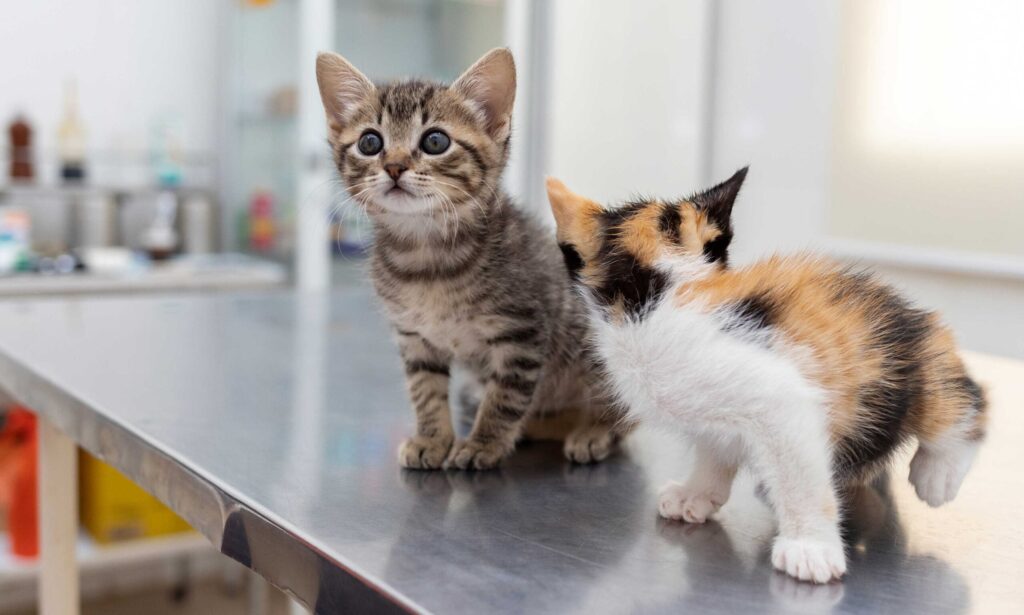
Credit: www.highlandanimalhospitalma.com
Finding A Vet Who Is Good With Cats
Not all vets are equally skilled with cats. Look for a clinic that is cat-friendly or has special training in feline care. Here are tips for finding a good match:
- Ask for recommendations: Friends, local shelters, and breeders often know the best local vets.
- Visit the clinic: Check for a calm, quiet waiting area and staff who handle cats gently.
- Check credentials: Some vets are members of the American Association of Feline Practitioners (AAFP), which means extra training in cat care.
- Read reviews: Look for comments about how the vet handles nervous or shy kittens.
One insight: A cat-only clinic can offer a more peaceful experience, with less barking and fewer stress triggers.
If you want to learn more about choosing a vet, the American Veterinary Medical Association has helpful advice.
Frequently Asked Questions
What Vaccines Does My Kitten Need?
Kittens usually need FVRCP (feline viral rhinotracheitis, calicivirus, panleukopenia) and rabies vaccines. Your vet may also recommend protection against feline leukemia, depending on your kitten’s risk.
Can I Delay The First Vet Visit If My Kitten Looks Healthy?
No. Many illnesses are not visible at home. Early checks catch hidden problems and keep your kitten and other pets safe.
Should I Bring My Kitten To The Vet If It Was Vaccinated By The Breeder?
Yes. The vet will confirm the records, check for missed treatments, and ensure your kitten is healthy. Sometimes breeders miss important steps.
How Do I Transport A Nervous Kitten To The Vet?
Use a secure carrier lined with a familiar blanket. Cover the carrier with a towel to block out sights and reduce stress.
What If I Can’t Afford The First Vet Visit?
Ask local shelters or rescue groups about low-cost clinics or vouchers. Some areas have programs to help new pet owners with initial vet care.
Bringing your kitten to the vet soon after adoption is one of the best decisions you can make for their future health. Early visits help catch problems when they’re easiest to treat, set up a strong health foundation, and give you peace of mind.
With a little preparation, your kitten’s first vet trip can be a positive experience. Remember, a healthy start means a happy, playful companion for years to come.
Credit: www.chewy.com
**As an Amazon Associate, I earn from qualifying purchases.**