The good news is that most kittens can learn to use a litter box with just a little help from you. In fact, many kittens start using a box all by themselves after they see it once or twice. Cats have a natural instinct to bury their waste, so the process is often easier than people expect. But a few simple steps and the right setup will help your kitten succeed—and avoid messy accidents.
Below, you’ll find clear, practical advice for every stage of litter training a kitten. Whether you’re a first-time cat owner or just want to make training easier, these tips will help your kitten develop good habits from day one.
Step-by-step Litter Training Instructions
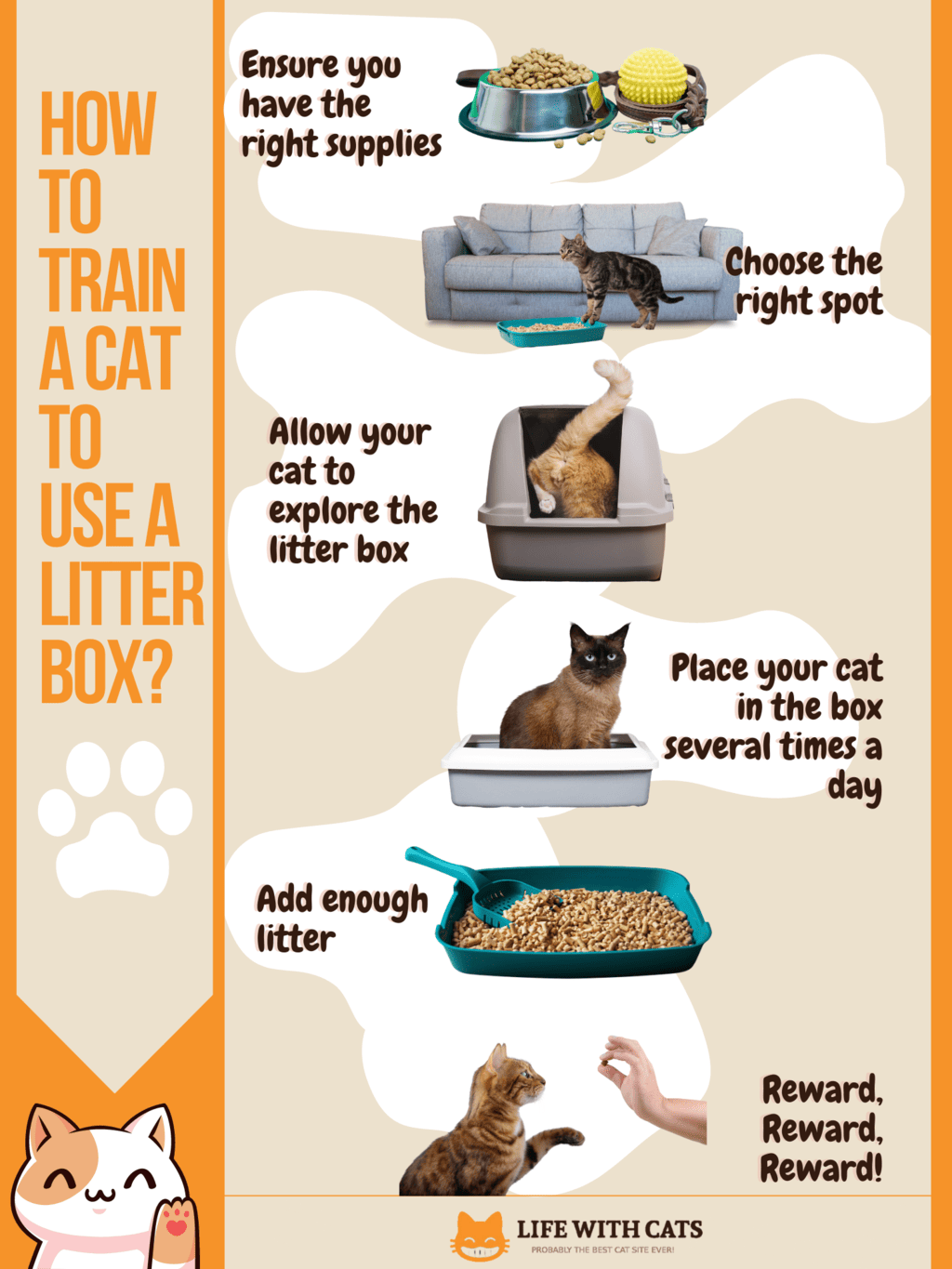
Teaching your kitten to use the litter box is a step-by-step process. Here’s what works best:
Step 1 — Choose The Right Litter Box
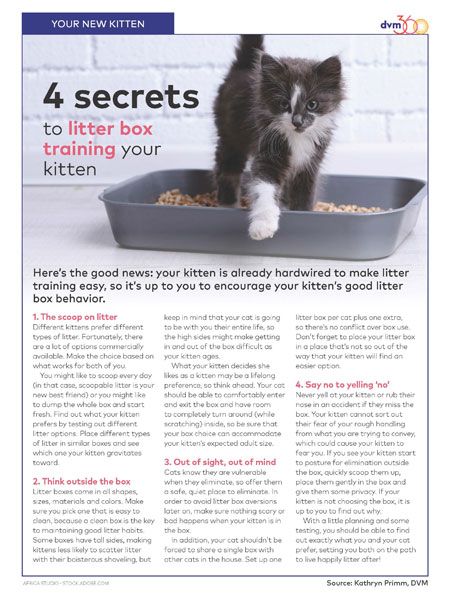
Start with a shallow, easy-to-enter litter box. Kittens are small, so a box with high sides may be too difficult for them to climb into. Look for a box made for kittens or pick a plastic storage tray with low edges. Make sure the box is big enough for your kitten to turn around in comfortably.
Some kittens feel safer in boxes with a cover, but most do better with an open box at first. Covered boxes can trap smells, which may turn off sensitive kittens.
If you have more than one kitten, provide a box for each (plus one extra, if possible).
Non-obvious Insight:
Most new owners forget that location and box size both matter. Too high, and kittens can’t get in. Too small, and kittens may step out while digging.
Step 2 — Place The Box Correctly
Location is key. Put the litter box in a quiet, low-traffic area where your kitten can find it easily. Avoid noisy spots near washing machines, loud appliances, or areas where children or dogs play.
Keep the box far from your kitten’s food and water. Cats do not like to eliminate near where they eat or drink. If your home is large, place boxes in different rooms so your kitten is never far from one.
Some kittens like a little privacy. If possible, put the box near a wall or corner.
Step 3 — Show The Kitten Where It Is
Once you’ve set up the box, gently place your kitten inside after meals, naps, or play sessions. Most kittens will sniff around and may start to dig on their own. If not, show them how to scratch in the litter with your fingers. Never force your kitten to stay in the box if they seem scared.
Take your kitten to the box several times a day, especially after waking up or eating. This builds a routine and helps them remember where to go.
Step 4 — Positive Reinforcement
When your kitten uses the box, praise them softly and give a small treat or a gentle pet. Positive feedback helps kittens connect good behavior with rewards.
Avoid scolding or punishing your kitten for accidents. Negative reactions can make them afraid of the box or of you. If you catch your kitten in the act elsewhere, gently move them to the box.
Non-obvious Insight:
Many people forget to reward their kitten every time. Consistent praise early on helps kittens learn much faster.
Step 5 — Keep It Clean
Scoop out waste at least once a day. Cats are very clean animals, and a dirty box may drive your kitten away. Once a week, empty the box, wash it with mild soap and water (never strong chemicals), and refill it with fresh litter.
If you have more than one kitten, clean more often. A clean box is the best way to prevent accidents and odors.
How Many Litter Boxes Does A Kitten Need?
A common rule for cats is: one litter box per cat, plus one extra. For kittens, this is even more important. Young kittens may not always reach a distant box in time, so having more than one box reduces accidents.
Here’s a quick guide for how many boxes to use:
| Number of Kittens | Recommended Boxes |
|---|---|
| 1 | 2 |
| 2 | 3 |
| 3 | 4 |
If you live in a multi-level home, place a box on each floor. This helps your kitten always find a box quickly.
Mistake to avoid: Placing all boxes in one room. Spread them out so your kitten always has one nearby.
Credit: www.dvm360.com
Best Litter Types For Kittens
Not all litters are safe for kittens. Some clumping litters, for example, can cause problems if your kitten eats the litter (which is common with very young kittens).
Here’s a comparison of common litter types:
| Litter Type | Safe for Kittens? | Pros | Cons |
|---|---|---|---|
| Non-clumping clay | Yes | Cheap, widely available | Dusty, can smell quickly |
| Clumping clay | No (for kittens under 4 months) | Easy to scoop, controls odor | Dangerous if eaten |
| Pine pellets | Yes | Low dust, natural scent | May feel rough on paws |
| Paper pellets | Yes | Soft, safe if swallowed | Less odor control |
| Silica gel | No | Good odor control | Not safe for kittens |
For most kittens, non-clumping clay, pine, or paper-based litters are the safest choices. Avoid scented litters at first, as strong smells may turn off sensitive kittens.
After your kitten is older (about 4 months), you can try clumping litter if you prefer, but always watch to make sure your kitten is not eating it.
Troubleshooting — Why Your Kitten Isn’t Using The Box
Sometimes, even with the best setup, a kitten may have accidents or avoid the box. Here are some common reasons:
- Box is too dirty: Kittens avoid soiled boxes.
- Box is hard to reach: If the box is too far or hard to find, accidents happen.
- Wrong litter type: Some kittens dislike the feel or smell of certain litters.
- Box is too small or too high: Small kittens need low, open boxes.
- Scary experience: Loud noises or being frightened in the box can cause avoidance.
- Stress or changes: New pets, visitors, or moving furniture can stress kittens.
If your kitten keeps going outside the box, try these solutions:
- Move the box to a quieter location.
- Switch to a softer, unscented litter.
- Add extra boxes in different rooms.
- Clean all accident spots with an enzyme cleaner to remove smells.
Example Scenario
A kitten named Luna stopped using her box after the washing machine started making loud noises nearby. Moving her box to a calmer corner solved the problem in two days.
Credit: www.bibliotecaoscura.com
When To Worry — Medical Reasons For Accidents
Sometimes, a kitten’s accidents are not about training, but about health. If your kitten was using the box and suddenly stops, consider these medical issues:
- Urinary tract infection (UTI): Can cause pain, making the kitten avoid the box.
- Diarrhea: Illness or parasites may make it hard for kittens to reach the box in time.
- Constipation: Kittens may associate pain with the box and avoid it.
Warning signs to watch for:
- Frequent trips to the box with little or no urine
- Crying or straining when using the box
- Blood in urine or stool
- Loss of appetite, low energy
If you see any of these signs, take your kitten to the vet as soon as possible. Medical problems need fast attention and are common in young kittens.
Data: Why Medical Checks Matter
Studies show that about 10% of litter box problems in kittens are due to health issues, not behavior. Getting a vet check early can save a lot of stress for both you and your kitten.
Frequently Asked Questions
What Age Should I Start Litter Training My Kitten?
You can start as soon as your kitten is 3–4 weeks old. Most kittens learn quickly if the box is easy to reach and the litter is safe.
My Kitten Eats The Litter. Is This Dangerous?
Yes, especially if you use clumping or silica litter. Switch to a paper or non-clumping clay litter until your kitten is at least 4 months old. Eating litter can cause dangerous blockages.
How Often Should I Clean The Litter Box?
Scoop at least once a day and change the litter fully every week. More frequent cleaning may be needed if you have more than one kitten.
Do I Need To Use A Special Kitten Litter Box?
A regular box is fine if it’s shallow and easy to enter. Avoid boxes with high sides or lids for very young kittens.
What If My Kitten Still Has Accidents After Training?
Go back to basics: check box location, litter type, and cleanliness. If accidents continue, talk to your vet to rule out medical problems. For extra help, check out advice from experts at The Humane Society.
Helping your kitten learn to use the litter box is one of the first steps to a happy, healthy life together. With patience, the right setup, and a little encouragement, most kittens become litter trained quickly. Remember to keep things clean, offer gentle praise, and watch for any health concerns.
Soon, your kitten will be using the box with confidence—and you can relax and enjoy their playful company. If you need more in-depth tips on caring for your new kitten, check out our main guide to raising a healthy, well-behaved cat.
Credit: www.youtube.com
**As an Amazon Associate, I earn from qualifying purchases.**