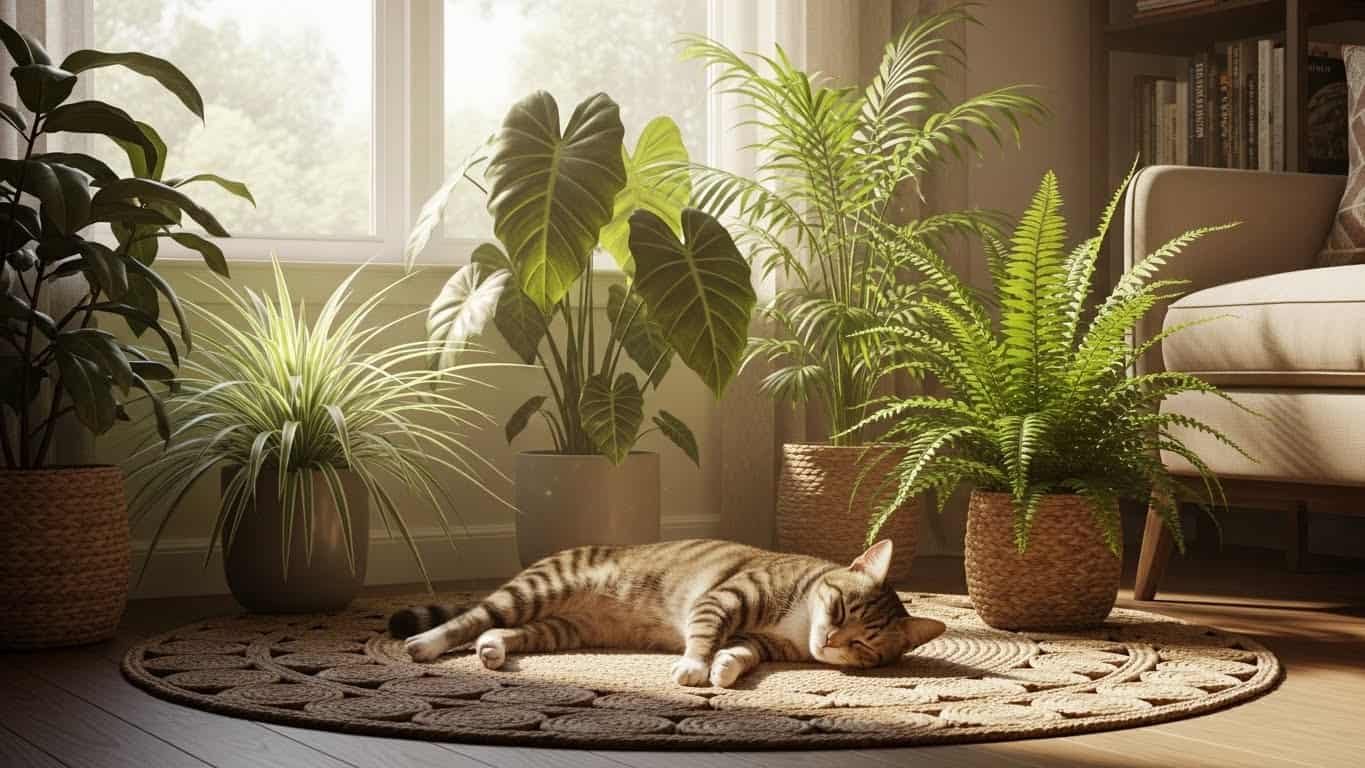
Are you looking to freshen up your home with some green air cleaning plants but worried about your cat’s safety? You’re not alone.
Many plant lovers hesitate to bring new greenery indoors because they don’t want to harm their furry friends. The good news is, you can have both—a cleaner, healthier home and a happy, safe cat. You’ll discover the best air-purifying plants that are completely safe for your feline companion.
Keep reading to find out how to create a beautiful, natural space your cat will love too!
Why Air Quality Matters For Cats
Cats spend most of their time indoors. Clean air in your home is very important for their health. Poor air quality can cause breathing problems and allergies in cats. It can make them sick or worsen existing health issues. Keeping the air fresh helps your cat stay active and happy.
Many cats have sensitive lungs. Dust, smoke, and chemicals in the air can harm them. Good air quality protects your cat’s breathing system. It also helps reduce coughing, sneezing, and eye irritation. Fresh air supports a longer and healthier life for your pet.
Health Risks From Poor Air
Bad air can cause many health problems for cats. They may develop asthma or bronchitis from breathing dirty air. Allergies can become worse, leading to constant itching or skin problems. Toxic fumes from cleaning products can cause serious illness. Long exposure to pollutants can weaken their immune system.
Young kittens and older cats are more at risk. They have weaker lungs and need cleaner air to stay healthy. Avoiding poor air quality helps prevent costly vet visits. It keeps your cat comfortable and less stressed.
Common Indoor Pollutants Affecting Pets
Indoor air contains many harmful pollutants that affect cats. Dust and mold spores can cause breathing troubles. Smoke from cigarettes or candles is very dangerous. Chemicals from sprays, cleaners, and air fresheners irritate their lungs. Even cooking fumes can add to indoor pollution.
Cat litter dust is another source of poor air quality. It can cause sneezing and coughing in sensitive cats. Regular cleaning and good ventilation reduce these risks. Choosing safe air cleaning plants also helps keep the air pure.
Credit: www.chewy.com
Key Features Of Cat-safe Air Purifiers
Choosing an air purifier safe for cats means knowing its key features. These features protect your pet while keeping your home air clean. Cat-safe air purifiers use special filters, run quietly, and avoid harmful emissions. Each of these points matters for your cat’s health and comfort.
Understanding these features helps you pick the best purifier for your home and furry friend.
Filter Types That Work Best
HEPA filters catch tiny dust and allergens effectively. They do not release harmful chemicals. Activated carbon filters reduce odors and smoke. These filters keep the air fresh without using sprays or chemicals. Avoid purifiers that use ozone, as ozone can harm cats.
Noise Levels And Pet Comfort
Cats are sensitive to loud sounds. Quiet air purifiers cause less stress and anxiety. Look for purifiers with noise levels below 50 decibels. A quiet fan helps cats rest and play peacefully. Noise control is important for a calm home.
Avoiding Harmful Emissions
Some air purifiers release ozone or other irritants. Ozone can cause breathing problems in cats. Choose purifiers certified as ozone-free. Stay away from ionizers or UV lights that produce harmful gases. Safe purifiers keep the air clean without adding risks.
Top 10 Pet-friendly Air Purifiers
Air quality matters a lot for homes with cats. Clean air helps keep pets healthy and happy. Choosing the right air purifier keeps your space fresh without harming your furry friends. Here are the top 10 pet-friendly air purifiers that work well for cat owners.
High-efficiency Particulate Air (hepa) Models
HEPA filters trap small particles like dust, pollen, and pet dander. They remove up to 99.97% of airborne allergens. These models are safe for cats because they do not release harmful gases. HEPA purifiers keep the air clean and reduce allergy symptoms.
Activated Carbon Filters
Activated carbon filters absorb odors and harmful chemicals. They help remove pet smells and smoke from the air. These filters work well alongside HEPA filters. Activated carbon purifiers create a fresher home environment for cats and people.
Uv-c Light Purifiers
UV-C light kills bacteria, viruses, and mold spores in the air. This technology improves air safety and reduces germs. UV-C purifiers are gentle and safe around pets. They add an extra layer of protection for your cat’s health.
How To Choose The Right Purifier For Your Home
Choosing the right air purifier for your home is important, especially with cats around. A good purifier keeps the air clean without harming your pets. Understanding what to look for helps you pick the best model. Focus on the size of your room, how easy it is to maintain, and the cost. These factors make a big difference in your home’s air quality and your cat’s safety.
Room Size Considerations
Measure the room where you want the purifier. Small purifiers work well for bedrooms or offices. Bigger rooms need larger purifiers with higher capacity. Check the purifier’s Clean Air Delivery Rate (CADR). Higher CADR means it cleans air faster. Match the purifier size to your room for best results.
Maintenance And Filter Replacement
Choose a purifier that is easy to clean. Filters should be simple to remove and replace. Some purifiers have washable filters, which saves money. Regular filter changes keep the air fresh and purifier effective. Check how often filters need replacing before buying.
Budget-friendly Options
Air purifiers come in many price ranges. You can find good models without spending a lot. Look for purifiers with essential features, not extra gadgets. Compare prices and reviews to find value. A cost-effective purifier still improves air quality for your cat’s health.
Placement Tips For Optimal Air Cleaning
Placing air cleaning plants correctly helps keep your home fresh and safe for cats. Proper placement allows the plants to clean the air efficiently. It also prevents any harm to your pets. Small changes in placement make a big difference.
Avoiding Obstructions
Keep air cleaning plants away from walls and furniture. Obstructions block air flow and reduce cleaning power. Place plants in open spaces where air moves freely. Avoid tight corners or crowded shelves. This helps plants absorb more dust and toxins.
Keeping Purifiers Away From Pet Areas
Do not put air purifiers too close to where cats eat or sleep. Strong airflow or noise might disturb them. Place purifiers in common rooms but away from pet beds or feeding spots. This keeps cats calm and ensures purifiers work well.
Credit: www.chewy.com
Additional Ways To Improve Air For Cats
Good air quality helps keep cats healthy and happy. Besides using air cleaning plants safe for cats, there are other ways to improve the air inside your home. Simple steps can reduce dust, allergens, and bad smells. These steps create a cleaner space for your pets and family.
Ventilation And Humidity Control
Fresh air keeps indoor spaces healthy. Open windows for a few minutes daily to let air flow. Use fans to move air around and avoid stuffy rooms. Proper ventilation lowers dust and pet dander buildup.
Humidity also affects air quality. Too much moisture causes mold and dust mites. Use a dehumidifier in damp areas to keep humidity near 40-50%. Dry air can irritate your cat’s nose and skin, so use a humidifier if air feels too dry.
Safe Houseplants For Air Quality
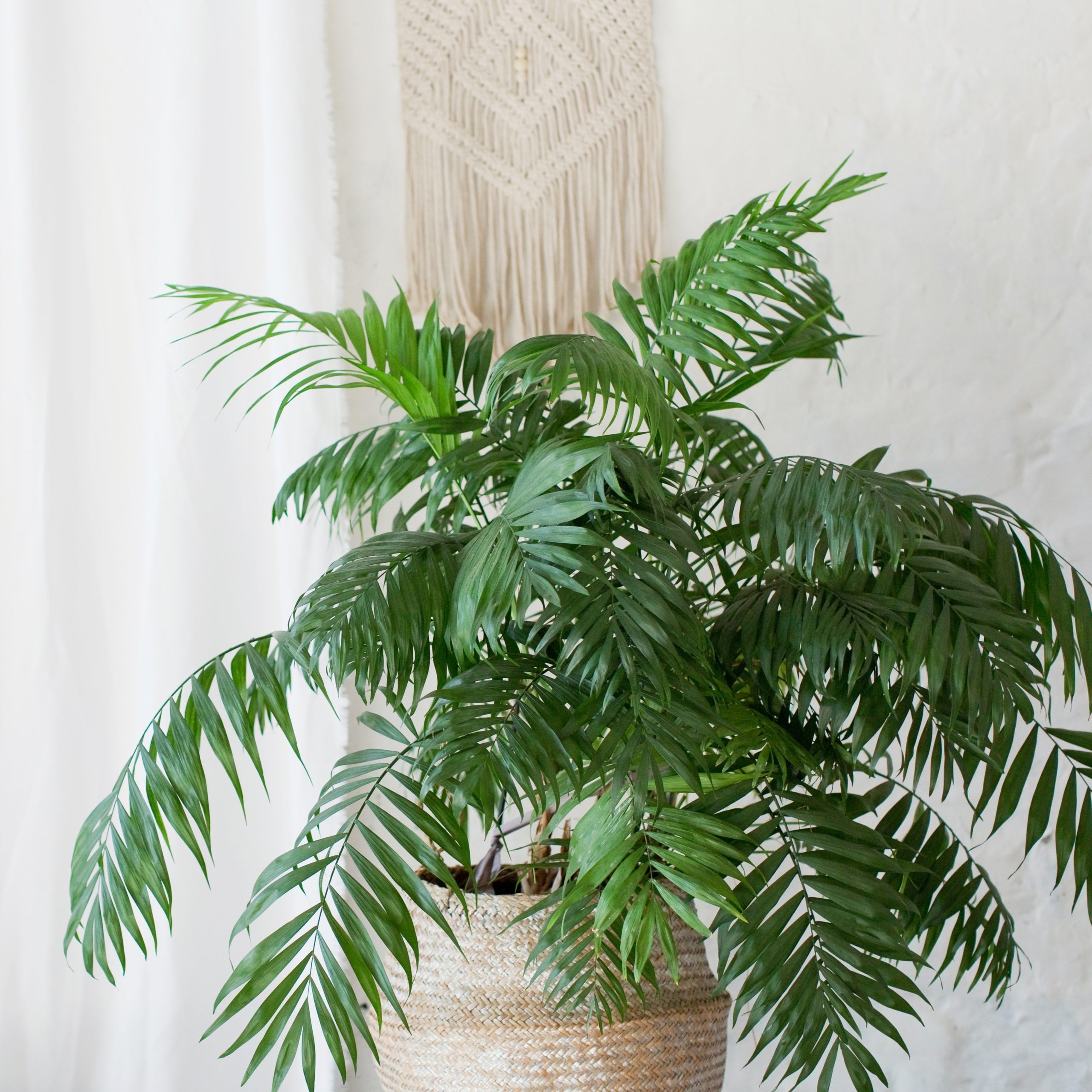
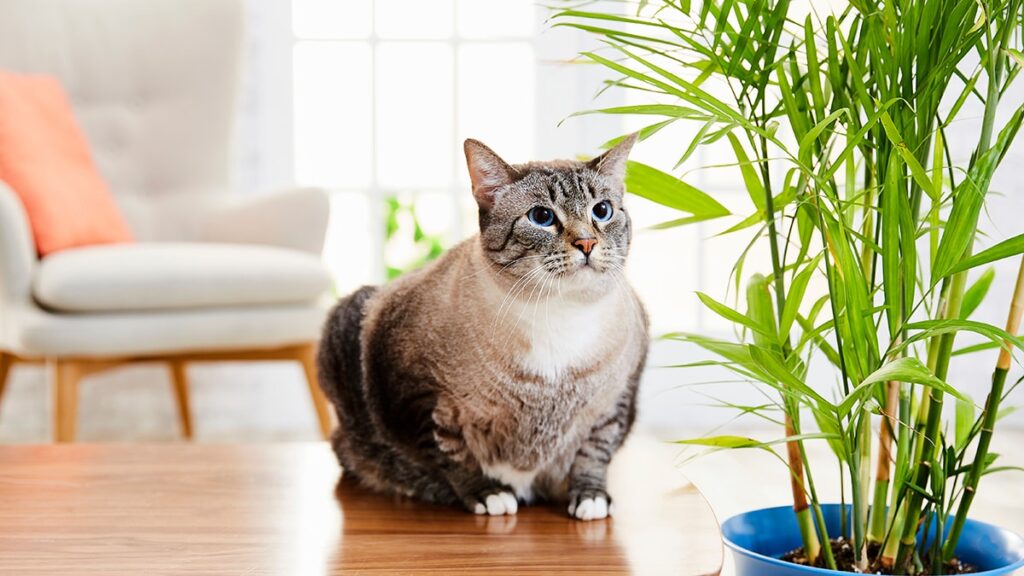
Some houseplants clean the air without harming cats. Spider plants, Boston ferns, and bamboo palms remove toxins safely. Place these plants in low light spots away from your cat’s reach. They add freshness and beauty to your home.
Avoid toxic plants like lilies and philodendrons. Always check if a plant is safe before bringing it inside. Plants help reduce dust and increase oxygen, making the air fresher for your cat.

Credit: kdfoundation.org
Frequently Asked Questions
Which Air Cleaning Plants Are Safe For Cats?
Spider plants, Boston ferns, and Areca palms are safe air cleaning plants. They purify air without harming cats. Avoid toxic plants like lilies and pothos to keep cats safe.
How Do Air Cleaning Plants Benefit Indoor Cats?
Air cleaning plants improve indoor air quality by removing toxins. This creates a healthier environment for cats. They also add humidity, which can ease respiratory issues in pets.
Can Cats Eat Air Cleaning Plants Safely?
Most safe air cleaning plants are non-toxic but not meant for eating. Small nibbling usually causes no harm. Prevent excessive chewing to avoid digestive upset in cats.
Are There Any Risks With Air Cleaning Plants And Cats?
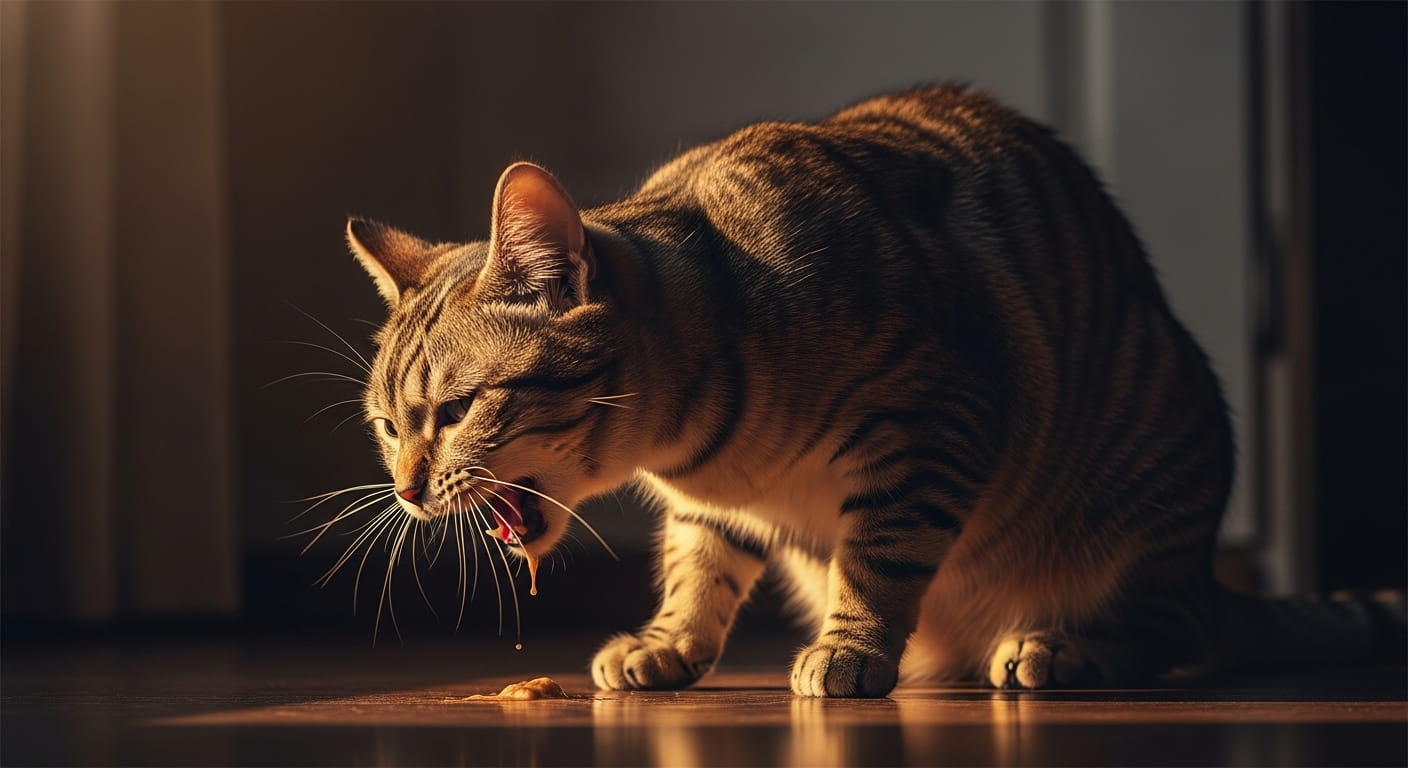
Toxic plants can cause vomiting, drooling, or lethargy in cats. Always research plant safety before bringing them home. Choose pet-friendly plants and monitor your cat’s behavior around them.
Conclusion
Choosing air cleaning plants safe for cats keeps your home fresh and pet-friendly. These plants help clean the air without harm to your furry friends. Place them in spots where your cats like to relax. Always watch your pets around new plants to stay safe.
Clean air and happy cats make a better home. Simple steps bring peace of mind and healthy living. Pick plants wisely, and enjoy a fresh, safe space for all.
**As an Amazon Associate, I earn from qualifying purchases.**