If your cat is struggling with constipation, you know how uncomfortable and worrying it can be—for both of you. Finding a safe and natural way to ease your furry friend’s discomfort is important.
You want something gentle, effective, and free from harsh chemicals. You’ll discover simple, natural remedies that can help relieve your cat’s constipation quickly and safely. Keep reading to learn how you can support your cat’s digestive health and bring back their happy, playful self.

Credit: lolahemp.com
Causes Of Constipation In Cats
Constipation in cats happens when they cannot pass stool easily. It causes discomfort and pain. Knowing the causes helps to find natural remedies and prevent the problem.
Several factors lead to constipation. They include diet, health issues, and lifestyle. Each factor affects a cat’s digestion and bowel movement.
Diet And Hydration Factors
Poor diet is a common cause of constipation in cats. Low fiber food makes stools hard and dry. Cats need enough water to keep stools soft. Without proper hydration, stool becomes difficult to pass. Feeding wet food or adding water helps prevent constipation.
Medical Conditions
Certain health problems cause constipation. Kidney disease, dehydration, and thyroid issues affect digestion. Intestinal blockages or nerve damage also stop normal bowel movement. Older cats are more prone to these conditions. Regular vet checkups can catch such problems early.
Lifestyle And Environment
Lack of exercise slows down digestion. Indoor cats with little movement often suffer constipation. Stress and changes in environment also affect bowel habits. Clean litter boxes encourage regular use. A calm, active lifestyle supports healthy digestion in cats.
Signs Your Cat Is Constipated
Constipation in cats can cause discomfort and health problems. Knowing the signs helps you act quickly. Cats cannot tell us when they are in pain. Watch your cat closely for unusual changes. Early detection can make treatment easier and safer.
Behavioral Changes
Your cat may act differently when constipated. It might hide more or seem restless. Some cats meow loudly or seem stressed. Loss of appetite is common. Your cat may avoid the litter box. Notice if your cat strains while trying to poop.
Physical Symptoms
Look for a hard, dry belly. Your cat’s stool may be small or missing. Sometimes your cat may have diarrhea mixed with hard stool. Swelling around the abdomen can occur. Your cat might lick its rear more often. Weakness or lethargy can also appear.
When To Seek Veterinary Care
If your cat hasn’t pooped for more than two days, call the vet. Severe straining or pain needs urgent care. Vomiting or loss of appetite for over 24 hours is a warning. Blood in the stool requires a vet visit. Don’t wait if your cat is very weak or unresponsive.
Safe Natural Remedies
Constipation in cats can cause discomfort and health issues. Safe natural remedies offer gentle ways to ease this problem. These methods focus on improving digestion and promoting regular bowel movements without harsh chemicals or drugs. They support your cat’s health naturally and safely.
Dietary Adjustments
Changing your cat’s diet can help relieve constipation. Adding fiber-rich foods like pumpkin or canned plain pumpkin supports digestion. High-quality wet food also adds moisture to the diet. Avoid dry food that may cause dehydration. Small, frequent meals keep the digestive system active.
Hydration Techniques
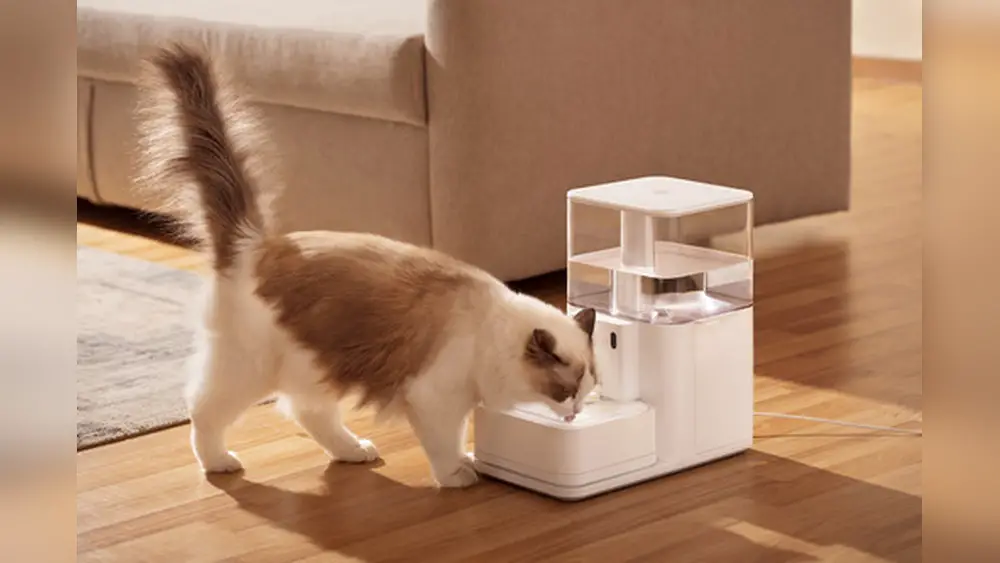
Water is vital for smooth digestion. Make fresh water available all day. Some cats prefer running water from a fountain. Adding a little water or broth to food increases fluid intake. Wet food also helps keep cats hydrated. Proper hydration softens stools and eases bowel movements.
Herbal Supplements
Certain herbs can help with mild constipation. Slippery elm powder soothes the digestive tract and adds fiber. Psyllium husk acts as a gentle bulk-forming agent. Always use pet-safe herbs and consult a vet before use. Herbs support regular digestion without harsh side effects.
Home Treatments To Try
Constipation in cats can cause discomfort and worry for pet owners. Home treatments offer gentle ways to ease your cat’s digestion. These methods support natural bowel movements without harsh chemicals. Try these simple remedies to help your cat feel better fast.
Massage And Exercise
Massage helps stimulate your cat’s intestines. Use gentle, circular motions on the belly. This can encourage bowel movements and relieve pressure.
Exercise boosts digestion and keeps your cat active. Play with toys or encourage short walks. Movement helps food move smoothly through the digestive tract.
Laxative Alternatives
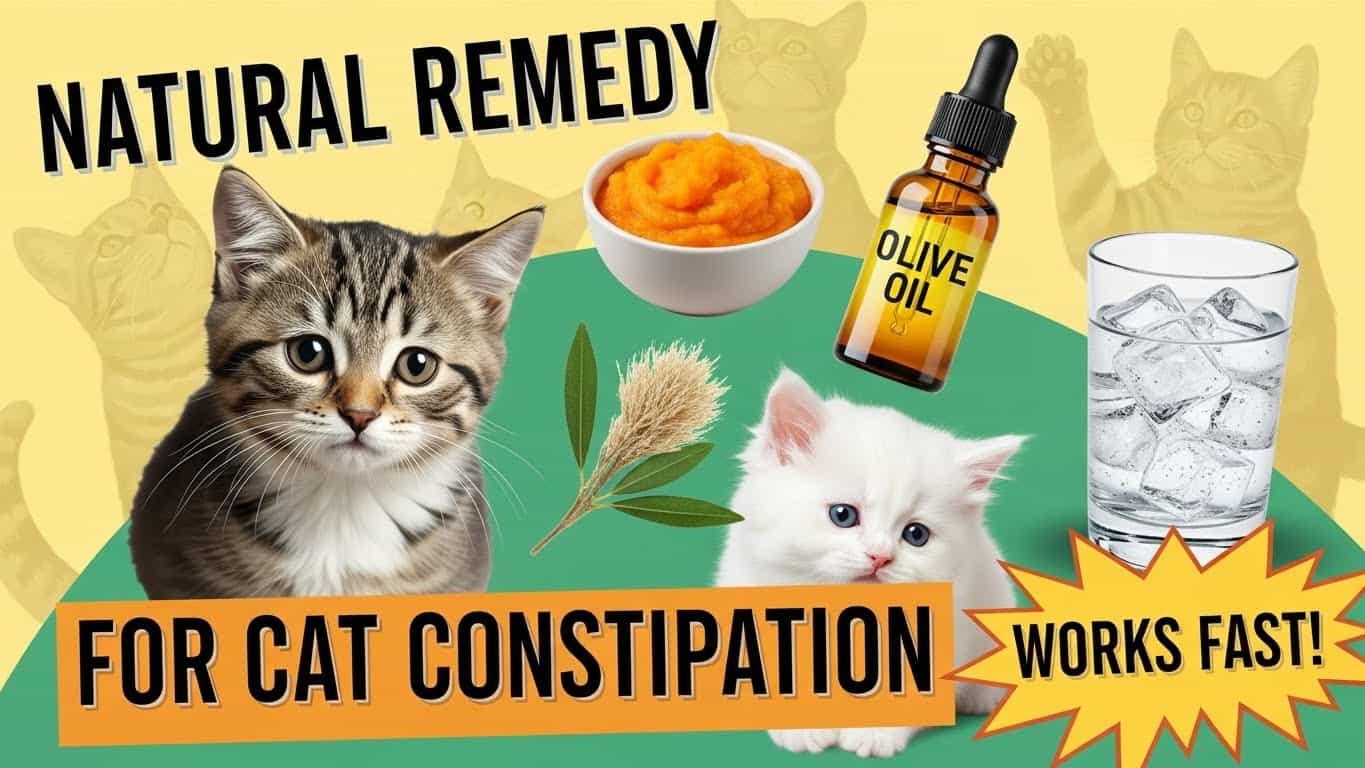
Natural laxatives can soften stool safely. A small amount of canned pumpkin is a good choice. It is high in fiber and gentle on the stomach.
Olive oil or fish oil may also ease constipation. Add a tiny amount to your cat’s food. These oils help lubricate the intestines for easier passage.
Probiotics For Gut Health
Probiotics balance your cat’s gut bacteria. Healthy bacteria improve digestion and stool quality. Use probiotic supplements made for cats.
Some yogurts contain probiotics, but choose plain and unsweetened types. Always check with your vet before adding new foods or supplements.
Preventing Future Constipation
Preventing future constipation in cats is key to keeping them healthy and happy. Constipation can cause pain and discomfort for your pet. Taking steps to avoid it helps maintain their digestion and overall well-being. Simple changes in diet, environment, and health care can make a big difference. Here are some practical tips to help your cat stay regular and comfortable.
Balanced Nutrition Tips
Feed your cat a diet rich in fiber. Fiber helps soften stool and promotes easy bowel movements. Include wet food or add water to dry food to increase moisture intake. Avoid giving your cat too many treats or table scraps. Fresh water should always be available to keep your cat hydrated. Proper nutrition supports good digestion and prevents constipation over time.
Creating A Stress-free Environment
Stress can affect your cat’s digestion and cause constipation. Provide a quiet and safe space for your cat to relax. Keep their litter box clean and in a calm area. Play and interact with your cat daily to reduce anxiety. Changes in routine or environment should be gradual. A peaceful home helps your cat stay healthy and regular.
Regular Vet Checkups
Schedule regular veterinary visits for your cat. Vets check for underlying health problems that may cause constipation. Early detection prevents serious complications. Discuss any changes in your cat’s bathroom habits with the vet. Follow their advice on diet and care. Regular checkups are essential for long-term digestive health.

Credit: www.youtube.com
When Natural Remedies Aren’t Enough
Natural remedies often help ease constipation in cats. They include diet changes, hydration, and gentle exercise. Sometimes, these methods do not work. Constipation can become serious and needs more care. Knowing when to seek professional help is important for your cat’s health.
Recognizing Severe Symptoms
Watch for signs like straining without results. Your cat may cry or seem in pain. A hard, swollen belly is a warning. Vomiting and loss of appetite also matter. These symptoms show the problem is serious. Act quickly to avoid harm.
Veterinary Treatments
Veterinarians use special tools to relieve constipation. They may give enemas or gentle massages. Medicines can soften stool and improve bowel movement. Sometimes, fluid therapy helps if dehydration is present. Surgery is rare but needed in tough cases.
Emergency Care Guidelines
If your cat stops eating or drinking, go to the vet. Severe pain or repeated vomiting needs urgent care. Do not try home treatments in emergencies. Keep your cat calm and warm during transport. Quick action can save your cat’s life.
Credit: www.holistapet.com
Frequently Asked Questions
What Are Natural Remedies For Cat Constipation?
Natural remedies include adding fiber-rich foods, pumpkin puree, and increasing water intake. Gentle exercise also helps stimulate digestion. These methods support smooth bowel movements without harsh chemicals or medications.
How Does Pumpkin Help Relieve Cat Constipation?
Pumpkin is high in fiber and moisture, which softens stool. It promotes regular bowel movements naturally. Feeding small amounts of plain pumpkin puree can ease constipation safely.
Can Hydration Prevent Constipation In Cats?
Yes, proper hydration softens stool and aids digestion. Provide fresh water daily and consider wet cat food. Hydrated cats have healthier bowel movements and fewer constipation problems.
Is Fiber Important For Cats With Constipation?
Fiber adds bulk to stool, making it easier to pass. Natural sources like pumpkin or psyllium help regulate digestion. Fiber supports long-term gut health and prevents constipation recurrence.
Conclusion
Natural remedies can help ease your cat’s constipation gently. Simple changes like adding fiber or water often work well. Always watch your cat’s behavior and stool closely. If problems last, visit the vet soon. Healthy digestion keeps your cat happy and active.
Small steps can make a big difference in their health. Care and patience bring the best results. Keep your cat comfortable with natural care.