Does your cat rarely drink water but happily eats wet food? You might be wondering if this is normal or if you should be worried.
Understanding why your cat behaves this way is important for their health. You’ll discover the reasons behind this behavior and simple steps you can take to ensure your furry friend stays hydrated and happy. Keep reading to learn how to care for your cat’s unique needs.
Credit: www.petmd.com
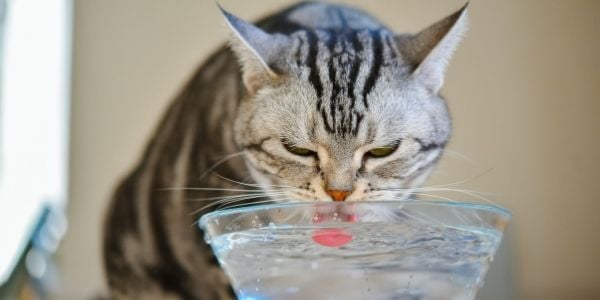
Why Cats Avoid Drinking Water
Cats often drink little water, even if they eat wet food. This behavior puzzles many cat owners. Understanding why cats avoid drinking water helps care for them better. Cats come from desert ancestors who got most water from food. Their natural habits still affect their drinking today.
Natural Hydration Habits
Cats evolved to get water from their prey. Their bodies are efficient at using moisture from food. This makes them less thirsty than other animals. Wild cats rarely drink free water but eat fresh prey with high moisture.
Pet cats keep these habits. Wet food provides much moisture, so cats may skip water bowls. Their bodies stay hydrated through food alone. This natural habit explains why some cats avoid plain water.
Taste And Texture Preferences
Cats have sensitive taste buds and smell. They may dislike the taste or smell of tap water. Some cats prefer moving water, like from a fountain. Stale or warm water can be unappealing.
Texture matters too. Cats might avoid water if their bowl feels uncomfortable. They prefer shallow, wide dishes to drink easily. Wet food texture also affects hydration, as it contains soft, moist pieces cats enjoy.
Common Water Aversion Causes
Several reasons cause cats to avoid water. Stress or fear of new bowls can stop cats from drinking. Dirty water bowls with smells turn cats away. Some cats develop habits after a bad experience with water.
Health issues like dental pain or urinary problems reduce drinking. Cats hide pain, so owners must watch closely. Poor water quality or location also deters cats from drinking enough.
Credit: www.preventivevet.com
Benefits Of Wet Food For Hydration
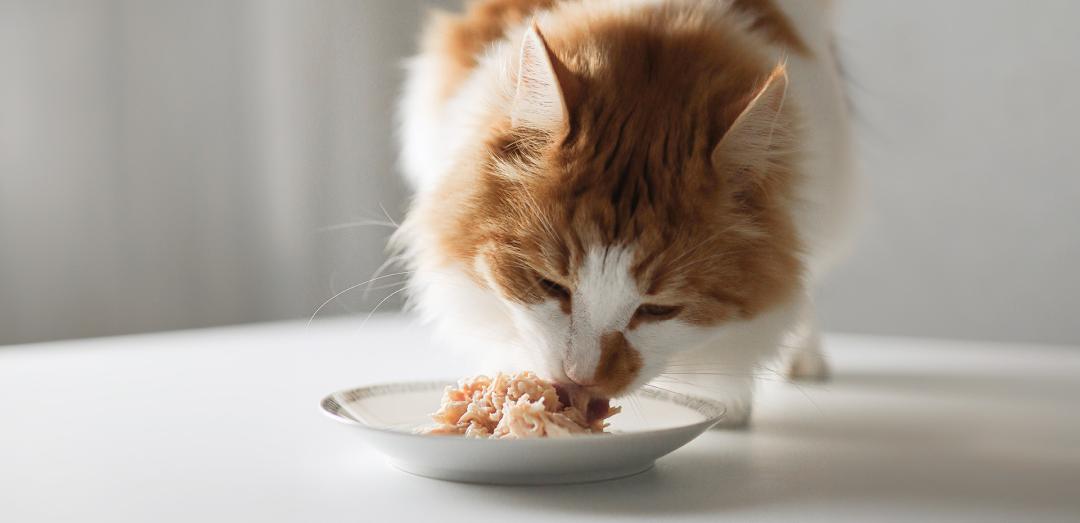
Wet food can help keep your cat hydrated without extra effort. Cats often drink little water but enjoy wet food. This food type contains a high water amount that supports hydration naturally. Feeding wet food helps maintain your cat’s fluid balance throughout the day.
Moisture Content In Wet Food
Wet food contains about 70% to 80% water. This high moisture helps increase your cat’s daily water intake. It reduces the need for your cat to drink extra water. Moisture in wet food also aids digestion and nutrient absorption.
How Wet Food Supports Kidney Health
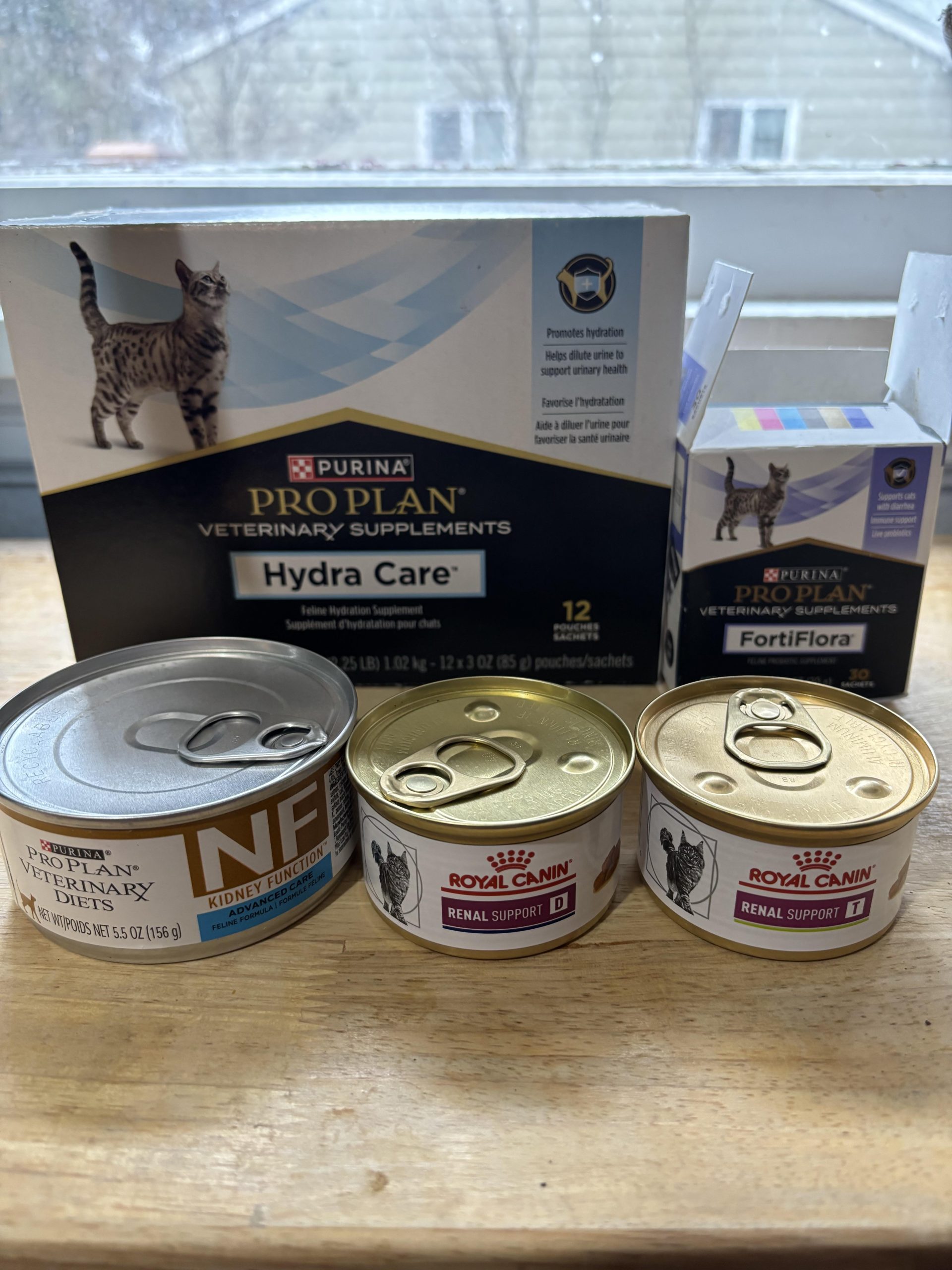
Proper hydration is key to healthy kidneys. Wet food’s water content helps flush toxins from the kidneys. It lowers the risk of urinary tract infections and kidney stones. Cats with kidney issues benefit from wet food hydration support.
Comparing Wet Food And Dry Food Hydration
Dry food contains only about 10% moisture. Cats eating dry food need to drink more water. Many cats do not drink enough to balance dry food intake. Wet food offers a simpler way to keep cats hydrated daily.
Signs Of Dehydration In Cats
Dehydration in cats can be serious. Cats that eat wet food may drink less water. This does not mean they get enough fluids. Wet food has water but may not fully hydrate your cat. Watch for signs of dehydration early. Acting fast helps keep your cat healthy.
Physical Symptoms To Watch
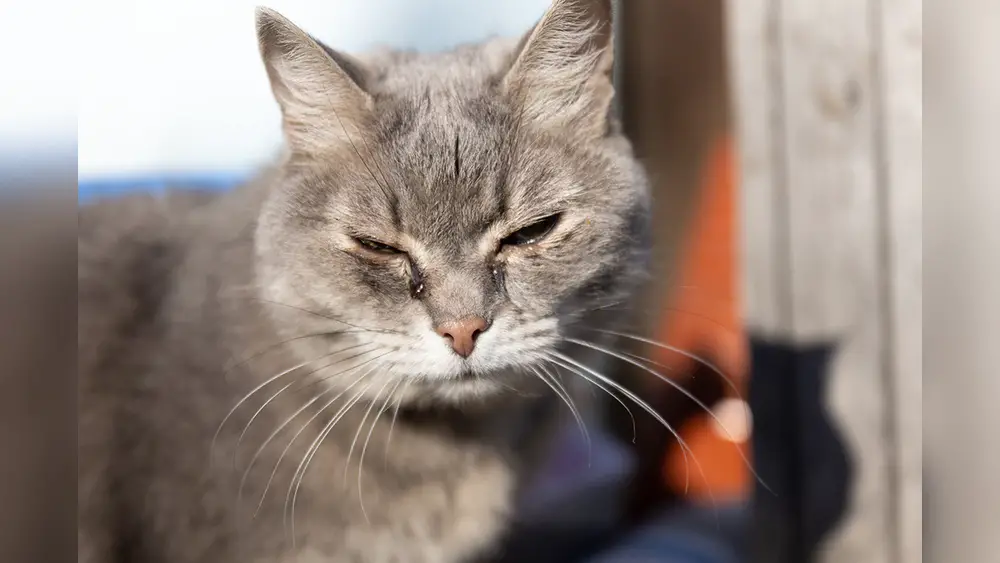
Check your cat’s skin by gently pulling it up. If it stays up or moves slowly, your cat may be dehydrated. Dry gums are another sign. Healthy gums feel moist and smooth. Sunken eyes can also mean dehydration. Look for weakness or lethargy. These are physical signs your cat needs water.
Behavioral Changes
Notice if your cat drinks less or stops eating. A thirsty cat may hide or sleep more. Your cat might seem restless or irritable. Dehydration affects energy levels and mood. Pay attention to changes in usual behavior. These clues show your cat may be unwell.
When To Contact A Veterinarian
Seek help if your cat shows severe symptoms. Vomiting, diarrhea, or difficulty breathing need immediate care. If your cat is weak or unresponsive, call the vet. Persistent dehydration can cause serious illness. Early treatment improves your cat’s chance to recover.
Credit: www.primacat.com
Encouraging Your Cat To Drink More Water
Encouraging your cat to drink more water helps keep them healthy and active. Cats often prefer wet food but may not drink enough water. This can lead to dehydration or urinary problems. Helping them drink more water supports their kidney and bladder health.
Water Bowl Placement And Types
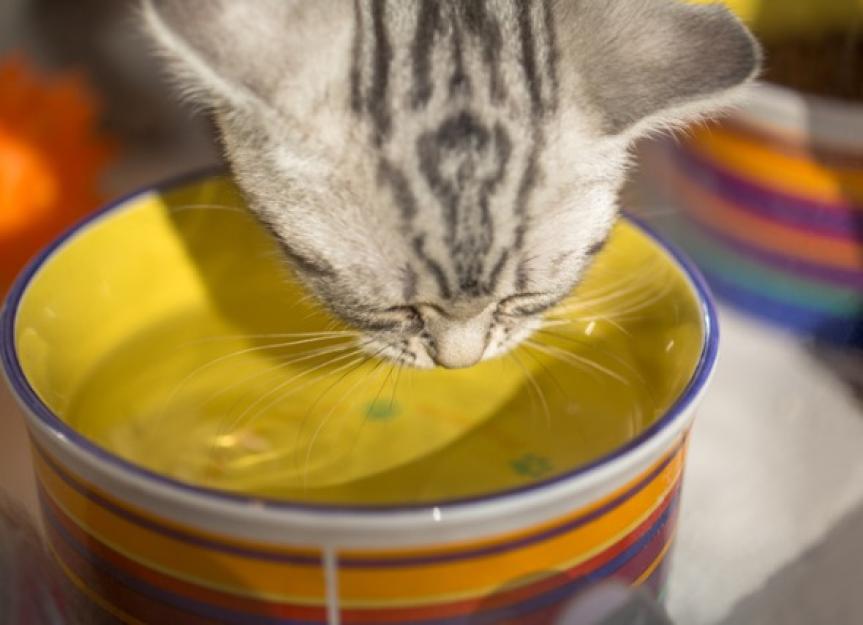
Place water bowls in quiet, easy-to-find spots. Avoid areas near their food or litter box. Cats like fresh, clean water, so wash bowls daily. Try different bowl materials like ceramic, glass, or stainless steel. Some cats dislike plastic bowls because of taste or smell. Use wide and shallow bowls to avoid whisker stress.
Using Fountains And Flavored Water
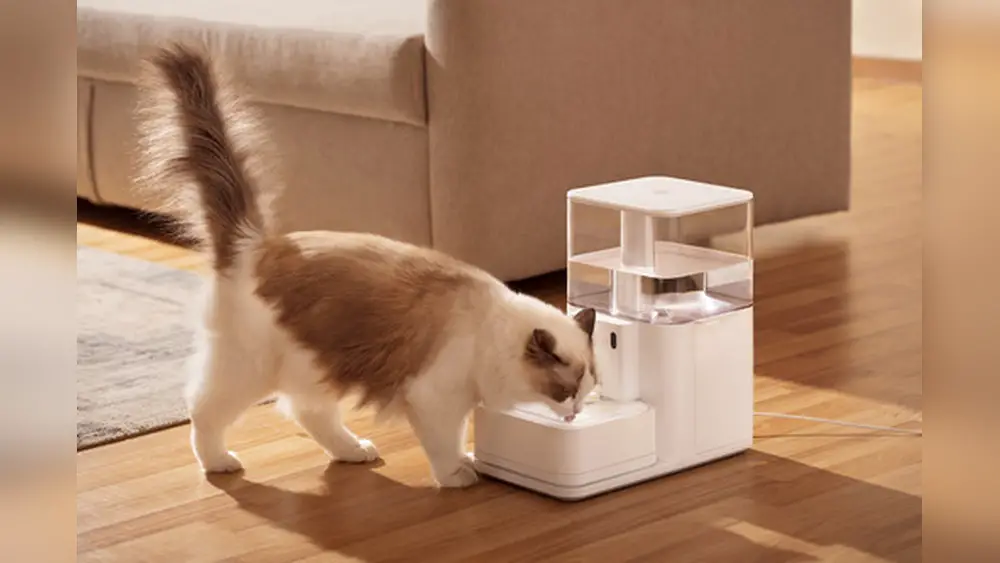
Water fountains attract cats with moving water. Flowing water looks fresh and tastes better to them. Keep fountains clean to avoid bacteria buildup. Add a little flavor by mixing tuna juice or low-sodium chicken broth. This adds interest without harmful ingredients. Watch for signs your cat enjoys the flavored water.
Incorporating Water-rich Treats
Offer treats that contain water to boost hydration. Ice cubes made from tuna broth or chicken broth are a fun option. Frozen fruits like small pieces of melon can work too. Try blending wet food with extra water to make a soupy meal. These treats increase water intake without stress.
When To Worry About Your Cat’s Water Intake
Knowing when to worry about your cat’s water intake is important. Cats that eat wet food get some water from their meals. But they still need to drink water daily. Some cats drink little water, yet stay healthy. Others may show signs of dehydration or illness. Watch your cat carefully to spot any problems early. Understanding the signs helps keep your cat safe and well.
Health Conditions Linked To Low Water Intake
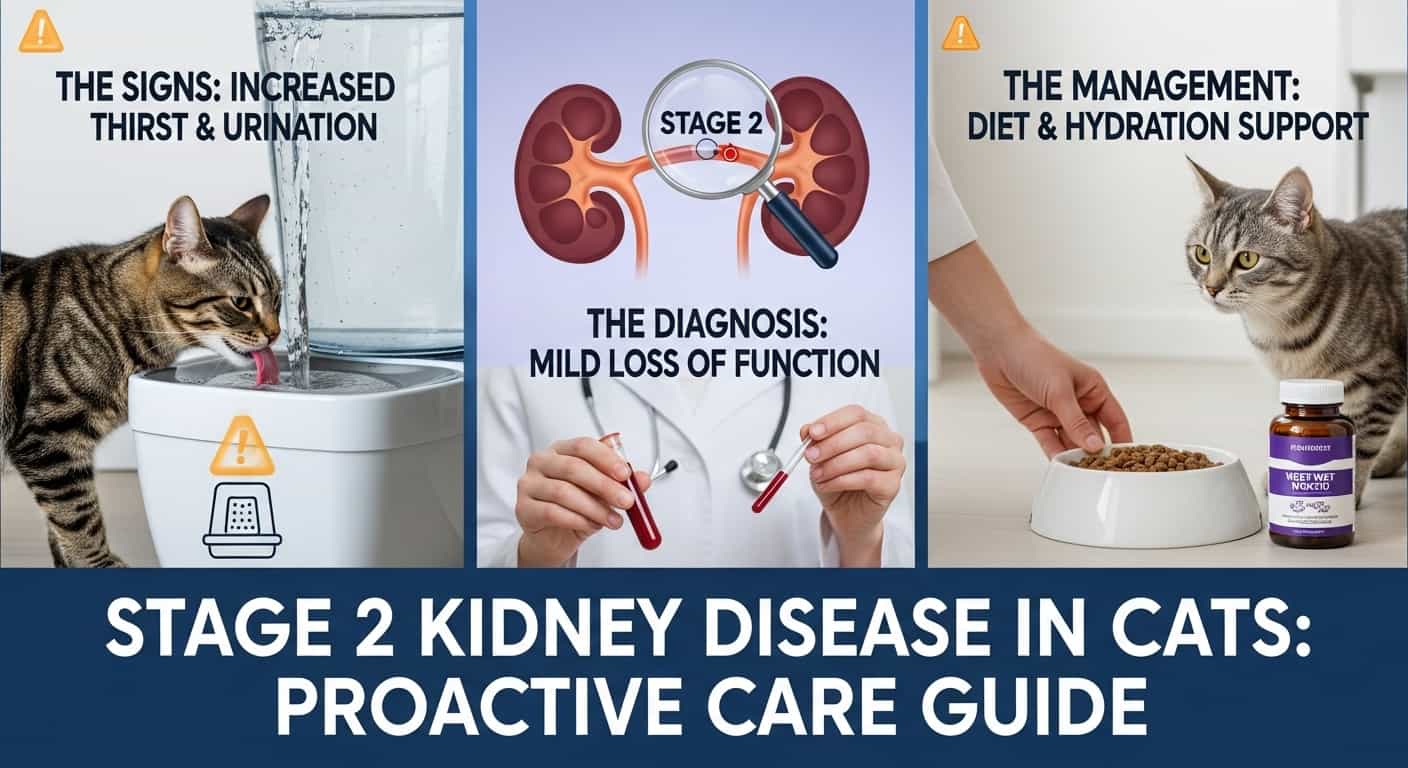
Low water intake can cause health problems in cats. Kidney disease is common and worsens without enough water. Urinary tract infections also happen when cats do not drink enough. Dehydration can lead to serious issues quickly. Keep an eye on your cat’s drinking habits to prevent these conditions.
Monitoring Urine Output And Frequency
Check how often your cat pees and how much. Less urine may mean low water intake or illness. Too much urinating can also signal health problems. Watch for changes in color or smell of urine. These signs help catch problems early before they get worse.
Veterinary Tests And Diagnosis
A vet can test your cat if water intake seems low. Blood tests check kidney and liver health. Urine tests find infections or other problems. Sometimes X-rays or ultrasounds show hidden issues. Early diagnosis helps treat your cat quickly and well.
Frequently Asked Questions
Why Doesn’t My Cat Drink Water But Eats Wet Food?
Cats get most of their hydration from wet food, which contains 70-80% water. They may not feel thirsty when eating wet food regularly. This natural behavior helps them stay hydrated without needing to drink much water.
Is It Normal For Cats To Avoid Drinking Water?
Yes, many cats prefer wet food over water because it meets their hydration needs. Cats evolved from desert animals, so they naturally drink less water. Providing wet food helps ensure they stay properly hydrated.
Can Wet Food Alone Keep My Cat Hydrated?
Wet food provides significant hydration but doesn’t replace fresh water entirely. Always offer clean water alongside wet food. Some cats still need water for optimal kidney and urinary health.
Should I Be Worried If My Cat Rarely Drinks Water?
If your cat eats wet food and has no health issues, it’s usually not a concern. Watch for signs of dehydration like lethargy or dry gums. Consult a vet if you notice unusual symptoms.
Conclusion
Cats who eat wet food may drink less water naturally. Wet food contains a lot of moisture, helping keep cats hydrated. Still, watch for signs of dehydration or health problems. Offer fresh water daily and keep bowls clean to encourage drinking.
Each cat is different, so observe your pet’s habits carefully. Healthy hydration supports your cat’s overall well-being and energy. Keep learning about your cat’s needs and adjust care as needed. Simple steps can help your cat stay happy and healthy.