Bringing a new kitten home is both exciting and a little overwhelming. In the first few weeks, you’ll notice your kitten is curious, playful, and sometimes a bit nervous. Everything is new for them—your voice, your furniture, and even the smells in your house. You may see bursts of energy followed by long naps. This adjustment period is important: it’s when your kitten learns what’s safe, who to trust, and where their food and litter box are. With the right steps, you’ll help your kitten feel comfortable, stay healthy, and grow into a confident, loving companion. Here’s a complete guide to taking care of a kitten from the moment you bring them home.
Preparing Your Home Before The Kitten Arrives
Welcoming a kitten means making your home safe and comfortable. Kittens are explorers—they squeeze into small spaces, chew things, and play with anything that moves. Preparing ahead helps prevent accidents and stress. Taking the time to get your house ready also means you can relax and enjoy your new pet instead of worrying about dangers.
Kitten-proofing Your Home
Kittens are clever and fast. They can get into trouble easily, so careful kitten-proofing is a must:
- Hide electrical wires behind furniture or use cord protectors. Kittens love to chew, and wires can cause shocks or burns. Even a short nibble can be dangerous. For long cords, try wrapping them in plastic tubing.
- Secure windows and balconies with sturdy screens. Kittens can fall, even from low windows. Some cats have survived big falls, but many end up badly hurt.
- Remove small objects like rubber bands, hair ties, and buttons. These can be swallowed and cause blockages. Kittens are especially tempted by anything that bounces or rolls.
- Block off tight spaces behind appliances or furniture where kittens can get stuck. Some kittens hide when nervous, and you might not find them for hours.
- Check houseplants. Some common plants, like lilies and poinsettias, are toxic to cats. Remove or place them out of reach. Even non-toxic plants can cause stomach upset if chewed.
- Keep cleaning products and medicines in closed cabinets. Kittens can open doors with their paws or noses. Even “natural” products can be harmful.
Non-obvious tip: Kittens are drawn to dangling cords—blind cords, phone chargers, and even shoelaces. Tie them up or use cord shorteners. Many people forget that kittens love to climb curtains as well—consider tying up or removing long curtains until your kitten is older.
If you have children, remind them to keep small toys and craft items off the floor. Kittens will find them!
Setting Up A Kitten Zone
Before your kitten arrives, create a quiet, safe space just for them. This helps them feel secure and prevents them from getting lost in a big house.
- Choose a small room or corner away from busy areas. Bathrooms or laundry rooms often work well.
- Add a cozy bed, litter box, food and water bowls, and a few toys. Don’t put the litter box too close to food.
- Make sure the area is warm (kittens chill easily) and free of drafts. If it’s cold, add a soft blanket or even a heating pad set on low (covered with a towel).
Your kitten’s zone is their “home base. ” Let them explore the rest of your house slowly over several days. If you have other pets, this also gives you a chance to control introductions.
Some kittens will hide for the first day or two. This is normal. Spend time sitting quietly in the room, talking softly or reading aloud, so your kitten gets used to your presence.
Essential Supplies Checklist
Having the right supplies makes your kitten’s first days smoother. Here’s what you’ll need:
- Litter box (low-sided for easy access)
- Litter (unscented, non-clumping for very young kittens)
- Food and water bowls (ceramic or stainless steel are best; plastic can hold bacteria or cause chin acne)
- Kitten food (wet and/or dry, suitable for their age)
- Comfortable bed or blanket (some kittens like a covered bed for hiding)
- Scratching post or pad (encourage scratching here, not on furniture)
- Toys (wand toys, balls, soft mice; avoid toys with small parts that can come off)
- Carrier (for travel and vet visits, lined with a towel or blanket)
- Grooming brush (even for short-haired kittens)
- Kitten-safe cleaning supplies (for accidents)
Practical insight: Set up your kitten’s supplies before they arrive. This helps them settle in quickly and makes your life easier during those busy first days. If you buy a new bed, sleep with the blanket first to add your scent—it helps your kitten feel safe.
Don’t forget to buy a scratching post early. If you wait, your kitten may choose your sofa instead!
Feeding Your Kitten — What And How Much
A healthy diet is essential for your kitten’s growth and energy. Kittens need more protein, fat, and calories than adult cats. The right food and feeding routine help them develop strong bones, muscles, and a good immune system. Feeding your kitten properly now can prevent health problems later.
Kitten Food Vs Adult Cat Food
Kitten food is designed for fast-growing bodies. It contains:
- More protein for building muscle and organs. This supports your kitten’s rapid development.
- More fat for energy and brain development. Fats also help keep your kitten’s coat shiny and skin healthy.
- Extra vitamins and minerals for bones and teeth, like calcium, phosphorus, and vitamin D.
Adult cat food doesn’t meet these needs and can leave kittens undernourished.
Example: A 2-month-old kitten eating only adult food may not gain enough weight or may develop weak bones. Long-term, this can lead to stunted growth and a weaker immune system.
Non-obvious insight: Some “all-life-stages” foods are safe for kittens, but check labels and ask your vet before choosing these.
Wet Vs Dry Food For Kittens
Both wet and dry foods have pros and cons. Many owners use a mix.
| Type | Pros | Cons |
|---|---|---|
| Wet food | High moisture, easy to eat, smells good to kittens | More expensive, spoils quickly, messy |
| Dry food | Convenient, can be left out, helps clean teeth | Lower moisture, may be hard for tiny kittens to chew |
Insight: Young kittens (under 8 weeks) often do better on wet food, as their teeth and jaws are still small. Wet food also helps keep them hydrated, which is important since kittens may not drink much water on their own.
Some kittens prefer one type over the other. Don’t be afraid to experiment, but always change foods gradually to prevent stomach upset.
Non-obvious tip: If your kitten has soft stool or diarrhea, try changing the type or brand of food. Sometimes it’s the texture or a certain ingredient that doesn’t agree with them.
Feeding Schedule By Age
Kittens need frequent, small meals. Here’s a general guide:
| Age | Meals per Day | Notes |
|---|---|---|
| 0-4 weeks | Every 2-3 hours | Kitten milk replacer only (if orphaned) |
| 4-8 weeks | 4-5 | Introduce wet food with milk replacer |
| 8-12 weeks | 4 | Wet and/or dry kitten food |
| 12 weeks + | 3-4 | Kitten food, fresh water always available |
Don’t overfeed—kittens will eat more than they need if food is always available. Measure portions based on the package and your vet’s advice.
Make sure your kitten always has access to fresh, clean water. Change it daily, and wash bowls often to prevent bacteria.
Non-obvious insight: Kittens often ask for food when they’re bored, not hungry. If your kitten meows between meals, try a play session instead of more food.
If you’re unsure how much to feed, check your kitten’s body condition. You should feel, but not see, their ribs.
Litter Box Training Your Kitten
Most kittens learn litter box habits from their mother, but some need extra help. Choose a box with low sides so your kitten can climb in and out easily. Place it in a quiet, accessible spot—not next to food and water.
Steps for successful training:
- Show your kitten the box as soon as they arrive. Gently place them inside and let them sniff around.
- Place them in the box after meals, naps, and play sessions. These are common times for kittens to need to go.
- If they have an accident, clean it thoroughly (use enzyme cleaners to remove smells). This prevents repeat accidents in the same spot.
- Avoid punishment. Instead, gently place your kitten in the box if you catch them starting to go elsewhere.
Non-obvious insight: Scent matters. Clean the box daily but don’t use strong-smelling cleaners—kittens like a familiar scent in their box. Too much odor can turn them off, but a little scent reassures them it’s the right place.
If your kitten refuses the box, try a different litter or box style. Sometimes, the texture or smell puts them off. Some kittens prefer open boxes; others feel safer in covered ones. Experiment if needed.
Tip: Use multiple boxes if your home is large or has more than one floor. The rule of thumb is one box per cat, plus one extra.
Socialisation — How To Raise A Confident, Friendly Cat
Early socialisation is key to a well-adjusted adult cat. Kittens aged 2–9 weeks are especially open to new experiences. Positive exposure to people, pets, and noises helps prevent fear and aggression later.
How to socialise your kitten:
- Gently handle your kitten every day. Touch their paws, ears, and mouth to get them used to being held. This helps future vet visits and grooming.
- Introduce new people slowly—one at a time, in a calm space. Let your kitten approach at their own pace.
- Expose them to sounds like the vacuum, TV, or doorbell, starting at a low volume. Gradually increase volume over time.
- Let them explore new rooms or safe outdoor spaces (supervised). Some owners use a harness and leash for safe outdoor time.
If you have other pets, introduce them gradually. Keep your kitten in their zone at first and swap bedding between pets to share scents.
Practical tip: Reward curiosity, not fear. Use treats and praise when your kitten investigates something new. Never force interactions—let your kitten watch from a safe spot until they feel brave.
Non-obvious insight: Kittens who meet friendly dogs, gentle children, or guests early are less likely to fear them later. If you want a “lap cat,” pick up and gently hold your kitten several times a day.
If your kitten hisses or hides, stay calm. Give them space and try again later. Patience is key.
Kitten Vaccinations — What They Need And When
Vaccinations protect your kitten from deadly diseases. Most kittens need their first shots at 6–8 weeks of age, then boosters every 3–4 weeks until about 16 weeks old.
Core vaccines include:
- Feline panleukopenia (distemper)
- Feline calicivirus
- Feline herpesvirus
- Rabies (required by law in many places)
Your vet may recommend extras, like feline leukemia, if your kitten will go outside or live with other cats.
Typical vaccination schedule:
- 6–8 weeks: First core vaccines
- 10–12 weeks: Second round
- 14–16 weeks: Final round, rabies
Missed a vaccine? Talk to your vet. Starting late is better than not at all.
Non-obvious insight: Some kittens feel sleepy or have a mild fever after vaccines. This is normal. If your kitten seems very weak or has swelling, call your vet.
Ask your vet about annual boosters. Indoor cats may need fewer, but outdoor cats need full protection. Keep a record of all shots—boarding facilities and groomers will ask for proof.
Your Kitten’s First Vet Visit — What To Expect
Your first vet appointment should happen within a week of bringing your kitten home. The vet will:
- Weigh and examine your kitten from nose to tail
- Check for fleas, ear mites, and worms
- Discuss diet, litter, and care routines
- Start or continue vaccinations
- Plan deworming and flea prevention
Bring any records you have and a stool sample if possible. Ask about spaying or neutering, microchipping, and recommended tests.
During the visit, your kitten may be scared. Talk softly and bring a familiar blanket or toy. Most kittens recover quickly after the visit.
Practical tip: Write down your questions ahead of time. It’s easy to forget details in the moment.
Non-obvious insight: The first visit sets the tone for future vet trips. Ask the staff if you can stop by for “happy visits” (just for treats and cuddles) so your kitten doesn’t always connect the vet with needles.
Grooming Your Kitten From Day One
Regular grooming keeps your kitten clean and comfortable. Start gentle grooming early so your kitten learns to enjoy it.
- Brushing: Even short-haired kittens need brushing to remove loose fur and prevent hairballs. Long-haired kittens need daily brushing to avoid mats.
- Bathing: Most kittens don’t need baths unless very dirty. Use only kitten-safe shampoo. Never use human shampoo—it can dry their skin.
- Nail trimming: Trim tips every 2–3 weeks. Use special cat clippers. Start slow, just one or two nails at a time.
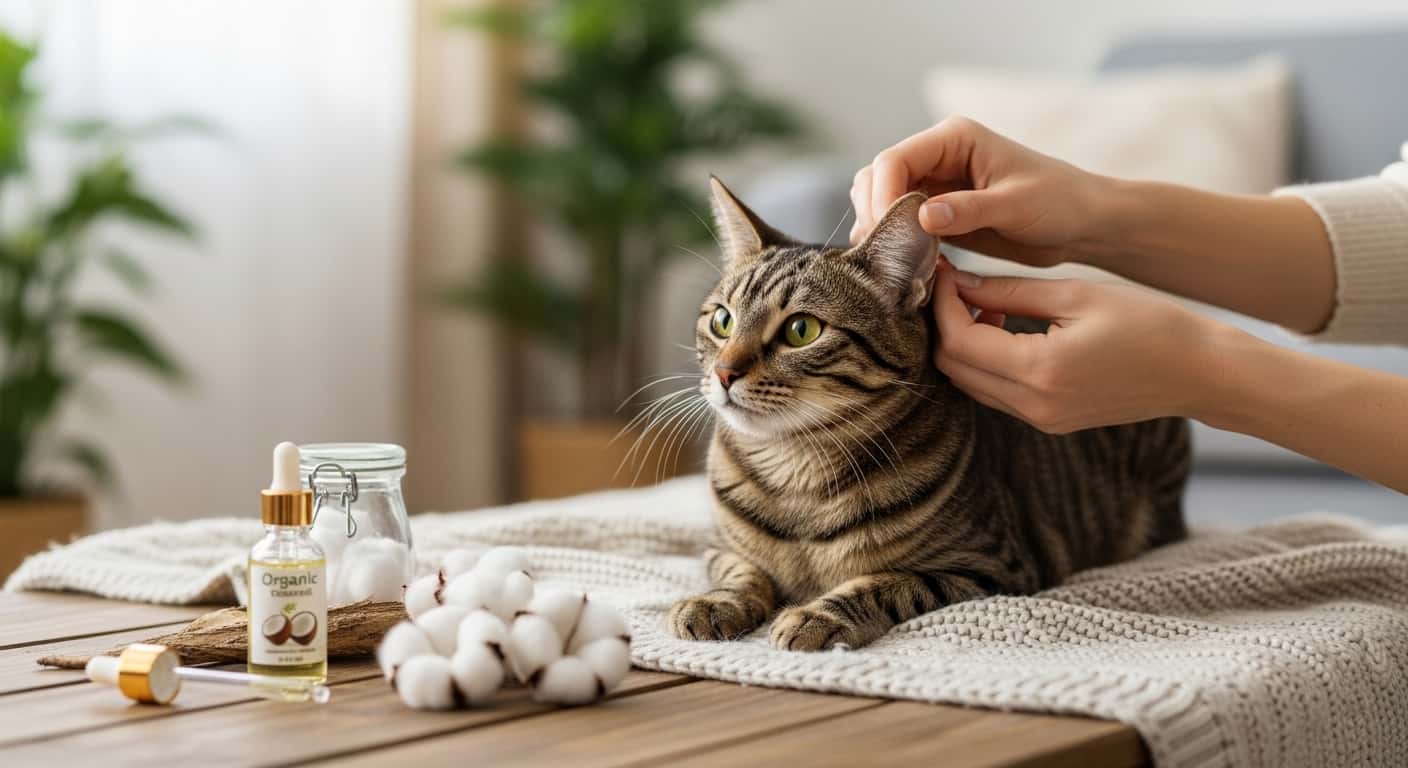
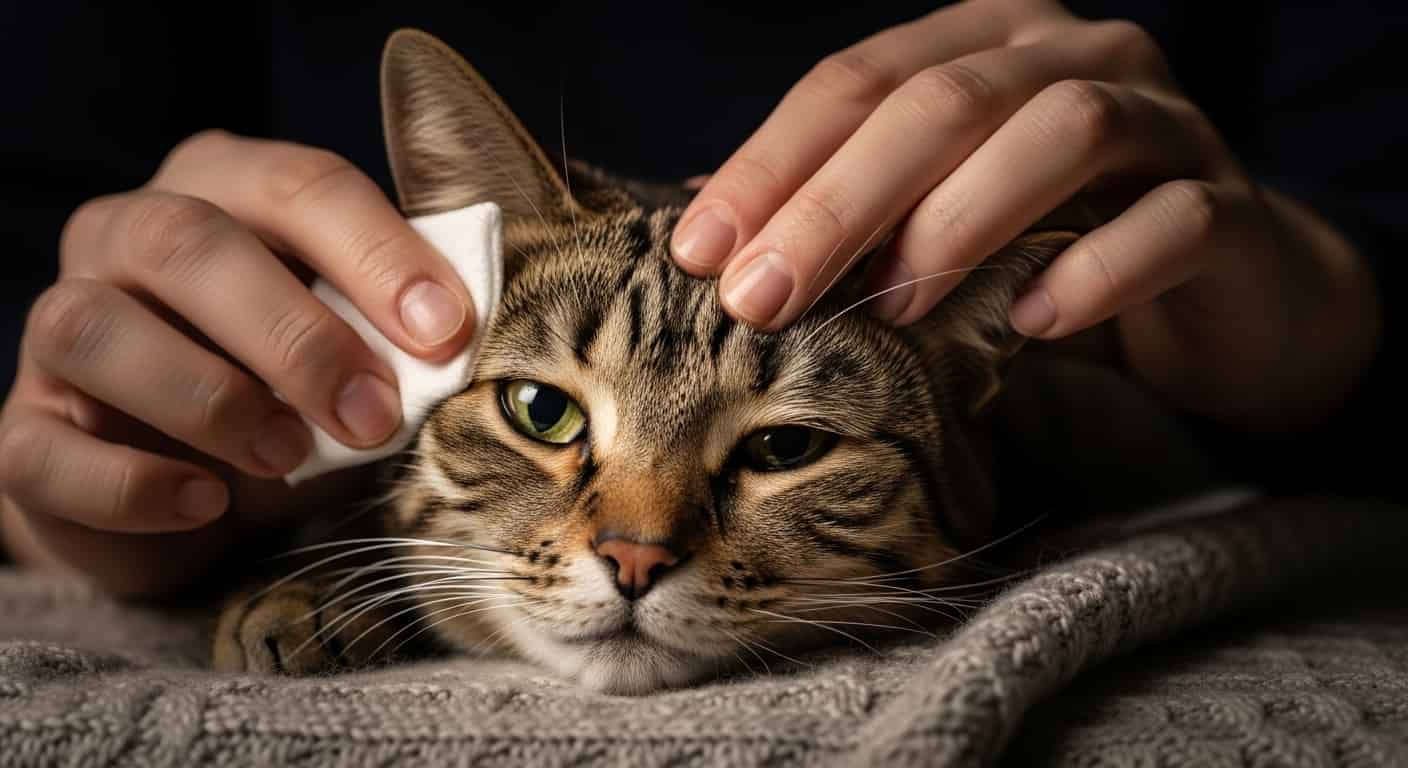
- Ears and eyes: Check weekly. Wipe away dirt with a damp cotton pad—never use cotton swabs inside ears. If you see redness or a bad smell, ask your vet.
Grooming is also bonding time. Offer treats and praise to build positive feelings.
Non-obvious tip: If your kitten hates grooming, try brushing during a nap. Short, gentle strokes often work best. Some kittens relax more if you hold them in your lap and talk softly.
If you start grooming early, your adult cat will be much easier to care for.
Play And Enrichment For Kittens
Kittens are hunters at heart. Play is how they learn to chase, pounce, and solve problems. Without enough play, kittens get bored—and boredom can lead to trouble.
- Interactive toys like wand teasers, balls, and puzzle feeders keep kittens active and engaged. Playtime helps use up extra energy and prevents bad habits.
- Scratching posts save your furniture and help kittens stretch and sharpen their claws. Place posts near sleeping areas and main rooms.
- Climbing trees or shelves satisfy your kitten’s love of heights. Shelves give safe spots to watch the world.
Try different toys to see what your kitten likes—some prefer soft mice, others love noisy balls.
| Toy Type | Benefits | Best For |
|---|---|---|
| Wand toys | Exercise, bonding, hunting practice | All kittens |
| Puzzle feeders | Brain stimulation, slow eating | Older kittens (3+ months) |
| Catnip toys | Fun, relaxation | Kittens over 6 months |
Insight: Rotate toys every few days. Kittens get bored if the same toys are always out.
Interactive play is best—try at least two 10-minute sessions daily. Let your kitten “catch” the toy sometimes. This builds confidence and reduces frustration.
Non-obvious tip: Never use your hands or feet as toys. This teaches kittens to bite and scratch people.

Credit: www.bluebuffalo.com
Kitten Development Milestones — Week By Week
Watching your kitten grow is rewarding. Each week brings new changes in behavior, health, and appearance.
- Week 1–2: Eyes open, ears unfold. Kitten still needs mother’s milk or special formula. They sleep almost all the time.
- Week 3–4: Teeth start to come in. Kitten tries walking, starts to play with littermates. They begin to purr and explore.
- Week 5–6: Learns to use the litter box, begins grooming themselves. Weaning starts. Social play increases.
- Week 7–8: Play becomes rougher, social skills develop. Kitten ready for adoption. They need lots of gentle handling.
- Week 9–12: Fast growth. Kitten explores new spaces and people, eats solid food. Vaccinations continue.
- Week 13–16: Vaccines complete, ready for more independence. Kitten can safely meet more people and pets.
Non-obvious insight: Early handling and gentle play in weeks 3–8 leads to friendlier adult cats.
Development varies. Some kittens grow faster than others, especially if they were sick or orphaned. If your kitten seems behind (not playing, not using the box, or slow to grow), talk to your vet.
Tip: Take photos every week—you’ll be amazed how quickly your kitten changes!
When To Be Concerned — Signs Your Kitten Is Unwell
Kittens can get sick quickly. Watch closely for these warning signs:
- Refusing food or water for more than 12 hours
- Lethargy (unusually tired, not playing)
- Vomiting or diarrhea (especially with blood)
- Sneezing, coughing, or runny eyes/nose
- Swollen belly or trouble breathing
- Unsteady walking or seizures
- Persistent scratching (could mean fleas or skin problems)
Kittens hide illness well. If something seems “off,” trust your instincts and contact your vet.
Practical tip: Keep a notebook of your kitten’s normal habits. Changes in eating, litter box use, or behavior can signal problems early.
Non-obvious insight: Low blood sugar is common in tiny kittens who skip meals. If your kitten is shaky or weak, rub a little honey on their gums and call your vet.
Never wait to seek help—young kittens can go downhill fast.
Credit: www.shattovet.com
Spaying And Neutering — When And Why
Spaying (for females) and neutering (for males) is important for your kitten’s long-term health and to prevent unwanted litters.
Benefits:
- Reduces risk of certain cancers and infections
- Prevents unwanted behaviors (spraying, yowling, roaming)
- Helps control cat overpopulation
Most vets recommend spaying or neutering at 5–6 months old, before your kitten’s first heat or mating urge. Some shelters do it as early as 8 weeks.
Common myth: Spaying/neutering will make your kitten fat. In reality, weight gain is caused by too much food and too little exercise.
Non-obvious tip: Recovery is usually quick—kittens bounce back faster than adults. Keep your kitten indoors and calm for a few days after surgery.
Ask your vet about pain medication. Most kittens need little, but some are more sensitive.
Frequently Asked Questions
How Old Should A Kitten Be Before Leaving Its Mother?
Kittens should stay with their mother and siblings until at least 8 weeks old. This helps them learn social skills and develop a strong immune system.
Can I Bathe My Kitten?
You can bathe a kitten if they are very dirty, but most kittens clean themselves well. Use only kitten-safe shampoo and warm water. Never use human shampoo.
Dry your kitten well after a bath and keep them warm until fully dry. If your kitten hates water, try a damp towel instead.
What Is The Best Litter For Kittens?
Use unscented, non-clumping litter for young kittens. Clumping litter can cause problems if swallowed. After 4 months, you can switch to clumping if you wish.
How Do I Introduce My Kitten To An Older Cat?
Keep your kitten in a separate room at first. Exchange bedding so they get used to each other’s scent. Gradually allow short, supervised meetings. Go slowly and offer treats to both cats.
Some hissing is normal. Don’t rush the process—it can take days or weeks.
Where Can I Find More Information About Kitten Care?
For more detailed guidance, see the resources at the Humane Society of the United States.
Bringing a kitten home is the start of a wonderful journey. With the right care, your kitten will grow into a healthy, happy cat. Remember, every kitten is unique—watch, listen, and adjust as you learn together. For more support and tips, check out our related kitten care guides and enjoy every moment with your new furry friend.

Credit: www.sanjoseca.gov
**As an Amazon Associate, I earn from qualifying purchases.**