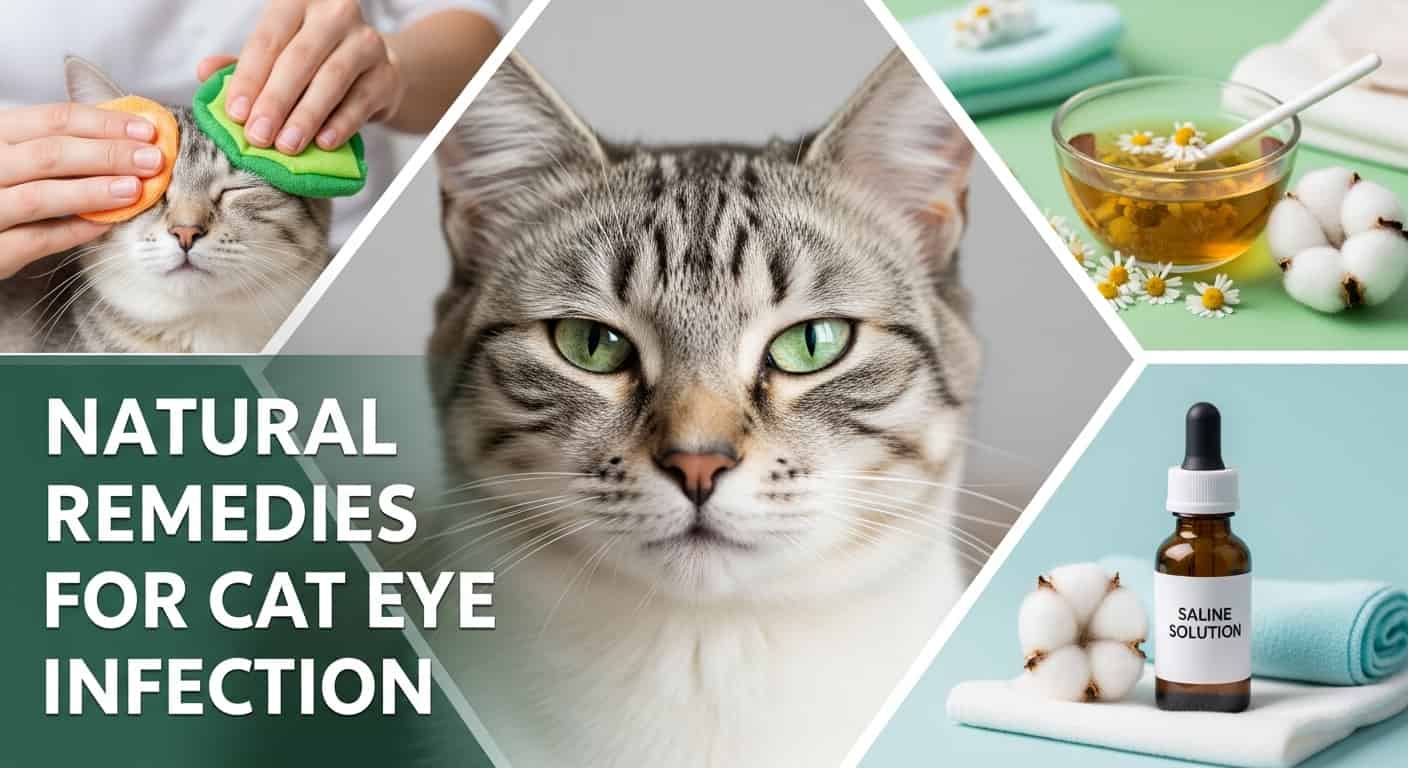
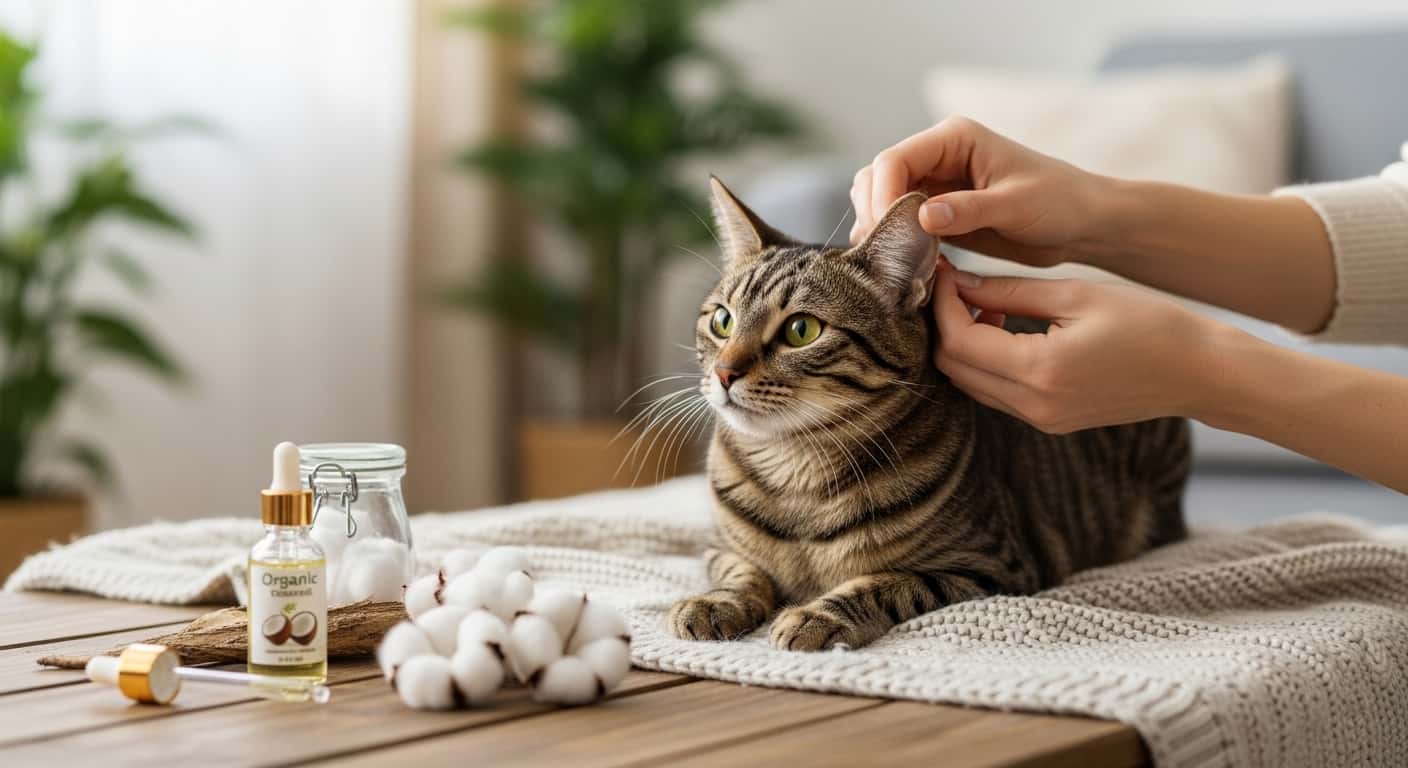
If your cat is scratching its ears or shaking its head more than usual, it might be dealing with an ear infection. These infections can cause discomfort and even pain for your furry friend.
But before rushing to the vet, there are simple home remedies you can try to help soothe your cat’s ears and start the healing process. You’ll discover easy and safe ways to care for your cat’s ear infection right at home.
Keep reading—you’ll learn how to bring relief to your pet quickly and effectively.

Credit: www.youtube.com
Causes Of Cat Ear Infections
Cat ear infections are common and can cause discomfort. Understanding the causes helps in prevention and care. Several factors can trigger ear infections in cats. These factors often work together to create a perfect environment for infection.
Common Ear Infection Triggers
Moisture in the ear is a major trigger for infections. Water from baths or rain can get trapped inside. Dirt and debris also build up, causing irritation. Injury to the ear canal can let bacteria enter. Poor grooming habits make the problem worse. Cats with folded or hairy ears are more prone. Warm, dark, and moist ears provide a good place for germs.
Role Of Allergies And Parasites
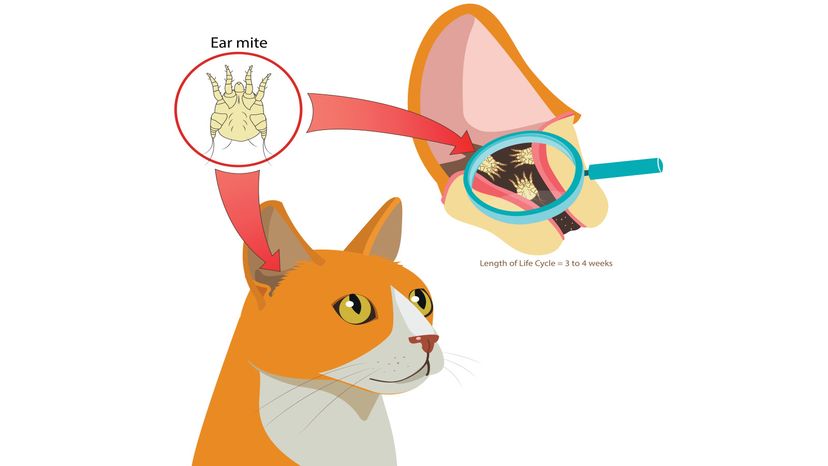
Allergies often cause inflammation in a cat’s ears. Food allergies and environmental allergens are common culprits. This inflammation can lead to scratching and damage. Parasites like ear mites irritate the skin inside the ear. These tiny creatures multiply quickly and cause infections. Parasites also spread bacteria, worsening the problem. Treating allergies and parasites is key to stopping infections.
Recognizing Symptoms
Recognizing symptoms of a cat ear infection early helps in quick care. Cats cannot tell us when they feel pain or discomfort. Watching their behavior and checking their ears can reveal signs of infection. Prompt attention can prevent more serious problems. Below are key signs to notice.
Behavioral Signs
Cats with ear infections often scratch their ears a lot. They may shake their head frequently to try to stop the irritation. Some cats become more restless or irritable than usual. You might see them rubbing their ears against furniture or the floor. Loss of balance or walking in circles can also happen. These changes in behavior show that your cat is in discomfort.
Physical Indicators
Look closely at your cat’s ears for redness or swelling. The ear canal may appear dark or have a bad smell. You might see discharge that looks like wax or pus. The skin inside the ear can look dry and flaky. Sometimes, the ear might feel warm to the touch. These physical signs often point to an infection needing care.
Natural Cleaning Techniques
Cleaning your cat’s ears naturally helps ease infections and keeps them healthy. Using gentle, safe methods protects your cat’s sensitive skin. Natural cleaning techniques reduce irritation and support healing.
These methods avoid harsh chemicals and focus on simple, home-friendly solutions. They help remove dirt, wax, and bacteria without causing pain. Regular cleaning can stop infections from getting worse.
Safe Ear Cleaning Solutions
Use a mixture of equal parts warm water and apple cider vinegar. This solution helps kill bacteria and yeast safely. Avoid using hydrogen peroxide or alcohol; they dry out the ear and cause pain.
Another option is plain saline solution. It soothes inflammation and gently cleans the ear canal. Always make sure the solution is at room temperature before use.
Step-by-step Cleaning Process
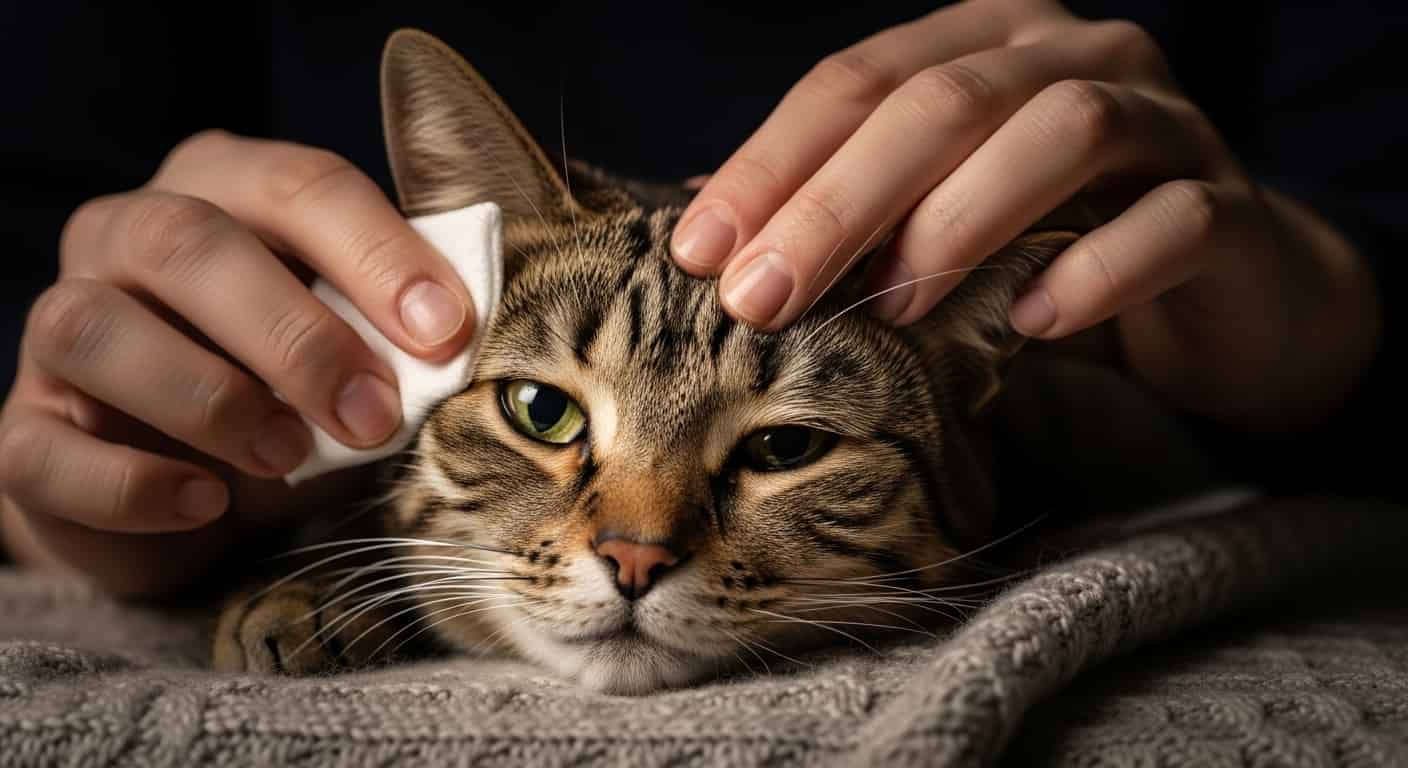
First, gather cotton balls or soft gauze. Avoid cotton swabs; they can damage the ear canal. Gently hold your cat to keep them calm and still.
Dip the cotton ball in the cleaning solution. Squeeze out extra liquid to avoid dripping. Carefully wipe the visible part of the ear and the folds.
Do not push deep inside the ear canal. Wipe away wax and dirt with gentle strokes. Repeat with a fresh cotton ball if needed.
Let your cat shake their head to remove excess liquid. Praise and reward your cat to make cleaning easier next time.
Credit: www.forummagazine.org
Herbal Remedies
Herbal remedies offer gentle care for cat ear infections. They soothe irritation and help reduce swelling. Many herbs have natural healing properties. These can support your cat’s recovery safely at home. Always use pure, pet-safe products and consult a vet before trying new treatments.
Aloe Vera Benefits
Aloe vera is known for its soothing effect. It calms inflamed skin and reduces redness. The gel from aloe leaves also fights bacteria. Apply a small amount of pure aloe gel around the ear. Avoid putting it deep inside the ear canal. Aloe vera helps relieve itching and discomfort. It supports skin healing without harsh chemicals.
Calendula Applications
Calendula is a bright, healing flower. It has anti-inflammatory and antifungal properties. Calendula oil or cream can clean the outer ear gently. Use a cotton ball to apply calendula around the ear flap. This herb helps reduce swelling and prevents infection growth. Calendula is safe for cats when used properly. It promotes faster healing of irritated skin.
Essential Oils For Treatment
Essential oils have natural properties that may help soothe cat ear infections. These oils can reduce inflammation and fight bacteria. They offer a gentle way to support healing at home. Use oils carefully, as cats are sensitive to strong substances. Always focus on safe application and proper dilution to protect your pet.
Lavender And Tea Tree Oils
Lavender oil is known for its calming and antibacterial effects. It can ease itching and reduce swelling in the ear. Tea tree oil has strong antimicrobial power. It fights bacteria and fungi that cause infections. Use only small amounts of these oils to avoid irritation. Never apply undiluted oils directly into your cat’s ear.
Dilution And Safety Tips
Always dilute essential oils before use. Mix one drop of oil with at least 10 drops of a carrier oil, like coconut or olive oil. Test a small amount on your cat’s skin first. Watch for any redness or discomfort. Avoid using essential oils on cats with breathing problems. Consult a vet before starting any treatment with oils.
Diet And Immune Support
Supporting your cat’s diet helps fight ear infections naturally. Good food strengthens the immune system. A strong immune system helps your cat heal faster. It also reduces the chance of future infections. Healthy eating is a simple step to better ear health.
Foods To Boost Immunity
Fresh, high-quality protein is vital for immune health. Chicken, turkey, and fish are great choices. These foods provide essential amino acids. Vegetables like carrots and spinach add vitamins and antioxidants. Blueberries offer antioxidants that protect cells. Avoid processed foods and fillers that may harm immunity.
Supplements For Ear Health
Omega-3 fatty acids reduce inflammation and support healing. Fish oil capsules are a good source. Probiotics help balance gut bacteria, improving immune response. Vitamin E supports skin and ear tissue health. Consult a vet before giving supplements. Dosage and safety depend on your cat’s needs.
When To Seek Veterinary Care
Knowing when to seek veterinary care is crucial for your cat’s ear infection. Home remedies can help mild cases. Some infections need professional treatment to avoid serious problems.
Watching your cat closely is important. Changes in behavior or worsening symptoms signal a need for expert help. Early care can prevent pain and long-term damage.
Signs Of Severe Infection
Look for swelling or redness inside the ear. A strong, bad smell may come from the ear canal. Your cat might shake its head often or scratch the ear hard. Discharge that is yellow, green, or bloody shows infection. If your cat tilts its head or loses balance, the infection may be deep. Pain that stops your cat from eating or moving needs urgent care.
Risks Of Delayed Treatment
Delaying treatment can cause the infection to spread. It can lead to hearing loss or permanent ear damage. The infection might reach the brain, causing serious health risks. Your cat could develop chronic ear problems that are hard to treat. Pain and discomfort will increase, reducing your cat’s quality of life. Timely veterinary care helps avoid these risks and ensures proper healing.

Credit: www.youtube.com
Frequently Asked Questions
What Are Common Signs Of Cat Ear Infection?
Common signs include scratching ears, head shaking, redness, swelling, and unpleasant odor. Cats may also show pain or discomfort. Early detection helps prevent complications and ensures timely treatment.
How Can I Clean My Cat’s Infected Ear At Home?
Use a vet-approved ear cleaner and a soft cloth or cotton ball. Gently wipe the ear’s outer part. Avoid deep cleaning to prevent injury or worsening infection.
Which Natural Remedies Help Treat Cat Ear Infections?
Natural remedies like diluted apple cider vinegar or coconut oil may reduce infection. Always dilute properly and consult a vet before use to avoid irritation or allergic reactions.
When Should I See A Vet For My Cat’s Ear Infection?
See a vet if symptoms worsen, persist beyond a few days, or if your cat shows severe pain or hearing loss. Professional diagnosis ensures proper treatment and recovery.
Conclusion
Treating your cat’s ear infection at home can ease discomfort quickly. Always keep the ears clean and dry. Use gentle remedies like warm compresses or mild solutions. Watch for signs of worsening or pain. Consult a vet if symptoms persist or worsen.
Early care helps prevent serious problems. Your cat will feel better with simple, careful steps. Take action soon to protect your furry friend’s health.