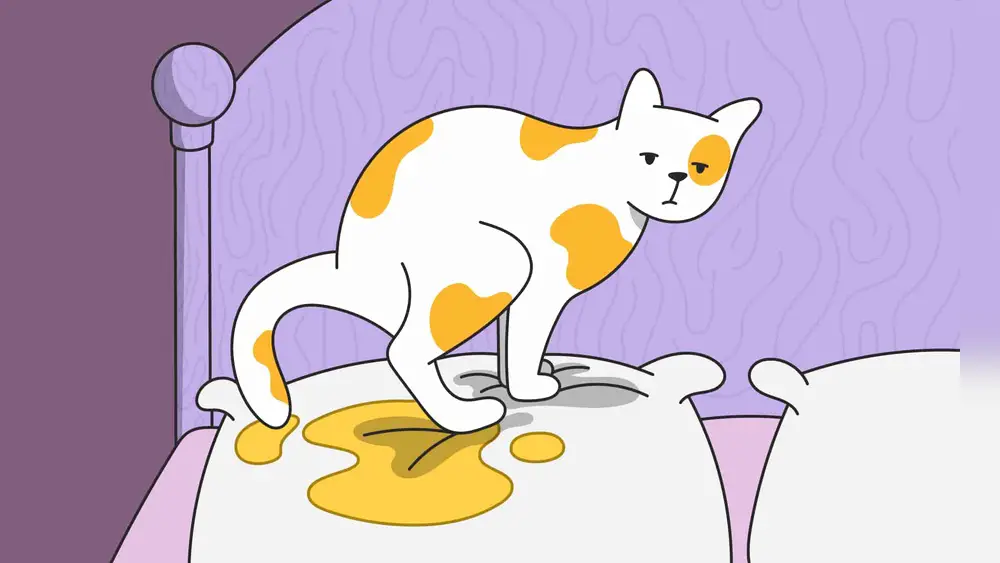
Is your cat refusing to stop peeing on your bed? It’s frustrating, confusing, and can feel impossible to fix.
You love your furry friend, but this behavior is disrupting your sleep and your peace of mind. The good news is, you’re not alone—and there are clear reasons behind why your cat is doing this. You’ll discover simple, effective steps to understand and stop this problem for good.
Keep reading to find out how to protect your bed and restore harmony between you and your cat.
:strip_icc()/cat-peeing-everywhere-552307_color01-9d68921633b346ac9c6a9cd4023a927f.jpg)
Credit: www.thesprucepets.com
Reasons Cats Pee On Beds
Cats peeing on beds is a common and frustrating problem. Understanding why cats do this helps solve it faster. Several reasons cause this behavior. Some relate to health, others to emotions or environment. Knowing these reasons makes it easier to help your cat and protect your bed.
Medical Issues
Urinary tract infections can make cats pee outside the litter box. Pain or discomfort causes them to avoid the box. Kidney problems or bladder stones also lead to frequent urination. These medical issues need a vet check right away. Untreated health problems worsen the behavior.
Stress And Anxiety
Cats feel stress from changes in their home. New pets, visitors, or loud noises can upset them. Stress makes cats mark beds to feel safe. Anxiety triggers unwanted urination as a coping method. Reducing stress helps stop this behavior quickly.
Territorial Behavior
Cats mark territory by peeing on soft places. Beds hold a strong human scent, attracting marking. This behavior shows dominance or defends space from other pets. Unneutered males often show territorial peeing more. Spaying or neutering helps reduce this urge.
Litter Box Problems
Cats avoid dirty or small litter boxes. The type of litter or box location matters too. Some cats dislike covered boxes or noisy spots. Changes to the litter box can cause accidents on the bed. Keeping the box clean and accessible is key.
Health Checks To Rule Out
When a cat keeps peeing on the bed, health issues might be the cause. Checking your cat’s health helps find hidden problems. Early detection can stop the behavior and keep your cat safe.
Some common health problems make cats urinate outside the litter box. A vet can check for these issues with tests and exams. Knowing the health status guides the right treatment.
Urinary Tract Infections
Urinary tract infections (UTIs) cause pain and discomfort in cats. A cat with a UTI may pee frequently and in odd places. The infection irritates the bladder and makes control hard. Vets test urine to confirm UTIs and give antibiotics.
Kidney Problems
Kidney problems affect how cats process waste and fluids. Sick kidneys can lead to increased thirst and urination. Cats with kidney disease might pee on soft surfaces like beds. Blood and urine tests help diagnose kidney issues early.
Diabetes Signs
Diabetes causes high sugar in the blood, affecting urination patterns. Cats with diabetes drink more and urinate often. They might miss the litter box due to urgency. Blood tests check sugar levels and confirm diabetes.
Improving Litter Box Setup
Improving the litter box setup can help stop your cat from peeing on the bed. Cats need a clean and comfortable space to do their business. Small changes in the litter box can make a big difference in your cat’s behavior.
Choosing The Right Litter
Pick a litter your cat likes. Some cats prefer clumping litter, while others like non-clumping. Unscented litter often works best. Avoid strong smells that can scare your cat. Try different types to find the one your cat uses happily.
Box Location Tips
Place the litter box in a quiet, private spot. Cats dislike noisy or busy areas. Avoid spots near their food or water bowls. Make sure the box is easy to reach. A hidden but accessible place helps your cat feel safe.
Cleaning Frequency
Clean the litter box every day. Remove waste to keep it fresh. Cats avoid dirty litter boxes. Wash the box with mild soap once a week. Clean boxes encourage your cat to use them consistently.
Reducing Stress For Your Cat
Stress can cause a cat to urinate outside the litter box, especially on the bed. Reducing stress helps your cat feel safe and calm. A calm cat is less likely to pee on your bed. Simple steps can make a big difference in your cat’s behavior.
Creating Safe Spaces
Cats need quiet places to relax and hide. Provide a cozy bed or a small box in a quiet corner. These safe spots help your cat feel secure. Avoid loud noises and sudden changes near these areas. Your cat will use these spaces to feel calm and safe.
Using Pheromone Products
Pheromone sprays and diffusers mimic natural cat scents. These scents calm cats and reduce anxiety. Place a diffuser in the room where your cat spends time. Spray pheromones on bedding or in hiding spots. These products help create a peaceful environment for your cat.
Routine And Playtime
Cats like routine. Feeding and playing at the same time every day helps them feel secure. Playtime lets cats use energy and reduce stress. Use toys like feather wands or balls. A tired cat is less likely to act out by peeing on the bed.
Training And Behavior Strategies
Training and behavior strategies can help stop your cat from peeing on the bed. Cats need clear guidance to learn where to go. Consistent training builds good habits and reduces stress for both of you.
Patience is key. Small steps and gentle corrections work best. These strategies focus on encouraging good behavior and preventing bad habits.
Positive Reinforcement
Reward your cat when it uses the litter box. Treats, petting, or kind words work well. This makes the cat want to repeat the good action. Avoid punishment. It can cause fear and more accidents.
Discouraging Bed Access
Block the cat’s way to the bed when you are not there. Use barriers or close the bedroom door. Make the bed less comfortable for the cat. Place a plastic sheet or aluminum foil on the bed. Cats dislike the texture and noise.
Redirecting To Litter Box
Guide your cat to the litter box after meals and naps. Gently place the cat in the box if it looks restless. Keep the litter box clean and in a quiet spot. Try different types of litter to find your cat’s favorite.

Credit: www.reddit.com
Cleaning And Odor Removal
Cleaning and removing odor from cat urine on the bed is very important. Cat urine has a strong smell that can stay for a long time. The smell can make your cat want to pee there again. Proper cleaning helps stop this problem. It keeps your bed fresh and your cat happy.
Effective Cleaning Solutions
Use an enzyme cleaner made for pet urine. These cleaners break down the urine molecules. This removes the smell completely. Avoid regular cleaners or bleach. They do not remove the smell fully. First, blot the urine with paper towels. Do not rub, or the stain will spread. Then, spray the enzyme cleaner on the spot. Let it sit for 10 to 15 minutes. After that, blot again to remove moisture. Repeat if needed until the smell is gone.
Preventing Repeat Marking
After cleaning, keep your cat away from the bed for some time. Use a waterproof mattress cover to protect your bed. Clean the litter box often to encourage good habits. Place the box in a quiet, easy-to-access spot. Try to reduce your cat’s stress by giving toys and attention. A calm cat is less likely to mark territory. Finally, check with a vet if your cat pees often. Health problems can cause this behavior.
When To Seek Professional Help
Dealing with a cat that pees on the bed can be frustrating. Sometimes, home solutions do not work. This is the time to seek professional help. Experts can find the root cause and suggest the right treatment. They offer support beyond simple cleaning and training tips.
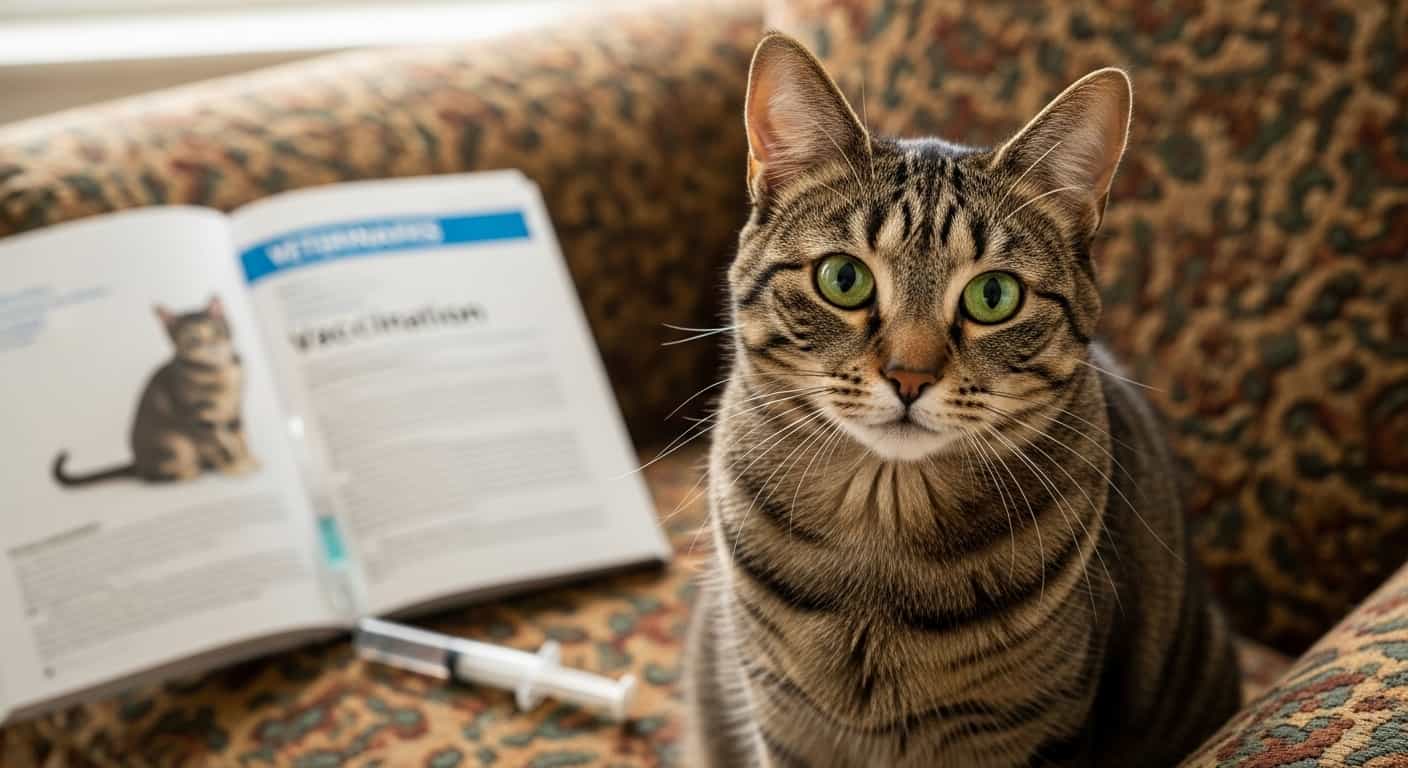
Veterinary Advice
A vet checks for medical issues causing the problem. Urinary tract infections, bladder stones, or kidney problems might be the cause. These need proper diagnosis and treatment. A vet can run tests and provide medicine to help your cat. Ignoring health problems can worsen the behavior.
Sometimes, stress or pain leads cats to pee outside the litter box. A vet can spot these signs and guide you. Early medical help can save your cat from discomfort. It also stops the habit from becoming permanent.
Animal Behaviorists
Behaviorists study why cats act strangely. They focus on emotional or psychological reasons behind bed peeing. Stress, anxiety, or changes in the home can trigger this. Behaviorists create plans to calm your cat and change habits.
These experts teach you ways to improve your cat’s environment. They suggest changes in routine or how you interact with your cat. Behaviorists help rebuild trust and comfort. Their advice supports long-term success in stopping the peeing.
Credit: www.reddit.com
Frequently Asked Questions
Why Does My Cat Pee On The Bed Repeatedly?
Cats may pee on beds due to stress, medical issues, or litter box problems. Anxiety or territorial marking can also cause this behavior. Identifying the cause helps to address the issue quickly and prevent damage.
How Can I Stop My Cat From Peeing On The Bed?
Clean the bed thoroughly with enzyme cleaners. Provide a clean litter box and reduce stress. Consult a vet to rule out health problems like urinary infections.
Can Medical Problems Cause My Cat To Pee On The Bed?
Yes, urinary tract infections, bladder stones, or kidney issues often cause inappropriate urination. A vet visit is essential to diagnose and treat these medical conditions promptly.
What Role Does Litter Box Hygiene Play In Bed Peeing?
Poor litter box hygiene or inappropriate box placement can lead cats to avoid it. Clean the box daily and place it in a quiet, accessible area to encourage proper use.
Conclusion
Dealing with a cat peeing on the bed can be frustrating. Finding the cause helps stop the behavior faster. Clean the bed well to remove all smells. Give your cat a quiet, clean litter box. Visit the vet to rule out health problems.
Patience and care make a big difference. Your cat can learn to stop this habit. Keep trying—comfort for both you and your cat matters most.