If you’ve noticed your cat peeing blood outside the litter box, it’s natural to feel worried and confused. This isn’t just a messy problem—it could be a sign that your furry friend is in pain or facing a serious health issue.
Understanding why this happens and what you can do is crucial to keeping your cat healthy and comfortable. Keep reading to learn what might be causing this alarming behavior and how you can help your cat feel better fast.
Signs Of Blood In Cat Urine
Noticing blood in your cat’s urine is alarming. It signals a health problem needing quick attention. Cats often hide pain, making it tough to spot early signs. Learning to recognize blood in their urine helps protect their health.
Identifying Hematuria
Hematuria means blood in urine. It may appear as pink, red, or brown stains. Check your cat’s litter box for unusual colors. Sometimes, blood is only visible under light. Urine may have a strong, strange smell too. Small drops or streaks can signal a serious issue.
Behavior Changes To Watch For
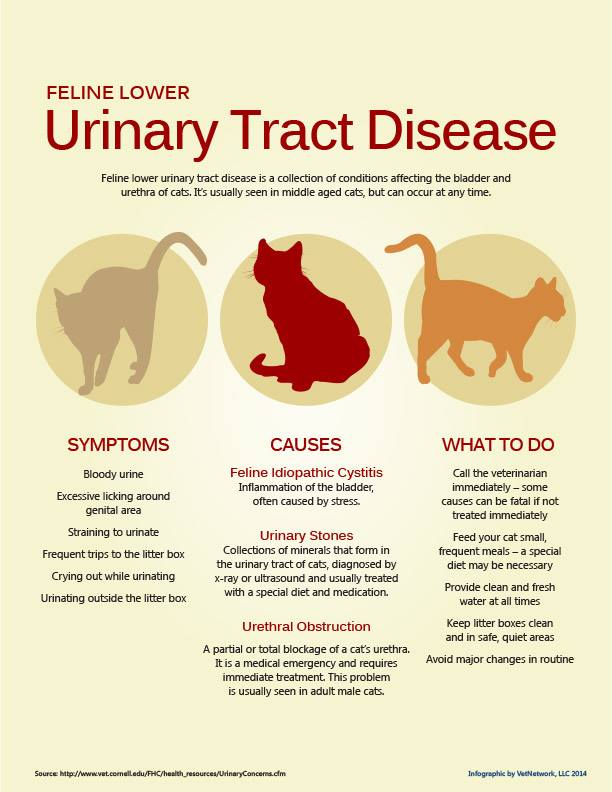
Changes in behavior often show illness. Your cat may urinate outside the box. It could be pain or discomfort. Watch for frequent trips to the litter box. Straining or crying during urination is a red flag. Loss of appetite and hiding are signs of distress. These changes need a vet’s evaluation quickly.

Credit: www.reddit.com
Common Causes Of Blood In Cat Urine
Seeing blood in your cat’s urine is alarming. It signals an issue that needs quick attention. Blood in cat urine can come from many health problems. Understanding these common causes helps with early care. Early treatment can prevent pain and more serious conditions.
Urinary Tract Infections
Urinary tract infections (UTIs) are a frequent cause of blood in urine. Bacteria enter the urinary tract and cause inflammation. Cats with UTIs often feel pain while urinating. They may urinate more often but pass only small amounts. This discomfort makes some cats avoid the litter box.
Bladder Stones And Crystals
Bladder stones or crystals form in the bladder or urinary tract. These hard particles irritate the lining and cause bleeding. Stones can block urine flow, creating serious problems. Cats might strain or cry while peeing. Blood in urine appears because stones scrape tissues.
Kidney Problems
Kidney issues can cause blood to appear in cat urine. Infections, kidney stones, or kidney disease all cause damage. Damaged kidneys leak blood into the urine. Cats may also show other signs like loss of appetite or lethargy. Kidney problems need immediate veterinary care.
Trauma Or Injury
Trauma or injury to the urinary area can cause bleeding. Falls, fights, or accidents may harm the bladder or urethra. Injuries cause pain and blood in the urine. Cats with trauma often hide or act restless. This cause requires quick veterinary examination.
Feline Lower Urinary Tract Disease
Feline Lower Urinary Tract Disease (FLUTD) affects the bladder and urethra. It causes inflammation, pain, and sometimes bleeding. Stress, diet, and infections can trigger FLUTD. Cats may strain or go outside the litter box. This disease needs prompt diagnosis and treatment.
Reasons For Peeing Outside The Litter Box
Cats peeing blood outside the litter box signals a problem. It often means the cat is uncomfortable or sick. Understanding why cats avoid the litter box helps solve the issue quickly. Several common reasons cause this behavior. Knowing these can protect your cat’s health and keep your home clean.
Medical Issues
Health problems are a top cause of this behavior. Urinary tract infections cause pain and blood in urine. Kidney disease or bladder stones also make peeing hard and painful. Cats with these issues often avoid the litter box. They want to stop the pain or find a more comfortable spot. Immediate vet care is important to stop serious problems.
Stress And Anxiety
Stress affects cats deeply. Moving, loud noises, or new pets can scare them. This fear can lead to peeing outside the box. Stress changes their habits and causes accidents. Creating a calm environment helps reduce stress. A quiet, safe space with familiar smells comforts your cat. This may stop the unwanted behavior.
Litter Box Problems
Sometimes the litter box itself is the issue. Cats dislike dirty boxes or strong smells. A small or hard-to-reach box can also cause avoidance. Using the wrong litter type can upset their paws. Clean the box daily and place it in a quiet spot. Provide enough boxes for multiple cats. These steps encourage proper litter box use.
Territorial Marking
Marking territory is natural for cats. Blood in urine may happen if they strain to mark. New pets or changes in the home trigger this behavior. It shows they feel threatened or want control. Spaying or neutering reduces marking. Also, using calming sprays and keeping a routine helps. This lowers stress and marking outside the box.
When To Seek Emergency Veterinary Care
Noticing your cat peeing blood outside the litter box is worrying. Some cases need urgent care. Knowing when to act fast can save your cat’s life. Watch for serious signs that need emergency veterinary help. Quick response can prevent severe complications.
Signs Of Urinary Blockage
Urinary blockage is a medical emergency. Your cat may strain to urinate or make no urine at all. Look for frequent trips to the litter box with little result. Your cat might cry out in pain. The belly may look swollen or hard. These signs mean a blocked bladder. Immediate veterinary care is critical to unblock it.
Severe Bleeding Or Distress
Heavy bleeding from the urinary tract is dangerous. Blood pooling in the urine or dripping outside is a red flag. If your cat appears weak, lethargic, or confused, act fast. Rapid breathing, vomiting, or collapse are also urgent signs. These symptoms show distress and need emergency treatment. Delay can lead to serious health risks.
Diagnostic Tests For Blood In Urine
Finding blood in your cat’s urine is alarming. It signals a health issue that needs quick attention. Vets use several tests to find the cause. These tests help understand the problem and guide treatment. Knowing the tests can ease your worry.
Urinalysis
Urinalysis checks the cat’s urine for signs of infection or crystals. It helps detect blood and abnormal cells. The test is simple and fast. It can show if the cat has a urinary tract infection or bladder stones. This test often gives the first clues about the cause of bleeding.
Blood Work
Blood work checks the cat’s overall health. It measures kidney function and looks for infections. Blood tests can also reveal inflammation or organ problems. This test helps see if the bleeding is linked to other diseases. Vets use blood work to get a full health picture.
Imaging Techniques
Imaging uses tools like X-rays or ultrasound. These show the inside of the cat’s urinary tract. They can find stones, tumors, or blockages. Imaging helps locate the source of bleeding clearly. This test is important if other tests do not explain the problem.
Treatment Options
Finding your cat peeing blood outside the litter box is alarming. Treatment depends on the cause. Early care can prevent serious health problems. A vet will diagnose before starting treatment. Here are common treatment options to help your cat feel better quickly.
Medications And Antibiotics
Infections often cause blood in urine. Vets prescribe antibiotics to fight bacteria. Pain relievers reduce discomfort during urination. Anti-inflammatory drugs may also help. Always follow the vet’s dosage instructions. Never give human medicine to cats. Treatment usually lasts for a few weeks. Regular check-ups ensure the infection clears up.
Dietary Changes
Special diets support urinary tract health. Prescription food can dissolve certain crystals or stones. Diets low in magnesium and phosphorus help prevent issues. Fresh water is crucial to keep urine diluted. Wet food increases hydration better than dry food. Your vet will recommend the best diet for your cat’s needs. Consistent feeding habits improve recovery and prevent relapse.
Surgical Interventions
Surgery may be necessary for severe cases. Blockages or large stones might require removal. Surgery also treats tumors or structural problems. Post-surgery care includes pain control and antibiotics. Your vet will explain the procedure and recovery steps. Most cats recover well with proper care and rest. Surgery is a last option but can save your cat’s life.
Preventing Future Incidents
Preventing your cat from peeing blood outside the litter box is very important. This problem can mean health issues or stress for your cat. Taking steps to stop these incidents helps your cat stay healthy and happy. Simple habits and care can make a big difference.
Litter Box Maintenance
Keep the litter box clean every day. Cats dislike dirty boxes. Scoop waste at least once daily. Change litter completely each week. Use unscented, soft litter to avoid irritation. Place the box in a quiet, easy-to-reach spot. Have one box per cat plus one extra. This helps reduce accidents and stress.
Stress Reduction Tips
Stress can cause cats to urinate outside the box. Give your cat a calm environment. Provide hiding places and quiet areas. Play with your cat daily to reduce anxiety. Use calming sprays or diffusers designed for cats. Avoid loud noises and sudden changes. Keep a regular routine for feeding and playtime.
Regular Vet Checkups
Visit the vet regularly to check your cat’s health. Blood in urine may signal infections or other diseases. Early diagnosis helps treat problems faster. Ask the vet about urine tests and general exams. Keep vaccinations and parasite control up to date. A healthy cat is less likely to have accidents.
Credit: www.lesniakinstitute.org
Home Care Tips
Home care plays a big role in helping cats that pee blood outside the litter box. Proper care can make your cat feel more comfortable. It can also support their healing process.
Small changes in cleaning and habits can reduce stress for your cat. These tips help keep your home clean and your cat healthy.
Cleaning And Hygiene
Clean the litter box daily to keep it fresh. Use mild soap and warm water to wash it. Avoid strong-smelling cleaners that can scare your cat.
Disinfect any spots where your cat peed outside the box. Use pet-safe cleaners to remove smells. This stops your cat from peeing there again.
Keep your cat’s bedding and living area clean. Regular washing helps remove germs and odors. A clean space supports your cat’s health.
Encouraging Proper Bathroom Habits
Place the litter box in a quiet, easy-to-reach spot. Cats prefer private places for bathroom time. Avoid busy or noisy areas that cause stress.
Make sure the litter box is big enough for your cat. Use the right type of litter they like. Some cats prefer unscented or fine-grain litter.
Give your cat positive attention when it uses the box. Praise or gentle petting can encourage good habits. Avoid punishment if accidents happen.

Credit: www.limaflumeri.it
Frequently Asked Questions
Why Is My Cat Peeing Blood Outside The Litter Box?
Cats peeing blood outside the litter box often indicate urinary tract infections or bladder stones. Stress, injury, or kidney issues may also cause this. Immediate vet consultation is crucial to diagnose and treat the underlying problem effectively.
How Can I Stop My Cat From Peeing Blood?
To stop your cat from peeing blood, visit a veterinarian for diagnosis. Treatment may include antibiotics, pain relief, or dietary changes. Keeping the litter box clean and reducing stress helps prevent recurrence.
What Health Issues Cause Blood In Cat Urine?
Blood in cat urine can signal urinary tract infections, bladder stones, kidney disease, or trauma. Early veterinary care ensures proper treatment and prevents serious complications.
When Should I Take My Cat To The Vet For Bloody Urine?
If your cat pees blood, shows discomfort, or urinates outside the box, see a vet immediately. Early diagnosis improves treatment success and prevents worsening conditions.
Conclusion
Cat peeing blood outside the litter box signals a serious issue. This behavior needs quick attention. Take your cat to the vet for a proper check-up. Early treatment can prevent pain and health problems. Keep the litter box clean and in a quiet place.
Watch your cat closely for any changes in behavior. Understanding the cause helps keep your pet healthy and happy. Don’t ignore these signs—your cat depends on you.