
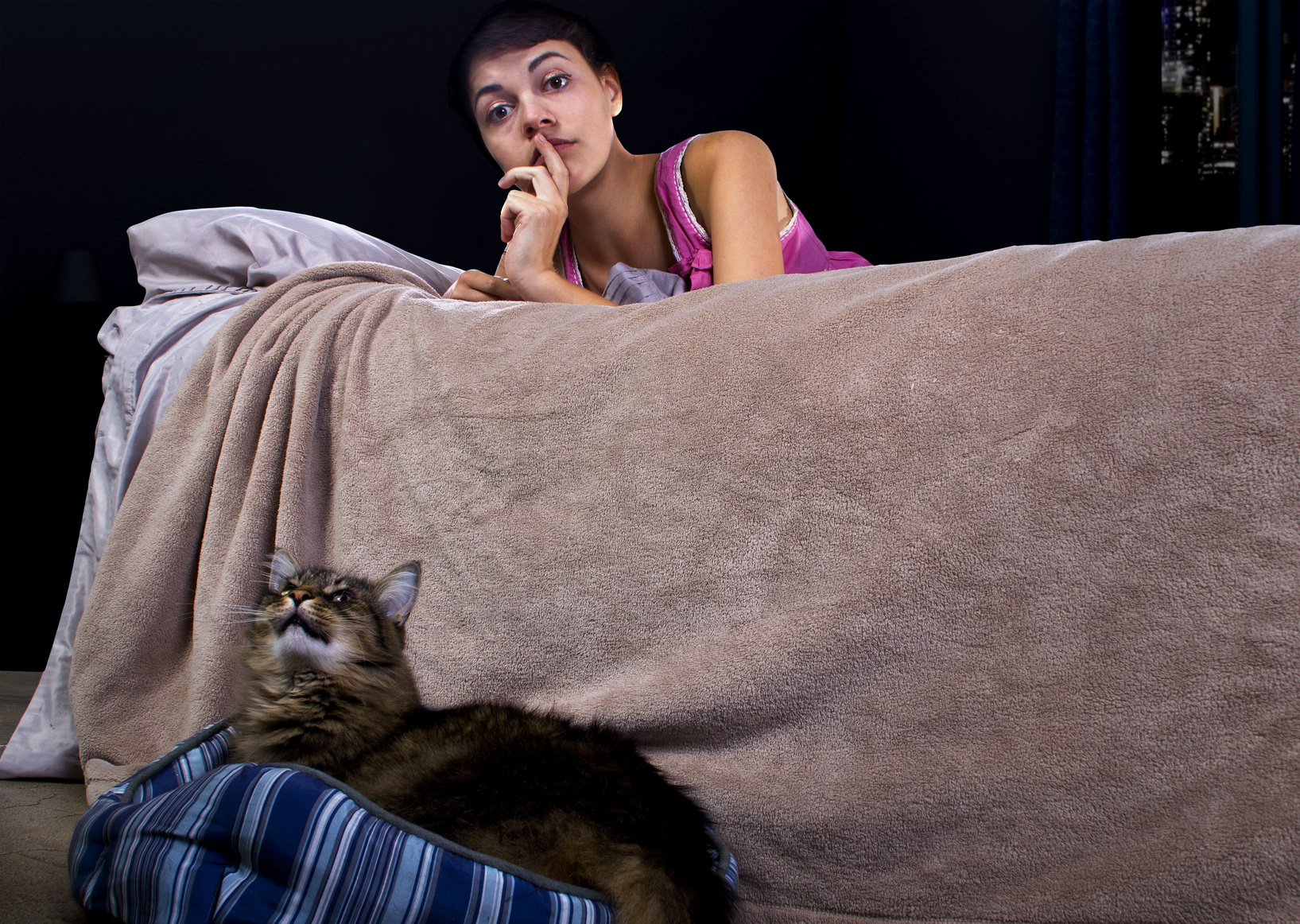
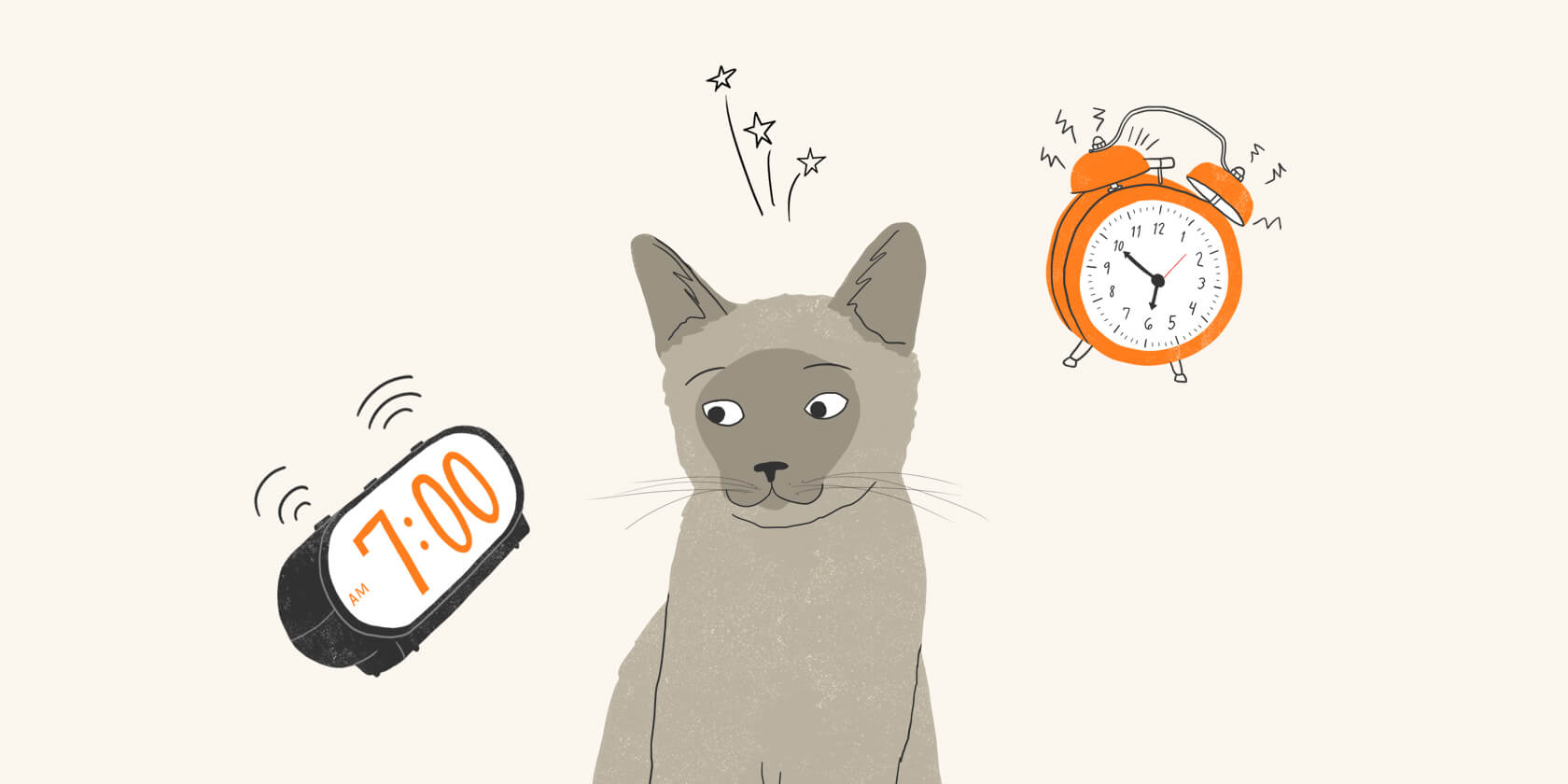
Are you tired of being jolted awake by your cat in the middle of the night? You’re not alone.
Many cat owners face this frustrating challenge, wondering why their furry friend insists on disrupting their sleep. But what if you could understand the reasons behind your cat’s nighttime behavior—and find simple ways to fix it? Keep reading, because we’re about to uncover why your cat keeps waking you up and how you can finally enjoy a peaceful night’s rest.
Reasons Cats Wake Owners
Cats waking their owners at night is a common problem. Understanding why cats do this helps find solutions. Cats have natural habits and needs that cause night-time activity. Recognizing these reasons can improve sleep for both cat and owner.
Nocturnal Behavior
Cats are naturally more active at night. Their ancestors hunted during darkness. This instinct makes cats restless when people sleep. Nighttime is playtime and exploration time for them. Owners may hear running, jumping, or meowing. This behavior is normal for cats but can disturb sleep.
Hunger And Thirst
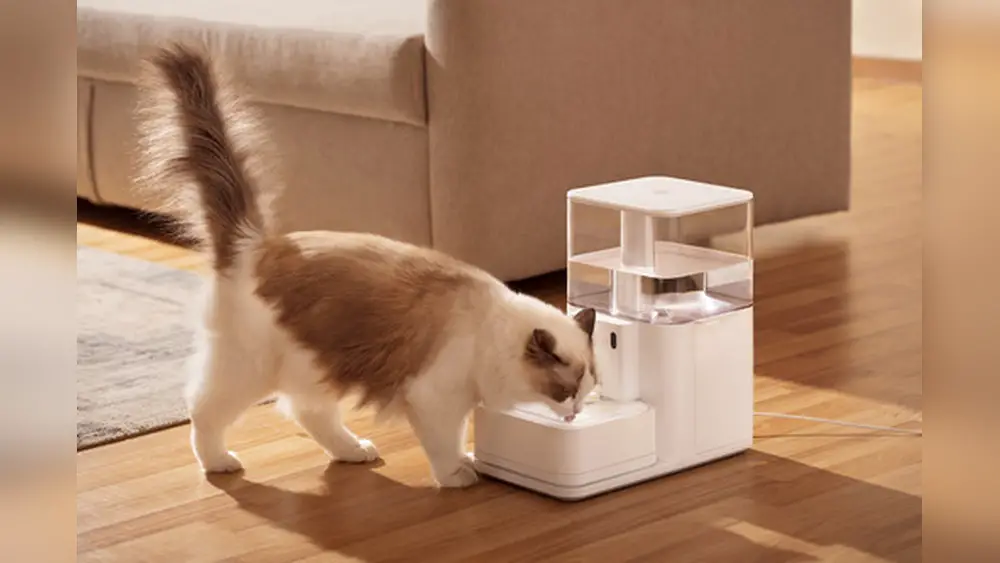
Cats may wake owners when they feel hungry or thirsty. Small meals during the day might not satisfy them. Cats with fast metabolisms need more frequent food. Sometimes water bowls are empty or dirty. Vocalizing or pawing at owners signals a need for food or water.
Seeking Attention
Cats often want company or play at night. They may feel lonely or bored. Owners who ignore cats during the day get night-time visits. Cats use meows, purring, or pawing to get attention. Providing more playtime during the day can reduce this behavior.
Health Issues
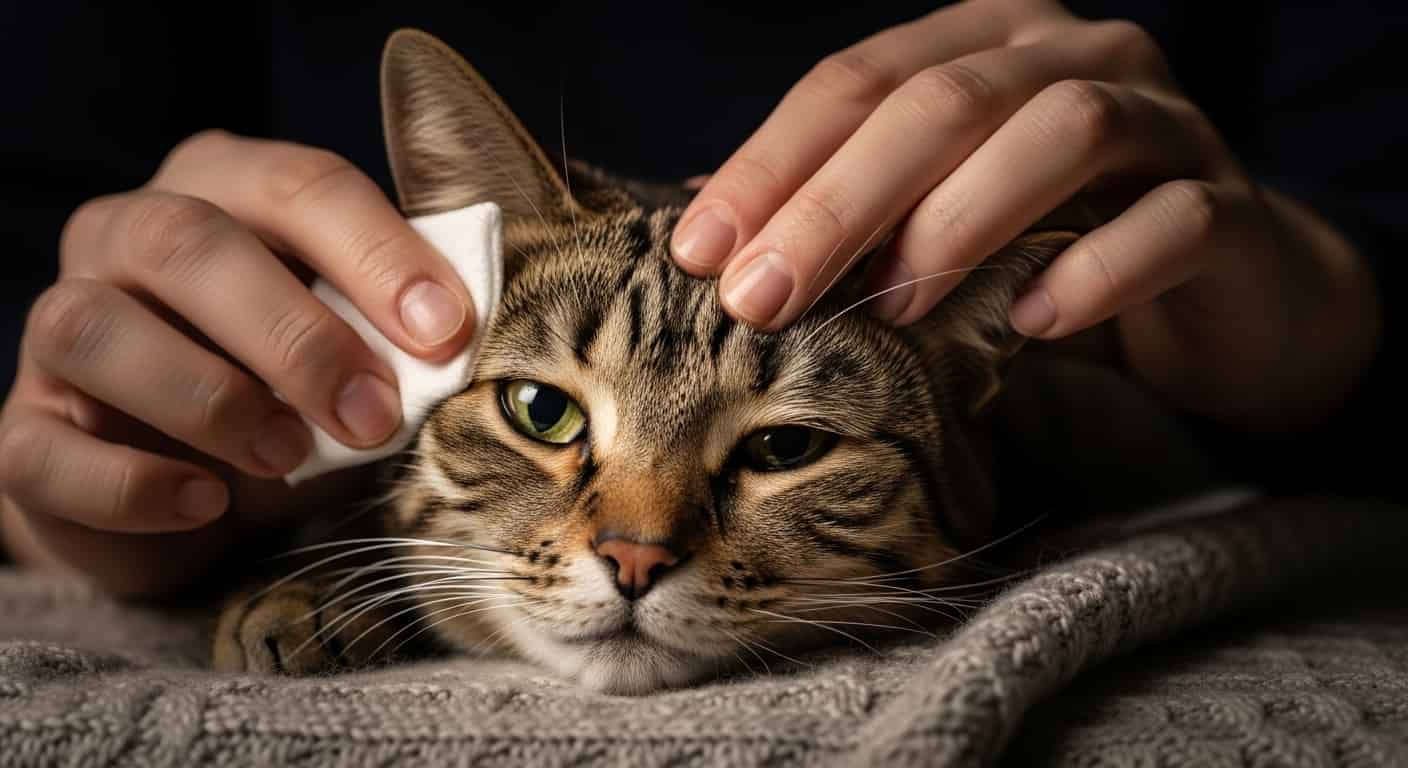
Some cats wake owners due to pain or discomfort. Illness, arthritis, or dental problems cause restlessness. Older cats may suffer cognitive issues affecting sleep. Watch for other signs like changes in appetite or behavior. A vet check can rule out health problems causing night waking.
Creating A Nighttime Routine
Creating a nighttime routine helps your cat settle down for the night. Cats feel more secure with a steady schedule. This routine can reduce your cat’s restless behavior at night. You can guide your cat’s energy and focus before bedtime. Consistency is key to making this routine work well.
Playtime Before Bed
Engage your cat in active play before sleeping. Use toys like feather wands or laser pointers. This playtime burns off extra energy. It helps your cat feel tired and ready for rest. Try to play for at least 15 minutes. A tired cat is less likely to wake you up.
Scheduled Feeding
Feed your cat on a fixed schedule. Offer the last meal right before your bedtime. Cats often sleep after a good meal. Avoid feeding your cat late at night. Regular feeding times create a calm, predictable routine. This helps reduce night-time hunger and wakefulness.
Calming Environment
Create a quiet, cozy space for your cat at night. Use soft bedding and dim lighting. Keep noises low to avoid startling your cat. A calm environment encourages your cat to relax. You can add a warm blanket or a small night light. This space becomes their safe place to sleep soundly.
Managing Sleep Environment
Managing your cat’s sleep environment helps reduce nighttime disruptions. Cats are active at night, so creating clear boundaries improves your rest. Adjusting the room and bedding can make a big difference in keeping your cat calm.
Separate Sleeping Areas
Give your cat its own sleeping space away from your bed. Cats like cozy, quiet spots for rest. A separate area teaches your cat to settle down there at night. This reduces the chance of your cat waking you up.
Limiting Noise And Light
Keep the bedroom dark and quiet during sleep hours. Use blackout curtains to block outside light. Turn off noisy electronics and loud fans. Soft, steady sounds like white noise can help both you and your cat relax.
Comfortable Bedding
Provide soft, warm bedding for your cat’s sleeping area. Cats enjoy plush blankets or small pet beds. Comfortable bedding encourages longer sleep periods. It makes the space inviting and less likely for your cat to seek your bed.

Credit: www.reddit.com
Training Techniques
Training your cat to stop waking you up at night takes patience and clear steps. Cats learn best through consistent habits and clear signals from you. Training techniques help your cat understand when it is time to sleep and when it is time to play.
Ignoring Nighttime Demands
One effective method is ignoring your cat’s calls at night. Do not respond to meowing or pawing. Any attention can encourage the behavior to continue. Over time, your cat will learn that nighttime is quiet time. This method takes patience but works well for most cats.
Positive Reinforcement
Reward your cat for calm behavior during the night. Use treats or gentle petting in the morning when your cat is quiet. This teaches your cat that being calm brings rewards. Avoid giving treats or attention during nighttime demands. Positive reinforcement builds good habits gradually.
Using Deterrents
Deterrents help discourage your cat from disturbing you. Use safe, mild sounds or lights that startle your cat without harm. Place these near your bed or bedroom door. Deterrents create a boundary your cat will learn to avoid. Combine deterrents with other training methods for best results.
When To Consult A Vet
Your cat waking you up at night can be frustrating. Sometimes, this behavior shows a health or emotional issue. Knowing when to consult a vet helps protect your cat’s well-being. It also brings peace back to your nights.
Behavioral Changes
Notice sudden changes in your cat’s habits. Aggression, hiding, or constant meowing are warning signs. These shifts may mean stress or discomfort. A vet can find the cause and suggest solutions.
Signs Of Illness
Look for physical signs like vomiting, diarrhea, or weight loss. Limping or changes in eating habits also matter. Illness can make cats restless at night. Early vet visits catch problems before they worsen.
Sleep Disorders
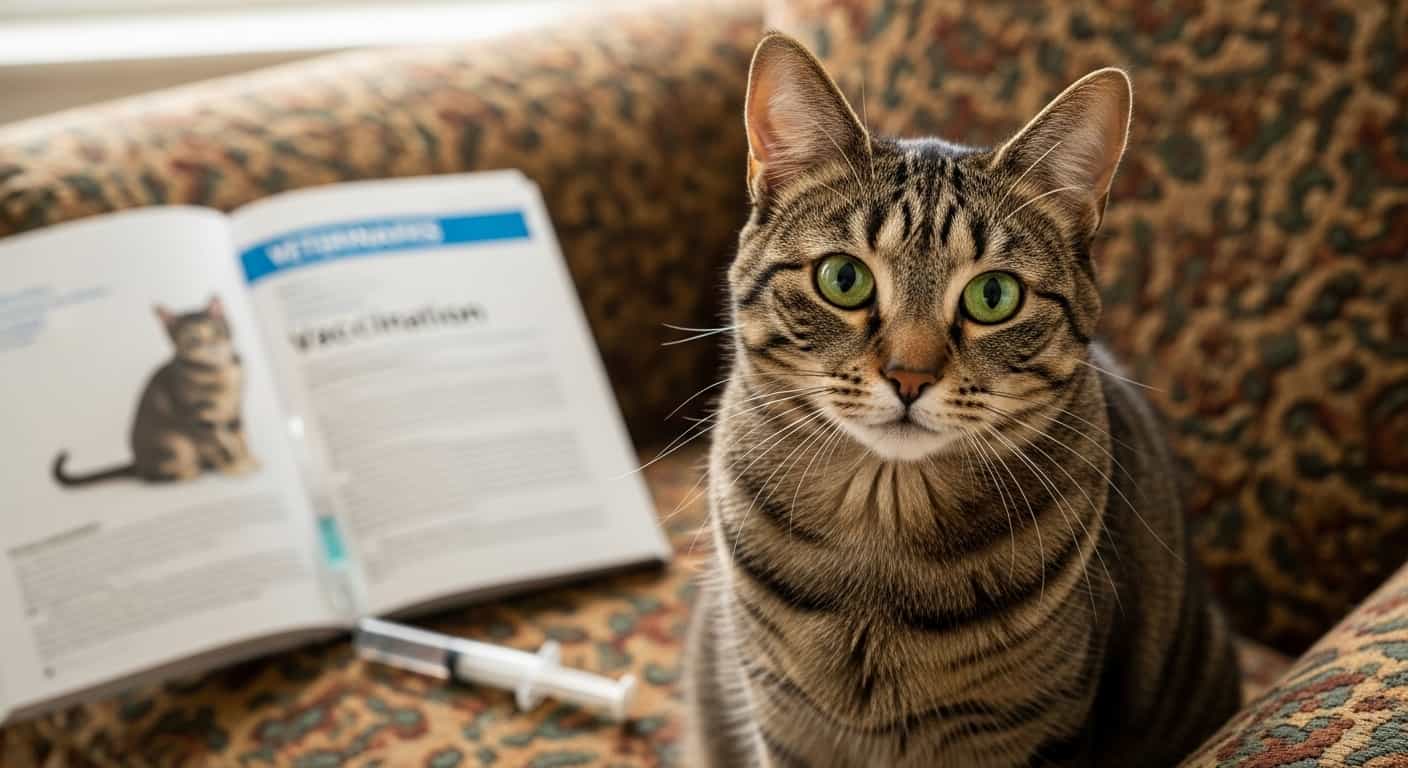
Cats can suffer from sleep problems too. Restlessness, excessive waking, or unusual vocal sounds might show a disorder. A vet can diagnose sleep issues and guide treatment. Better sleep helps both you and your cat.
Credit: www.pgspca.org
Credit: www.zoetispetcare.com
Frequently Asked Questions
Why Does My Cat Wake Me Up At Night?
Cats are naturally nocturnal and active at night. Your cat may seek attention, food, or play during these hours, causing disruptions.
How Can I Stop My Cat From Waking Me Up?
Establish a consistent feeding and play schedule. Provide toys and exercise during the day to reduce nighttime activity.
Is My Cat Waking Me Due To Hunger?
Yes, hunger is a common reason. Feeding your cat a small meal before bedtime can help minimize night-time wake-ups.
Can A Cat’s Health Cause Night Waking?
Yes, health issues like pain or discomfort may cause night waking. Consult a vet if behavior changes suddenly or persists.
Conclusion
A cat waking you up at night can be tiring. Cats want attention, food, or playtime. Try feeding your cat before bed. Give them toys to stay busy. Create a calm sleep space for both. Patience and small changes help a lot.
Soon, you can enjoy peaceful nights again. Your cat will learn to rest too. Sweet dreams await you both.