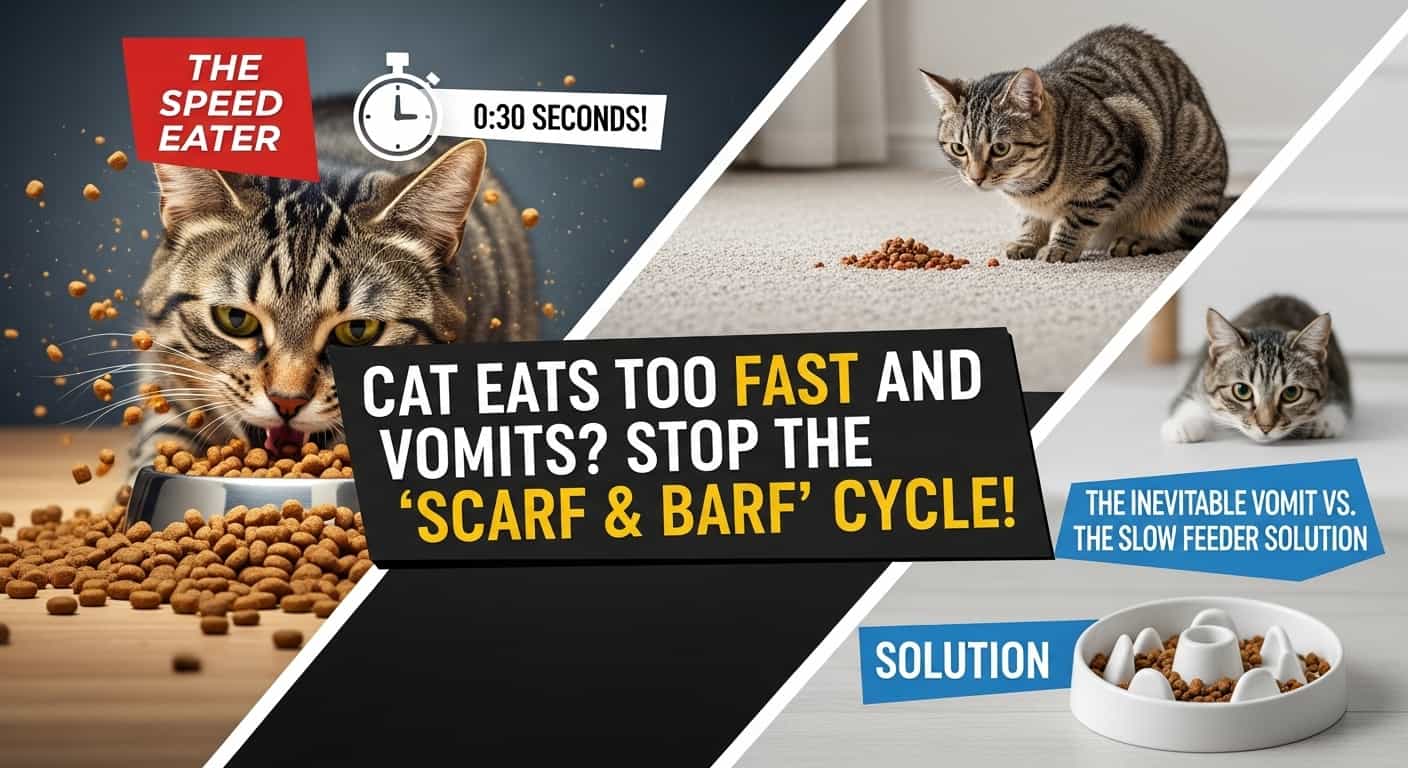
Has your cat ever gobbled down food so quickly that it ends up vomiting afterward? If you’ve seen this happen, you know how worrying and frustrating it can be.
You want your furry friend to enjoy mealtime without any discomfort or mess. Understanding why your cat eats too fast and vomits can help you keep them healthier and happier. You’ll discover simple reasons behind this behavior and easy steps you can take right now to stop it.
Keep reading—your cat’s well-being depends on it!

Credit: www.opirgkingston.org
Why Cats Eat Too Fast
Cats often eat too fast, which can cause them to vomit. Understanding why cats eat quickly helps solve this problem. Several natural and behavioral reasons explain this fast eating habit.
Natural Instincts
Cats are hunters by nature. In the wild, they must eat quickly to avoid losing food. This instinct makes them swallow fast before others take their meal. Even house cats keep this behavior from their ancestors.
Competition For Food
In homes with multiple pets, cats may race to eat first. They fear losing their share of food. This competition pushes them to eat faster than usual. It is a way to protect their meal from others.
Hunger And Anxiety
Hungry cats eat quickly to feel full faster. Stress or anxiety can also speed up their eating. A nervous cat often gulps food without chewing well. This can lead to vomiting after eating.
Common Causes Of Vomiting
Vomiting in cats can happen for many reasons. Understanding why your cat vomits helps you care for it better. Some causes are simple, while others need a vet’s help.
Eating Too Quickly
Many cats eat their food very fast. This can cause them to swallow air along with food. The air and food mix can upset their stomach. They may vomit soon after eating. Slowing down their eating helps reduce vomiting. Special bowls or feeding small amounts can help.
Food Allergies Or Intolerances
Cats can be allergic to certain foods. Some ingredients might upset their stomach. Food allergies cause vomiting or diarrhea. Changing the cat’s diet can stop these problems. A vet can help find safe food for your cat.
Medical Conditions
Some health issues cause cats to vomit. Problems like infections or kidney disease affect digestion. Parasites in the stomach also cause vomiting. If vomiting is frequent, a vet visit is important. Early diagnosis can prevent serious problems.
Health Risks Of Rapid Eating
Rapid eating in cats can lead to serious health problems. Eating too fast often causes vomiting, but the risks go deeper. Understanding these dangers helps protect your cat’s health and comfort.
Choking Hazards
When cats eat quickly, they may swallow large food pieces. This increases the risk of choking. Food can block their throat, making it hard to breathe. Choking is an emergency and needs quick action.
Digestive Issues
Fast eating disrupts normal digestion. Large food chunks are hard to break down. This can cause stomach pain and upset. Vomiting happens as the body tries to clear food fast. Over time, this stress harms the digestive system.
Nutritional Deficiencies
Eating too fast may cause poor nutrient absorption. Cats might not get enough vitamins and minerals. This weakens their immune system and energy levels. Proper eating habits ensure they get full nutrition.
Credit: www.whisker.com
Behavioral Signs To Watch
Watching your cat’s behavior after meals helps spot eating issues early. Cats that eat too fast and vomit show signs beyond just throwing up. These behaviors reveal discomfort or distress. Recognizing them can help you act quickly and keep your cat healthy.
Excessive Drooling
Drooling more than usual can signal eating problems. It happens if your cat swallows too quickly. Saliva builds up as a response to irritation. This sign shows your cat struggles with the meal.
Restlessness After Meals
Watch for your cat pacing or acting uneasy after eating. Restlessness means discomfort inside the stomach. Your cat may try to find a comfortable spot. This behavior often appears before vomiting.
Repeated Vomiting Episodes
Vomiting once might not be serious. But frequent vomiting shows a deeper problem. Your cat may have a sensitive stomach or eat too quickly. Repeated episodes need attention to avoid health issues.
Simple Solutions To Slow Eating
Many cats eat too fast and then vomit. This can cause discomfort and health issues. Simple solutions help slow down their eating speed. These methods make mealtime safer and more enjoyable for your cat.
Using Slow Feeder Bowls
Slow feeder bowls have ridges or obstacles inside. These make cats work harder to get food. The design stops them from gulping down food quickly. Using these bowls reduces the chance of vomiting after meals.
Portion Control And Meal Timing
Giving smaller portions more often helps slow eating. Cats eat less at one time and digest better. Set a regular feeding schedule with fixed meal times. This routine controls hunger and prevents fast eating.
Interactive Feeding Toys
Interactive feeding toys make cats hunt for food. These toys turn eating into a fun activity. They keep cats busy and slow down their eating pace. Using toys can reduce vomiting caused by fast eating.
When To See A Veterinarian
Watching your cat eat too fast and then vomit can be worrying. Sometimes, this behavior is harmless. Other times, it signals a health problem. Knowing when to see a veterinarian is important. Early care can prevent serious issues. Here are signs that need vet attention.
Persistent Vomiting
Vomiting once or twice may not be serious. But if your cat vomits often, it is a concern. Persistent vomiting can cause dehydration and weakness. It may also point to digestive or other health problems. A vet can find the cause and give treatment.
Weight Loss And Lethargy
Notice your cat losing weight or acting tired? These signs show something is wrong. Rapid eating and vomiting can lead to poor nutrient absorption. Weight loss and low energy need a vet’s checkup. Early diagnosis helps avoid bigger health issues.
Changes In Appetite Or Behavior
Sudden changes in eating habits or mood can be a red flag. Your cat may stop eating or eat less than usual. It might also hide more or show signs of pain. These changes mean your cat needs a vet visit soon. Timely care improves recovery chances.

Credit: help.sc.ug
Frequently Asked Questions
Why Does My Cat Eat Too Fast And Vomit?
Cats eat fast due to competition, hunger, or stress. Eating quickly can cause vomiting as food isn’t chewed well, leading to indigestion or gag reflex. Slowing their eating may reduce vomiting episodes.
How Can I Slow Down My Cat’s Eating Speed?
Use slow feeder bowls, spread food on a flat surface, or feed smaller, frequent meals. These methods encourage slower eating and help prevent vomiting caused by gulping food too fast.
Is Fast Eating Harmful To Cats Long-term?
Yes, fast eating can cause digestive issues, choking, and vomiting. Over time, it may lead to discomfort and nutritional absorption problems. Managing eating speed improves overall health and digestion.
When Should I See A Vet For Vomiting After Eating?
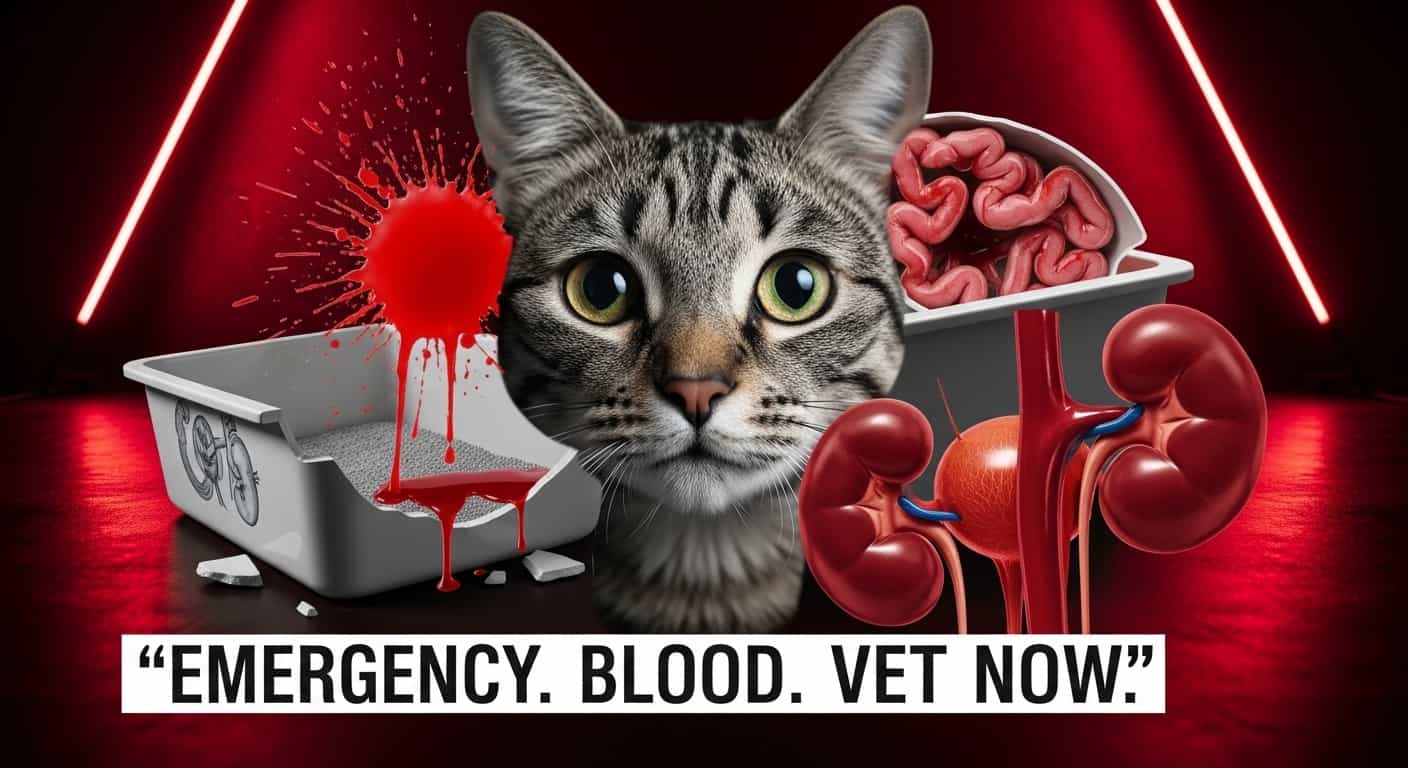
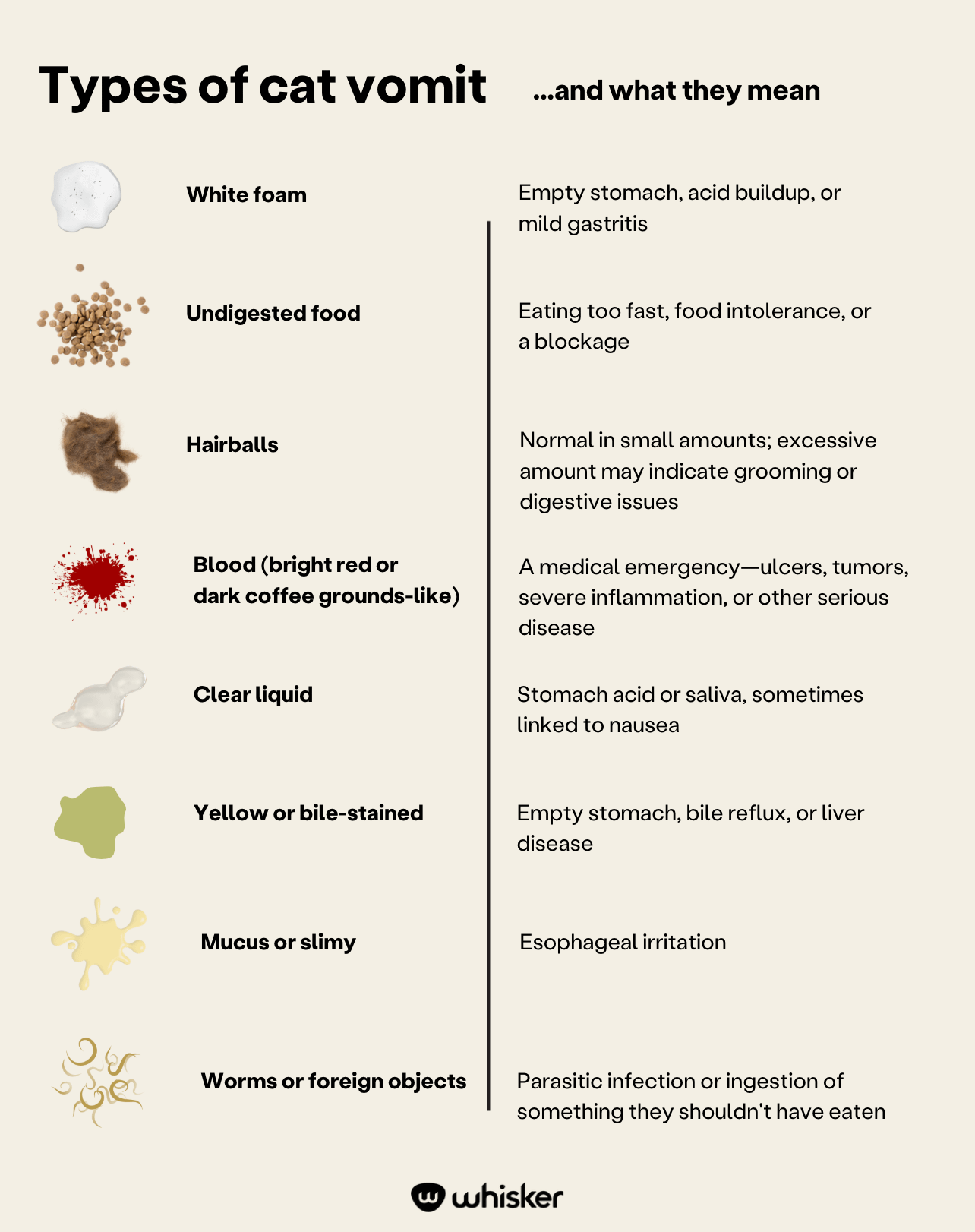
If vomiting occurs frequently, contains blood, or your cat shows lethargy, loss of appetite, or weight loss, consult a vet promptly. Persistent vomiting may indicate underlying health issues needing professional diagnosis and treatment.
Conclusion
Cats that eat too fast often vomit shortly after. Slowing their eating helps reduce vomiting. Using special bowls or feeding smaller meals works well. Watching your cat during meals can catch problems early. Consistent care keeps your cat healthy and happy.
Always check with a vet if vomiting continues. Small changes make a big difference in your cat’s comfort. Give your cat time to eat calmly. That’s the key to fewer tummy troubles.