Is your cat eating well but still not gaining any weight? This can be worrying for any pet owner.
You want your furry friend to be healthy and full of energy, but when the pounds don’t add up, it raises questions. Why is this happening? Could there be an underlying problem? You’ll discover the common reasons behind your cat’s weight struggles and learn what steps you can take to help your cat thrive.
Keep reading to find out how to protect your cat’s health and bring back that happy, lively pet you love.

Credit: anexa.co.nz
Common Reasons For Weight Loss
Weight loss in cats can worry any pet owner. Understanding why a cat eats but does not gain weight is key. Several common reasons exist for this issue. Knowing these can help spot problems early.
High Metabolism In Cats
Some cats have naturally high metabolisms. They burn calories faster than most cats. This means they need more food to maintain weight. Active cats and certain breeds often show this trait. It is not always a sign of illness.
Parasite Infestations
Parasites can cause weight loss despite eating well. Worms take nutrients before the cat can use them. Signs include a dull coat and occasional vomiting. Regular vet checks help detect and treat parasites early.
Dental Problems Affecting Eating
Dental pain can reduce how much a cat eats. Broken teeth or gum disease make chewing hard. Cats may eat less or avoid hard food. Watch for drooling or pawing at the mouth.
Chronic Diseases Impacting Weight
Diseases like diabetes or kidney problems cause weight loss. These conditions change how the body uses food. Cats may eat more or less but still lose weight. Early diagnosis improves treatment success.
Stress And Environmental Factors
Stress affects a cat’s appetite and digestion. Changes in home or routine can cause weight loss. Cats need a calm and stable environment. Quiet spaces and regular feeding times help.
Credit: www.chewy.com
Health Conditions Linked To Weight Loss
Weight loss in cats that eat well can signal serious health problems. Cats may seem healthy but lose weight due to hidden diseases. Early detection helps protect your pet’s health and comfort. Understanding common health issues linked to weight loss is key for any cat owner.
Hyperthyroidism In Cats
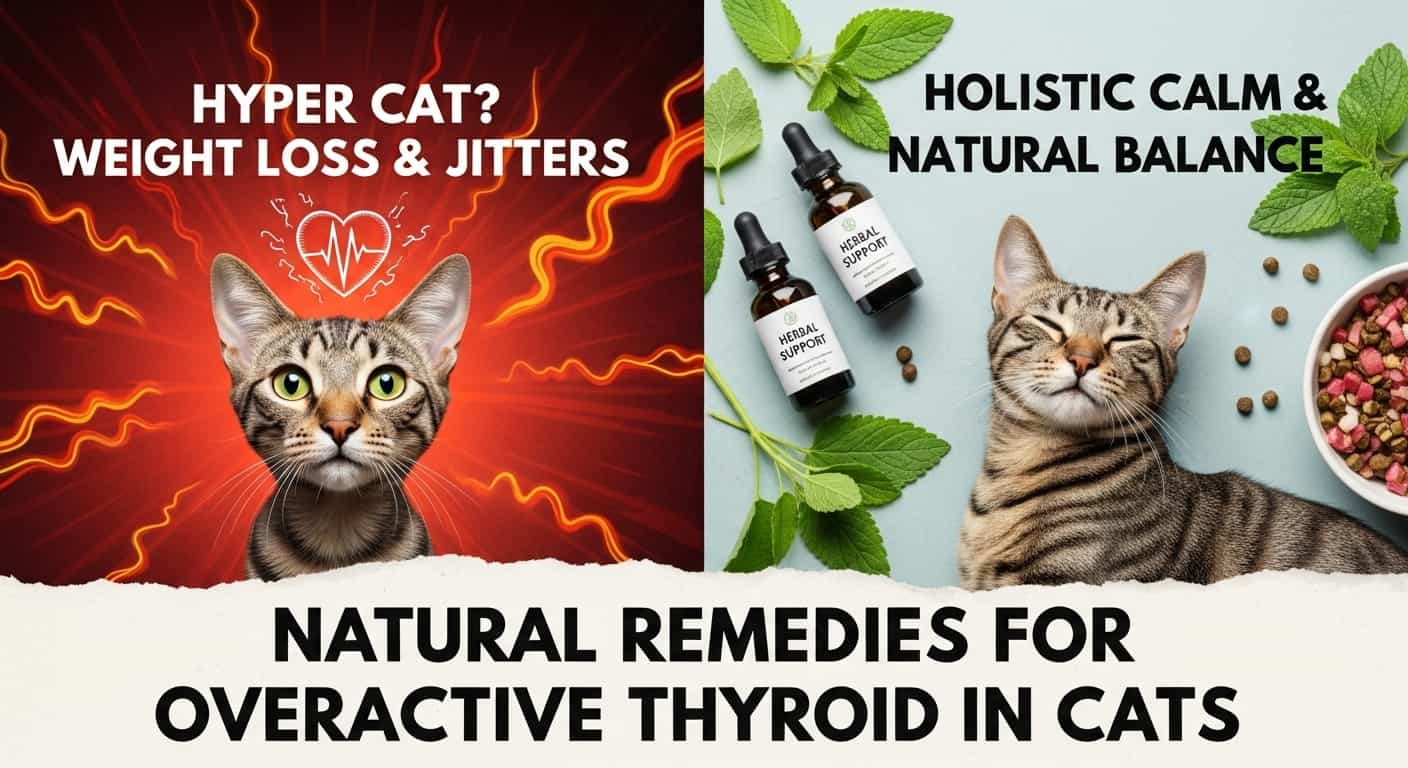
Hyperthyroidism is a common cause of weight loss in older cats. The thyroid gland produces too much hormone. This speeds up metabolism, causing the cat to burn calories fast. Cats may eat more but still lose weight. Other signs include increased thirst and restlessness.
Diabetes Mellitus Effects
Diabetes causes changes in how the body handles sugar. Cats with diabetes often lose weight despite eating normally. High blood sugar leads to energy loss through urine. Increased hunger and thirst also appear. Managing diabetes requires veterinary care and diet control.
Gastrointestinal Disorders
Problems in the digestive system can block nutrient absorption. Conditions like inflammatory bowel disease or parasites cause weight loss. Even with good appetite, cats do not get enough nutrients. Diarrhea, vomiting, and poor coat condition often occur too. Proper diagnosis and treatment are vital.
Kidney And Liver Diseases
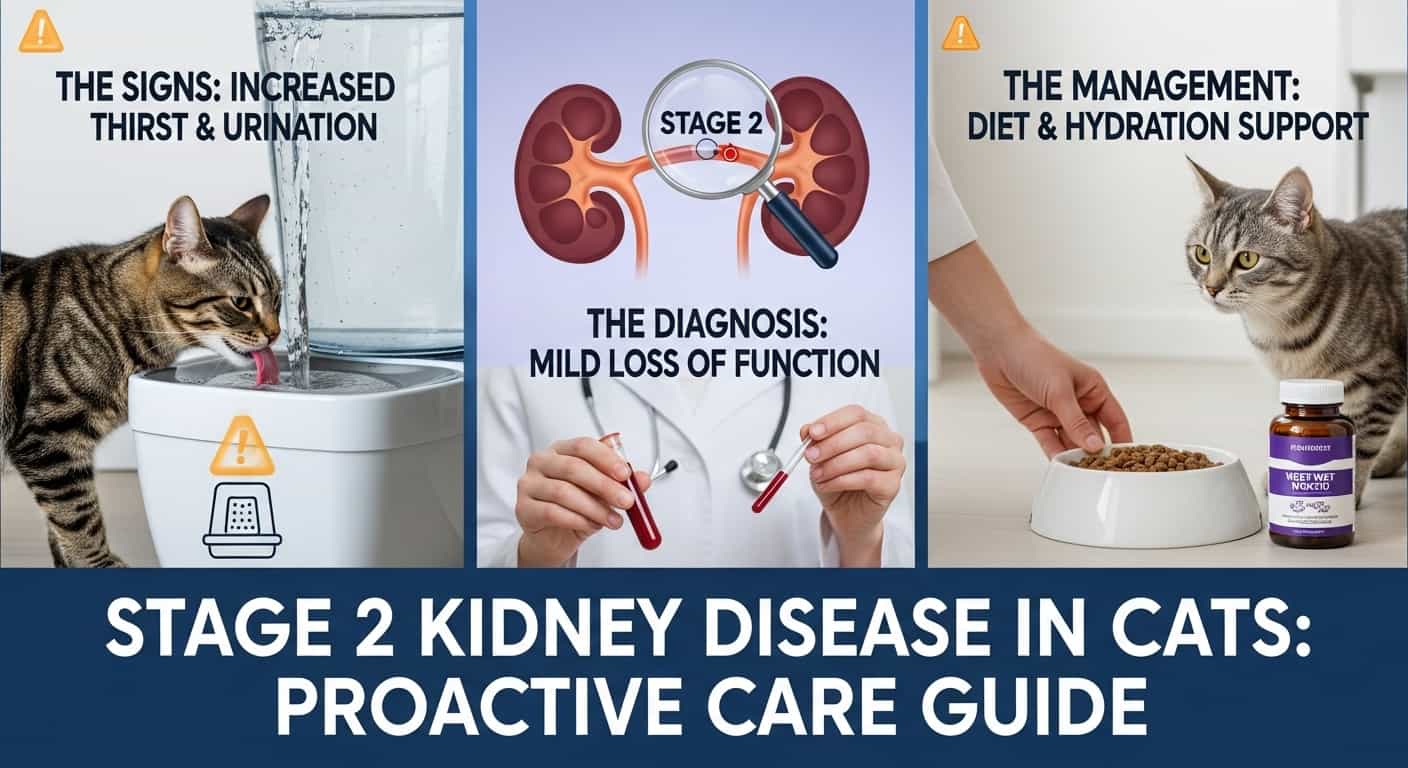
Kidney and liver problems affect how cats process food and toxins. These diseases reduce appetite and nutrient use. Cats may lose weight quickly while eating normally at times. Other signs include vomiting, bad breath, and lethargy. Early vet visits improve outcomes greatly.
Diet And Nutrition Factors
Diet and nutrition play a big role in a cat’s weight. Eating but not gaining weight can mean the food or feeding habits are not right. Understanding these factors helps find the cause and improve your cat’s health.
Good nutrition supports a healthy weight and energy. Poor diet can lead to weight loss or no weight gain despite eating enough food.
Inadequate Caloric Intake
Calories give cats the energy to live and grow. If the food does not have enough calories, the cat will not gain weight. Active cats or growing kittens need more calories. Older or less active cats need fewer calories but still enough to stay healthy.
Poor Quality Food Choices
Low-quality food lacks important nutrients. Cats need protein, fats, vitamins, and minerals in their meals. Cheap or filler-heavy foods may fill the stomach but not provide needed nutrition. This can cause weight issues and poor health over time.
Food Allergies And Intolerances
Some cats react badly to certain ingredients. Allergies or intolerances can cause digestive problems. These problems stop the cat from absorbing nutrients well. The cat eats but does not gain weight because the body wastes nutrients.
Feeding Schedule And Portion Control
How often and how much you feed matters. Small frequent meals can help some cats gain weight. Free feeding may cause overeating or under-eating. Measuring portions ensures your cat gets the right amount of food each day.
Diagnostic Steps For Weight Issues
Weight loss in cats despite eating well is worrying. Diagnosing the cause needs careful steps. These steps help find health problems early. Early detection improves treatment success and cat comfort.
Veterinary Physical Examination
The vet checks your cat’s body carefully. They look for signs of illness or injury. The vet feels the abdomen for lumps or pain. They check teeth, gums, and coat condition. This exam gives clues about possible diseases.
Blood Tests And Imaging
Blood tests show organ function and infections. They measure blood sugar, kidney, and liver health. X-rays or ultrasounds reveal internal issues. These images help spot tumors or blockages. This step finds hidden problems inside the body.
Fecal Examination For Parasites
Parasites can cause weight loss in cats. A fecal test finds worms or protozoa. Detecting parasites early stops further damage. Treatment clears parasites and improves weight gain.
Monitoring Eating Habits
Track how much and what your cat eats. Note changes in appetite or food preference. Sometimes cats eat but absorb little nutrition. Recording habits helps the vet understand the problem. This step supports diagnosis and treatment plans.
Effective Treatment Approaches
Treating a cat that eats but does not gain weight requires a clear plan. Understanding the cause is the first step. Treatment varies depending on the cat’s health status. Careful management can help your cat regain strength and weight.
Medications For Underlying Illnesses
Some illnesses cause weight loss despite normal eating. Vets may prescribe medicines to fight infections or diseases. These medications target the root cause. They help your cat’s body absorb nutrients better. Follow the vet’s instructions carefully for best results.
Dietary Adjustments And Supplements
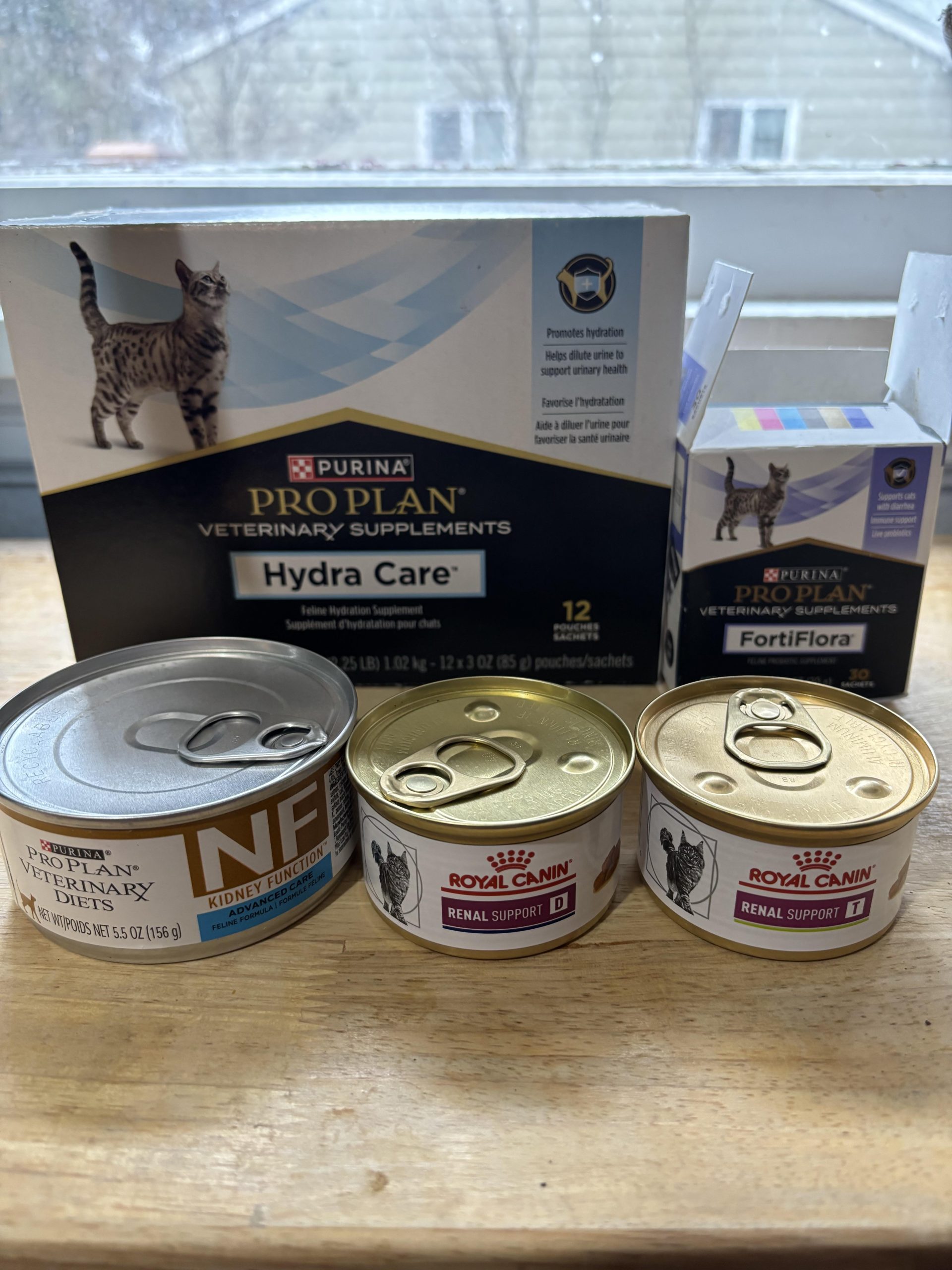
Changing your cat’s diet can improve weight gain. High-calorie foods and balanced nutrients support growth. Supplements like vitamins and digestive enzymes aid absorption. Feeding smaller, more frequent meals can help too. Always choose food recommended by your vet.
Parasite Control Measures
Parasites can rob your cat of vital nutrients. Regular deworming treatments remove these pests. Your vet will suggest safe parasite control options. Keeping your cat parasite-free promotes healthy weight gain. Clean living areas reduce the risk of reinfestation.
Stress Reduction Techniques
Stress affects your cat’s digestion and appetite. Creating a calm environment helps your cat relax. Provide quiet spaces and familiar toys. Gentle petting and play can reduce anxiety. Less stress allows better nutrient use and weight gain.
Preventing Weight Loss In Cats
Preventing weight loss in cats is important for their health. Cats that eat but do not gain weight may have underlying issues. Early steps help keep your cat healthy and strong. Focus on good care and watch for changes.
Regular Health Checkups
Schedule vet visits regularly. Checkups find health problems early. Blood tests and exams reveal hidden issues. Early treatment helps stop weight loss. A healthy cat stays active and happy.
Balanced And Nutritious Diet
Feed your cat a diet with all nutrients. Protein, fats, and vitamins support weight gain. Choose food made for cats’ needs. Avoid giving only treats or human food. Proper meals keep your cat’s body strong.
Maintaining A Stress-free Environment
Stress affects cats’ appetite and digestion. Keep your home calm and quiet. Provide safe spaces and cozy spots. Regular play and attention reduce anxiety. A relaxed cat eats well and gains weight.
Prompt Attention To Symptoms
Watch for signs like vomiting or diarrhea. Notice changes in eating or energy levels. Early action can prevent serious problems. Visit the vet if symptoms appear. Quick care helps your cat recover fast.

Credit: www.bellaandduke.com
Frequently Asked Questions
Why Is My Cat Eating But Not Gaining Weight?
Your cat might have an underlying health issue like parasites or hyperthyroidism. Nutritional imbalances or poor absorption can also cause weight loss. Consult a vet for diagnosis and treatment to ensure your cat’s health improves.
Can Stress Cause A Cat To Lose Weight Despite Eating?
Yes, stress can affect a cat’s metabolism and digestion, leading to weight loss. Changes in environment or routine may cause this. Reducing stress and consulting a vet can help manage your cat’s weight effectively.
What Health Problems Cause Cats To Lose Weight?
Common causes include diabetes, kidney disease, hyperthyroidism, and parasites. These conditions affect nutrient absorption and metabolism. Early diagnosis and treatment by a vet are crucial to prevent serious complications.
How Can I Help My Cat Gain Weight Safely?
Feed high-calorie, nutrient-rich food in small frequent meals. Ensure your cat is free from illness by visiting a vet. Adding supplements or appetite stimulants might help, but only under veterinary guidance.
Conclusion
Cats eating but not gaining weight can signal health issues. Watch your cat closely for changes in behavior or appetite. Regular vet visits help find problems early. Balanced food and proper care support healthy weight gain. Small steps matter in keeping your cat strong and happy.
Don’t ignore persistent weight loss; act quickly. Your cat depends on you for good health. Stay alert and provide the best care possible.