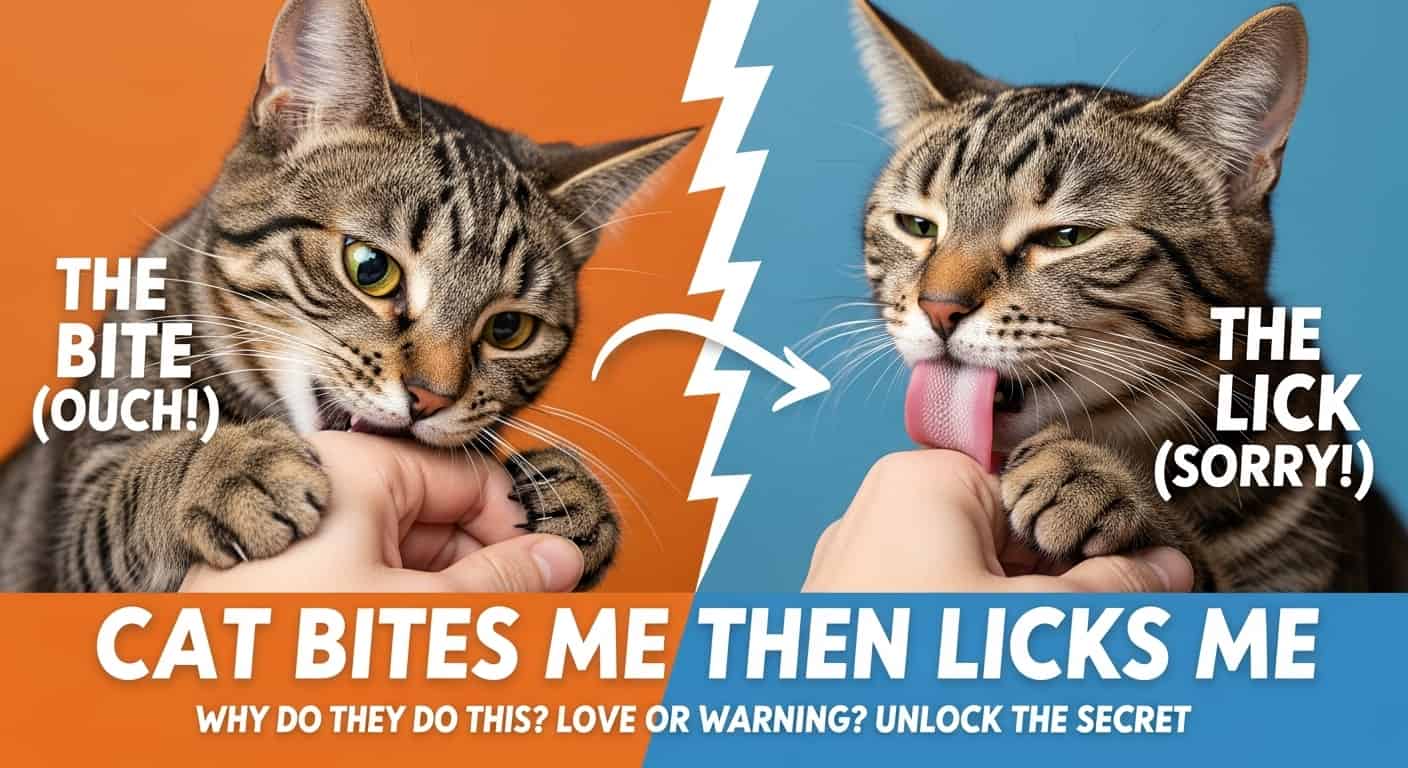
Have you ever felt the sharp nip of your cat’s teeth, only to have them follow it up with a gentle lick? It can be confusing—why does your furry friend bite you and then show affection right after?
If you’ve wondered what this strange behavior means, you’re not alone. Understanding these mixed signals can help you build a stronger bond with your cat and avoid any unwanted scratches. Keep reading to discover the surprising reasons behind this odd but common habit, and learn what your cat is really trying to tell you.
Credit: www.youtube.com
Why Cats Bite Gently
Cats often bite gently as a way to communicate. These soft bites are different from aggressive bites. They can mean many things depending on the situation. Understanding why cats bite gently helps build a better bond. It shows their feelings without causing harm.
Playful Nibbles
Gentle bites often happen during play. Cats use their mouths like their paws. They nibble softly to keep play fun. This behavior mimics hunting skills but stays light. It is their way to engage without hurting you.
Overstimulation Signals
Sometimes gentle bites mean your cat is overwhelmed. Petting too long can cause this feeling. A soft bite is a warning to pause. Cats use this to say, “I need a break.” It helps prevent stress or frustration.
Attention Seeking Bites
Cats bite gently to get your attention. This can happen if they want to play or eat. The bite is like a small poke. It tells you they want something from you. Responding quickly strengthens your connection.
Credit: www.toe-beans.com
Meaning Behind Cat Licks
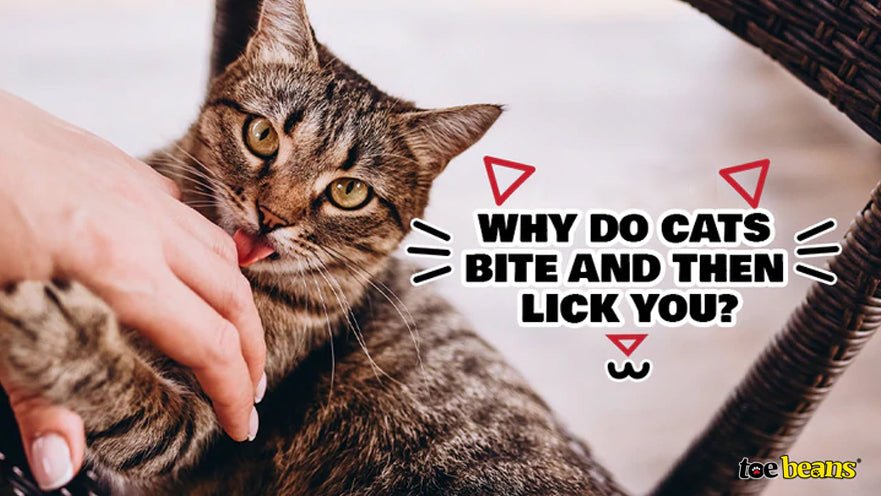
Cats use licking to communicate in many ways. It is a gentle and natural behavior. When a cat bites you lightly and then licks you, it is sharing feelings. Licking has deep meanings beyond cleaning. It shows trust, care, and connection. Understanding why cats lick helps you bond better with them.
Showing Affection
Licking is a way cats show love. It is their way to say, “You are special.” Cats lick close friends and family members. This act builds a strong bond. It makes cats feel safe and happy.
Grooming Rituals
Cats lick themselves and others to clean fur. This behavior is called grooming. When your cat licks you, it treats you like part of its family. Grooming helps keep fur neat and healthy. It also comforts cats during stress.
Marking Territory
Cats have scent glands in their mouths. Licking transfers their unique scent onto you. This tells other cats, “You belong to me.” It is a way to protect their space. Marking with licks shows trust and ownership.
Why Biting Is Followed By Licking
Cat behavior can be puzzling. One moment, your cat bites you gently. The next, it starts licking you. This mix of actions might confuse many cat owners. Understanding why biting is followed by licking helps to read your cat’s feelings better.
Mixed Emotions
Cats often show mixed emotions through biting and licking. A bite can be a sign of play or slight annoyance. Licking right after softens the message. It means your cat is not angry. It shows care and calmness after a small warning.
Calming Themselves
Licking helps cats calm down. After a bite, licking soothes their own nerves. It is a way to reduce stress. This behavior also helps your cat feel safe. Licking signals to you that your cat is relaxed again.
Reinforcing Bond
Biting followed by licking strengthens your bond. Cats use licking as a way to show affection. After a playful or gentle bite, licking says “I trust you.” It is a sign of friendship and love. Your cat feels close and connected to you.
When Biting Becomes A Problem
Cat bites followed by licking may seem confusing. Sometimes, this behavior is playful or affectionate. Other times, biting can signal a problem. Understanding when biting turns into aggression helps keep you and your cat safe.
Signs Of Aggression
Aggressive cats show clear signs before biting hard. Watch for hissing, growling, or flattened ears. Tail flicking or stiff body posture can also warn you. Quick, hard bites that break skin need attention. These signs mean your cat is upset or scared.
How To Respond
Stay calm when your cat bites aggressively. Avoid yelling or hitting. Gently move away to give space. Do not punish your cat after biting. Instead, use a soft voice and slow movements. This helps reduce stress and prevent more bites.
Training Tips
Redirect biting with toys instead of hands. Offer chew toys for your cat to bite safely. Reward gentle play with treats or praise. Consistent training teaches your cat limits. Patience and repetition improve behavior over time.
Reading Your Cat’s Body Language
Reading your cat’s body language helps you understand their feelings. Cats cannot speak, so they use their body to show emotions. Watching their signals helps build trust and prevents misunderstandings. Every movement tells a story about how your cat feels.
Pay close attention to their tail, ears, and sounds. These clues reveal whether your cat is happy, scared, or annoyed. Knowing these signs can explain why your cat bites then licks you. It shows a mix of playfulness and affection.
Tail Movements
A cat’s tail is very expressive. A high, straight tail means your cat feels happy and confident. A low or tucked tail shows fear or submission. Quick flicks or swipes may signal irritation. Slow, gentle swaying often means the cat is relaxed but alert.
Ear Positions
Cat ears move to show mood. Forward ears mean curiosity or interest. Flattened ears pressed back usually show fear or anger. Sideways or rotating ears indicate the cat is unsure or listening. Watching ear movements helps you know if your cat feels safe or stressed.
Vocal Cues
Cats use sounds to communicate feelings. Purring often means contentment but can also show stress. Hissing or growling signals fear or anger. Meowing can mean many things, like hunger or a call for attention. Listen carefully to understand your cat’s mood.

Credit: www.toe-beans.com
Improving Your Cat’s Behavior
Improving your cat’s behavior helps build a strong bond. Understanding why your cat bites then licks can guide your actions. Small changes in daily interactions can make a big difference. Focus on positive habits and clear communication to create trust.
Interactive Play Ideas
Play helps your cat use energy in a good way. Use toys like feathers, balls, or laser pointers. Move toys in quick, gentle ways to mimic hunting. Short, frequent play sessions keep your cat interested. This reduces biting caused by boredom or excess energy.
Setting Boundaries
Clear limits teach your cat what is okay and not. Use a firm, calm voice to say “no” if biting happens. Stop play immediately if biting starts to show it is not okay. Avoid rough play with hands or fingers. Give your cat safe toys to bite instead.
Positive Reinforcement
Reward good behavior with treats, praise, or petting. Catch your cat being gentle and reward right away. This helps your cat learn what behavior you want. Avoid punishment as it can cause fear or confusion. Positive rewards build trust and encourage good habits.
Frequently Asked Questions
Why Does My Cat Bite Then Lick Me?
Cats often bite then lick as a mixed signal. Biting shows playfulness or boundaries. Licking is a sign of affection and trust. Together, it means your cat feels close but sets limits.
Is It Normal For Cats To Bite Then Lick?
Yes, this behavior is normal. Cats communicate with bites and licks to express feelings. It can indicate love, play, or mild irritation. Understanding your cat’s mood helps interpret these actions better.
How Can I Stop My Cat From Biting Then Licking?
Redirect your cat’s biting with toys during play. Avoid rough hand play to prevent biting. Reward gentle licking with praise or treats. Consistent boundaries teach your cat proper interaction.
Does Biting Then Licking Mean My Cat Is Stressed?
Sometimes, yes. Cats may bite then lick when anxious or overstimulated. Watch for other stress signs like hiding or aggression. Providing calm spaces and routine helps reduce stress.
Conclusion
Cat bites followed by licking show mixed feelings from your pet. Your cat may feel playful but also wants to comfort you. Watch their body language to understand their mood better. Keep your hands safe to avoid pain or infection.
Gentle play helps build trust and love between you both. Remember, each cat is unique and shows affection differently. Stay patient and enjoy these small moments together. This bond grows stronger with time and care.