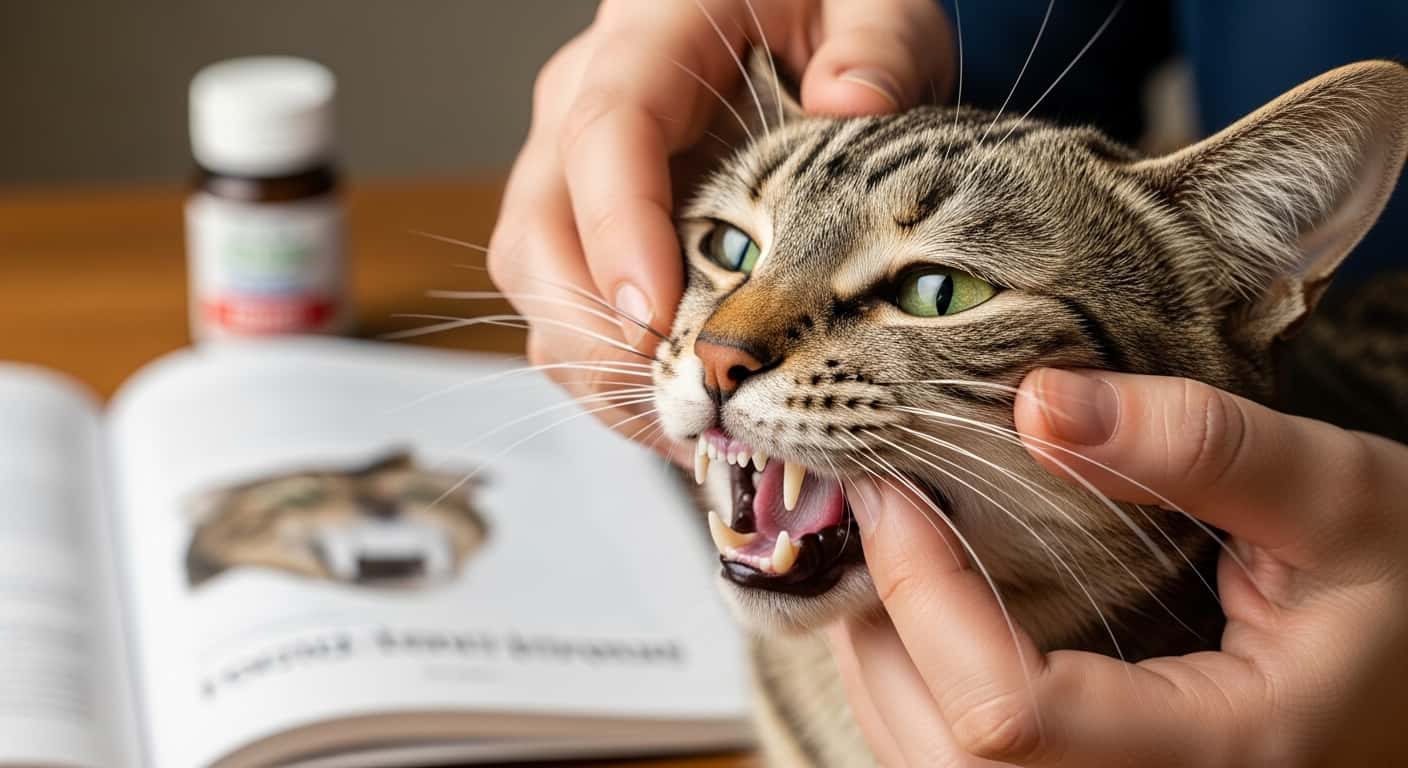
Are you wondering if your indoor cat really needs a rabies shot? It’s a question many cat owners ask, especially when their furry friend rarely steps outside.
You want to keep your cat safe and healthy, but is this vaccine necessary for a pet that stays indoors? Understanding the facts about rabies, the risks involved, and what experts recommend can help you make the best decision for your beloved companion.
Keep reading to discover why this simple shot might be more important than you think.
Credit: homeatlastrescue.ca
Rabies Risks For Indoor Cats
Many cat owners think indoor cats face no risk of rabies. This is not always true. Rabies risks exist even for cats that never go outside. Understanding these risks helps protect your pet’s health.
Transmission Methods
Rabies spreads through bites or scratches from infected animals. Wild animals like bats, raccoons, and skunks carry rabies often. Indoor cats can get rabies if these animals enter the home. The virus passes through saliva, infecting the cat quickly.
Indoor Exposure Factors
Some homes have open doors or windows without screens. This allows wild animals to come inside. Cats that explore basements or attics can meet infected bats. Even a small wound from a bat bite can cause rabies. Indoor cats near pet doors also face risks.
Local Rabies Prevalence
Rabies cases vary by region. Some areas have more cases in wildlife. Your vet can tell you about local rabies risks. Areas with many wild animals may need stricter vaccination rules. Knowing local threats helps you decide on vaccinations.
Rabies Vaccination Guidelines
Rabies vaccination guidelines help protect cats from a deadly disease. Rabies can spread through bites from infected animals. Even indoor cats might face risks if they escape or if wild animals enter the home. Knowing the rules and recommendations helps keep your cat safe and healthy.
Veterinary Recommendations
Veterinarians advise vaccinating all cats against rabies. They assess your cat’s lifestyle and risk factors. Indoor cats often receive rabies shots to prevent unexpected exposure. Vets also provide advice on booster shots and vaccine types. Regular vet visits ensure your cat stays protected.
Legal Requirements
Many states and countries require cats to have rabies vaccines. Laws vary depending on where you live. Some places need yearly vaccines, others every three years. Proof of vaccination is often needed for licensing and travel. Following legal rules avoids fines and keeps communities safe.
Vaccination Schedule
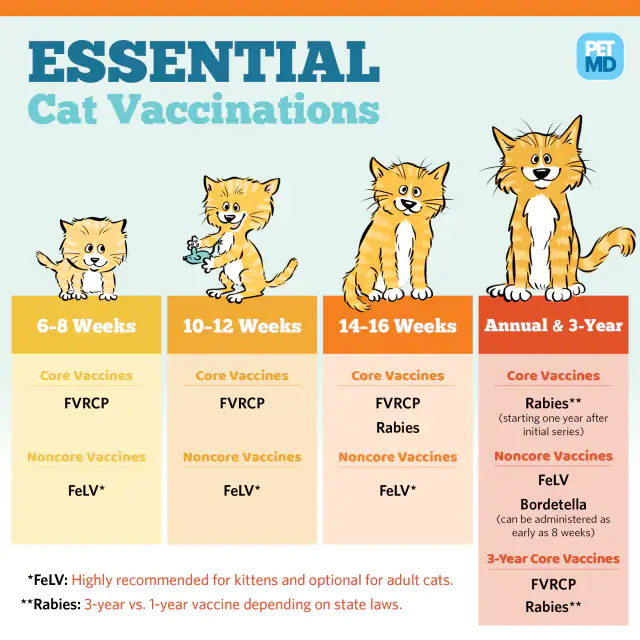
Kittens usually get their first rabies shot at three months old. A booster is given one year after the first vaccine. After that, vaccines may be needed every one to three years. Your vet will recommend the best schedule for your cat. Keeping to the schedule maintains strong immunity.
Benefits Of Rabies Shots For Indoor Cats
Indoor cats may seem safe from many dangers. Still, rabies shots provide clear benefits that protect both cats and their owners. Vaccinating your indoor cat helps keep them healthy and prevents serious diseases from spreading.
Health Protection
Rabies shots protect cats from the deadly rabies virus. Even indoor cats can escape or meet other animals. Vaccination creates a strong defense against infection. It helps keep your cat safe and healthy.
Preventing Disease Spread
Rabies is a dangerous virus that can spread to humans and pets. Vaccinating indoor cats lowers the chance of spreading rabies. This stops outbreaks in your home and community. It also protects other animals around your cat.
Peace Of Mind For Owners
Knowing your indoor cat has rabies protection brings comfort. It removes worry about unexpected escapes or animal contacts. Owners feel safer and more confident in their pet’s health. Vaccination is a simple step that offers great peace of mind.
Credit: www.friendshiphospital.com
Potential Risks And Side Effects
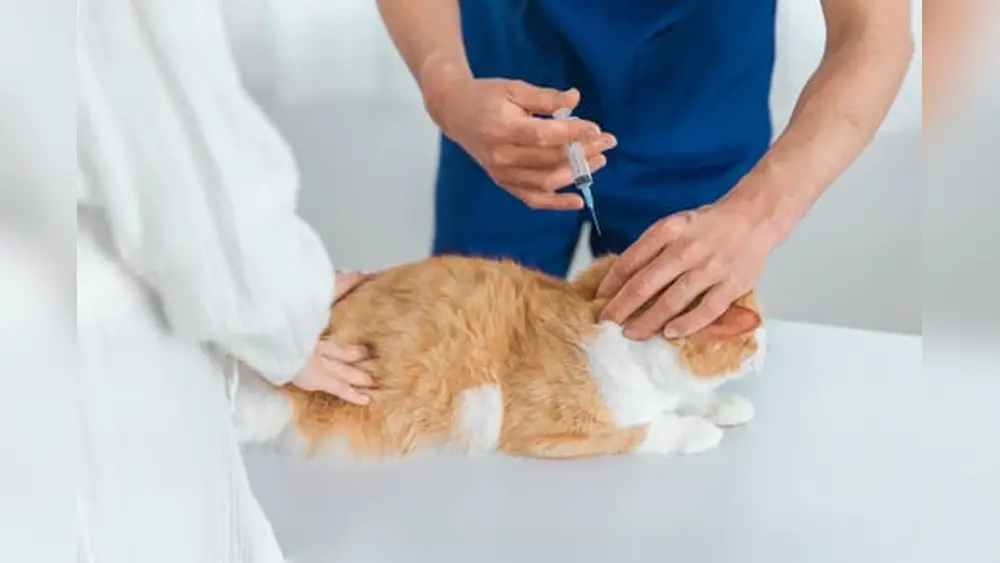
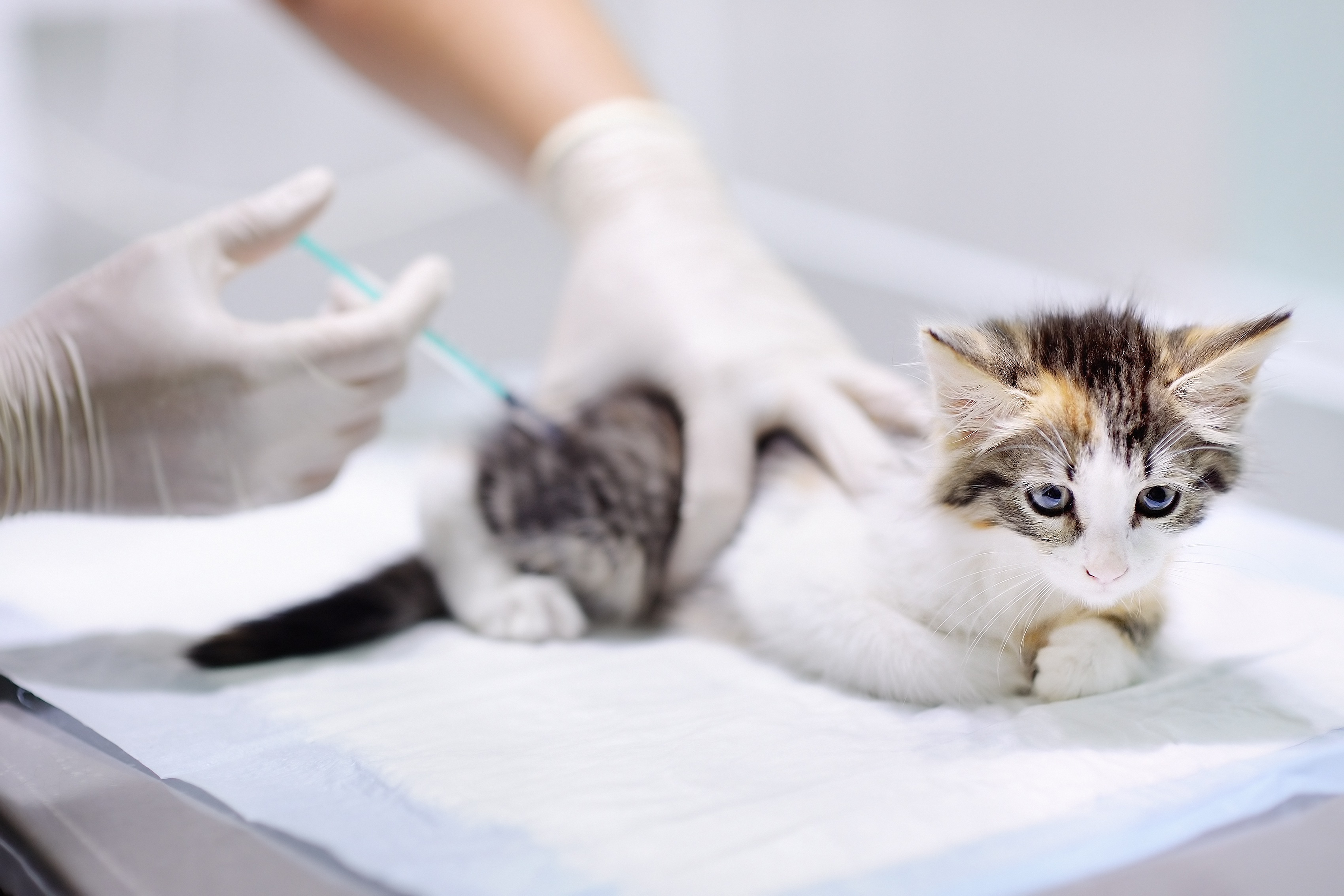
Vaccinating an indoor cat against rabies involves some risks and side effects. Understanding these can help you make better choices for your pet’s health. Most cats handle the vaccine well, but some may show mild reactions. Rarely, serious problems can occur. Knowing what to expect helps you care for your cat properly after the shot.
Common Reactions
Many cats show mild symptoms after the rabies vaccine. These include swelling at the injection site and slight soreness. Your cat might feel tired or lose appetite for a day or two. Mild fever and sneezing can also happen. These effects usually go away within 48 hours without treatment.
Rare Complications
Serious side effects from rabies shots are very rare. Some cats may have allergic reactions like itching or swelling of the face. In extreme cases, breathing problems or collapse can occur. Another rare issue is a lump forming under the skin that lasts weeks or months. If you notice anything unusual, contact your vet immediately.
Managing Side Effects
Watch your cat closely after vaccination. Offer water and rest in a quiet place. Use a cold compress on swollen areas to reduce discomfort. Avoid touching the injection site too much. If your cat shows signs of severe allergy, such as difficulty breathing, seek emergency care right away. Regular vet check-ups help keep your cat safe and healthy.
Alternatives And Precautions
Indoor cats have lower risk of rabies but still need care. Alternatives and precautions help keep them safe without unnecessary vaccines. These steps reduce chances of rabies and other illnesses. Here are some ways to protect your indoor cat effectively.
Limiting Exposure
Keep windows and doors closed or screened. Do not let your cat roam outside. Avoid contact with wild animals or stray pets. Clean any cuts or scratches your cat gets. These steps reduce the chance of rabies exposure.
Regular Health Checks
Visit the vet regularly to check your cat’s health. Watch for unusual behavior or signs of illness. Early detection helps prevent serious diseases. Keep vaccinations up to date for other common cat diseases.
Emergency Preparedness
Have a plan if your cat bites or is bitten. Know the nearest animal control or vet clinic. Keep emergency contact numbers handy. Quick action after a bite can prevent rabies infection.
Credit: www.petmd.com
Making The Right Choice
Choosing whether your indoor cat needs a rabies shot is important. It is not always clear what the best decision is. You must think about many factors. This helps keep your cat safe and healthy.
Assessing Your Cat’s Lifestyle
Think about where your cat spends time. Does your cat stay inside all day? Some cats may have limited outdoor access. Others might meet other animals sometimes. This changes the risk of rabies exposure. Cats that go outside or meet wildlife face higher risks. Indoor-only cats usually have lower risks. Understanding your cat’s habits guides the vaccination choice.
Consulting Your Veterinarian
Your vet knows your cat’s health best. They can explain rabies risks in your area. They also know vaccine rules and schedules. Talk openly about your cat’s lifestyle and health. Your vet can advise if vaccination is needed. They will suggest the safest and best plan. Their advice helps you make an informed choice.
Balancing Risks And Benefits
Vaccines protect against dangerous diseases. Rabies is deadly and can spread to humans. Vaccinating your cat reduces this risk. Some cats may have mild vaccine side effects. Weigh the chance of exposure against vaccine risks. Think about your peace of mind too. A balanced view helps you decide wisely.
Frequently Asked Questions
Do Indoor Cats Need Rabies Vaccinations?
Yes, indoor cats need rabies shots. Rabies can spread through accidental bites or scratches. Vaccination protects your cat and complies with local laws.
How Often Should Indoor Cats Get Rabies Shots?
Indoor cats usually require rabies vaccines every one to three years. Follow your vet’s advice and local regulations for booster timing.
Can Indoor Cats Get Rabies Without Outdoor Exposure?
Indoor cats can get rabies if exposed to infected animals indoors. Accidental contact or bites from bats or rodents pose risks.
What Are The Risks Of Not Vaccinating Indoor Cats?
Unvaccinated indoor cats risk rabies infection if exposed. Rabies is fatal and poses serious health threats to pets and humans.
Conclusion
Indoor cats can still face risks from rabies. Vaccinating them helps keep your pet safe. Rabies shots protect cats from deadly diseases. Talk to your vet about the best plan. Staying cautious means a healthier, happier cat. Prevention is always better than dealing with illness.
Keep your indoor cat protected every year. Peace of mind comes with proper vaccination. Your cat’s health deserves your careful attention.
**As an Amazon Associate, I earn from qualifying purchases.**